• Product
  • Suppliers
  • Manufacturers
  • Solutions
  • Free tools
  • Knowledges
  • Experts
  • Communities
Search


Why Do Disconnectors Overheat? Diagnosis & Fixes

Felix Spark
Field: Failure and maintenance
China

Causes of Heating in Disconnectors

  • Incomplete closing: This significantly reduces the current-carrying cross-sectional area, leading to increased contact resistance.

  • Loose fasteners or degraded springs: Corrosion or overheating of the blade or contact springs reduces spring pressure; improper operating force may also cause misalignment of contact surfaces.

  • Poor contact closure: Results in oxidation and contamination of contact surfaces; contacts may also be damaged by arcing during operation, and linkage components may wear or deform over time.

  • Overloading: Excessive current causes overheating at the contacts.
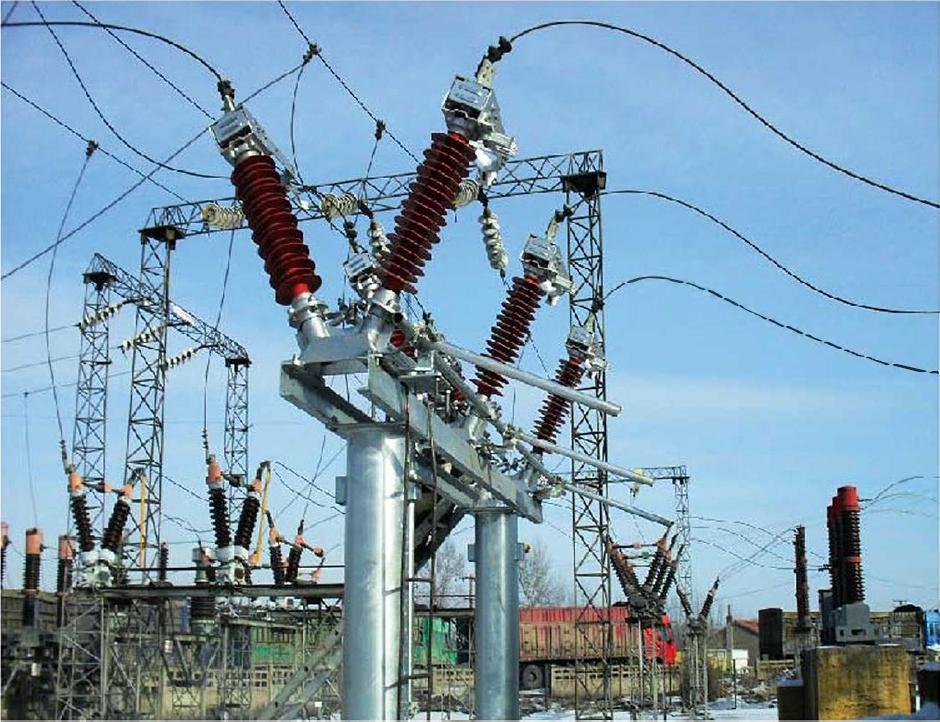
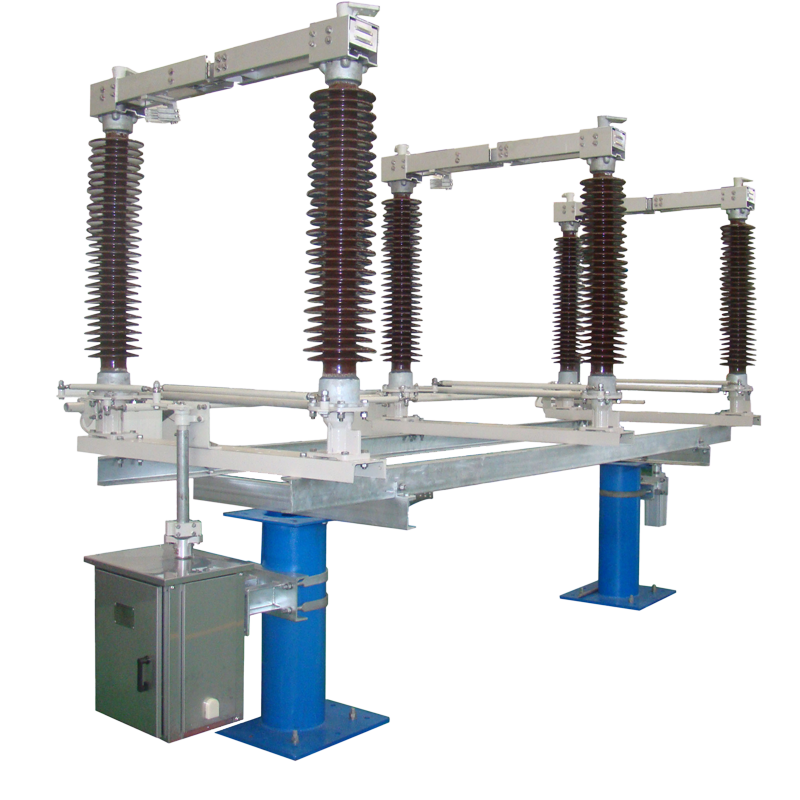
DS5A 40.5kV 72.5kV 126kV High voltage disconnect switch source supplier

Handling Methods for Disconnector Overheating

  • Use an infrared thermometer to measure the temperature at the hotspot to assess the severity of heating.

  • Based on the location and degree of overheating, redistribute the load to reduce current through the affected point; if necessary, report to the dispatch center for assistance in load reallocation.

  • Use an insulated operating rod rated for the corresponding voltage level to gently adjust the contact position and ensure proper contact—avoid excessive force to prevent slippage and escalation of the fault.

  • If overheating is caused by overloading, immediately report to dispatch and reduce the load to the disconnector’s rated capacity or below.
Give a tip and encourage the author!

Recommended

Causes and Solutions for High Failure Rate of Distribution Transformers
1. Causes of Failure in Agricultural Distribution Transformers(1) Insulation DamageRural power supply typically utilizes 380/220V mixed supply systems. Due to the high proportion of single-phase loads, distribution transformers often operate under significant three-phase load imbalance. In many cases, the imbalance exceeds the permissible range specified in standards, causing premature aging, deterioration, and failure of transformer winding insulation, ultimately leading to burnout.When distrib
12/23/2025
5 Fault Diagnosis Techniques for Large Power Transformers
Transformer Fault Diagnosis Methods1. Ratio Method for Dissolved Gas AnalysisFor most oil-immersed power transformers, certain combustible gases are produced in the transformer tank under thermal and electrical stress. The combustible gases dissolved in oil can be used to determine the thermal decomposition characteristics of the transformer oil-paper insulation system based on their specific gas content and ratios. This technology was first used for fault diagnosis in oil-immersed transformers.
12/20/2025
Application of Fault Diagnosis Technology for 15kV Outdoor Vacuum Automatic Circuit Reclosers
According to statistics, the vast majority of faults on overhead power lines are transient, with permanent faults accounting for less than 10%. Currently, medium-voltage (MV) distribution networks commonly employ 15 kV outdoor vacuum automatic circuit reclosers in coordination with sectionalizers. This setup enables rapid restoration of power supply after transient faults and isolates faulty line segments in the event of permanent faults. Therefore, it is essential to monitor the operational sta
12/11/2025
In-Depth Analysis of Fault Protection Mechanisms for Generator Circuit Breakers
1.Introduction1.1 Basic Function and Background of GCBThe Generator Circuit Breaker (GCB), as the critical node connecting the generator to the step-up transformer, is responsible for interrupting current under both normal and fault conditions. Unlike conventional substation circuit breakers, the GCB directly withstands the massive short-circuit current from the generator, with rated short-circuit breaking currents reaching hundreds of kiloamperes. In large generating units, the reliable operati
11/27/2025
Related Products
Send inquiry
+86
Click to upload file

IEE Business will not sell or share your personal information.

Download
Get the IEE Business Application
Use the IEE-Business app to find equipment, obtain solutions, connect with experts, and participate in industry collaboration anytime, anywhere—fully supporting the development of your power projects and business.