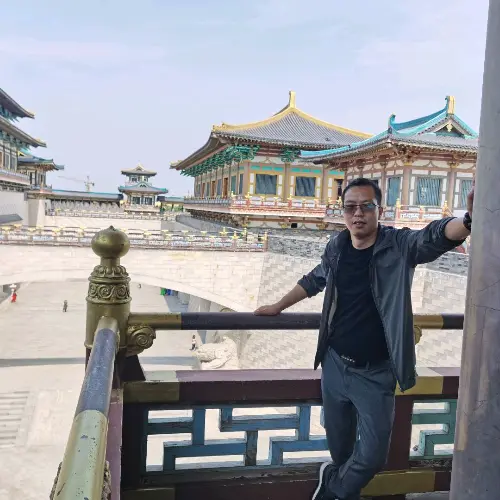
I. That Afternoon in 2007
In Ethiopia in 2007, electricity was a luxury.
A survey conducted by the Japanese Embassy that year showed that, according to official data, Ethiopia’s electrification rate in 2007 was 20%. However, since many poor households couldn’t even afford the cost of connecting electricity from the main grid to their homes, the actual proportion of the population with access to electricity was only about 6%. The Bank of Ethiopia’s 2007/08 annual report reported a national electrification rate of 17%. In March 2007, EEPCo publicly announced its plan to electrify 880 towns that year, with the goal of raising the country’s electrification rate to 50% by 2009. It was also in that year that my office welcomed a special guest.
His name was Abreham, in his early forties, with dark skin and wearing a faded white shirt. He runs a small construction materials company and has saved up some money; this time, he’s here to purchase a compact substation.
I asked him, “Mr. Abreham, which factory are you purchasing this compact substation for?”
He sat up straight, and his eyes suddenly lit up:
“No, not a factory,” he said in broken but earnest English. “I’m going to build a school—free of charge.” “When I was a kid, if I wanted to read at night, I had no choice but to huddle close to the kerosene lamp—my eyes would get blurry and start hurting. I don’t want kids in our village to have to go through that again.” “This compact substation is going to supply power to the school, enabling underprivileged children to see the words on their books clearly even at night.” This is the Ethiopian of 2007. In a country where only 17% of the population had access to electricity—and where the actual number of people using electricity was around just 6%—simple, down-to-earth homeowners like Abreham represent the truest essence of this land.
In August of the same year, EEPCo signed six power contracts with Chinese companies, totaling over 124 million U.S. dollars, for the expansion of 400kV and 230kV transmission and transformation lines. It was an era when Chinese power professionals, full of ambition, set foot on African soil.
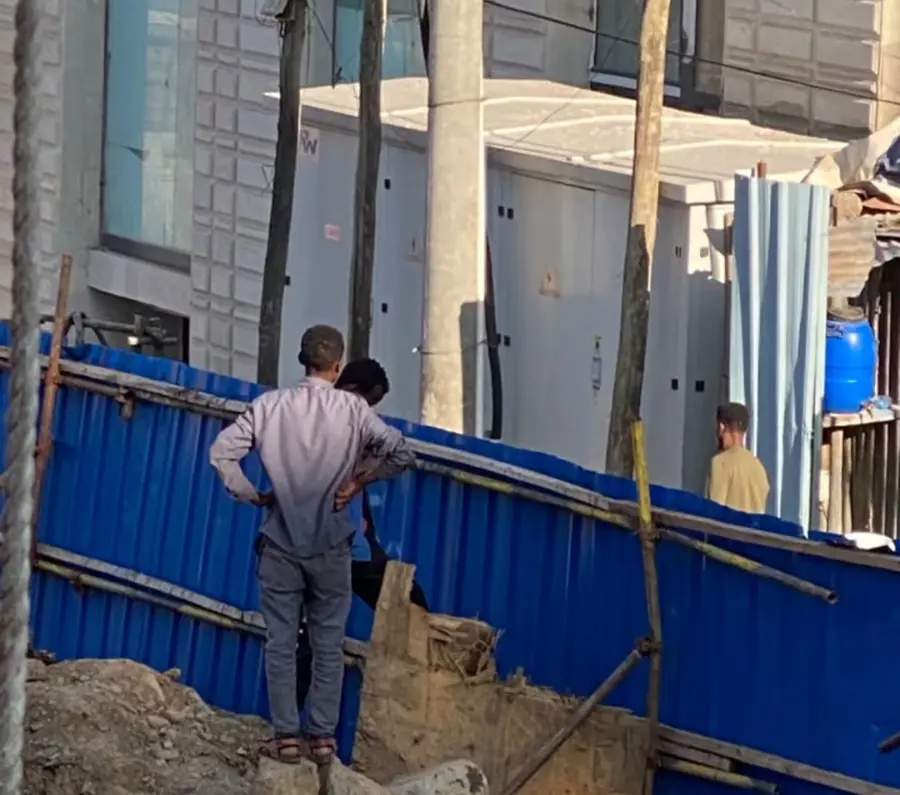
II. The influx of Chinese people and “rat race”
The pace of change has accelerated ever since, and it’s no secret—it’s even been documented in the “Yellow Book of Africa.”
The “Yellow Book of Africa” released in 2016 by the Institute of West Asia and Africa at the Chinese Academy of Social Sciences directly pointed out:
“In the bidding and negotiation processes for overseas power market projects, it’s common to see Chinese companies of the same type—or even subsidiaries under the same group—competing against each other... and sometimes even resorting to malicious price cuts and unfair defamation... As a result, the winning bid price of the Chinese company that offers the lowest price often falls below half of the highest bid price.” “It’s not uncommon for purely trading or intermediary companies to deliberately drive down prices and make arbitrary promises, only to fail to fulfill their contractual obligations once they’ve secured the project.” “Many enterprises often engage in ‘one-time-only’ deals.”
The exact wording from the Blue Book is: “Disorderly and malicious competition is relatively widespread. Despite extensive coordination efforts by various industry associations and chambers of commerce for Chinese enterprises in host countries, such practices persist despite repeated prohibitions, and in some regions and industries, the situation has even shown a tendency to escalate.” This is the public portrait of “rat race”—not an isolated act by a single company, but rather Chinese enterprises amplifying the malpractices prevalent in China’s domestic engineering sector in overseas power markets.
III. The Yueqing local electrical enterprises: Two Ways of Life
Yueqing, known as the "Capital of Low-Voltage Electrical Appliances in China," boasts the most complete electrical industry chain in the country. A large number of Yueqing-based enterprises have been pouring into Ethiopia.
But the people of Yueqing have never lived the same way.
1. Rockwill: The Engineer’s Bottom Line
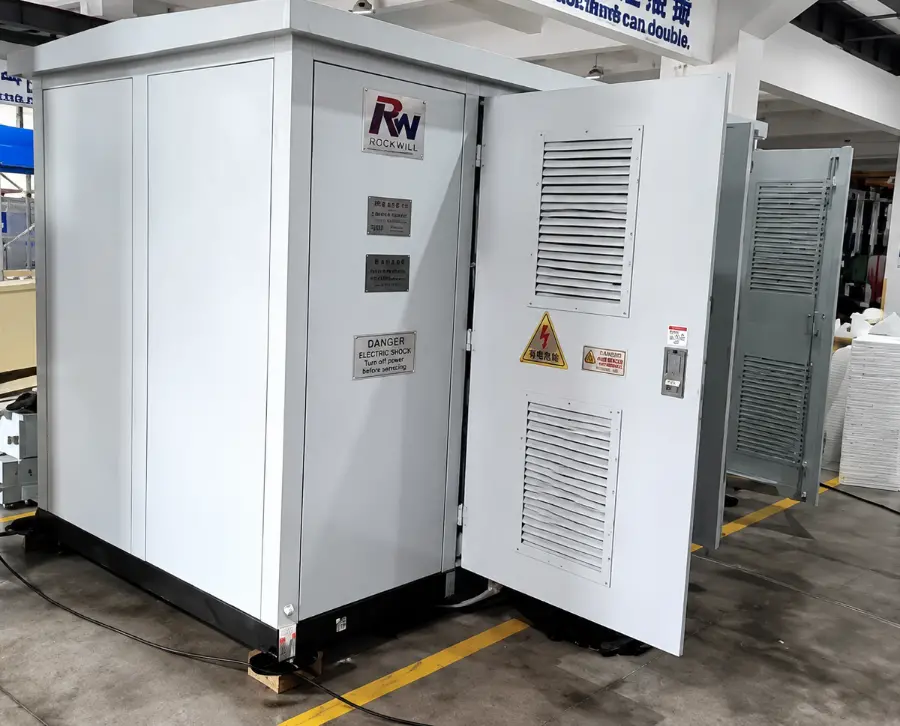
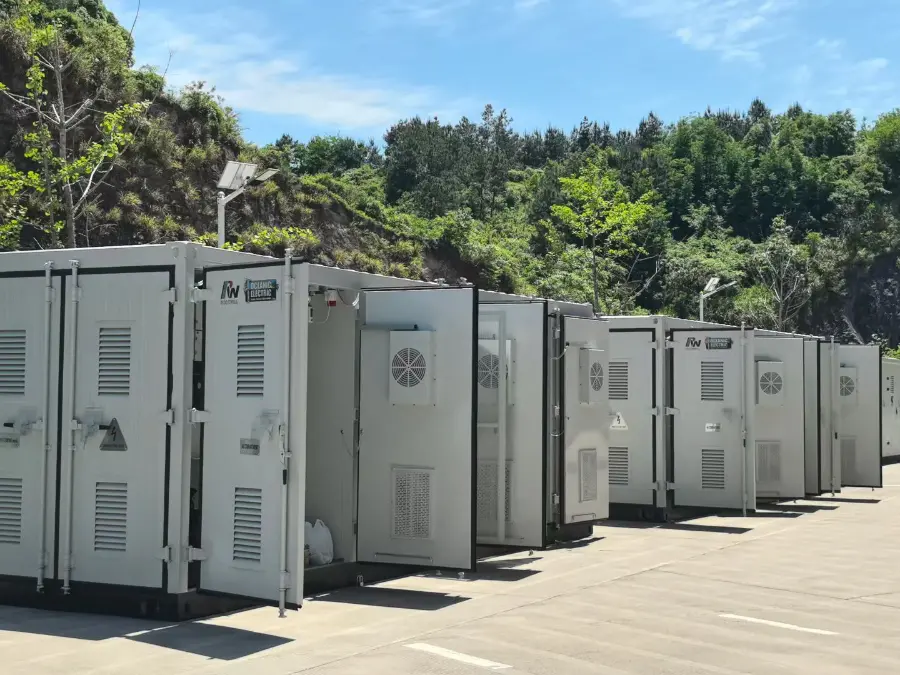
Wenzhou Rockwill Electric is an IEC-certified manufacturer of transformers and switchgear, offering a comprehensive range of medium-voltage distribution equipment—from 6 kV to 52 kV—including automatic reclosers, sectionalizers, load switches, vacuum circuit breakers, SF6 circuit breakers, ring main units, and compact substations. Specifically tailored for Ethiopia’s highland region—a geographic environment characterized by an average elevation exceeding 2,500 meters, winter temperatures as low as -30°C, and location within the East African Rift Valley seismic zone—Rockwill has developed a specialized highland-grade SF6 circuit breaker solution. This solution incorporates a built-in heating unit, flexible piping connections, localized technical training, and IoT-based monitoring, reducing maintenance response time from 72 hours to just 8 hours and cutting total lifecycle costs by 40%.
I’ve known Chen Chengming, the founder of Rockwill, for many years. He’s not a businessman—he’s an electrical engineer. Once, during a tender for a 33kV project by EEU, Rockwill quoted a price that was more than 15% higher than the lowest bid. The bidding evaluation official asked Chen Chengming, “Could you lower your price just a bit?”
Chen Chengming shook his head and said something that has stayed with me ever since:
“I’m an electrical engineer, and we represent the image of China’s electrical industry. We must uphold our responsibilities and stay within ethical boundaries.”
I can’t afford to let it go. If I did, I’d have to tamper with the copper—and once I started messing around with it, the equipment would inevitably fail within five years. I simply can’t take responsibility for that.
Rockwill didn't win the bid for that project.
This is Rockwill’s bottom line—not the bottom line of business, but the dignity of engineers and the face of “Made in China.” Among the many “cutthroat competitors” in Yueqing, Rockwill stands out as an oddball. Its very existence has helped Chinese electrical enterprises retain at least a shred of dignity in Ethiopia.
2. Those “no-limits” players
But Rockwill was, after all, in the minority. In Addis Ababa’s EEU circles, two code names—Company J and Company K—later began to circulate. These names embodied the “malicious price-cutting, arbitrary promises, and one-time-only deals” described in the “Yellow Book of Africa,” vividly brought to life in Ethiopia. Company J: It has harmed itself, deceived homeowners, and damaged the domestic industrial ecosystem. Company J Group has an overseas subsidiary in Ethiopia, which specializes in the manufacturing and sale of circuit breakers, building electrical products, electrical accessories, and more. During the COVID-19 pandemic in 2022, Company J’s overseas subsidiary donated anti-epidemic supplies such as masks and disinfectant to the Ethiopian Electric Power Corporation. The CEO of the Ethiopian Electric Power Corporation personally presented the donation certificate. On the surface, this is a Chinese enterprise with “social responsibility.” However, in the eyes of veteran electrical engineers who have been stationed in Ethiopia for many years,Company J’s reputation is controversial.
A fellow Zhejiang native who has been working in power engineering in Addis Ababa for over a decade privately vented to me (this is purely an industry observation and does not constitute a legal assessment):
Company J’s approach is quite typical—first, they win the bid with a low price, then they make up for it later by “optimizing the design.” The circuit breakers specified in the tender as being from international brands ended up being their own domestically produced “compatible models” with reduced current-carrying capacity when they were delivered. Similarly, the original imported busbars required by the tender turned out to be “custom-made” versions from a small factory in Wenzhou when they arrived. What’s even more troublesome is after-sales service. When a problem arises with the equipment, their first reaction isn’t to fix it—they immediately start poring over the contract looking for loopholes: “Voltage fluctuations exceeded the normal range,” “dust concentration exceeded the standard,” “improper operation”... In short, it’s not their fault. The essence of Company J is “to pull itself down”—but what it pulls down goes far beyond just itself:
Harming itself: The orders grabbed through low prices and downgraded specifications frequently run into problems after delivery. Compensation during the warranty period, coupled with costs excessively slashed before winning the bid, have left it stuck in a state of meager profits—or even losses—year after year. ·Hurt the owner: The equipment develops major problems within just 3 to 5 years, forcing EEU to urgently procure replacement parts from India at three times the original price. The losses due to power outages and maintenance costs are all borne by the Ethiopian owner.
It has damaged the domestic industrial chain ecosystem: Company J’s “low price + reduced specifications” strategy has forced upstream suppliers of copper materials, insulating materials, and contact materials to follow suit by lowering their prices—creating a “bad money drives out good” situation. As a result, domestic manufacturers that honestly produce high-end materials are seeing their room for survival squeezed, and the entire medium- and low-voltage electrical appliance industry chain is being compelled to move downward.
Company K: There’s no maliciously low pricing, but there are malicious tactics used to undermine fair competition. Company K represents a more insidious kind of presence—it doesn’t engage in maliciously low pricing; in fact, its quotes are often “reasonable.” Yet its Yellow Book of Africa destructive impact goes far beyond the simple, vicious competition driven by low prices: it’s undermining the very rule-based foundation of China’s electrical industry in Ethiopia.
The vicious cycle highlighted in the “”—“even instances of malicious price cuts and malicious defamation have emerged... It’s not uncommon for purely trading or intermediary companies to deliberately drive down prices, make arbitrary promises, and then fail to deliver on their commitments once they’ve secured a project”—is exemplified by Company K, though it tends to rely more heavily on the tactic of “malicious defamation.” · Maliciously submit to the owner materials containing doubts and false accusations against competitors, exaggerating the counterparties’ performance risks in an attempt to force EEU to re-evaluate bids or exclude the competitors from the bidding process.
Deliberately sowing discord between EEU officials and their counterparts, creating an overall impression that “Chinese brands = unreliable,” thereby casting doubt among clients about Chinese enterprises as a whole;
It doesn’t engage in cutthroat price wars itself, but by undermining the level playing field, it gradually pushes Chinese peers—those who genuinely focus on producing high-quality products and delivering excellent services—out of the market. In the end, either the Indian players will swoop in to take over the market, or it will be divided among them and a handful of other similarly unscrupulous competitors. A veteran with two decades of experience in power engineering in Ethiopia summed it up perfectly: “Company J’s ‘self-inflicted’ practices at best only harm themselves, cheat their clients, and drag down the entire industry chain; while Company K’s ‘competitive bashing’ of its peers is essentially undermining the livelihoods of the entire Chinese electrical industry in Ethiopia.”
He told me a heartbreaking truth: During the years when companies like K Corporation were active, the “trust discount” applied to Chinese enterprises by EEU kept growing—under the same technical proposal, Chinese firms’ bids often came under suspicion of carrying a “risk premium,” whereas bids from India’s KEC and Kalpataru were increasingly favored precisely because they enjoyed a “spotless reputation among peers.”
This isn’t a game that Company K alone has won—it’s a war that the entire Chinese electrical industry has collectively lost.
IV. The Cost of vicious involution competition
The “Yellow Book of Africa” explicitly points out: “Malicious competition within Chinese enterprises has also tarnished their reputation in Africa.” As a result, owners and foreign competitors reap the benefits. Around 2025, Indian companies KEC and Kalpataru began winning a high number of bids for transmission and transformation projects by adopting a low-price strategy. Indian firms have now learned to wield the “low-price weapon” that Chinese enterprises once relied on—Shi Shizhong, manager of Shanghai Electric’s Ethiopian branch, has calculated the figures: due to differences in labor costs and export tax rebates, it’s simply impossible for Chinese companies to offer prices 20% to 25% lower than those of Indian competitors.
Moreover, Company K’s malicious defamation tactics have indirectly benefited the Indians—they’ve caused the overall trust in Chinese brands within the EEU to decline, allowing Indian companies to pick up an increasing number of orders that would otherwise have gone to Chinese firms.
Amidst the widespread "rat race," companies like Rockwill appear particularly isolated. Chen Chengming said something to me when we were drinking coffee, and I still remember it to this day:
In Ethiopia, if a single transformer malfunctions, it could mean the lights go out in a whole school, a village, or even a hospital. If the money I earn comes from cutting corners and skimping on materials, I simply won’t be able to sleep at night.
As people from Yueqing, we can’t let “Made in Yueqing” become synonymous with “Yueqing counterfeit.” If Rockwill isn’t going to be the “king of manipulation,” then we’ll be the “last ones still holding onto our moral bottom line.” Thanks to Rockwill’s choices, although its market share in Ethiopia isn’t the largest, its reputation is the strongest. EEU engineers secretly say: “When you buy equipment from Rockwill, you can sleep soundly.”
V. The school’s lights
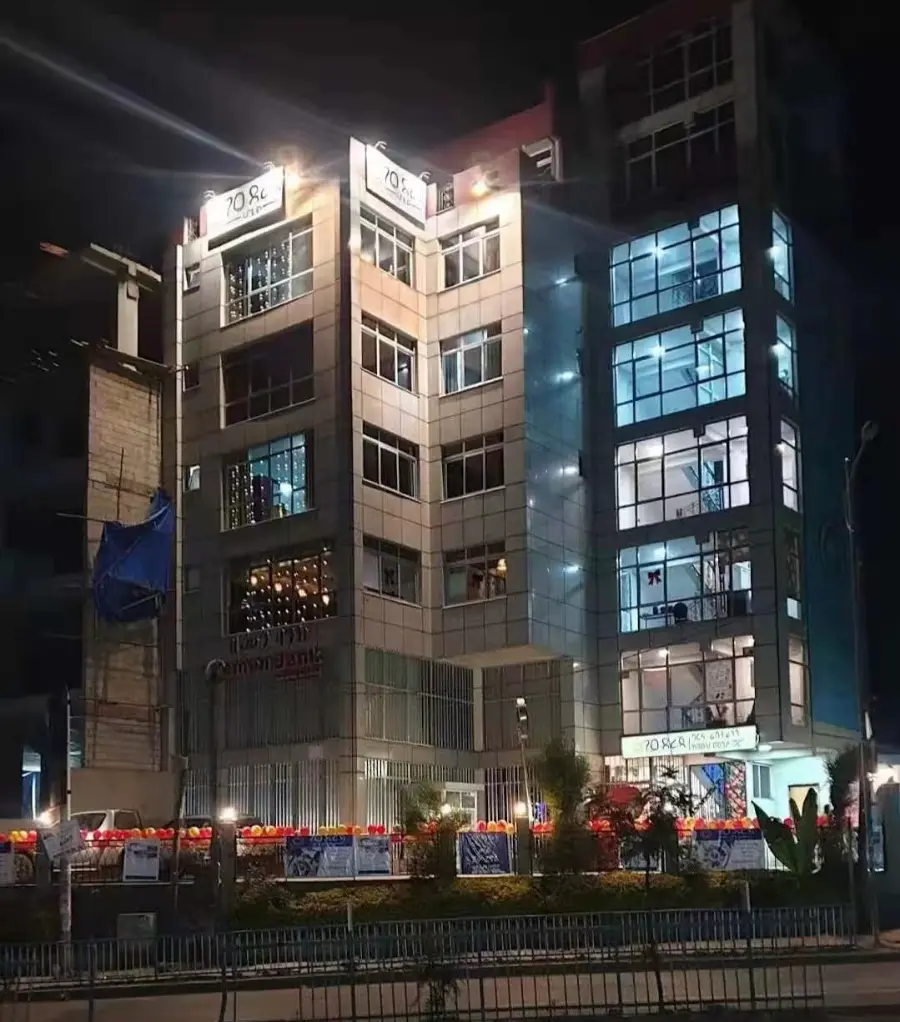
In 2024, I revisited Addis Ababa due to work.
I made a special trip by car to the village where Abreham had founded the school back then. Seventeen years have passed, yet the “Light of Tomorrow” school is still standing—its buildings have expanded from the original two mud-brick classrooms into a sprawling complex of red-roofed, white-walled structures.
As evening fell, I stood outside the school gate, watching the lights come on in the classrooms—lights that were still powered by the same compact substation Abreham had installed years ago.
The principal told me that Abreham passed away in 2015. During his lifetime, he invested all of the school’s profits into the school itself and didn’t leave behind much property for himself. Today, the school has more than 600 children, half of whom attend free of charge. “The children can still see the words on the page clearly at night,” the principal said in broken but earnest English—his tone exactly the same as Abreham’s seventeen years ago. And the reason that school’s lights haven’t been turned off for 17 years is—
The compact substation that Abreham purchased back then—its supplier didn't cut corners by lowering quality just to undercut competitors, nor did they resort to malicious slander to undermine the rules. They simply stayed true to their principles and did exactly what a Chinese electrical engineer should do. Epilogue
Looking back on these 17 years, I often find myself thinking:
Abreham embodies the old Ethiopia—simple, honest, and socially responsible. When he purchased a compact substation, his only thought was to bring light to his child’s books. Representing Rockwill is Chen Chengming, the “last knight” among Chinese enterprises—a electrical engineer who has upheld his sense of responsibility and moral bottom line.
Meanwhile, companies J and K represent the newly arrived Chinese “cutthroat competitors”—but their competitive strategies are entirely different:
Company J’s price manipulation: Relying on low-bid wins coupled with substandard workmanship and material shortcuts, they’ve harmed themselves, cheated homeowners, and dragged an entire domestic industrial chain ecosystem down with them. Company K’s deceptive practices: It doesn’t engage in maliciously low pricing, but instead uses unfair tactics such as malicious defamation, false accusations, and incitement to undermine the fair competition baseline of the industry, thereby jeopardizing the livelihoods of the entire Chinese electrical industry in Ethiopia.
Perhaps, this is the true cost of “rat race”
The company J-style roll-over drains the health of the industrial chain;
The company K-style practice of hoarding undermines the bottom line of fair competition in China’s electrical industry. When these two factors are combined, what’s being depleted is Chinese companies’ ticket to enter overseas markets for the next several decades. Electricity is a form of trust. If you lose trust, you lose your future.
As Chinese electrical engineers, we represent not just a single company, but the entire image of China’s electrical industry—we must uphold our responsibilities and adhere to ethical boundaries. Fortunately, there are still electrical engineers like Rockwill who are keeping the last light burning for “Made in China.”
The lights of Addis Ababa are still shining. Illuminating them are Abreham’s original aspirations, Rockwill’s unwavering commitment, and that promise made one afternoon in 2007
Let poor children be able to see the words on the page clearly, even at night.








 Login
Login