• Product
  • Suppliers
  • Manufacturers
  • Solutions
  • Free tools
  • Knowledges
  • Experts
  • Communities
Search


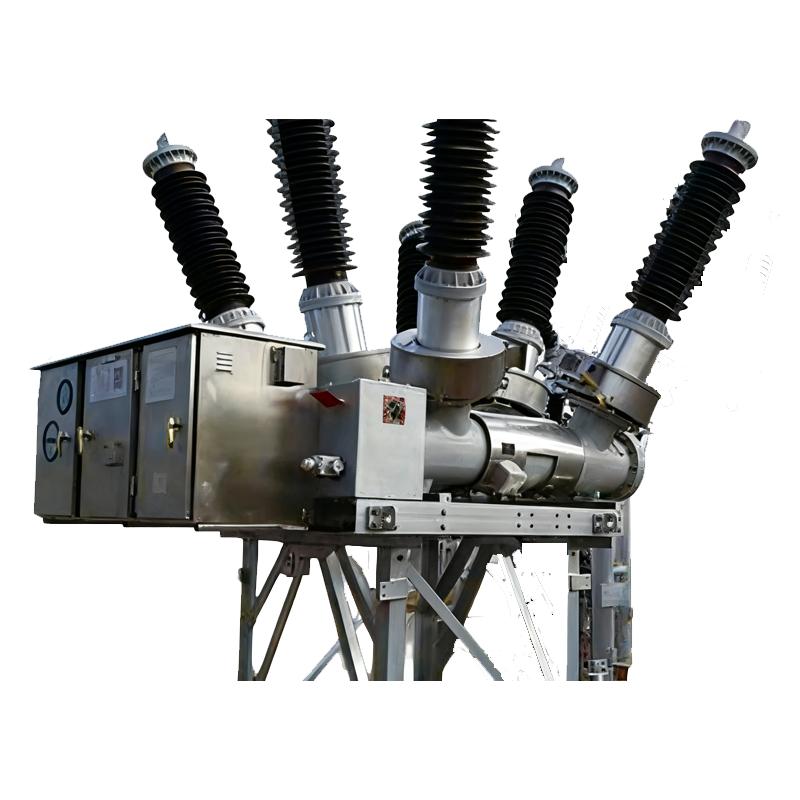
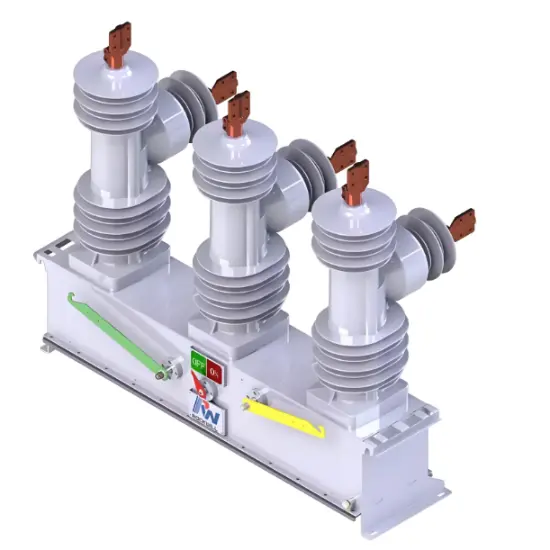
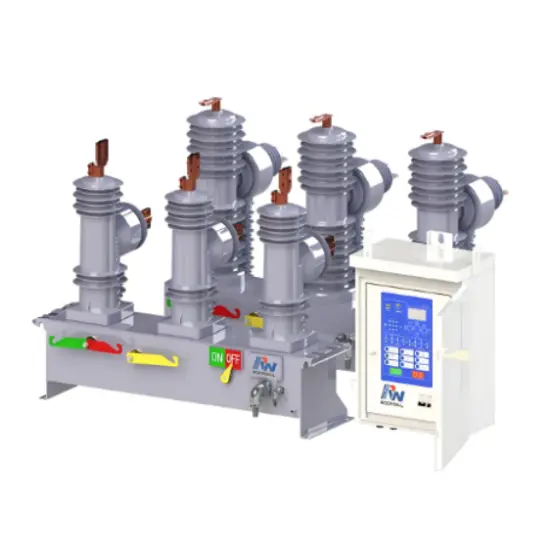
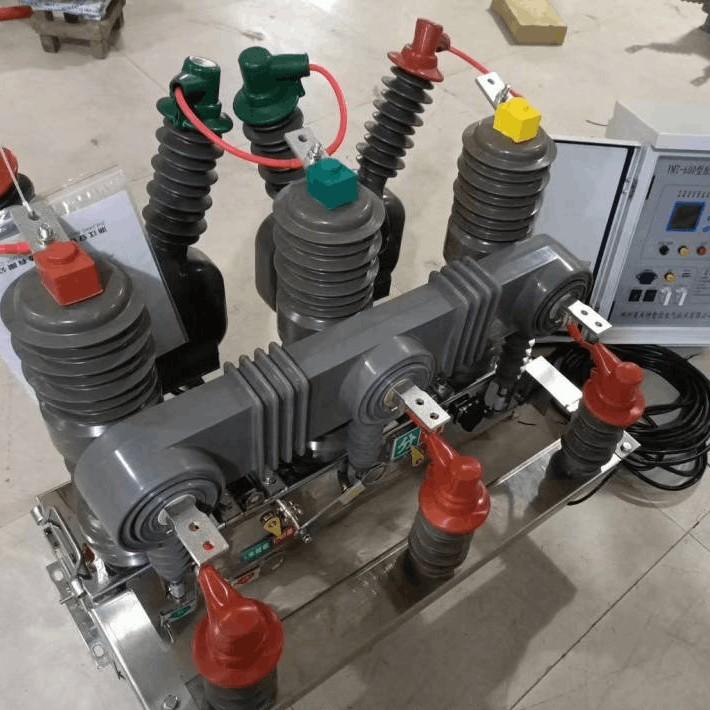
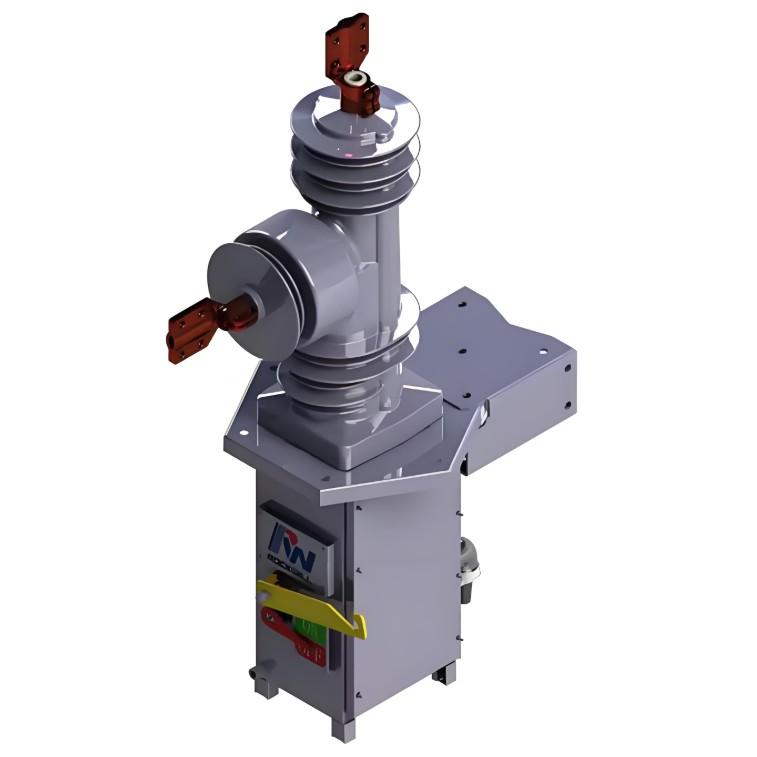
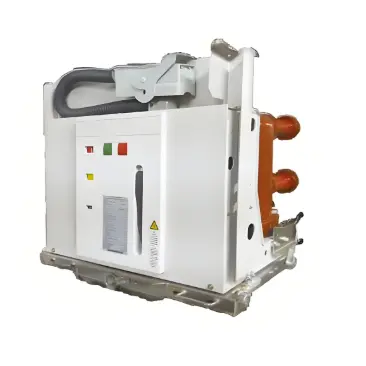
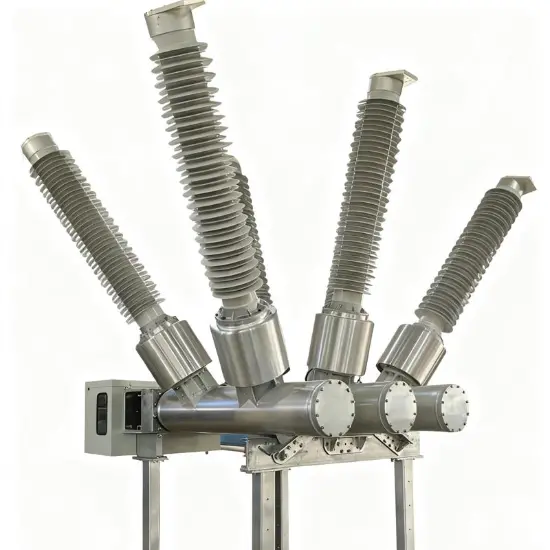
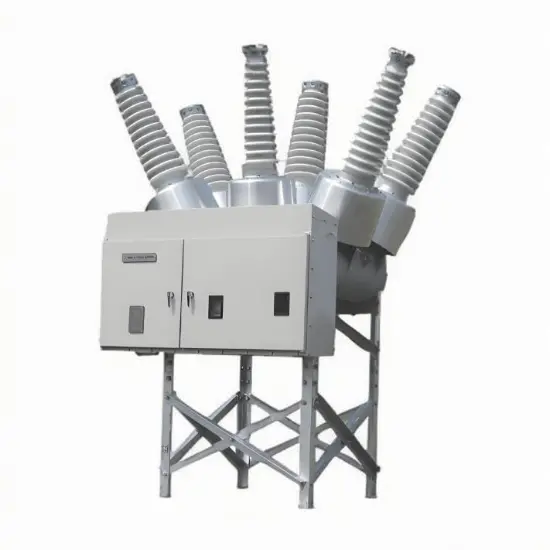
120kV 168kV 204 kV Tank Type Vacuum Circuit Breaker(VCB)

  • 120kV 168kV 204 kV Tank Type Vacuum Circuit Breaker(VCB)

Key attributes

Brand ROCKWILL
Model NO. 120kV 168kV 204 kV Tank Type Vacuum Circuit Breaker(VCB)
Rated voltage 204kV
Rated normal current 2000A
Rated frequency 50/60Hz
Series VBO

Product descriptions from the supplier

Description

Description

The 120kV, 168kV, and 204kV Tank Type Vacuum Circuit Breakers (VCBs) are high-voltage power switching solutions engineered for robust performance across medium-voltage power transmission and distribution networks. Designed with a sealed tank structure (tank type) to encapsulate core components, these VCBs leverage vacuum interrupters for reliable arc extinction, ensuring safe and efficient current interruption in medium-to-high voltage systems.

Ideal for utility substations, industrial power grids, and renewable energy integration projects (such as wind and solar farms), these breakers cover a versatile voltage range to meet diverse grid requirements. Their tank-type design enhances insulation stability and environmental resistance, while vacuum technology eliminates the need for greenhouse gases like SF₆, aligning with global low-carbon initiatives. Whether deployed in harsh outdoor environments or compact indoor substations, they deliver consistent operation, long service life, and reduced lifecycle costs, making them a sustainable choice for modern power infrastructure.

Product Features

Environmentally-friendly and excellent anti-seismic performance circuit breaker.Because a vacuum interrupter (VI) is used in the breaking part, it has an excellent breaking performance and there is no gas decomposition by current breaking. A bushing current transformer (BCT) can be built into the tank. This reduces the footprint space. It does not require the inspection of the breaking part by opening. It can realize the maintenance cost saving. It also reduced the required SF6 gas amount down to about 1/3 compared with that of gas circuit breaker (GCB).

  • Excellent breaking performance through vacuum insulation of the breaking part

  • Smaller footprint space by the adoption of built-in bushing CT (BCT)

  • It can save the maintenance cost since it does not require the inspection of breaking part by opening.

  • It can realize the life-cycle cost (LCC) reduction by approx. 40% compared with that of GCB

  • Excellent anti-seismic performance due to the low center of gravity

  • Environment-friendly type. It could reduce the the SF6 gas amount compared with that of GCB

Specifications

Rated voltage (kV)

120kV

168kV

204kV

Rated current (A)

1200

2000

1200

2000

1200

2000

Rated breaking current (kA)

31.5

31.5

 40

31.5

40

Rated opening time (s)

0.06 (5 cycles)

0.037

Rated interrupting time (cycles)

5/3

3

Operating duty

A (O - 1 min - CO - 3 min - CO), B (CO - 15 sec - CO), R (O - 0.35 sec - CO - 1 min - CO)

Closing time (s)

0.13

Rated closure operating voltage (V)

DC100

Rated motor voltage (V)

DC100

Insulation medium

SF6 gas

Rated gas pressure (MPa-g)

0.15 (20℃)

Operation system

Motor-charged spring

Applicable standards

JEC-2300 (1998)


Documentation Resource Library
Restricted
Dead Tank Circuit Breakers Catalog
Catalogue
English
Consulting
Consulting
FAQ for
Q: What is the difference between vacuum circuit breaker and SF6 circuit breaker?
A:
  1. Their core difference is arc-extinguishing media: Vacuum breakers use high vacuum (10⁻⁴~10⁻⁶Pa) for insulation and arc extinction; SF₆ breakers rely on SF₆ gas, which adsorbs electrons well to quench arcs.
  2. In voltage adaptation: Vacuum breakers fit medium-low voltages (10kV, 35kV; some up to 110kV), rarely 220kV+. SF₆ breakers suit high-ultra high voltages (110kV~1000kV), mainstream for ultra-high voltage grids.
  3. For performance: Vacuum breakers extinguish arcs fast (<10ms), have 63kA~125kA breaking capacity, suit frequent use (e.g., power distribution) with long life (>10,000 cycles). SF₆ breakers excel in stable large/inductive current breaking but work less frequently, needing insulation recovery time post-extinction.
  4. Compared to SF6 gas circuit breakers, vacuum circuit breakers can achieve zero greenhouse gas emissions and are more environmentally friendly because the arc extinguishing device does not contain any gas
Q: What are the leakage rate requirements for the arc quenching chamber of a tank-type circuit breaker?
A:

The leakage rate of SF₆ gas must be controlled at an extremely low level, typically not exceeding 1% per year. SF₆ gas is a potent greenhouse gas, with a greenhouse effect 23,900 times that of carbon dioxide. If a leak occurs, it can not only cause environmental pollution but also lead to a decrease in the gas pressure within the arc quenching chamber, affecting the performance and reliability of the circuit breaker.

To monitor the leakage of SF₆ gas, gas leakage detection devices are typically installed on tank-type circuit breakers. These devices help to promptly identify any leaks so that appropriate measures can be taken to address the issue.

Q: What are the structural characteristics of the tank circuit breaker?
A:

Integral Tank Structure:

  • Integral Tank Structure: The breaker's arc quenching chamber, insulating medium, and related components are sealed within a metal tank filled with an insulating gas (such as sulfur hexafluoride) or insulating oil. This forms a relatively independent and sealed space, effectively preventing external environmental factors from affecting the internal components. This design enhances the insulation performance and reliability of the equipment, making it suitable for various harsh outdoor environments.

Arc Quenching Chamber Layout:

  • Arc Quenching Chamber Layout: The arc quenching chamber is typically installed inside the tank. Its structure is designed to be compact, enabling efficient arc quenching within a limited space. Depending on different arc quenching principles and technologies, the specific construction of the arc quenching chamber may vary, but generally includes key components such as contacts, nozzles, and insulating materials. These components work together to ensure that the arc is quickly and effectively extinguished when the breaker interrupts the current.

Operating Mechanism:

  • Operating Mechanism: Common operating mechanisms include spring-operated mechanisms and hydraulic-operated mechanisms.

  • Spring-Operated Mechanism: This type of mechanism is simple in structure, highly reliable, and easy to maintain. It drives the opening and closing operations of the breaker through the energy storage and release of springs.

  • Hydraulic-Operated Mechanism: This mechanism offers advantages such as high output power and smooth operation, making it suitable for high-voltage and high-current class breakers.
Know your supplier
Online store
On-time delivery rate
Response time
100.0%
≤4h
Company overview
Workplace: 108000m²m² Total staff: 700+ Highest Annual Export(usD): 150000000
Workplace: 108000m²m²
Total staff: 700+
Highest Annual Export(usD): 150000000
Services
Business Type: Design/Manufacture/Sales
Main Categories: High Voltage Electrical Apparatus/Electric transformer
Whole life care manager
Whole-life care management services for equipment procurement, use, maintenance, and after-sales, ensuring safe operation of electrical equipment, continuous control, and worry-free electricity consumption.
The equipment supplier has passed platform qualification certification and technical evaluation, ensuring compliance, professionalism, and reliability from the source.

Related Products

Related Knowledges

  • A Brief Discussion on the Issues of Converting Reclosers into Outdoor Vacuum Circuit Breakers for Use
    The rural power grid transformation plays an important role in reducing rural electricity tariffs and accelerating rural economic development. Recently, the author participated in the design of several small-scale rural power grid transformation projects or conventional substations. In rural power grid substations, conventional 10kV systems mostly adopt 10kV outdoor auto circuit vacuum reclosers.To save investment, we adopted a scheme in the transformation that removes the control unit of the 10
    12/12/2025
  • A Brief Analysis of Automatic Circuit Recloser in Distribution Feeder Automation
    An Automatic Circuit Recloser is a high-voltage switching device with built-in control (it inherently possesses fault current detection, operation sequence control, and execution functions without requiring additional relay protection or operating devices) and protective capabilities. It can automatically detect the current and voltage in its circuit, automatically interrupt fault currents according to inverse-time protection characteristics during faults, and perform multiple reclosures accordi
    12/12/2025
  • Recloser Controllers: Key to Smart Grid Reliability
    Lightning strikes, fallen tree branches, and even Mylar balloons are enough to interrupt current flow on power lines. That’s why utility companies prevent outages by equipping their overhead distribution systems with reliable recloser controllers.In any smart grid environment, recloser controllers play a critical role in detecting and interrupting transient faults. Although many short circuits on overhead lines can resolve themselves, reclosers help improve service continuity by automatically re
    12/11/2025
  • Application of Fault Diagnosis Technology for 15kV Outdoor Vacuum Automatic Circuit Reclosers
    According to statistics, the vast majority of faults on overhead power lines are transient, with permanent faults accounting for less than 10%. Currently, medium-voltage (MV) distribution networks commonly employ 15 kV outdoor vacuum automatic circuit reclosers in coordination with sectionalizers. This setup enables rapid restoration of power supply after transient faults and isolates faulty line segments in the event of permanent faults. Therefore, it is essential to monitor the operational sta
    12/11/2025
  • Application of 10kV Reclosers and Sectionalizers in Rural Distribution Networks
    1 Current Grid StatusWith the continuous deepening of rural power grid transformation, the health level of rural grid equipment is constantly improving, and power supply reliability basically meets user needs. However, regarding the current grid status, due to funding constraints, ring networks have not been implemented, dual power supplies are unavailable, and lines adopt a single radial tree-like power supply method. This resembles a tree trunk with many branches—meaning the lines have numerou
    12/11/2025
  • What’s the Difference Between a Recloser and a Pole-Mounted Breaker?
    Many people have asked me: “What’s the difference between a recloser and a pole-mounted circuit breaker?” It’s hard to explain in one sentence, so I’ve written this article to clarify. In fact, reclosers and pole-mounted circuit breakers serve very similar purposes—they are both used for control, protection, and monitoring on outdoor overhead distribution lines. However, there are significant differences in the details. Let’s examine them one by one.1.Different MarketsThis may be the biggest dis
    11/19/2025

Related Solutions

  • Smart Grid-Ready 12kV Indoor Vacuum Circuit Breaker Solutions for Central & South Asia
    Ⅰ. Central Asia Market Characteristics​1. Significant Power System Disparities with Prominent Aging Equipment​​Kazakhstan & Uzbekistan: Grid equipment exceeds operational lifespan (70%-80% aging in Kazakhstan; ~1/3 of low-voltage grids in Uzbekistan overdue), leading to high transmission losses (notably in Kazakhstan’s 12kV distribution networks).​Tajikistan: Fragile transmission networks suffer 20% energy loss. ​Turkmenistan​ faces inefficient grids and severe equipment degradation.​2
    06/11/2025
  • 12kV Indoor Vacuum Circuit Breaker Southeast Asia Solution: Anti-Corrosion Compact Design
    12kV Indoor Vacuum Circuit Breaker Southeast Asia Solution: Anti-Corrosion Compact DesignⅠ. Executive Summary​Southeast Asia faces rapidly growing electricity demand alongside environmental challenges including high temperatures, humidity, salt spray corrosion, and grid instability. This solution recommends ​Solid Insulated Pole-Mounted Vacuum Circuit Breakers (VCB)​​ featuring ​high reliability, ​compact design, and ​smart monitoring. Tailored for tropical climates and industrial scenarios, it
    06/10/2025
  • Intelligent Operation Solution for 12kV Vacuum Circuit Breakers: Integrating Real-time Monitoring & Lifetime Optimization
    Ⅰ. Equipment Operation & MaintenanceIntelligent Monitoring System Integration​Multi-parameter Real-time Monitoring: Embedded sensors (temperature, displacement, Hall effect current sensors) track contact temperature rise, mechanical characteristics (opening/closing speed, overtravel), coil current, and partial discharge signals. Data undergoes preprocessing via edge computing prior to cloud upload.​Lifetime Prediction Model: Dynamically evaluates remaining lifespan using electrical wear data
    06/10/2025
Haven't found the right supplier yet? Let matching verified suppliers find you. Get Quotation Now
Haven't found the right supplier yet? Let matching verified suppliers find you.
Get Quotation Now
Send inquiry
+86
Click to upload file
Download
Get the IEE Business Application
Use the IEE-Business app to find equipment, obtain solutions, connect with experts, and participate in industry collaboration anytime, anywhere—fully supporting the development of your power projects and business.