| Brand | Rw Energy |
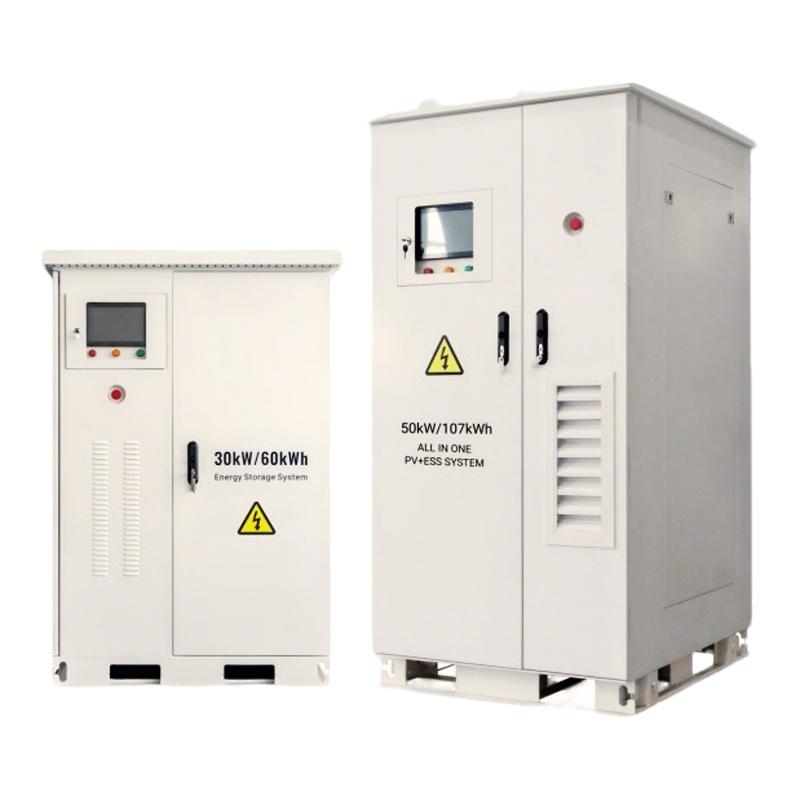
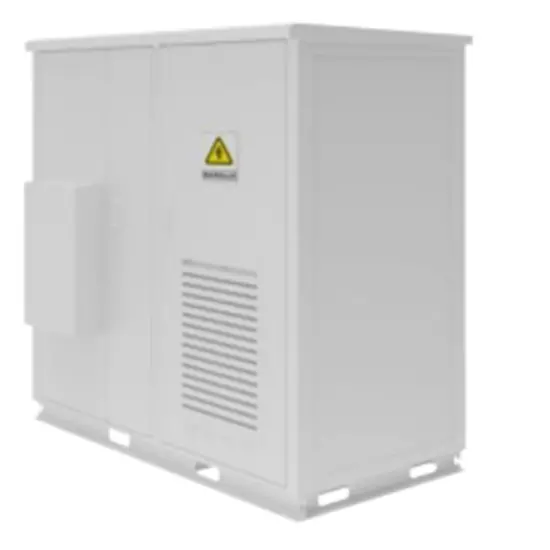
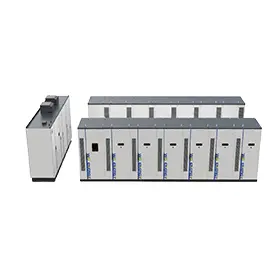
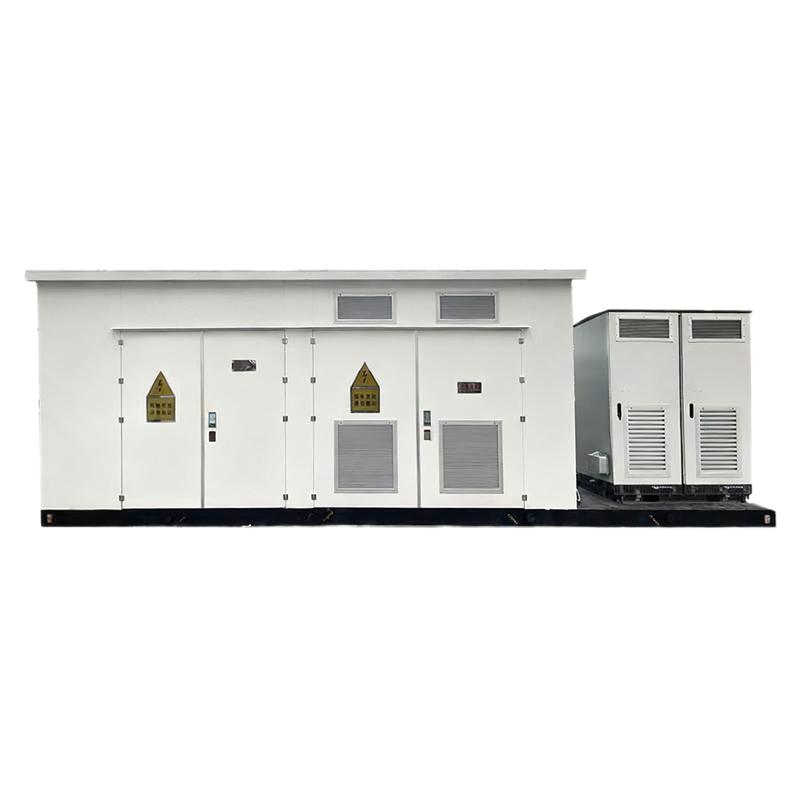
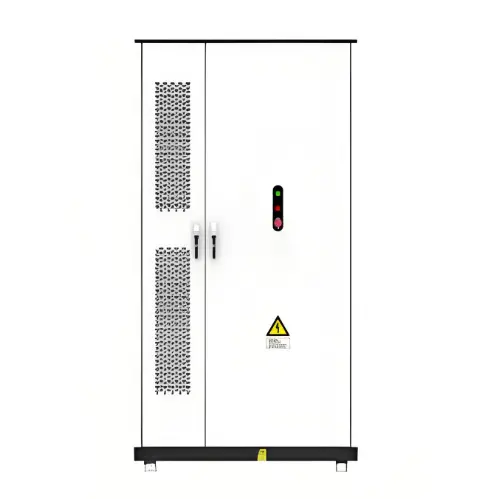
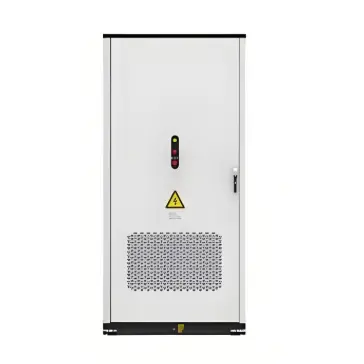
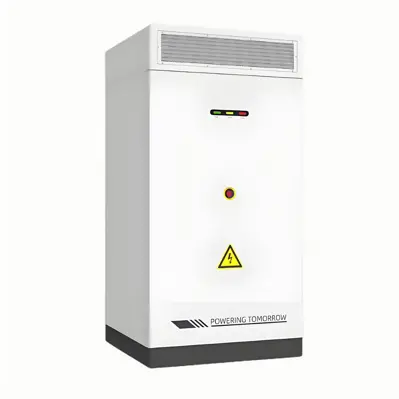
| Model NO. | 107kWH-232kWH Box integrated Energy Storage System(ESS) |
| Cooling mode | Forced air cooling |
| Rated Output Rating | 100kw |
| Energy storage capacity | 215kWh |
| Series | JASS |
The equipment features energy efficiency, small space occupation, high energy density, and strong environmental adaptability, with particularly outstanding performance in terms of energy conservation. The energy storage system is integrated with components such as cabinets, industrial air conditioners, PCS converters, EMS (Energy Management System), BMS (Battery Management System), lithium battery clusters, energy storage high-voltage boxes, fire protection systems, electrical systems, and safety auxiliary systems.
System suppliers all adopt first-line brand integration, ensuring quality. With PACK + cabinet multiple fire protection, the system is safer. The air-cooled/liquid-cooled system has strong adaptability, high compatibility, flexible deployment, convenient wiring, and more convenient safety.
Peculiarity
Modular energy storage converter parallel design concept, improve system stability, easy installation and maintenance, easy expansion.
Battery pack is replaceable, can be adapted to a variety of batteries, for different batteries to achieve different charging and discharging strategies; Low operation and maintenance cost.
Energy scheduling can be regulated, and users can change the charge and discharge logic according to the power consumption policy of different periods in the region.
Power factor can be adjustable, can achieve active power, reactive power independent control, to meet the needs of different loads.
Energy balance management controller is used to refine the energy management of the energy storage system to the battery PACK level.
Battery PACK level energy balance management controller to avoid capacity loss caused by mismatch.
Support the mix of old and new batteries, so that recharge phased deployment.
Outdoor modular energy storage converter cabinet design, high power density, easy maintenance.
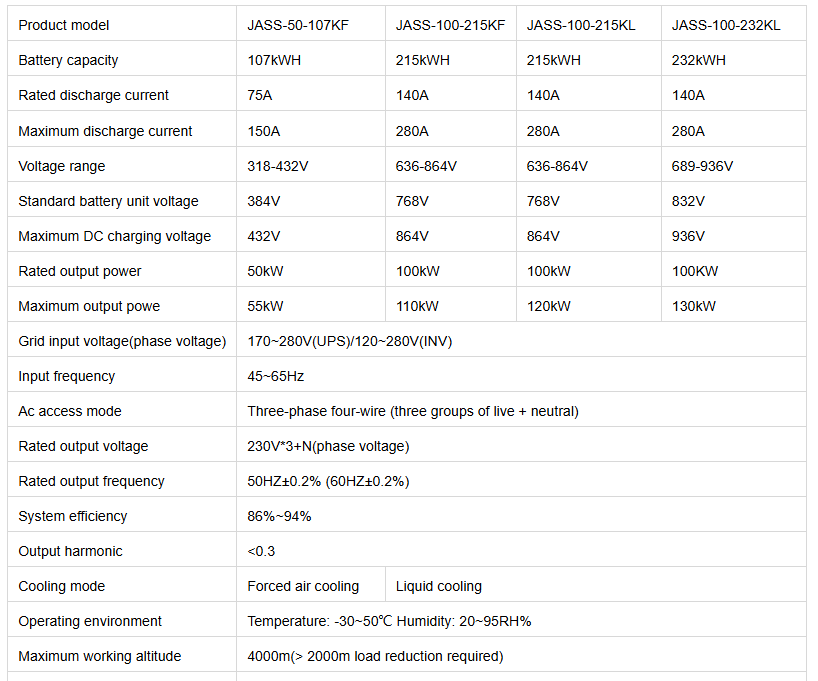
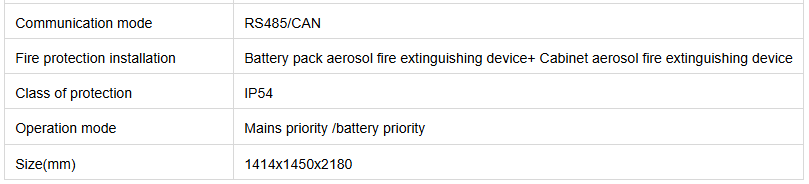
Technical parameter
Application scenarios
Peak-shaving and valley-filling for industrial and commercial use
Value points: Large capacity of 232kWh, which can store electricity at night when electricity prices are low and release it during peak hours in the daytime, reducing enterprises' electricity expenses (with a price difference of 0.5 yuan per kWh, the annual electricity cost saving is about 100,000 yuan); box-type integrated design, no debugging required, deployment can be completed in 3 days, without affecting factory production.
Emergency backup power supply on the grid side
Value points: Supports off-grid switching within 10 seconds (referring to the technology of the same brand), 107kWh capacity can support emergency power supply for key equipment in substations and data centers for 4-6 hours; IP54 protection (speculated to be the standard of the same brand), strong weather resistance for outdoor deployment, coping with extreme weather such as heavy rain and high temperature.
Supporting integration of wind, solar and storage
Value points: Can be linked with 10MW-level photovoltaic/wind farms to store intermittent wind and solar energy and stabilize output fluctuations; modular design supports parallel connection of multiple units (for example, 2 units of 232kWh can meet the demand of 464kWh), adapting to the capacity expansion of new energy projects.
Identify short-circuit situations.
Current detection:The BMS identifies short-circuit conditions by continuously monitoring the current changes of the battery pack. When an abnormally high current is detected, a short circuit may have occurred.
Voltage monitoring:In the case of a short circuit, the voltage of the affected battery cell or the entire battery pack may suddenly drop. The BMS identifies this abnormal situation through vltage monitoring.
Temperature monitoring:A short circuit will cause a sharp rise in local temperature. The BMS detects abnormal temperature rises through temperature sensors to determine whether a short circuit has occurred.
Implement protection measures.
Cut off power supply:When a short circuit is detected, the BMS will immediately cut off the connection between the battery pack and the external circuit through relays or switches to prevent the current from continuing to flow and avoid excessive discharge or heating of the battery.
Alarm and record:Trigger the alarm system to send a warning signal to the operator and record relevant information such as the time and location of the short circuit occurrence for subsequent investigation and handling.
Isolate faulty units:If the short circuit occurs in a certain battery cell rather than the entire battery pack, the BMS can isolate the cell to prevent it from affecting other normal battery cells.
Yes, the whole machine is pre installed and pre debugged, and only requires wiring and communication configuration on site. It can be put into operation within 3 days without affecting the normal production of the factory.
Charging at low valley electricity prices (such as 0.3 yuan/kWh) at night and discharging during peak hours (such as 0.8 yuan/kWh) during the day, the 232kWh system saves about 100000 yuan in electricity costs per year (calculated based on a price difference of 0.5 yuan/kWh).
Supporting the replacement of various battery PACKs such as lithium iron phosphate and ternary batteries, BMS can adapt to different battery characteristics, develop differentiated charging and discharging strategies, and reduce operation and maintenance costs.








 Login
Login