1-30KW off-gird wind power controller
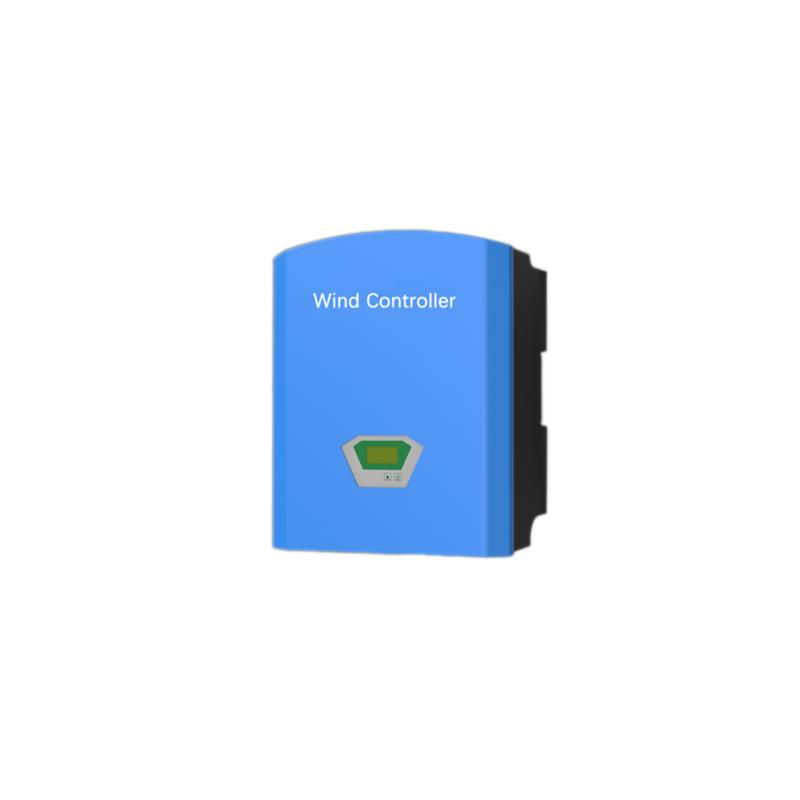
Key attributes
| Brand | Wone Store |
| Model NO. | 1-30KW off-gird wind power controller |
| Input Voltage | DC240V |
| Power | 5KW |
| Series | WW |
Product descriptions from the supplier
Features
Can be applied to grid-tied system, off-grid system and grid-tied energy storage system.
R5232/RS485/RJ45/GPRS/Bluetooth/Zigbee optional.
MPPT power curve settable
protection function Standard
MODBUS protocol optional
Applications
independent wind power plant&independent household wind power generation system
Power supply for those unmanned regions like mobile communication station, high way, thecoastal islands,remote mountainous regions and border posts.
Regional research projects, government demonstration projects, landscape lighting projects forthose places with insufficient power or power shortages.
Technology Parameters
Model |
WW10 - 48 - 48 |
WW20 - 48 - 48 |
WW20 - 48 - 240 |
WW30 - 48 - 240 |
WW30 - 120 - 120 |
WW30 - 240 - 240 |
WW50 - 240 - 240 |
Type |
Boost |
Boost |
Buck |
Buck |
Boost |
Buck |
|
Rated input power |
1kW |
2kW |
3kW |
5kW |
|||
Rated input voltage |
56VDC |
56VDC |
280VDC |
280VDC |
280VDC |
280VDC |
280VDC |
Input voltage range |
12 ~ 64Vdc |
12 ~ 64VDC |
60 ~ 320VDC |
60~320VDC |
30~160VDC |
60~320VDC |
60~320VDC |
Rated input current |
21Adc |
42A |
9A |
13A |
25A |
13A |
9A |
Brake by hand |
Keep press the button for 5s to unload completely, and then recover by hand. |
||||||
Switch “ON” the brake switch |
|||||||
Brake by over current |
25A (factory default, 0~25A settable). |
50A (factory default, 0~50A settable) |
10A (factory default, 0~10A settable |
15A (factory default, 0~15A settable) |
30A (factory default, 0~30A settable) |
15A (factory default, 0~15A settable) |
10A (factory default, 0~10A settable) |
Brake by overvoltage |
Refer to "output overvoltage" control |
320VDC (factory default,220V~320VDC settable)PWM unload step by step once reached the set unload voltage, and it will unload completely if the voltage rise 20V more. |
Refer to "output overvoltage" control |
320VDC (factory default,220V~320VDC settable)PWM unload step by step once reached the set unload voltage, and it will unload completely if the voltage rise 20V more. |
|||
Brake by over wind speed (optional) |
18m/s (0~30m/s settable). Unload completely when reached the set wind speed, and recover automatically after 10mins (and the speed should be less than 15m/s.) |
||||||
Brake by over rotational Speed (optional) |
500r/min (factory default, 0~1000r/min settable). Unload completely when reached the set rotational speed, and recover automatically after working 10mins. |
||||||
Charge Parameters (optional) |
|||||||
Rated battery voltage |
48VDC |
48VDC |
48VDC |
48VDC |
120VDC |
240VDC |
240VDC |
Temperature compensation function (optional) |
-3mV/°C/2V |
-3mV/°C/2V |
-3mV/°C/2V |
-3mV/°C/2V |
-3mV/°C/2V |
-3mV/°C/2V |
-3mV/°C/2V |
Rated output voltage |
48VDC |
48VDC |
48VDC |
48VDC |
120VDC |
240VDC |
48VDC |
Start unload voltage |
56VDC (factory default, 44V~64VDC settable) |
56VDC (factory default, 44V~64VDC settable) |
56VDC (factory default, 44V~64VDC settable) |
56VDC (factory default, 44V~64VDC settable) |
140VDC (factory default, 110V - 160VDC settable) |
280VDC (factory default, 220V - 320VDC settable) |
56V (factory default, 44V~64VDC settable) |
Complete unloaded voltage |
58VDC (factory default, add 2V to the start unload voltage) |
58VDC (factory default, add 2V to the start unload voltage) |
58VDC (factory default, add 2V to the start unload voltage) |
58VDC (factory default, add 2V to the start unload voltage) |
145VDC (factory defaulted add 5Vto the start unload |
290VDC (factory default, add 10V to the start unload voltage) |
58VDC (factory default, add 2V to the start unload voltage) |
Max. Output current |
21A |
21A |
21A |
42A |
25A |
13A |
105A |
General Parameters |
|||||||
Rectifier mode |
Uncontrolled rectifier |
||||||
Display mode |
LCD |
||||||
Display information |
DC output voltage, wind turbine voltage/current/power. |
||||||
For those with charge control function, Battery voltage is showed as well. |
|||||||
Monitoring mode (optional) |
RS232/RS485/RJ45/GPRS/ Bluetooth /Zigbee |
||||||
Monitoring Contents |
Real-time display: DC output voltage, wind turbine voltage/current/power. |
||||||
For those with charge control function, Battery voltage is showed as well. |
|||||||
Parameter setting: Output overvoltage point, wind turbine over current point, wind turbine start voltage, and wind turbine brake settings. |
|||||||
Lightning protection |
YES |
||||||
Conversion efficiency |
≥92% |
||||||
Static loss |
< 2W |
< 5W |
|||||
Ambient temperature |
-20℃ ~ +40℃ |
-20℃ ~ +40℃ |
|||||
Humidity |
5~95%, No condensing |
0~90%, No condensing |
|||||
Noise |
≤65dB |
||||||
Cooling mode |
Forced air cooling |
||||||
Installation mode |
Wall - mounted |
||||||
Cover protection class |
IP42 |
||||||
Product dimension (WHD) |
300x375x145mm |
300x375x145mm |
300x375x145mm |
360x430x191mm |
300x375x145mm |
300x375x145mm |
300x375x145mm |
Product net weight |
10kg |
10kg |
10kg |
13kg |
10kg |
10kg |
10kg |
Dump load dimension (WHD) |
360x80x120mm |
300x400x210mm |
300x400x210mm |
400x390x210mm |
400x390x210mm |
400x390x210mm |
400x390x210mm |
Dump load net weight |
2.8kg |
9kg |
9kg |
12kg |
12kg |
12kg |
9kg |
Note: Part of parameters can be adjusted according to customer's specific demand. |
|||||||

Related Products
-
100-600W high-performance wind-solar complementary controller
-
10-30kW Single-phase OFF-Grid Wind&Solar Hybrid Controller
-
10-30kW Three-phase OFF-Grid Wind&Solar Hybrid Controller
-
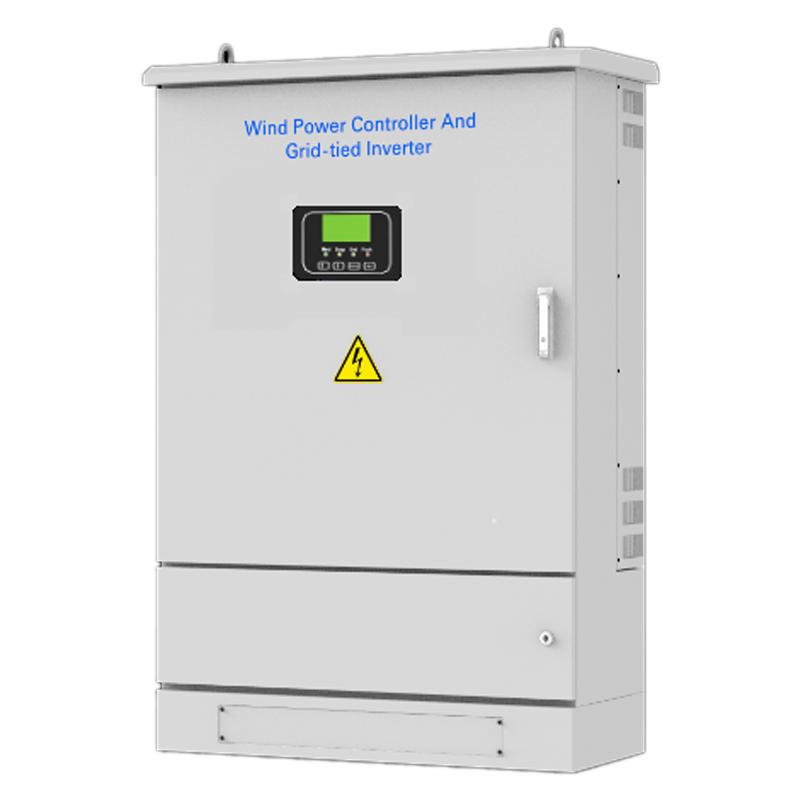
50KW ON/OFF Grid Wind Power controller
-
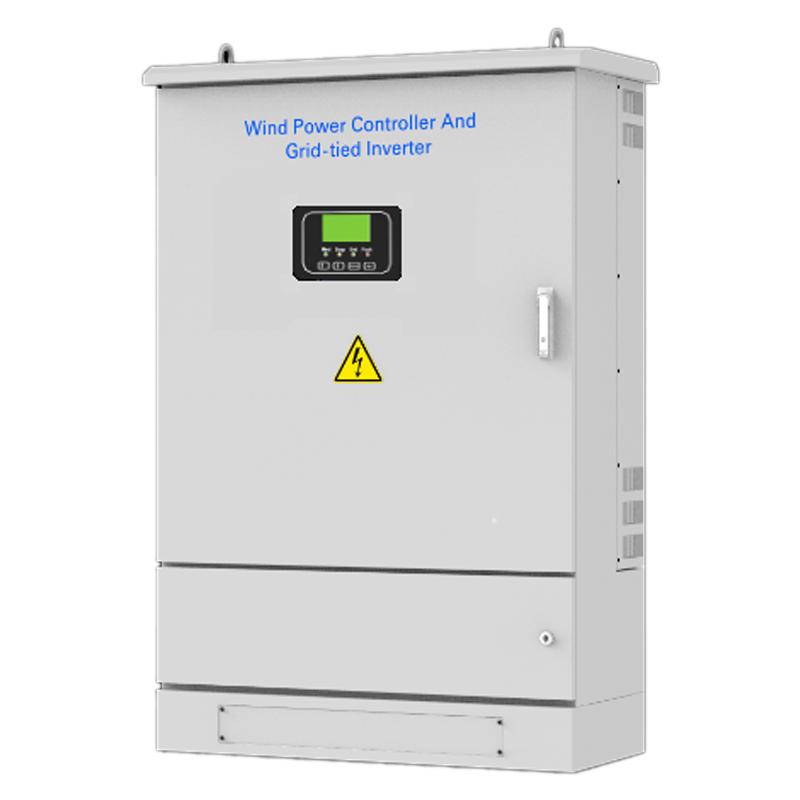
30KW ON/OFF Grid Wind Power controller
-
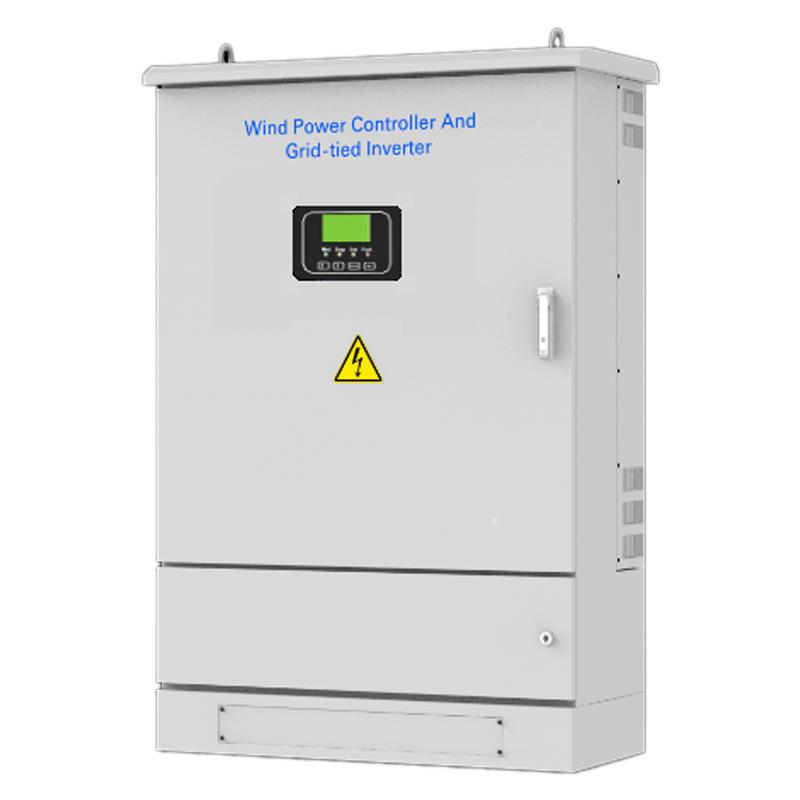
20KW ON/OFF Grid Wind Power controller
-
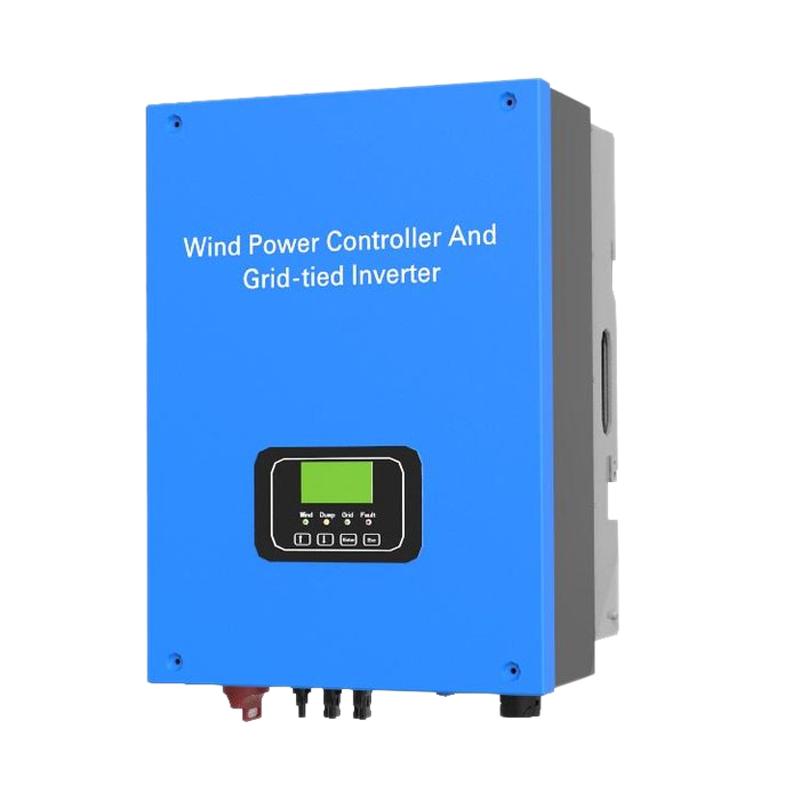
10KW ON/OFF Grid Wind Power controller
Related Knowledges
-
 HECI GCB for Generators – Fast SF6 Circuit Breaker1.Definition and Function1.1 Role of the Generator Circuit BreakerThe Generator Circuit Breaker (GCB) is a controllable disconnect point located between the generator and the step-up transformer, serving as an interface between the generator and the power grid. Its primary functions include isolating generator-side faults and enabling operational control during generator synchronization and grid connection. The operating principle of a GCB is not significantly different from that of a standard c01/06/2026
 -
 Distribution Equipment Transformer Testing, Inspection, and Maintenance1.Transformer Maintenance and Inspection Open the low-voltage (LV) circuit breaker of the transformer under maintenance, remove the control power fuse, and hang a “Do Not Close” warning sign on the switch handle. Open the high-voltage (HV) circuit breaker of the transformer under maintenance, close the grounding switch, fully discharge the transformer, lock the HV switchgear, and hang a “Do Not Close” warning sign on the switch handle. For dry-type transformer maintenance: first clean the porcel12/25/2025
 -
 How to Test Insulation Resistance of Distribution TransformersIn practical work, insulation resistance of distribution transformers is generally measured twice: the insulation resistance between thehigh-voltage (HV) windingand thelow-voltage (LV) winding plus the transformer tank, and the insulation resistance between theLV windingand theHV winding plus the transformer tank.If both measurements yield acceptable values, it indicates that the insulation among the HV winding, LV winding, and transformer tank is qualified. If either measurement fails, pairwise12/25/2025
 -
 Design Principles for Pole-Mounted Distribution TransformersDesign Principles for Pole-Mounted Distribution Transformers(1) Location and Layout PrinciplesPole-mounted transformer platforms should be located near the load center or close to critical loads, following the principle of “small capacity, multiple locations” to facilitate equipment replacement and maintenance. For residential power supply, three-phase transformers may be installed nearby based on current demand and future growth projections.(2) Capacity Selection for Three-Phase Pole-Mounted Tr12/25/2025
 -
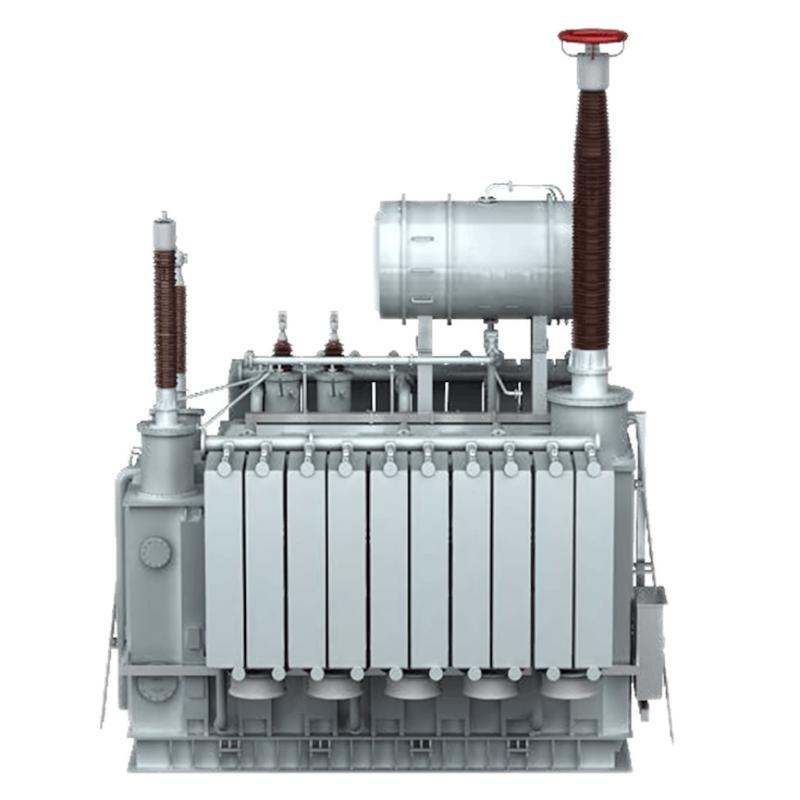 Transformer Noise Control Solutions for Different Installations1.Noise Mitigation for Ground-Level Independent Transformer RoomsMitigation Strategy:First, conduct a power-off inspection and maintenance of the transformer, including replacing aged insulating oil, checking and tightening all fasteners, and cleaning dust from the unit.Second, reinforce the transformer foundation or install vibration isolation devices—such as rubber pads or spring isolators—selected based on the severity of vibration.Finally, strengthen sound insulation at weak points of the ro12/25/2025
 -
 Risk Identification and Control Measures for Distribution Transformer Replacement Work1.Electric Shock Risk Prevention and ControlAccording to typical design standards for distribution network upgrades, the distance between the transformer’s drop-out fuse and the high-voltage terminal is 1.5 meters. If a crane is used for replacement, it is often impossible to maintain the required minimum safety clearance of 2 meters between the crane boom, lifting gear, slings, wire ropes, and the 10 kV live parts, posing a severe risk of electric shock.Control Measures:Measure 1:De-energize th12/25/2025
Related Solutions
-
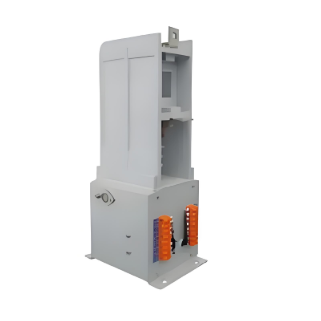 Dedicated Vacuum Contactor Solution for Port Shore Power SystemsI. Background and ChallengesShore power systems have become core technical equipment for ports to reduce carbon emissions and noise pollution. However, these systems face two major challenges in the harsh operational environment of ports:Severe Environmental Corrosion: High humidity and salt spray in port areas cause serious corrosion to metal components and enclosures of electrical equipment, significantly impacting electrical lifespan and operational reliability.High Switching Requirements:09/13/2025
 -
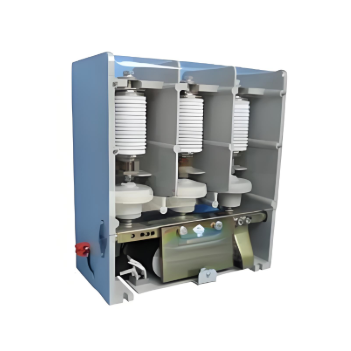 ABB Vacuum Contactor KC2 Power Supply System Technical Transformation PlanIssue OverviewThe 10kV air compressor starting system of a company utilizes the ABB vacuum contactor KC2 as the control component for the operating circuit. The dedicated wide-voltage power supply module paired with this contactor presents the following issues:Frequent failures: The power supply module fails to properly transition the voltage from 300V to 12V, resulting in fuse blowouts.Poor heat dissipation: Enclosed installation of the module leads to insufficient heat dissipation, acceler09/13/2025
 -
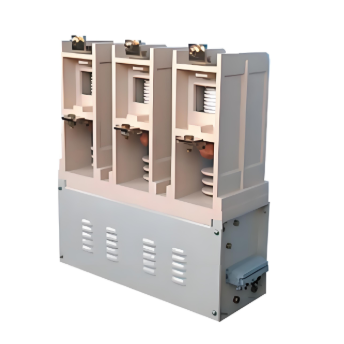 Solution for Medium-Voltage Motor Control and Protection Using Vacuum Contactor-Fuse (VCF) in a Coal Conveying System1.Project BackgroundA coal conveying system comprises 15 belt conveyors driven by medium-voltage motors. The system operates under complex conditions, with motors often subjected to heavy loads and frequent starts. To address these challenges and achieve effective control and reliable protection during motor startup, the project comprehensively adopts Vacuum Contactor-Fuse (VCF) combination devices for the 6kV medium-voltage motor power distribution. This solution details the technical features,09/13/2025






