• Product
  • Suppliers
  • Manufacturers
  • Solutions
  • Free tools
  • Knowledges
  • Experts
  • Communities
Search


Free Expert Guides on Power Systems, Circuit Design & Electrical Troubleshooting

Access free engineering resources from IEE Business—covering power design, circuit layout, equipment selection, and troubleshooting. Expert-developed guides help engineers, procurement, and project teams make better decisions. Stay ahead on smart grids, renewables, efficiency, and AI tools. Improve reliability, reduce downtime, and enhance outcomes with real-world solutions. Explore our knowledge hub today.
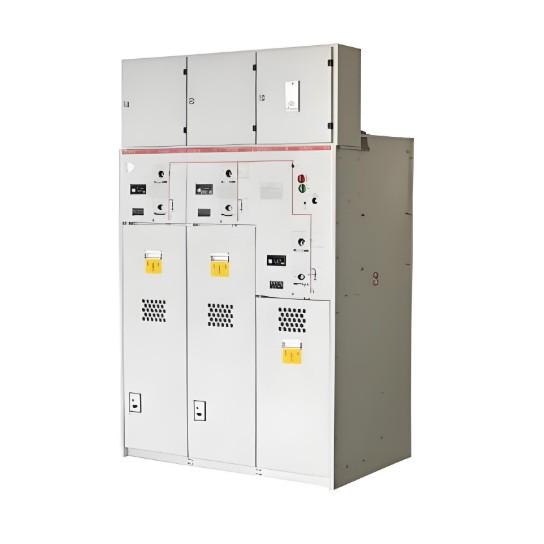
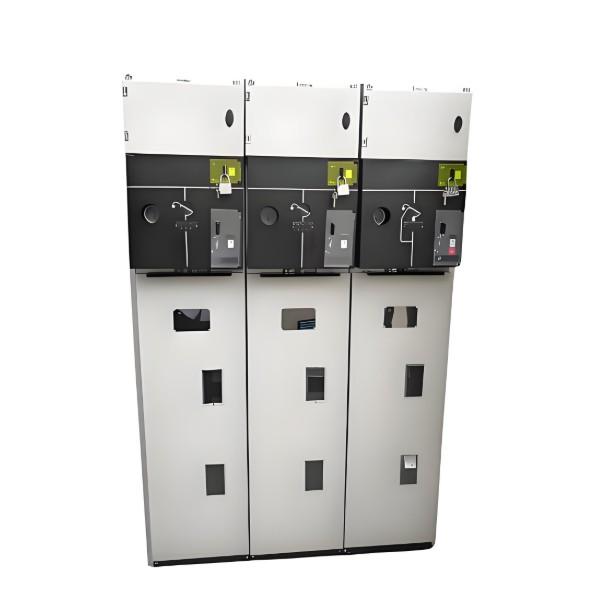
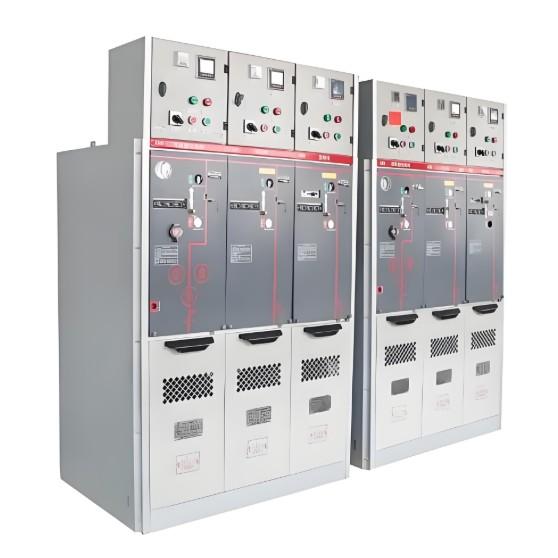
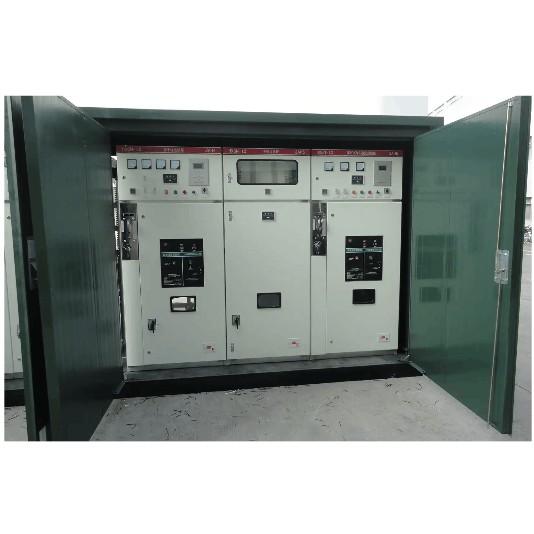
Why does a 2-in 4-out 10 kV solid-insulated ring main unit have two incoming feeder cabinets?
A "2-in 4-out 10 kVsolid-insulated ring main unit" refers to a specific type of ring main unit (RMU). The term "2-in 4-out" indicates that this RMU has two incoming feeders and four outgoing feeders.10 kVsolid-insulated ring main unit are equipment used in medium-voltage power distribution systems, primarily installed in substations, distribution stations, and transformer stations to distribute high-voltage power to low-voltage distribution networks. They generally consist of high-voltage incomi
12/10/2025
Consult
Tip
Consult
Tip
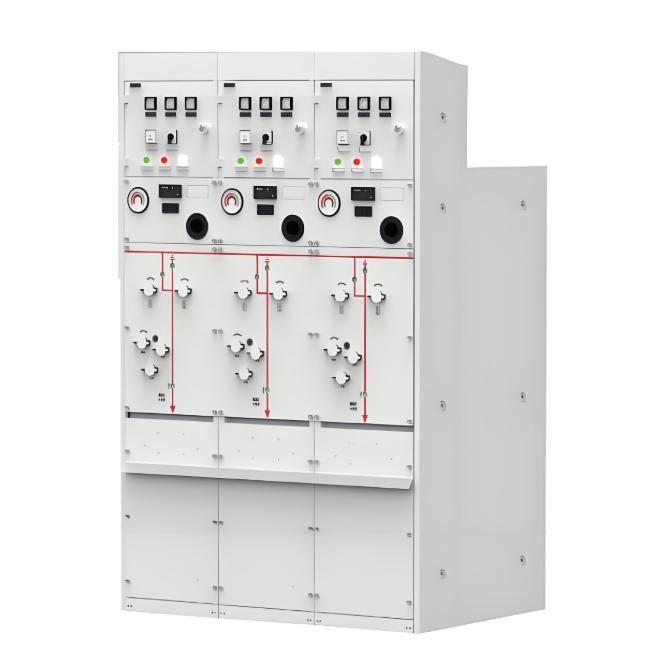
Research and Development Status of 12 kV SF6 Gas-Free Ring Main Unit
Gas insulation is primarily based on SF₆ gas. SF₆ has extremely stable chemical properties and exhibits excellent dielectric strength and arc-quenching performance, making it widely used in electrical power equipment. SF₆-insulated switchgear features a compact structure and small size, is unaffected by external environmental factors, and demonstrates exceptional adaptability.However, SF₆ is internationally recognized as one of the six major greenhouse gases. Leakage from SF₆-insulated switchgea
12/10/2025
Consult
Tip
Consult
Tip
Research on Arcing and Interruption Characteristics of Eco-Friendly Gas-Insulated Ring Main Units
Eco-friendly gas-insulated ring main units (RMUs) are important power distribution equipment in electrical systems, featuring green, environmentally friendly, and high-reliability characteristics. During operation, arc formation and interruption characteristics significantly affect the safety of eco-friendly gas-insulated RMUs. Therefore, in-depth research on these aspects is of great significance for ensuring the safe and stable operation of power systems. This article aims to investigate the a
12/10/2025
Consult
Tip
Consult
Tip
SF6 vs SF6 gas Free Ring Main Units: Key Differences
From the perspective of insulation performance, sulfur hexafluoride SF6 exhibits excellent insulating properties. Its dielectric strength is approximately 2.5 times that of air, effectively ensuring the insulation performance of electrical equipment under standard atmospheric pressure and ambient temperature. The new SF6 gas free gases used in SF6 gas-free switchgear—such as certain gas mixtures—can also meet insulation requirements, though their specific values vary depending on the formulation
12/10/2025
Consult
Tip
Consult
Tip
High-Voltage SF₆-Free Ring Main Unit: Adjustment of Mechanical Characteristics
(1) The contact gap is primarily determined by insulation coordination parameters, interruption parameters, contact material of the high-voltage SF₆-free ring main unit, and the design of the magnetic blowout chamber. In practical application, a larger contact gap is not necessarily better; instead, the contact gap should be adjusted as close as possible to its lower limit to reduce operating energy consumption and extend service life.(2) The determination of contact overtravel is related to fac
12/10/2025
Consult
Tip
Consult
Tip
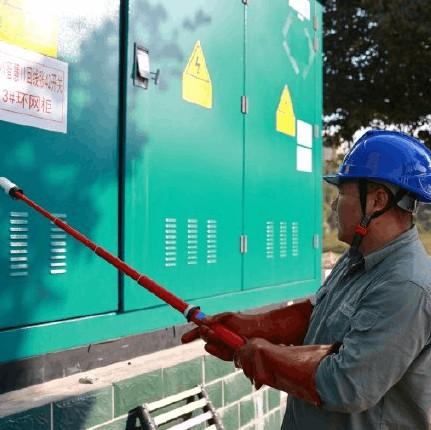
How to Monitor Partial Discharge in RMUs Safely?
Insulation degradation in power equipment is generally caused by multiple factors. During operation, insulation materials (such as epoxy resin and cable terminations) gradually deteriorate due to thermal, electrical, and mechanical stresses, leading to the formation of voids or cracks. Alternatively, contamination and moisture—such as dust or salt deposition or high-humidity environments—can increase surface conductivity, triggering corona discharge or surface tracking. Additionally, lightning s
12/09/2025
Consult
Tip
Consult
Tip
Smart RMU for Distribution Automation & Grid Control
Intelligent complete sets of electrical switchgear and intelligent controller products are essential components in the manufacturing of intelligent ring main units (RMUs). The intelligent integration of complete switchgear combines advanced manufacturing technologies with information technology, effectively enhancing the power grid’s capabilities in state awareness, data analysis, decision-making, control, and learning, thereby fully embodying the digital, networked, and intelligent development
12/09/2025
Consult
Tip
Consult
Tip
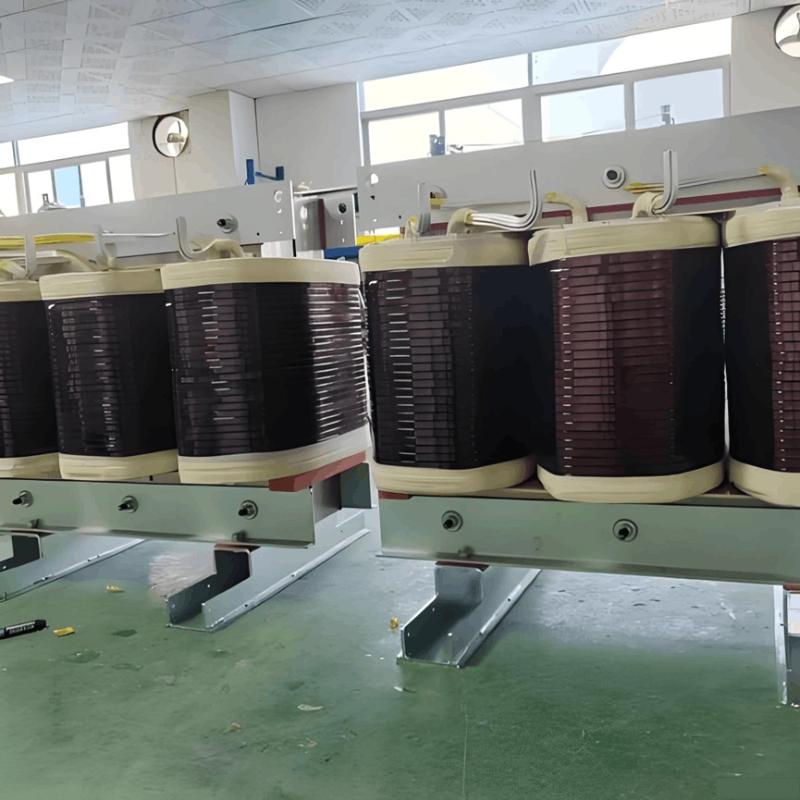
What Is a Magnetic Levitation Transformer? Uses & Future
In today’s rapidly advancing technological era, the efficient transmission and conversion of electric power have become continuous goals pursued across various industries. Magnetic levitation transformers, as an emerging type of electrical equipment, are gradually demonstrating their unique advantages and broad application potential. This article will thoroughly explore the application fields of magnetic levitation transformers, analyze their technical characteristics and future development tren
12/09/2025
Consult
Tip
Consult
Tip
How Often Should Transformers Be Overhauled?
1. Transformer Major Overhaul Cycle The main transformer shall undergo a core-lifting inspection before being put into service, and thereafter a core-lifting overhaul shall be performed every 5 to 10 years. Core-lifting overhaul shall also be carried out if a fault occurs during operation or if issues are identified during preventive tests. Distribution transformers operating continuously under normal load conditions may be overhauled once every 10 years. For on-load tap-changing transformers, t
12/09/2025
Consult
Tip
Consult
Tip
Low-Voltage Distribution Lines and Power Distribution Requirements for Construction Sites
Low-voltage distribution lines refer to the circuits that, through a distribution transformer, step down the high voltage of 10 kV to the 380/220 V level—i.e., the low-voltage lines running from the substation to the end-use equipment.Low-voltage distribution lines should be considered during the design phase of substation wiring configurations. In factories, for workshops with relatively high power demand, dedicated workshop substations are often installed, where transformers supply power direc
12/09/2025
Consult
Tip
Consult
Tip
Send inquiry
+86
Click to upload file
Download
Get the IEE Business Application
Use the IEE-Business app to find equipment, obtain solutions, connect with experts, and participate in industry collaboration anytime, anywhere—fully supporting the development of your power projects and business.