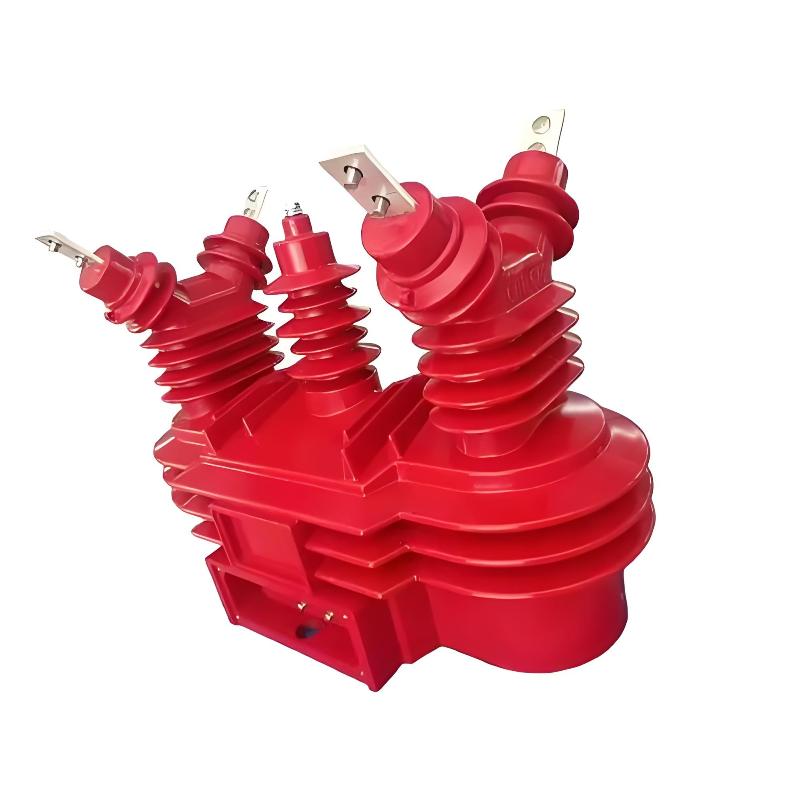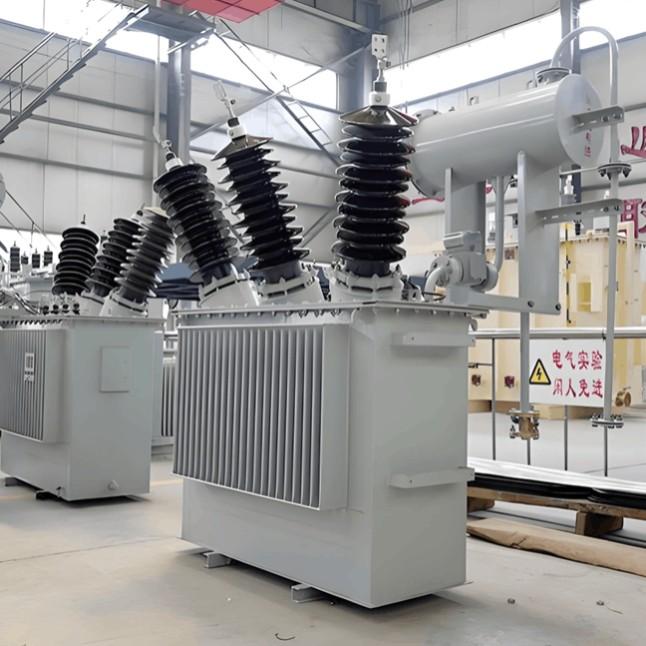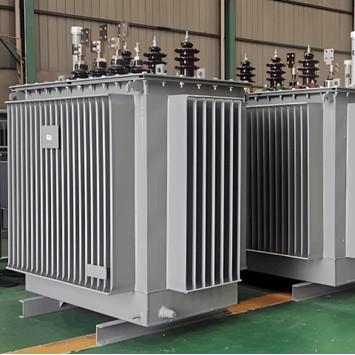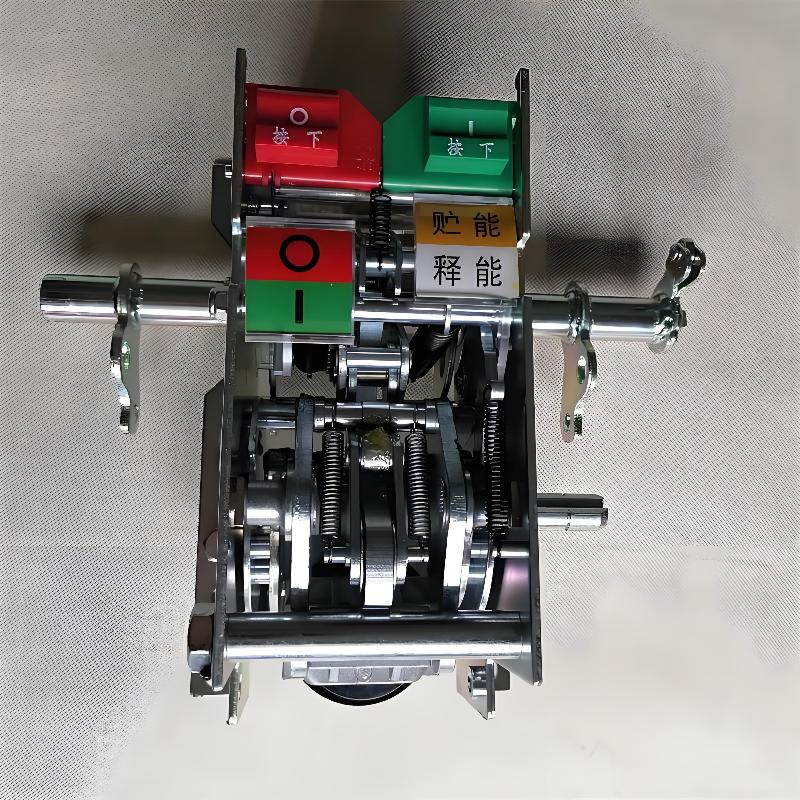
Ang kalidad sa pag-install sa combined instrument transformers direkta mohatag og epekto sa ilang pag-operate sa ligid ug stable. Busa, samtang ang proseso sa pag-install, dili mahimong gibag-oan ang pipila ka mga key aspects — sama sa foundation construction, grounding, sealing checks, testing ug commissioning, kasama na ang secondary wiring. Sumala, ipapahibalo ko niini sa mas informal nga paraan.
1. Ang Foundation Construction Dapat Matabang, Lalo Na Sa Plateau Areas
Bagamaog ang combined instrument transformer dili labi ka gawas, mahimong labi ka bantog — lalo na ang oil-immersed types, nga karaniwang may kaugalingong 100 kg o labi pa. Busa, human sa pag-install, ang base platform kinahanglan matabang ug level. Kasagaran, gigamit nato ang channel steel aron mabulag sa maayo ang base aron siguradohon nga ang transformer magtabok ug dili mag-tilt o mag-shake.
Sa plateau areas, diin ang klima ug geology espesyal — sama sa frozen ground, large temperature differences, ug potential subsidence — ang foundation construction kinahanglan daghan pang atensyon aron maprevent ang settlement. Ang density sa grounding grid dapat madaghan ngadto sa 50% kasagaran sa plains aron siguradohon ang maayo nga grounding performance.
Bisan pa, ang pipila ka areas prone sa earthquake. Tumong, ang pipila ka mga proyekto nagkinahanglan nga ang foundation makakapasa sa seismic intensity sa horizontal acceleration sa 0.25g ug vertical acceleration sa 0.125g. Sa mga kasagaran niini, ang foundation kinahanglan ibuhat aron makapasa sa seismic requirements — wala'y shortcut.
2. Ang Grounding Dili Pwede Gibag-oan, Lalo Na Sa Plateau Environments
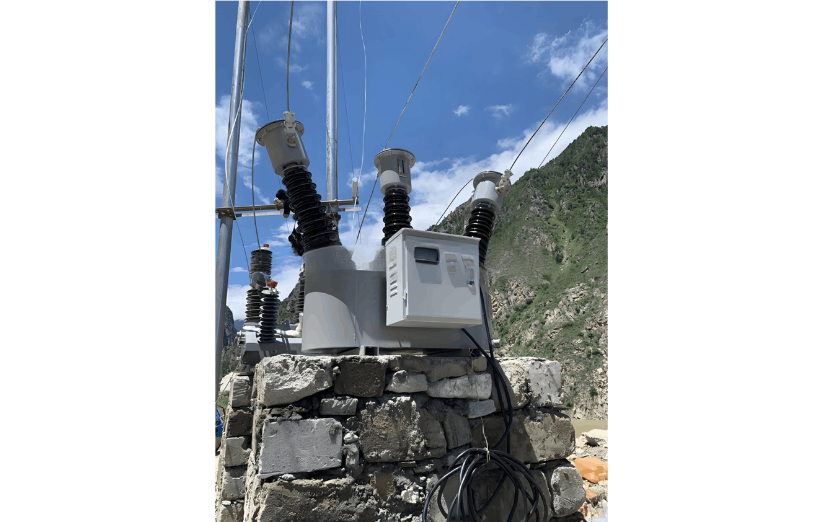
Ang grounding mahimong simple, apan labi ka importante — lalo na sa plateau areas. Ang grounding resistance sa combined instrument transformer kinahanglan kontrolon sa 5Ω sa ubos. Para sa neutral point grounding sa secondary winding, ang requirement mas strict — ang grounding resistance dapat ≤1Ω aron maprevent ang electromagnetic interference. Aron siguradohon ang reliable grounding, kasagaran gigamit nato ang copper-aluminum transition clamps, ug ang mga clamps dapat tinned aron maprevent ang oxidation ug poor contact. Sa panahon sa pag-install sa zero-sequence current transformers, pahibaloa sa ilang position:
Kon gi-install sa itaas sa cable sheath grounding lead, ang grounding wire pwede direkta iground.
Kon gi-install sa ubos, ang grounding wire kinahanglan mogdaan sa primary winding sa CT bago i-ground, ug ang bahin niining wire kinahanglan insulated aron maprevent ang effect sa measurement o causing safety issues.
3. Ang Sealing Inspection Kritikal Sa Plateau Installations
Sa plateau areas, diin ang low air pressure ug large temperature differences, ang sealing performance sa oil-immersed transformers gitest. Human sa pag-install, maayo nga check kon ang porcelain bushing ug flange screws tight, kon ang oil level normal, ug kon adunay visible oil leaks.
Para sa oil-immersed transformers, kasagaran gigamit nato ang sealing test pinaagi sa pressure testing pinaagi sa air o nitrogen — dry air o nitrogen iginject sa conservator bag o sa oil surface, ug pressure i-apply aron detecton ang leaks sa oil tank ug components. Kini nga proseso kinahanglan sigurohon nga mobaton sa national standards sama sa GB/T 6451 o GB/T 16274 aron siguradohon nga walay oil leakage.
Para sa dry-type transformers, bagamaog walay oil involved, ang moisture ug dust protection importante gihapon. Human sa pag-install, check kon ang silicone rubber housing intact, kon ang seams coated sa RTV anti-tracking coating, ug kon ang protection level reaches at least IP55, aron molambo sa harsh plateau environment — sama sa strong winds ug intense UV exposure.
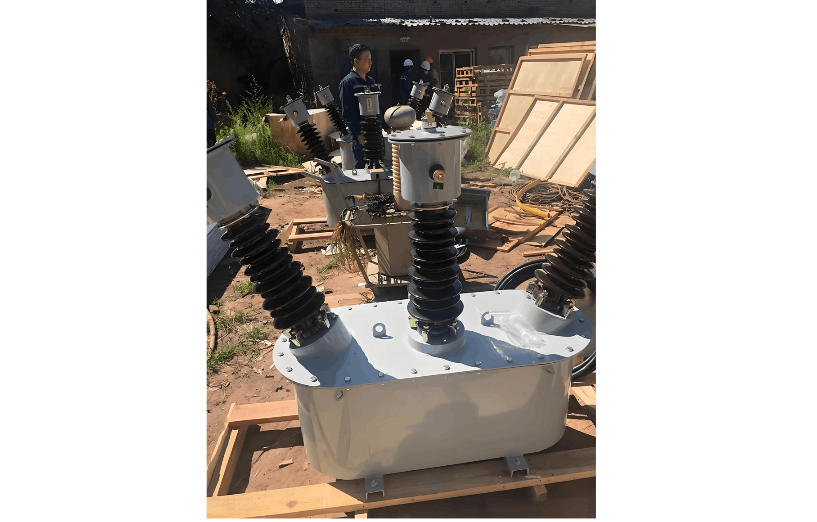
Human sa pag-install, dili mohurry-on sa pag-operate sa transformer — ang pipila ka key tests kinahanglan buhaton aron siguradohon nga tanan okay:
Insulation resistance test: Insulation resistance sa pagitan sa primary winding ug secondary winding ug ground dapat ≥1000MΩ; sa pagitan sa secondary windings ug ground dapat ≥10MΩ.
Dielectric loss test (tanδ): Kini nga value dapat controlon sa 2% sa ubos.
Volt-ampere characteristic test: Mainly to check whether the core is prone to saturation.
Polarity test: The polarity of the three-phase current transformers must be consistent; otherwise, the protection device may malfunction.
Lalo na, human sa pag-install sa current transformer, ang loop resistance kinahanglan imesure aron siguradohon nga walay open circuit o parasitic circuit. Para sa voltage transformers, required usab ang excitation curve test. Ang test points kasagaran sa 20%, 50%, 80%, 100%, ug 120% sa rated voltage aron siguradohon ang excitation current normal range.
Bagamaog ang secondary circuit operates sa low voltage, ang incorrect wiring mahimo magresulta og serious consequences. Busa, samtang ang wiring, maayo nga careful:
Ang cross-sectional area sa secondary circuit wire para sa current transformers dapat no less than 2.5mm².
Para sa voltage transformers, ang secondary circuit wire dapat at least 1.5mm².
Ang unused secondary windings sa current transformers dapat shorted ug grounded sa terminal block aron maprevent ang induced voltage causing danger.
Ang secondary circuit sa voltage transformers dapat equipped sa fuses for protection aron maprevent ang short circuits damaging the equipment.
Ang secondary terminal block sa transformer dapat install sa maintenance side aron easy inspection ug maintenance sa future.
Sa kabutangan, ang installation sa combined instrument transformer dili gamay nga butang — lalo na sa plateau environments, diin extra attention kinahanglan. Ang base kinahanglan stable, ang grounding kinahanglan solid, ang sealing kinahanglan tight, ang testing kinahanglan thorough, ug ang wiring kinahanglan accurate. Tanan nga steps kinahanglan butangan carefully.
Tungod lang sa tanan nga details butangan proper, ang instrument transformer mahimo molambo sa ligid ug stable, providing accurate ug reliable measurement ug protection support sa power system.
I'm James, an “old electrician” who has been working in the instrument transformer industry for twelve years. I hope this experience sharing can help you. See you next time!