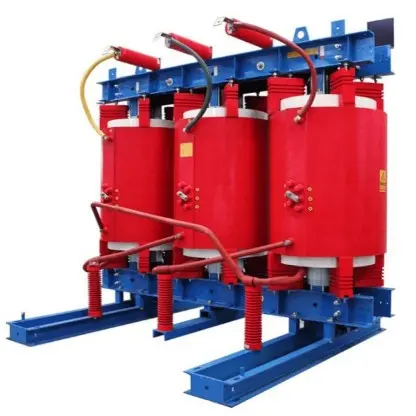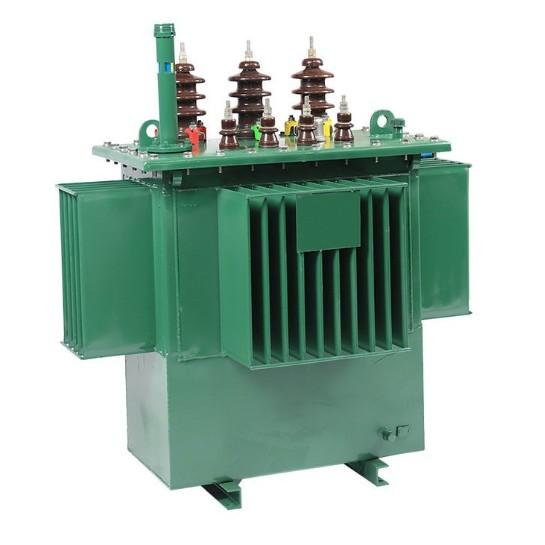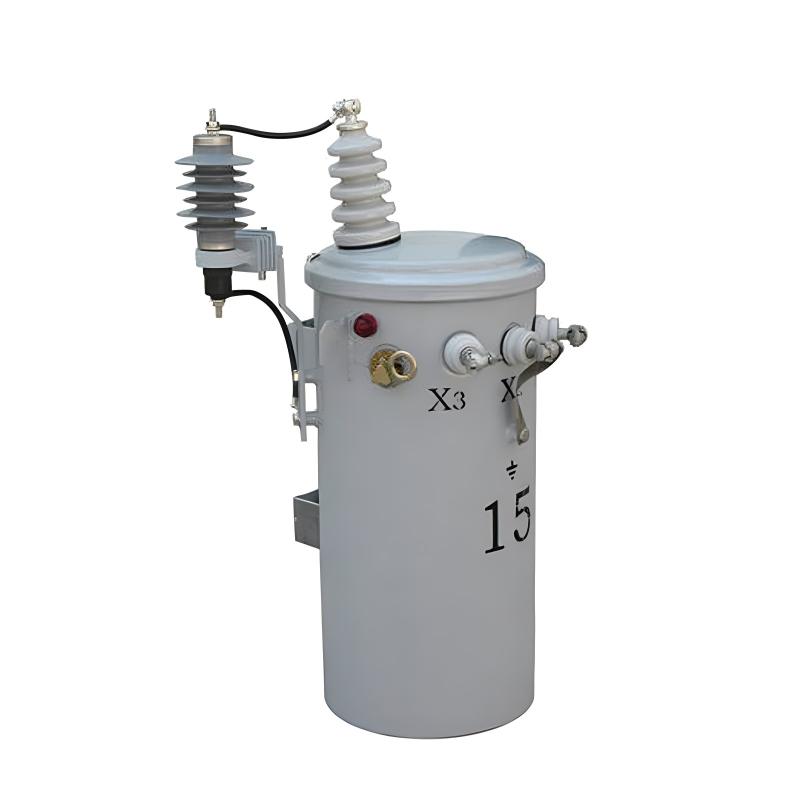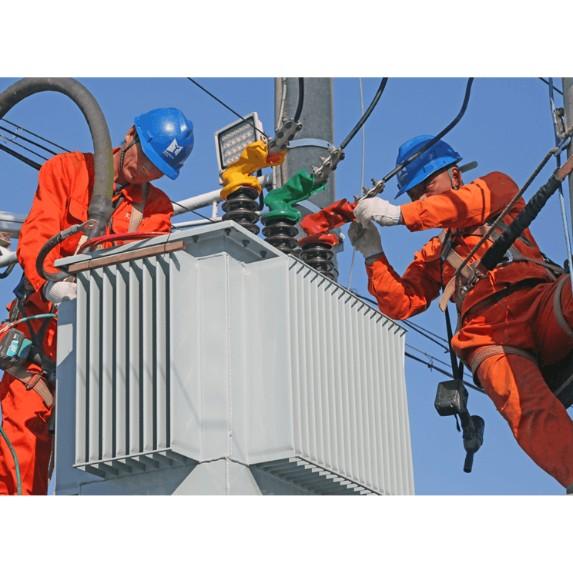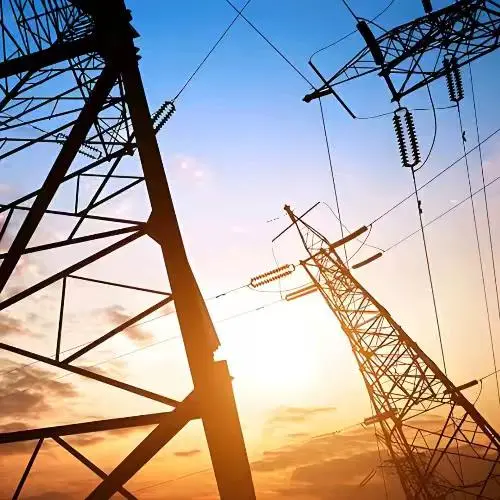
H61 Distribution Transformer Selection includes the selection of transformer capacity, model type, and installation location.
1.Selection of H61 Distribution Transformer Capacity
The capacity of H61 distribution transformers should be selected based on the current conditions and development trends of the area. If the capacity is too large, it results in the “large horse pulling a small cart” phenomenon—low transformer utilization and increased no-load losses. If the capacity is too small, the transformer will be overloaded, also increasing losses; in severe cases, this may cause overheating or even burnout. Therefore, distribution transformers must be reasonably selected according to both the normal load and peak load of the installation area.
2.Selection of H61 Distribution Transformer Model
The focus is on selecting new, high-efficiency, energy-saving distribution transformers that incorporate new technologies, materials, and manufacturing processes to reduce energy consumption.
(1) Use amorphous alloy transformers. Amorphous alloy core transformers are made with a new magnetic material—amorphous alloy—for the core. Compared to traditional silicon steel core transformers, they reduce no-load losses by approximately 80% and no-load current by about 85%. They are currently among the most ideal energy-saving distribution transformers, especially suitable for rural power grids and areas with very low transformer load factors.
Compared with S9-type distribution transformers, three-phase amorphous alloy core distribution transformers offer considerable annual energy savings.
For example:
A three-phase five-limb oil-immersed amorphous alloy transformer (200 kVA) has a no-load loss of 0.12 kW and load loss of 2.6 kW.
A three-phase five-limb oil-immersed S9 distribution transformer (200 kVA) has a no-load loss of 0.48 kW and load loss of 2.6 kW.
Since the load losses are identical, the annual energy saving of one amorphous alloy (200 kVA) transformer compared to an S9 transformer of the same capacity is:
△Ws = 8760 × (0.48 − 0.12) = 3153.6 kW·h
This calculation clearly shows the significant energy-saving effect of three-phase amorphous alloy core distribution transformers. Additionally, the tank is designed as a fully sealed structure, isolating the internal oil from outside air, preventing oil oxidation, extending service life, and reducing maintenance costs.
(2) Use wound-core, fully sealed distribution transformers. Wound-core, fully sealed transformers are a new generation of low-noise, low-loss transformers developed in recent years. The wound core has no joints, and the magnetic flux direction aligns completely with the rolling direction of the silicon steel sheets, fully utilizing the oriented properties of the material. Under identical conditions, compared to laminated-core transformers, wound-core transformers reduce no-load losses by 7%–10% and no-load current by 50%–70%.
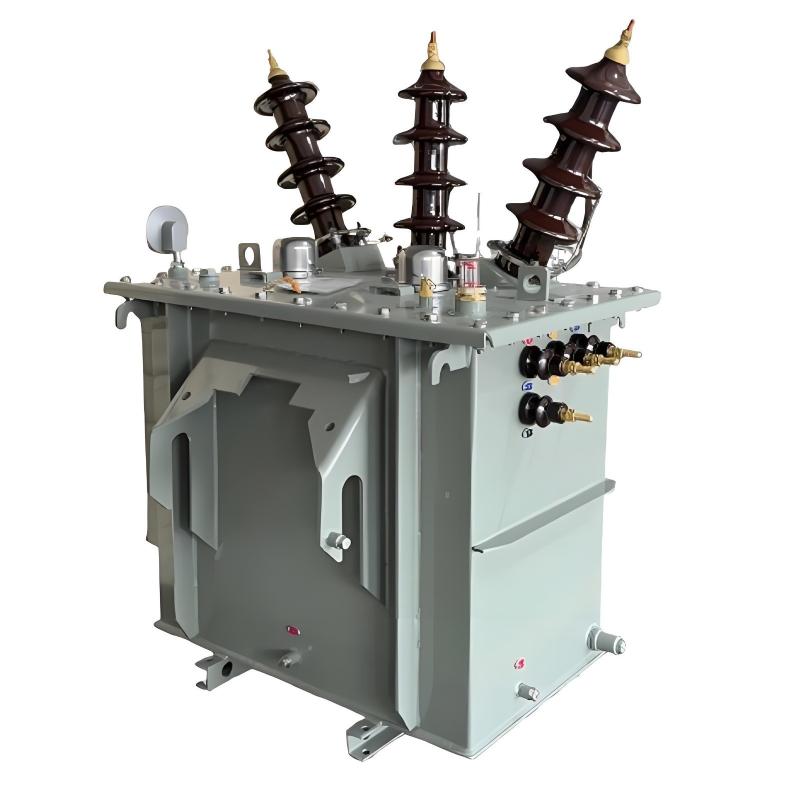
Since the high- and low-voltage windings are continuously wound on the core limbs, the windings are compact and well-centered, enhancing anti-theft performance. Noise is reduced by more than 10 dB, and temperature rise is lowered by 16–20 K.
Due to their low no-load current, these transformers significantly reduce losses, improve network power factor, reduce the need for reactive power compensation equipment, save investment, and lower operating energy consumption. Moreover, wound-core transformers exhibit strong resistance to sudden short circuits and offer better operational reliability.
(3) Select on-load automatic capacity-adjusting distribution transformers. On-load automatic capacity-adjusting transformers use series-parallel winding connections. An on-load capacity-switching tap changer is installed on the low-voltage winding, along with current sensors and an automatic controller on the low-voltage side. Based on real-time load data, the controller automatically switches the transformer between high-capacity and low-capacity operating modes.
This design solves the long-standing issues of high electromagnetic winding losses and the need for manual operation, further reducing no-load losses and no-load current. These transformers are especially suitable for users with dispersed loads, strong seasonal variations, and low average load factors.
3.Selection of H61 Distribution Transformer Installation Location
In addition to meeting site and environmental requirements, the transformer should be installed as close as possible to the load center to minimize the supply radius—ideally within 500 meters. For areas with dispersed loads, the majority of the load should still be kept within this 500-meter range.