• Product
  • Suppliers
  • Manufacturers
  • Solutions
  • Free tools
  • Knowledges
  • Experts
  • Communities
Search


Free Expert Guides on Power Systems, Circuit Design & Electrical Troubleshooting

Access free engineering resources from IEE Business—covering power design, circuit layout, equipment selection, and troubleshooting. Expert-developed guides help engineers, procurement, and project teams make better decisions. Stay ahead on smart grids, renewables, efficiency, and AI tools. Improve reliability, reduce downtime, and enhance outcomes with real-world solutions. Explore our knowledge hub today.
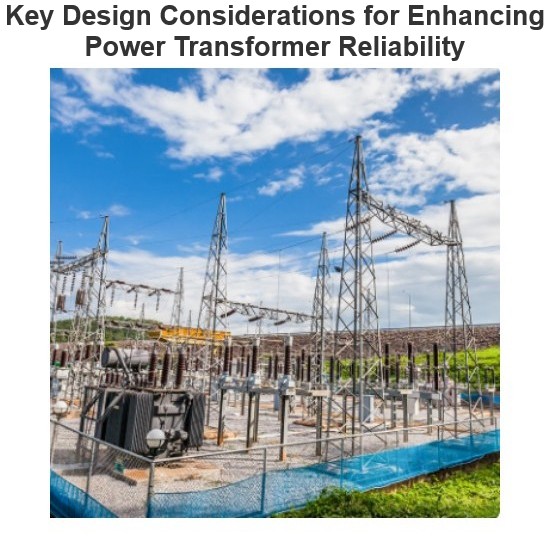
Key Design Considerations for Enhancing Power Transformer Reliability
Power transformers are critical components within the power grid. Once quality issues occur, they may not only result in significant economic and property losses but also endanger lives and cause immeasurable negative social impacts.Generally, the reliability of a power transformer is primarily influenced by its design, technology, materials, and manufacturing standards. Among these, design—being the foundation of product quality—plays a crucial role in determining the overal
08/16/2025
Consult
Tip
Consult
Tip
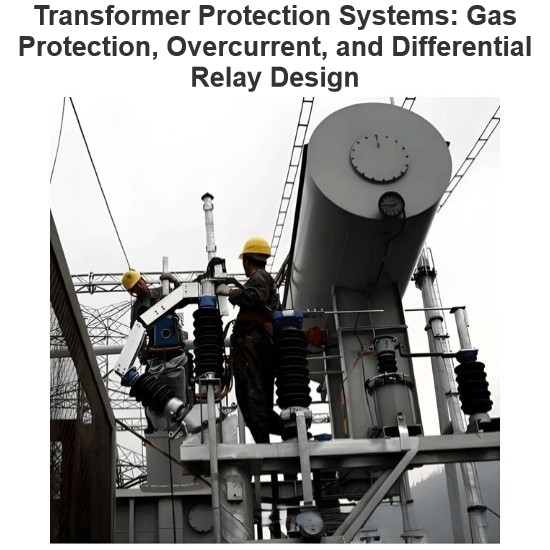
Transformer Protection Systems: Gas Protection, Overcurrent, and Differential Relay Design
For short-circuit faults on transformer lead-out wires, bushings, and internal components, appropriate protective devices shall be installed, and shall comply with the following provisions: Transformers with a capacity of 10 MVA or above operating individually, and transformers with a capacity of 6.3 MVA or above operating in parallel, shall be equipped with pilot differential protection. Important transformers with a capacity of 6.3 MVA or below operating individually may also be equipped with
08/15/2025
Consult
Tip
Consult
Tip
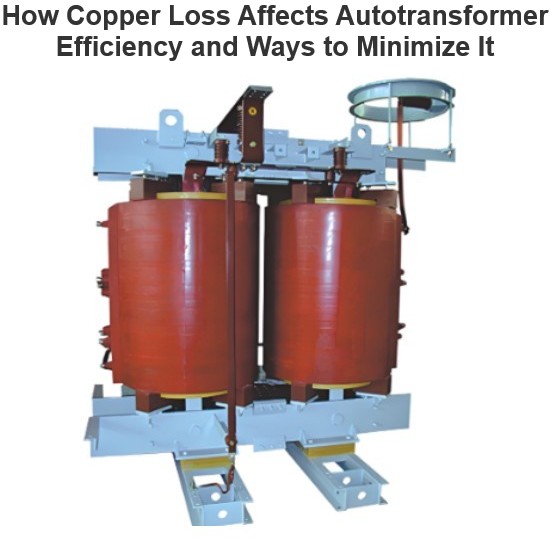
How Copper Loss Affects Autotransformer Efficiency and Ways to Minimize It
Copper loss, also known as I²R loss, occurs in the winding of an autotransformer just as it does in other types of transformers. This loss arises due to the resistance of the copper conductors in the windings. When current flows through the winding, electrical energy is converted into heat as a result of this resistance.In an autotransformer, which uses a single winding for both primary and secondary functions, copper loss is still present. The copper loss is calculated using the formul
08/15/2025
Consult
Tip
Consult
Tip
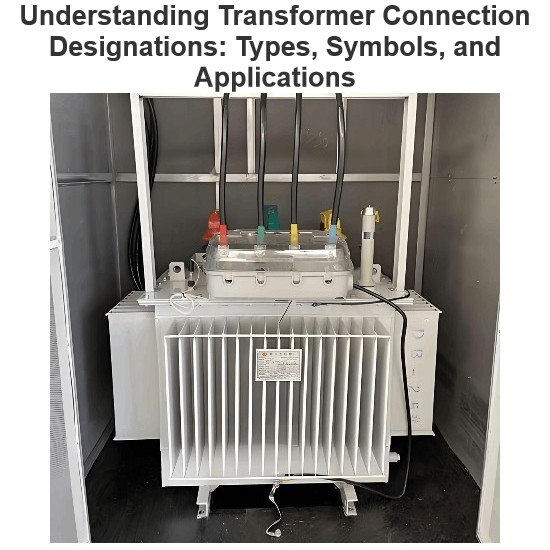
Understanding Transformer Connection Designations: Types, Symbols, and Applications
Transformer Connection DesignationsThe transformer connection designation indicates the winding connection method and the phase relationship between the line voltages of the primary and secondary windings. It consists of two parts: letters and a number. The letters on the left denote the connection configurations of the high-voltage and low-voltage windings, while the number on the right is an integer from 0 to 11.This number represents the phase shift of the low-voltage winding's line voltage r
08/15/2025
Consult
Tip
Consult
Tip
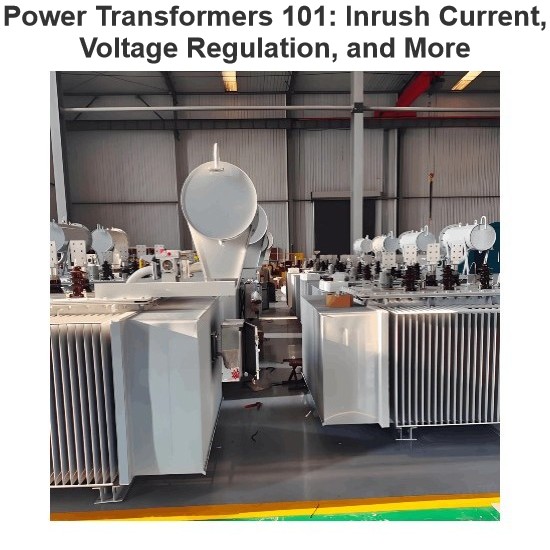
Power Transformers 101: Inrush Current, Voltage Regulation, and More
What are the types of power transformers, and what are their main components?Power transformers are available in various types to meet the evolving demands of power systems. They can be classified as single-phase or three-phase based on phase configuration; core-type or shell-type according to the relative arrangement of windings and core; and dry-type, air-cooled, forced oil circulation air-cooled, or water-cooled based on cooling methods. In terms of neutral point insulation, transformers are
08/15/2025
Consult
Tip
Consult
Tip
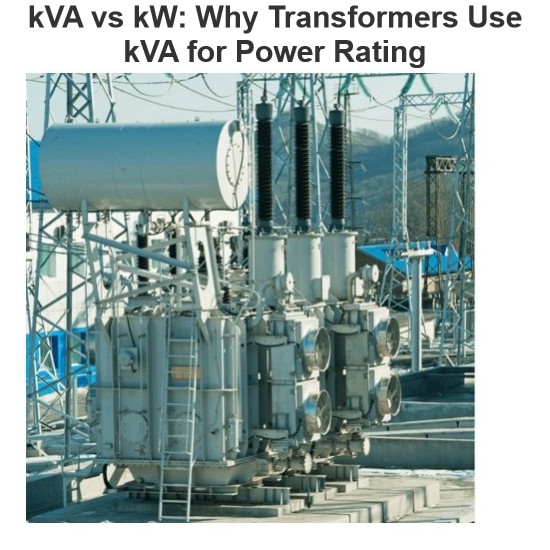
kVA vs kW: Why Transformers Use kVA for Power Rating
The use of kVA (kilovolt-amperes) instead of kW (kilowatts) to rate transformers stems from the fundamental distinction between real power (kW) and apparent power (kVA) in electrical systems. Transformers transfer electrical energy between circuits via electromagnetic induction, and their kVA rating accounts for both real and reactive power.Real Power (kW): This is the actual power that performs useful work—such as producing mechanical energy, heat, or light—and reflects the
08/14/2025
Consult
Tip
Consult
Tip
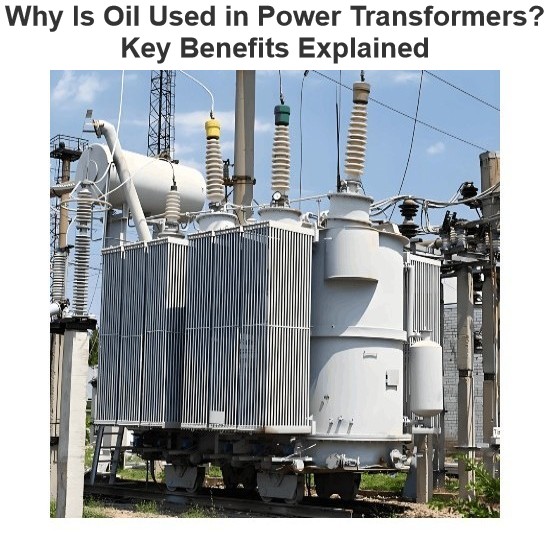
Why Is Oil Used in Power Transformers? Key Benefits Explained
Most power transformers are oil-immersed, as the use of oil as both a cooling and insulating medium has proven highly effective in the electrical industry. Below are the primary reasons for using oil in power transformers:Cooling: Oil possesses excellent cooling properties. It absorbs heat generated during transformer operation—particularly from the windings and core due to electrical losses—and transfers it away, effectively dissipating thermal energy and preventing overheat
08/14/2025
Consult
Tip
Consult
Tip
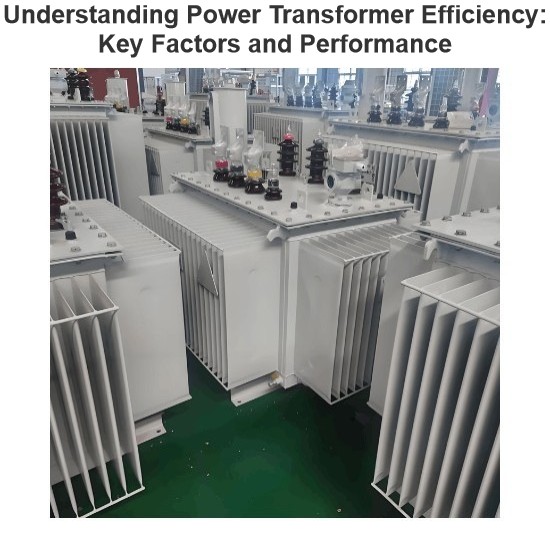
Understanding Power Transformer Efficiency: Key Factors and Performance
The efficiency of a power transformer is influenced by a variety of factors, including its design, size, and operating conditions. In general, power transformers are highly efficient, with typical efficiencies exceeding 95%, and often reaching 98% or higher. However, actual efficiency can vary depending on load levels, voltage ratings, and specific design characteristics.Transformer efficiency (η) is defined as the ratio of output power to input power, expressed as a percentage:η
08/13/2025
Consult
Tip
Consult
Tip
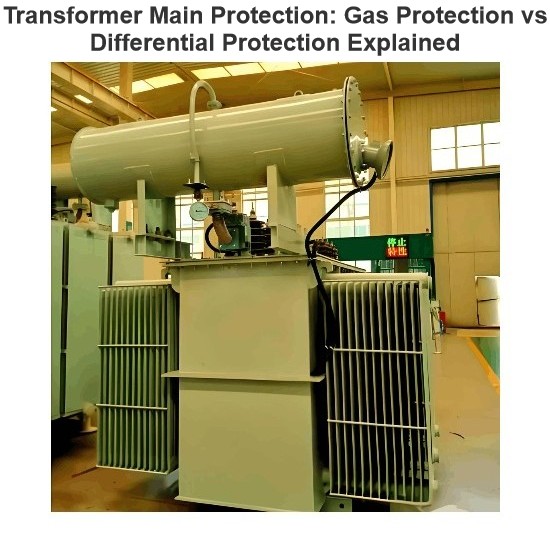
Transformer Main Protection: Gas Protection vs Differential Protection Explained
Transformer Main ProtectionThe main protection for transformers consists of gas protection and differential protection.Gas ProtectionGas protection is a protective mechanism that responds to internal faults within the transformer tank and to a drop in oil level. When an internal fault occurs in the transformer tank, gases generated from the decomposition of transformer oil and insulation materials due to fault currents and arcing flow from the tank toward the upper part of the oil conservator. T
08/12/2025
Consult
Tip
Consult
Tip
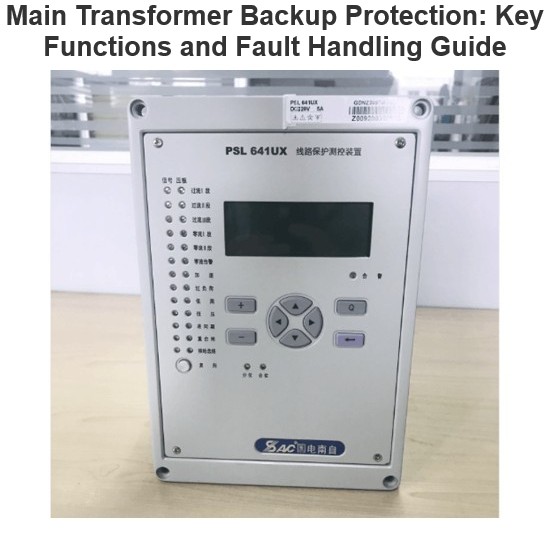
Main Transformer Backup Protection: Key Functions and Fault Handling Guide
Main Transformer Backup ProtectionThe purpose of main transformer backup protection is to prevent overcurrent in transformer windings caused by external faults, serve as backup protection for adjacent components (busbars or lines), and, where possible, act as backup for the transformer's primary protection in the event of internal faults. Backup protection is used to isolate faults when primary protection or circuit breakers fail.Main transformer zero-sequence protection is a backup protection f
08/12/2025
Consult
Tip
Consult
Tip
Send inquiry
+86
Click to upload file
Download
Get the IEE Business Application
Use the IEE-Business app to find equipment, obtain solutions, connect with experts, and participate in industry collaboration anytime, anywhere—fully supporting the development of your power projects and business.