• Product
  • Suppliers
  • Manufacturers
  • Solutions
  • Free tools
  • Knowledges
  • Experts
  • Communities
Search


Free Expert Guides on Power Systems, Circuit Design & Electrical Troubleshooting

Access free engineering resources from IEE Business—covering power design, circuit layout, equipment selection, and troubleshooting. Expert-developed guides help engineers, procurement, and project teams make better decisions. Stay ahead on smart grids, renewables, efficiency, and AI tools. Improve reliability, reduce downtime, and enhance outcomes with real-world solutions. Explore our knowledge hub today.
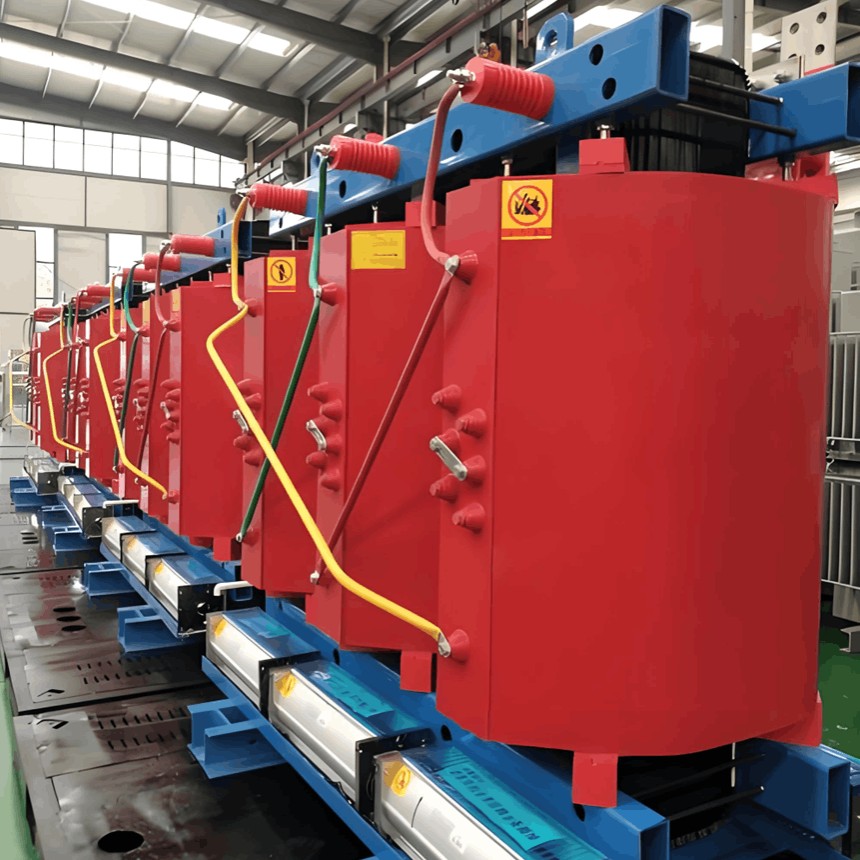
Advantages of Dry-Type Transformers: Enhancing Safety and Environmental Performance
Compared to traditional oil-filled transformers, dry-type transformers offer several advantages. Key benefits of dry-type transformers include:Safety: Dry-type transformers are considered safer as they lack flammable liquid insulation (such as oil). They eliminate risks associated with oil leaks, spills, and related fire hazards. This makes them suitable for indoor installations, especially in areas where fire safety is a priority, such as commercial buildings, hospitals, and schools.Environment
09/17/2025
Consult
Tip
Consult
Tip
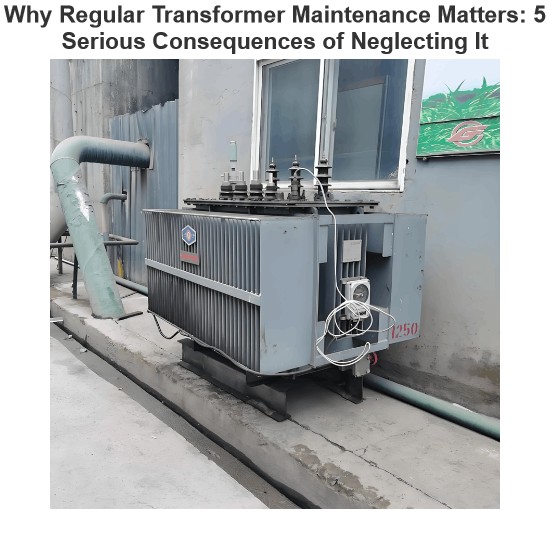
Why Regular Transformer Maintenance Matters: 5 Serious Consequences of Neglecting It
I. Allowable TemperatureWhen a transformer is in operation, its windings and iron core generate copper loss and iron loss. These losses are converted into heat energy, causing the temperature of the transformer's iron core and windings to rise. If the temperature exceeds the allowable value for a long time, the insulation will gradually lose its mechanical elasticity and age.The temperature of each part of the transformer during operation is different: the winding temperature is the highest, fol
09/12/2025
Consult
Tip
Consult
Tip
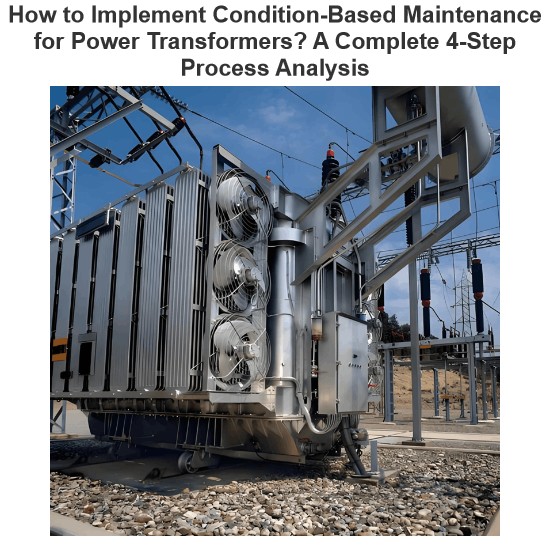
How to Implement Condition-Based Maintenance for Power Transformers? A Complete 4-Step Process Analysis
1. Definition of Condition-Based MaintenanceCondition-based maintenance refers to a maintenance method where decisions on whether and how to perform maintenance are determined based on the real-time operating status and health condition of equipment. It has no fixed maintenance methods or schedules. The prerequisite for condition-based maintenance is the establishment of equipment parameters and the comprehensive analysis of various operational information of the equipment, so as to make reasona
09/12/2025
Consult
Tip
Consult
Tip
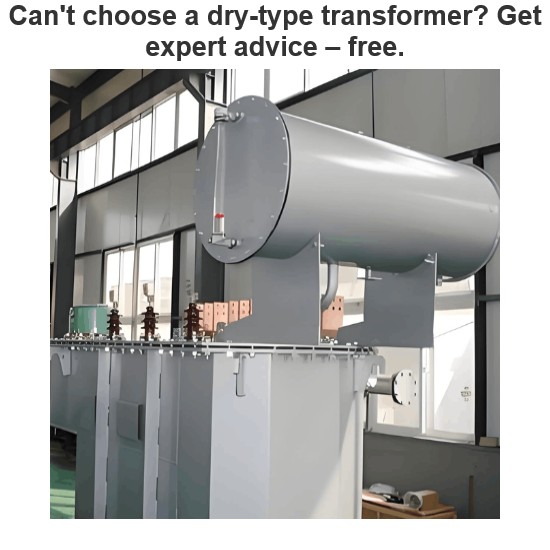
Can't choose a dry-type transformer? Get expert advice – free.
Traction Rectifier TransformersRated capacity: 800 to 4400 kVA; Voltage class: 10 kV and 35 kV; Rectifier pulse number: 12-pulse and 24-pulse. Compared with 12-pulse rectifier circuits, 24-pulse rectifier circuits can reduce the harmonic pollution of the power grid by 50%, and no filtering equipment is needed at this location. It is suitable for power supply systems of urban subways and rail transit.Excitation Rectifier TransformersRated capacity: 315 to 3000 × 3 kVA; Voltage class: 10 kV, 13.8
09/12/2025
Consult
Tip
Consult
Tip
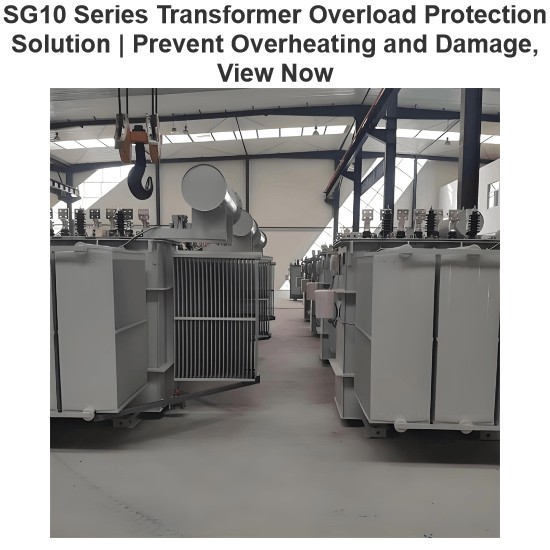
SG10 Series Transformer Overload Protection Solution | Prevent Overheating and Damage, View Now
Operating Conditions in National Standard GB 6450-1986Ambient temperature: Maximum ambient temperature: +40°C Daily average maximum temperature: +30°C Annual average maximum temperature: +20°C Minimum temperature: -30°C (outdoor); -5°C (indoor) Horizontal axis: Product load; Vertical axis: Average coil temperature rise in Kelvin (note: not in Celsius).For Class H insulation products, the long-term temperature resistance of insulation materials is stipulated by the state as 180°C. However, the in
09/12/2025
Consult
Tip
Consult
Tip
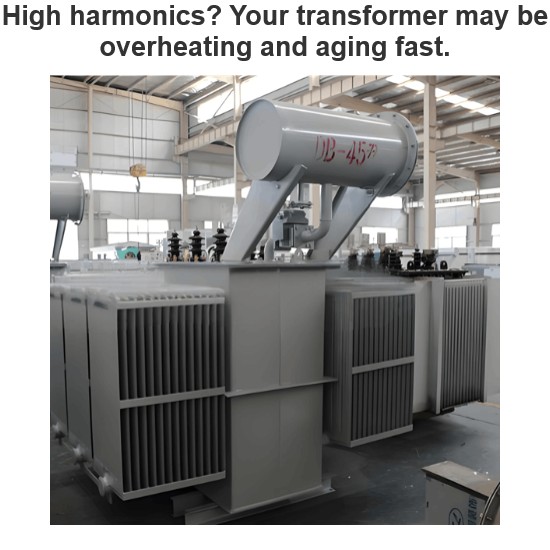
High harmonics? Your transformer may be overheating and aging fast.
This report is based on the analysis of one-day power quality monitoring data of your company's distribution system. The data shows that there is significant three-phase current harmonic distortion in the system (with a high total harmonic distortion of current, THDi). In accordance with international standards (IEC/IEEE), harmonic currents at this level have posed substantial risks to the safe, reliable, and economical operation of the power supply transformer, mainly manifested in additional h
09/12/2025
Consult
Tip
Consult
Tip
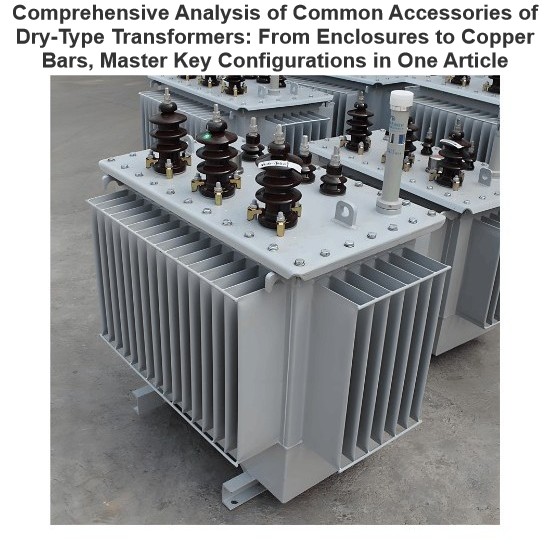
Comprehensive Analysis of Common Accessories of Dry-Type Transformers: From Enclosures to Copper Bars, Master Key Configurations in One Article
EnclosuresEnclosures can be categorized into indoor and outdoor types.For indoor applications, considering heat dissipation and maintenance needs, it is generally recommended not to install an enclosure if there is sufficient installation space. However, if required by the user, enclosures with multiple observation holes can be provided. Enclosures can also be painted in colors preferred by the user.The protection level of enclosures is typically IP20 or IP23: IP20 prevents the ingress of solid
09/08/2025
Consult
Tip
Consult
Tip
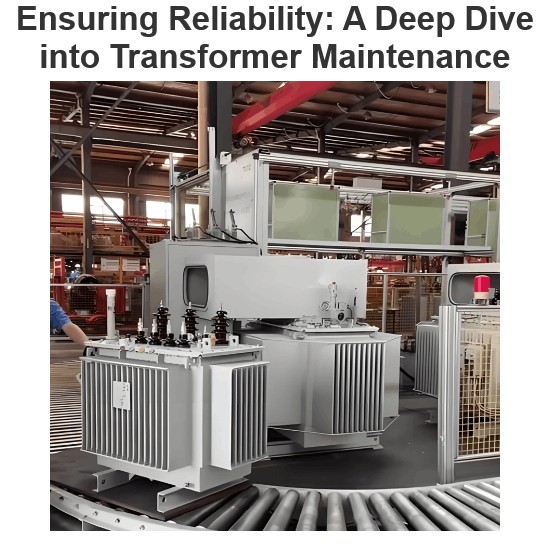
Ensuring Reliability: A Deep Dive into Transformer Maintenance
IntroductionElectric transformers are the backbone of modern power distribution systems, silently enabling the reliable delivery of electricity to homes, businesses, and industries. As these critical assets age and the demand for uninterrupted power grows, the importance of diligent transformer maintenance has never been greater. This essay explores the essential role of transformer maintenance, highlighting the value of proactive care, the impact of advanced diagnostic technologies, and the tra
09/03/2025
Consult
Tip
Consult
Tip
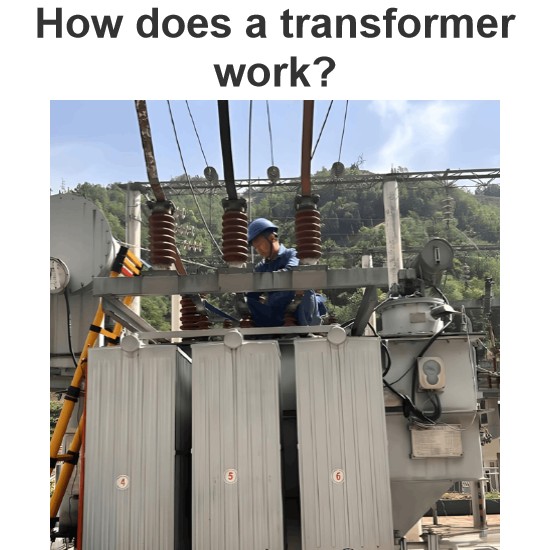
How does a transformer work?
Transformer Operation PrincipleA transformer is an electrical device that operates on the principle of electromagnetic induction to transfer electrical energy from one circuit to another. It enables the adjustment of voltage levels within an alternating current (AC) system, either stepping up (increasing) or stepping down (decreasing) voltage while maintaining the same frequency.Working Principle:Basic ComponentsA transformer consists of two coils, known as windings—the "primary winding" connect
09/03/2025
Consult
Tip
Consult
Tip
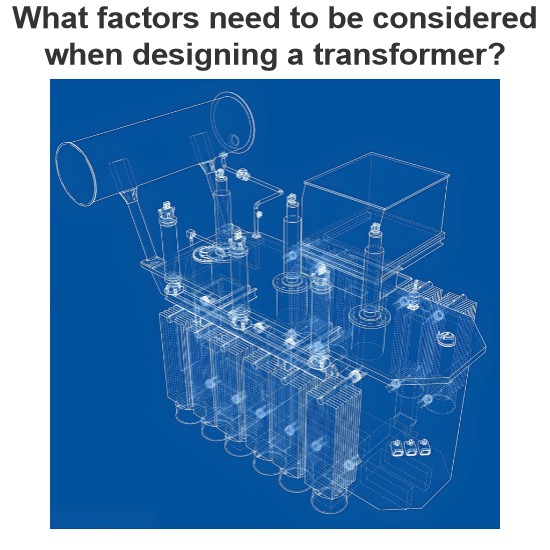
What factors need to be considered when designing a transformer?
Transformer design is a complex process that requires consideration of multiple factors to ensure safe and efficient operation. In addition, compliance with international and local regulations is essential to guarantee that transformers meet safety and performance standards. Below are key factors to consider in transformer design and the relevant regulations to follow:Transformer Design Factors: Voltage and Frequency: Determine the input and output voltage levels and the operating frequency. The
09/02/2025
Consult
Tip
Consult
Tip
Send inquiry
+86
Click to upload file
Download
Get the IEE Business Application
Use the IEE-Business app to find equipment, obtain solutions, connect with experts, and participate in industry collaboration anytime, anywhere—fully supporting the development of your power projects and business.