• Product
  • Suppliers
  • Manufacturers
  • Solutions
  • Free tools
  • Knowledges
  • Experts
  • Communities
Search


Free Expert Guides on Power Systems, Circuit Design & Electrical Troubleshooting

Access free engineering resources from IEE Business—covering power design, circuit layout, equipment selection, and troubleshooting. Expert-developed guides help engineers, procurement, and project teams make better decisions. Stay ahead on smart grids, renewables, efficiency, and AI tools. Improve reliability, reduce downtime, and enhance outcomes with real-world solutions. Explore our knowledge hub today.
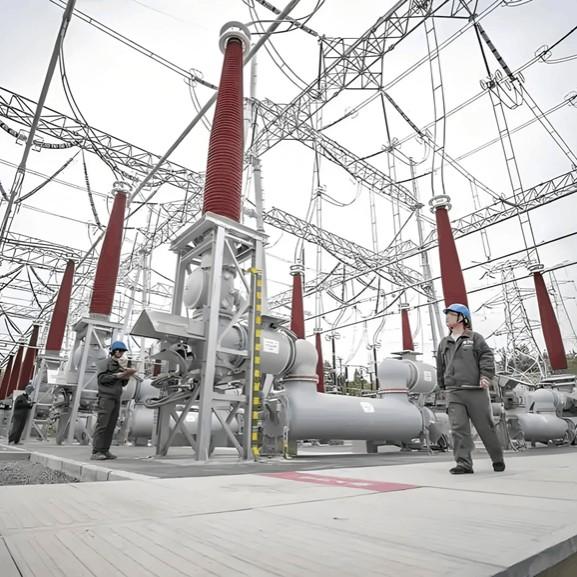
Maintenance and Repair Items for 10kV High-Voltage Switchgear
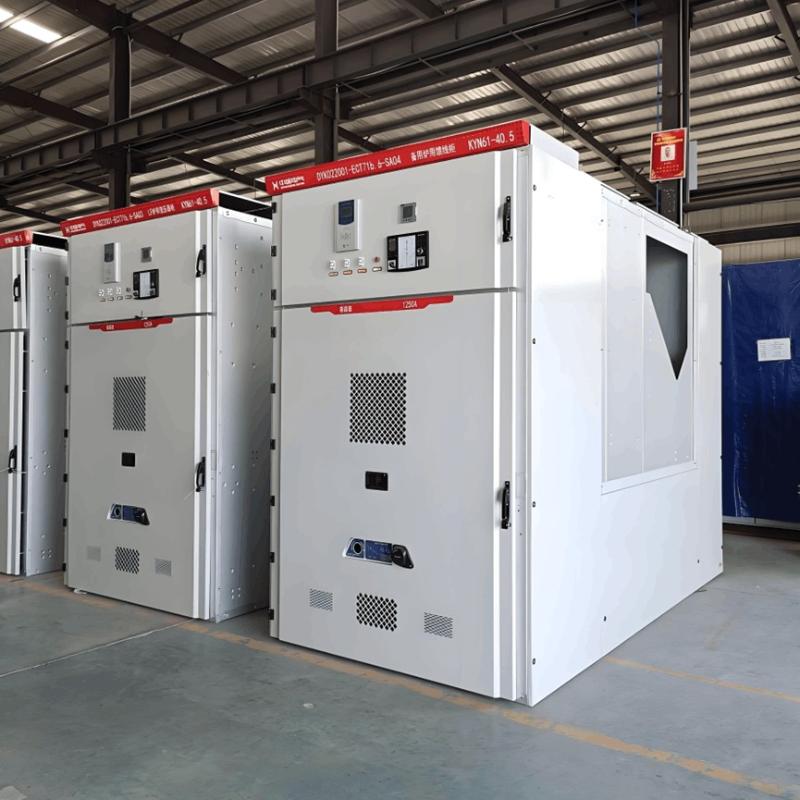
I. Routine Maintenance and Inspection(1) Visual Inspection of Switchgear Enclosure No deformation or physical damage to the enclosure. Protective paint coating shows no severe rust, peeling, or flaking. Cabinet is securely installed, clean on the surface, and free of foreign objects. Nameplates and identification labels are neatly affixed and not falling off.(2) Check of Switchgear Operating Parameters Instruments and meters indicate normal values (comparable to typical operating data, with no s
10/24/2025
Consult
Tip
Consult
Tip
What are the common issues in SF₆ gas circuit faults and circuit breaker failure-to-operate faults?
This article categorizes faults into two main types: SF₆ gas circuit faults and circuit breaker failure-to-operate faults. Each is described below:1.SF₆ Gas Circuit Faults1.1 Fault Type: Low gas pressure, but density relay does not trigger alarm or lockout signalCause: Faulty density gauge (i.e., contact not closing)Inspection & Handling: Calibrate actual pressure using a standard gauge. If confirmed, replace the density gauge.1.2 Density Relay Triggers Alarm or Lockout Signal (but pressure
10/24/2025
Consult
Tip
Consult
Tip
GIS Bolt Tightening Torque Standards by Material & Size
GIS (Gas-Insulated Metal-Enclosed Switchgear) contains numerous bolted and screwed connections, and the tightening torque varies depending on bolt material, size, and application. The recommended tightening torque values are listed below for reference:Table 1 Tightening Torque Values for Bolts of Different Materials and Sizes (N·m / kgf·cm) Thread Diameter (mm) Q235 (A3) Cast Insulator 45 Steel Chrome-Molybdenum Steel Stainless Steel M6 5.88/60 3.92/40 12.3/125 19.6/
10/24/2025
Consult
Tip
Consult
Tip
Why You Can't Remove Siemens GIS Bushing Cover for PD Testing
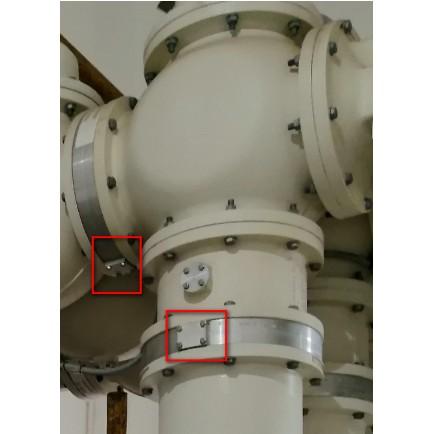
As the title suggests, when performing live partial discharge (PD) testing on Siemens GIS using the UHF method—specifically by accessing the signal through the metal flange of the bushing insulator—you must not directly remove the metal cover on the bushing insulator.Why?You won’t realize the danger until you try. Once removed, the GIS will leak SF₆ gas while energized! Enough talk—let’s go straight to the diagrams.As shown in Figure 1, the small aluminum cover inside the red box is typically th
10/24/2025
Consult
Tip
Consult
Tip
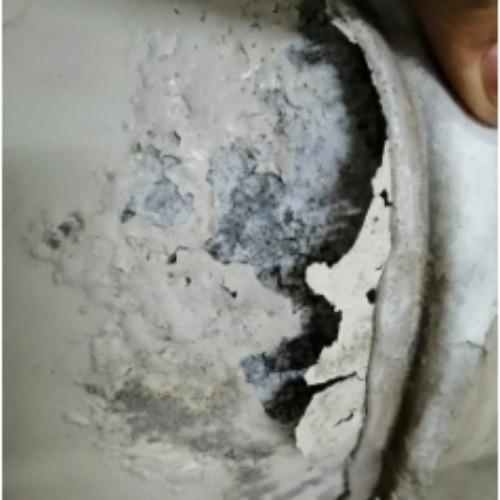
Why Cement Sealing Is Banned for GIS Wall Penetrations?
Indoor GIS equipment typically involves wall-penetrating installations, except in cases with cable in/out connections. In most cases, the main or branch bus duct extends from indoors through a wall to the outdoor side, where it connects to porcelain or composite bushings for overhead line connections. The gap between the wall opening and the GIS bus enclosure, however, is prone to water and air leakage and therefore usually requires sealing. This article discusses why cement-based sealing is not
10/24/2025
Consult
Tip
Consult
Tip
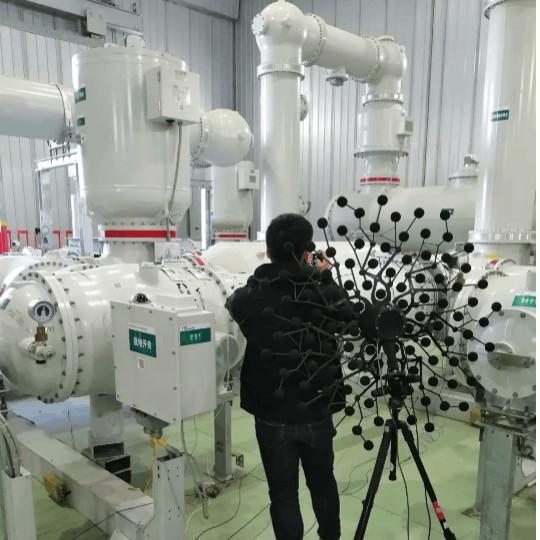
How Acoustic Imaging Locates GIS Defects
In recent years, acoustic imaging technology for GIS defect detection has developed rapidly. This technology enables intuitive sound source localization, helping operation and maintenance personnel focus on the exact location of GIS defects, thereby improving the efficiency of defect analysis and resolution.Sound source localization is only the first step. It would be even more ideal if common GIS defect types could be automatically identified using artificial intelligence (AI), along with intel
10/24/2025
Consult
Tip
Consult
Tip
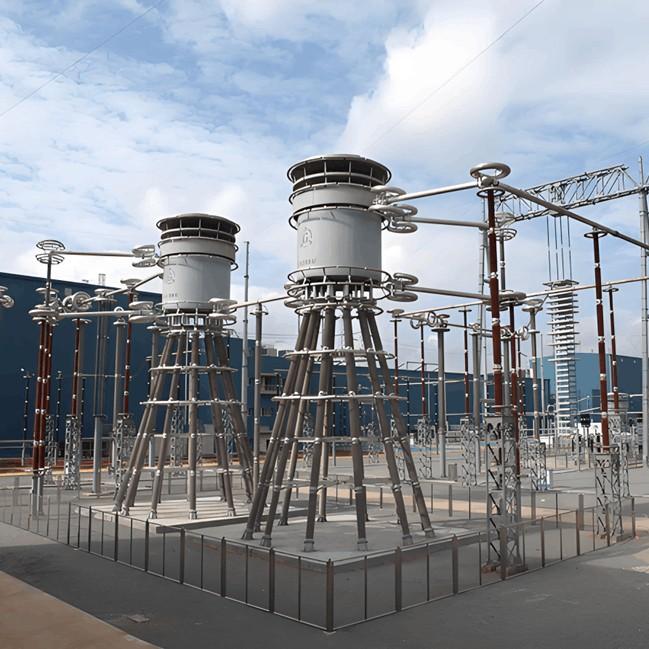
What Are the Types of Reactors? Key Roles in Power Systems
Reactor (Inductor): Definition and TypesA reactor, also known as an inductor, generates a magnetic field within the surrounding space when current flows through a conductor. Therefore, any current-carrying conductor inherently possesses inductance. However, the inductance of a straight conductor is small and produces a weak magnetic field. Practical reactors are constructed by winding the conductor into a solenoid shape, known as an air-core reactor. To further increase inductance, a ferromagnet
10/23/2025
Consult
Tip
Consult
Tip
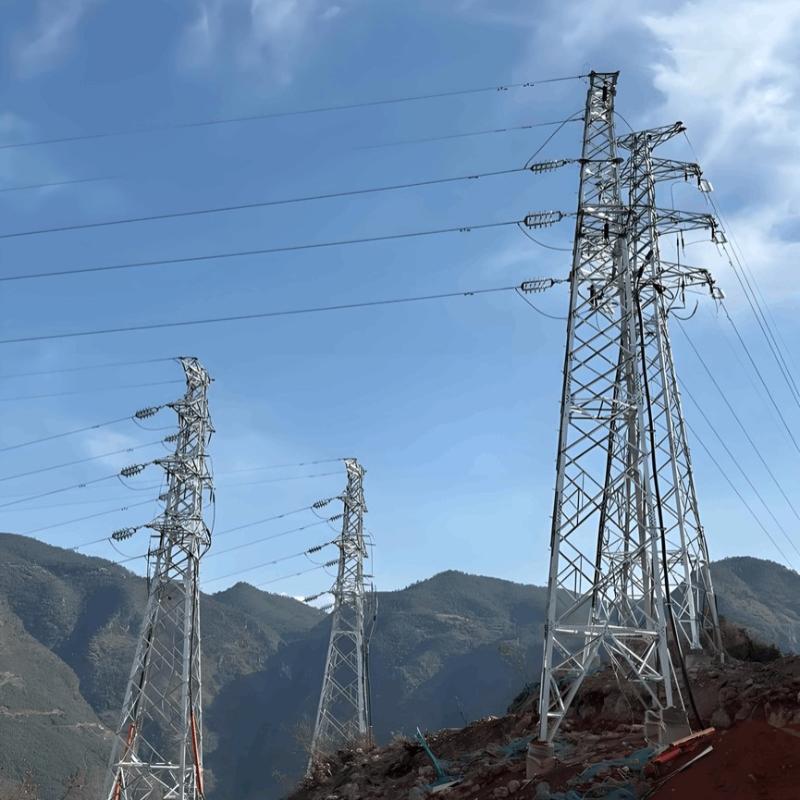
35kV Distribution Line Single-Phase Ground Fault Handling
Distribution Lines: A Key Component of Power SystemsDistribution lines are a major component of power systems. On the same voltage-level busbar, multiple distribution lines (for input or output) are connected, each with numerous branches arranged radially and linked to distribution transformers. After being stepped down to low voltage by these transformers, electricity is supplied to a wide range of end users. In such distribution networks, faults such as phase-to-phase short circuits, overcurre
10/23/2025
Consult
Tip
Consult
Tip
What Is MVDC Technology? Benefits, Challenges & Future Trends
Medium-voltage direct current (MVDC) technology is a key innovation in power transmission, designed to overcome limitations of traditional AC systems in specific applications. By transmitting electrical energy via DC at voltages typically ranging from 1.5 kV to 50 kV, it combines the long-distance transmission advantages of high-voltage DC with the flexibility of low-voltage DC distribution. Against the backdrop of large-scale renewable integration and new power system development, MVDC is emerg
10/23/2025
Consult
Tip
Consult
Tip
Why Does MVDC Grounding Cause System Faults?
Analysis and Handling of DC System Grounding Faults in SubstationsWhen a DC system grounding fault occurs, it can be classified as single-point grounding, multi-point grounding, loop grounding, or reduced insulation. Single-point grounding is further divided into positive-pole and negative-pole grounding. Positive-pole grounding may cause misoperation of protection and automatic devices, while negative-pole grounding may lead to failure to operate (e.g., relay protection or tripping devices). On
10/23/2025
Consult
Tip
Consult
Tip
Send inquiry
+86
Click to upload file
Download
Get the IEE Business Application
Use the IEE-Business app to find equipment, obtain solutions, connect with experts, and participate in industry collaboration anytime, anywhere—fully supporting the development of your power projects and business.