• Product
  • Suppliers
  • Manufacturers
  • Solutions
  • Free tools
  • Knowledges
  • Experts
  • Communities
Search


Free Expert Guides on Power Systems, Circuit Design & Electrical Troubleshooting

Access free engineering resources from IEE Business—covering power design, circuit layout, equipment selection, and troubleshooting. Expert-developed guides help engineers, procurement, and project teams make better decisions. Stay ahead on smart grids, renewables, efficiency, and AI tools. Improve reliability, reduce downtime, and enhance outcomes with real-world solutions. Explore our knowledge hub today.
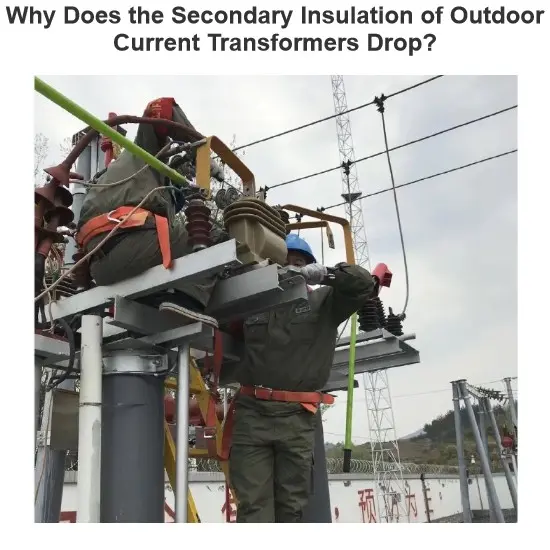
Why Does the Secondary Insulation of Outdoor Current Transformers Drop?
I'm Felix, a 15-Year Veteran in the CT Industry, Sharing What You Need to Watch Out ForHi everyone, I'm Felix, and I've been working with current transformers (CTs) for over 15 years. Today, let’s talk about why the secondary insulation of outdoor CTs sometimes drops, and what you can do to prevent it.Common Causes:1. Moisture Ingress — Poor Sealing is the Biggest Problem!Outdoor CTs are constantly exposed to wind and rain. If the sealing isn't tight enough, moisture can get
07/05/2025
Consult
Tip
Consult
Tip
What are the troubleshooting methods for current transformers?
As a front - line fault maintenance worker, I deal with current transformers (CTs) daily. A CT’s secondary winding in operation must never open - circuit! Once open - circuited, the secondary current and demagnetizing potential vanish. All primary - side magnetic potential then becomes the iron core’s exciting potential, sharply increasing its magnetic flux density. High voltage on the secondary side will endanger safety anytime.Despite strict power operation regulations, use
07/04/2025
Consult
Tip
Consult
Tip
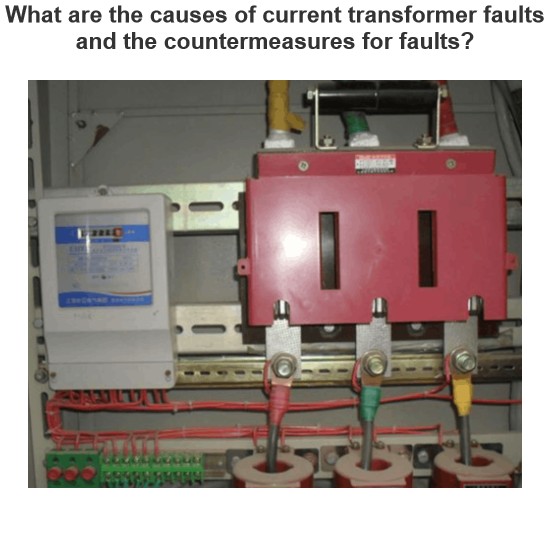
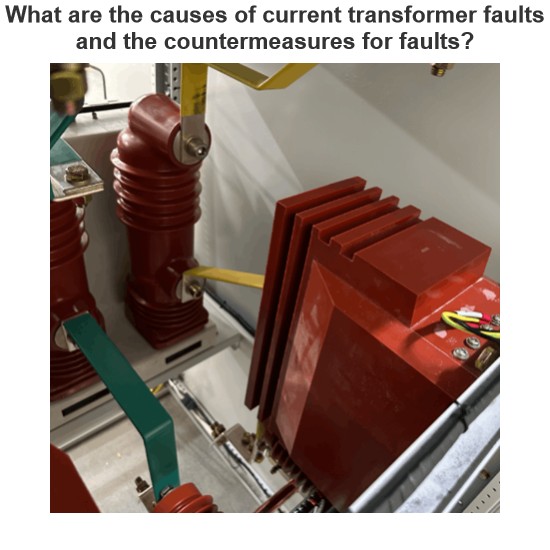
What are the causes of current transformer faults and the countermeasures for faults?
As a front - line maintenance technician, I deal with current transformers (CTs) daily. CTs convert high - magnitude primary current to low - magnitude secondary current for substation/line protection and measurement, operating in series long - term. However, they face faults from external (unbalanced loads, wrong wiring, etc.) and internal (insulation defects) issues. These faults, like secondary open - circuits or insulation breakdown, harm measurement accuracy, protection operation, and grid
07/03/2025
Consult
Tip
Consult
Tip
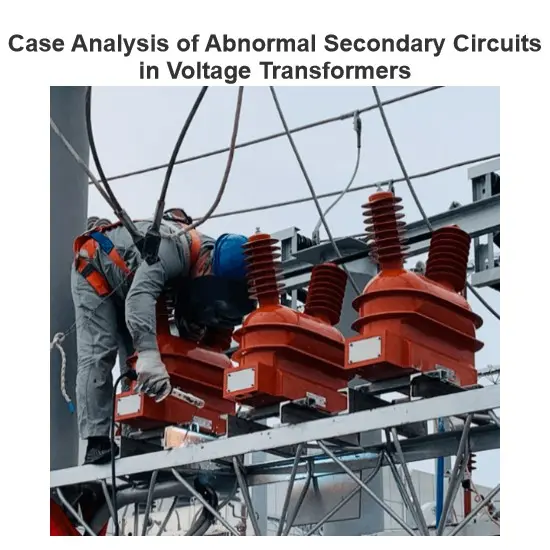
Case Analysis of Abnormal Secondary Circuits in Voltage Transformers
1. Fault SituationIn September 2023, as a front - line fault maintenance worker, I detected abnormal voltage on the 10kV Section I bus of a substation during monitoring duty and informed the operation and maintenance team. The monitoring system showed: U0 = 0 kV, Ua = 6.06 kV, Ub = 5.93 kV, Uc = 6.05 kV, Uab = 10.05 kV, Ubc = 5.94 kVMy team and I rushed to the site. We suspected the secondary air circuit breaker of the 10kV Section I bus voltage transformer was closed and found the U - phase fus
07/02/2025
Consult
Tip
Consult
Tip
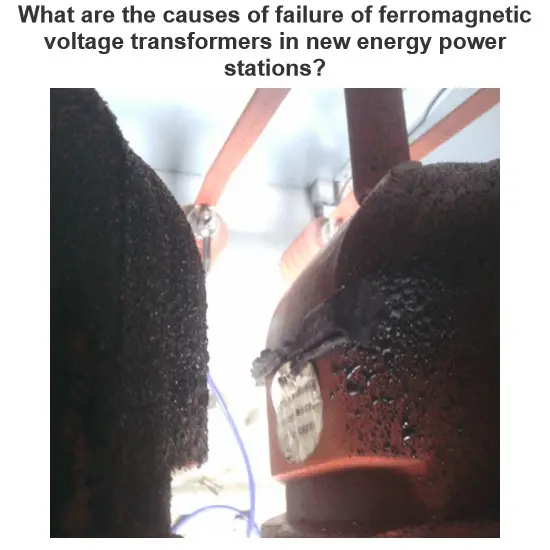
What are the causes of failure of ferromagnetic voltage transformers in new energy power stations?
By Felix, 15 Years in the Electrical IndustryHi everyone, I'm Felix, and I've been working in the electrical industry for 15 years.From early involvement in traditional substation commissioning and maintenance to now managing electrical system operations for multiple photovoltaic and wind power projects, one of the most frequently encountered devices I deal with is the Electromagnetic Voltage Transformer (PT).The other day, a shift operator at a new energy plant asked me: “We have an e
07/02/2025
Consult
Tip
Consult
Tip
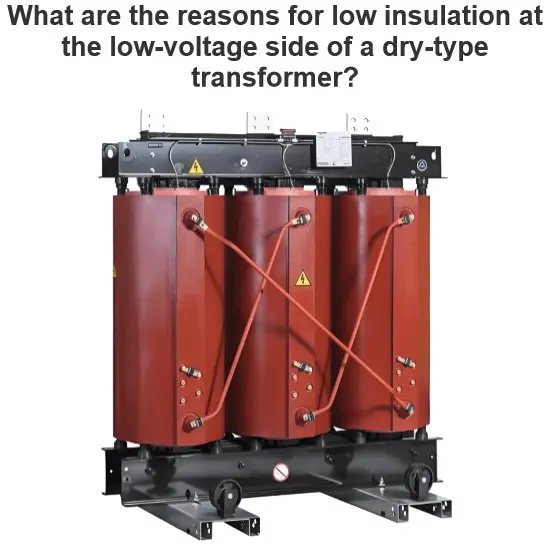
What are the reasons for low insulation at the low-voltage side of a dry-type transformer?
Hi everyone, I’m Felix, and I’ve been working in electrical equipment fault repair for 15 years.Over these years, I’ve traveled across factories, substations, and distribution rooms all over the country, troubleshooting and repairing all kinds of electrical equipment. Dry-type transformers are among the most common devices we deal with.Today, a friend asked me: “What does it mean when the low-voltage side of a dry-type transformer has low insulation resist
07/01/2025
Consult
Tip
Consult
Tip
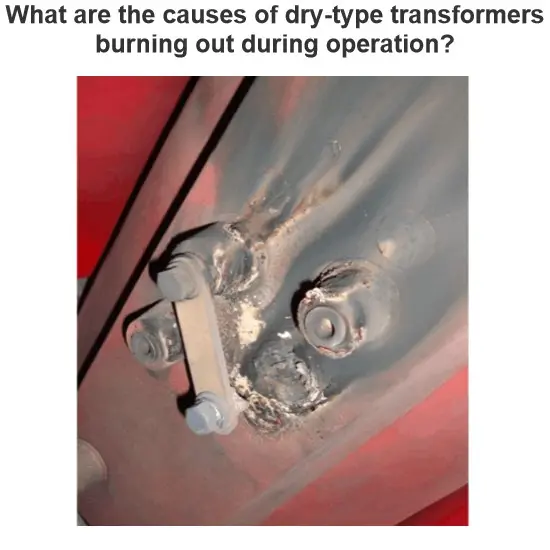
What are the causes of dry-type transformers burning out during operation?
1 Fault PhenomenonI am engaged in front - line fault maintenance work, and recently encountered problems with dry - type transformers. Dry - type transformers have a simple structure, are convenient for transportation, and easy for maintenance. They are widely used in power distribution places with relatively high environmental protection requirements. Because of their good fire - resistance, they can be installed in load - center areas to reduce voltage loss and power loss.The property manageme
07/01/2025
Consult
Tip
Consult
Tip
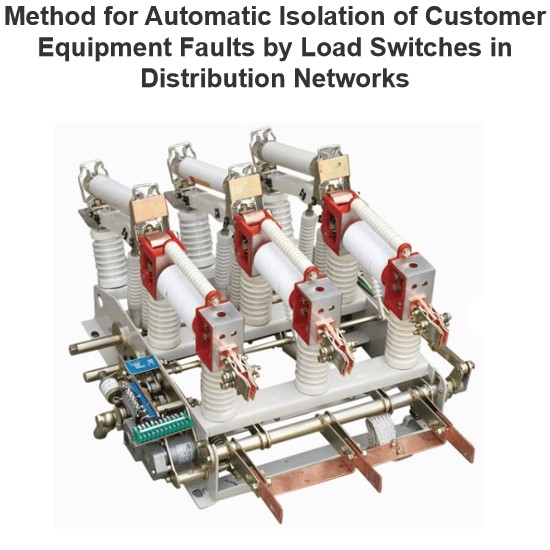
Method for Automatic Isolation of Customer Equipment Faults by Load Switches in Distribution Networks
1 OverviewDistribution network safety has long been under - addressed, with its automation lagging substation automation . Using 10 kV intervals of existing substations to set line section points meets future grid needs . Configuration of distribution switches, section switches, and protection must match substation outgoing - line protection for reliability. Fault isolation, self - healing, and restoration are key to distribution automation .Scholars have studied smart distribution network fault
06/30/2025
Consult
Tip
Consult
Tip
What You Need to Know About Load Switch Malfunctions
Hey there, I’m Blue — been working as an electrical engineer for more than 20 years now.I’ve spent most of my career designing circuit breakers, managing transformers, and helping power companies solve all sorts of electrical system challenges.Today, a friend from Southeast Asia asked me:"What are the common faults of load switches?"Great question! So let’s break it down in simple terms — no fancy jargon, just real-world stuff you might actually see on the job or during maintenance.First, What E
Consult
Tip
Consult
Tip
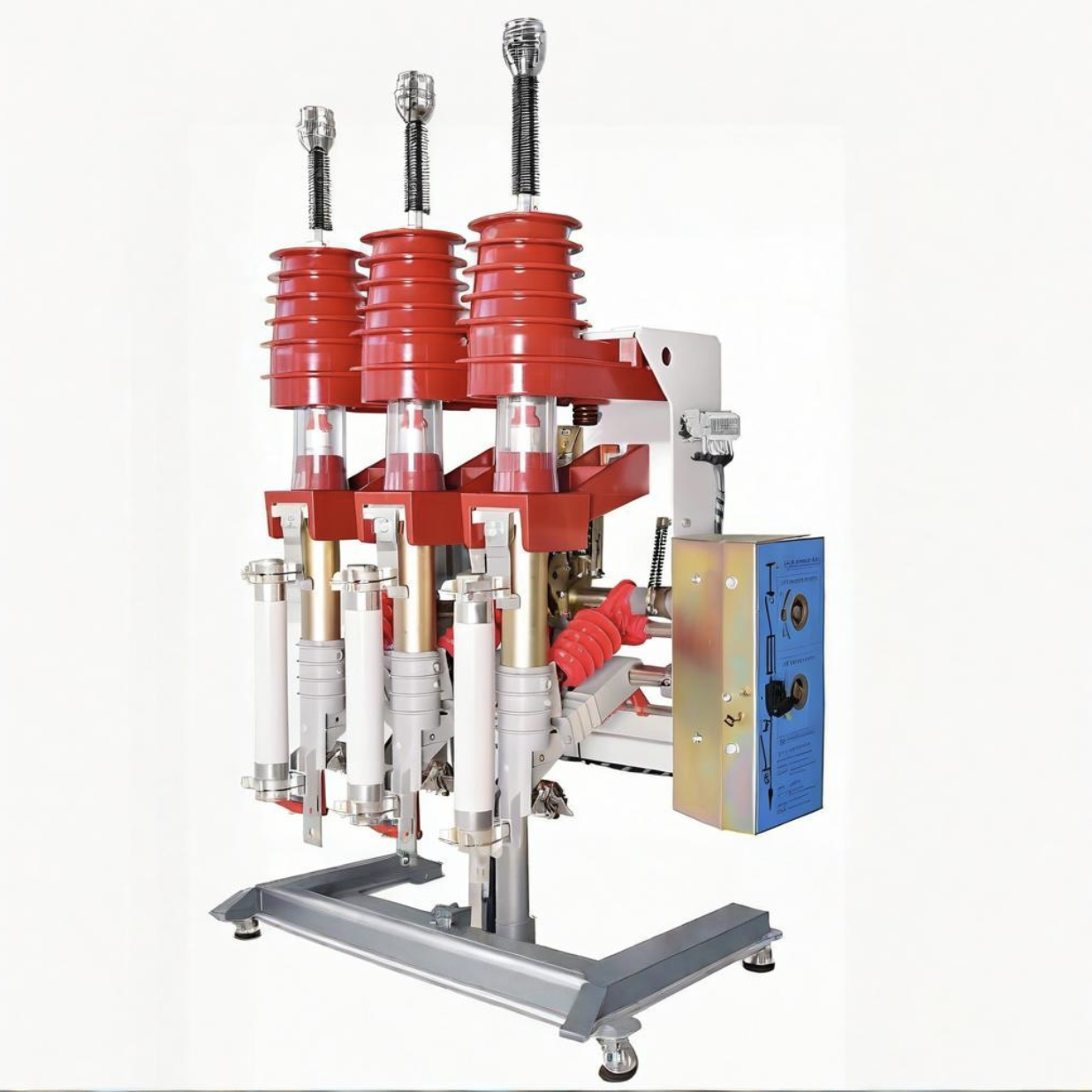
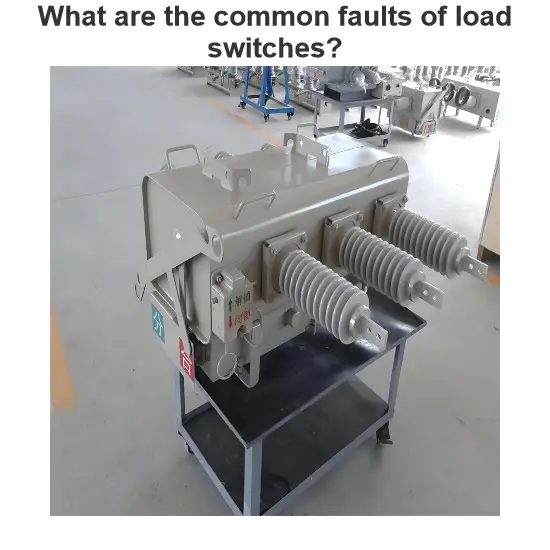
What are the common faults of load switches?
As an on-site maintenance technician, I frequently deal with electrical, mechanical, and insulation faults in load switches. The following outlines fault manifestations, causes, and solutions:I. Electrical Fault Handling(1) Contact HeatingContact heating is mainly caused by poor contact, insufficient pressure, or three-phase asynchrony. When the contact resistance exceeds 1.5 times the initial value, the temperature rise will exceed the standard in a 40℃ environment. For example, the FW4-10 swit
06/28/2025
Consult
Tip
Consult
Tip
Send inquiry
+86
Click to upload file
Download
Get the IEE Business Application
Use the IEE-Business app to find equipment, obtain solutions, connect with experts, and participate in industry collaboration anytime, anywhere—fully supporting the development of your power projects and business.