• Product
  • Suppliers
  • Manufacturers
  • Solutions
  • Free tools
  • Knowledges
  • Experts
  • Communities
Search


Free Expert Guides on Power Systems, Circuit Design & Electrical Troubleshooting

Access free engineering resources from IEE Business—covering power design, circuit layout, equipment selection, and troubleshooting. Expert-developed guides help engineers, procurement, and project teams make better decisions. Stay ahead on smart grids, renewables, efficiency, and AI tools. Improve reliability, reduce downtime, and enhance outcomes with real-world solutions. Explore our knowledge hub today.
Common Electrical Equipment Questions and Answers
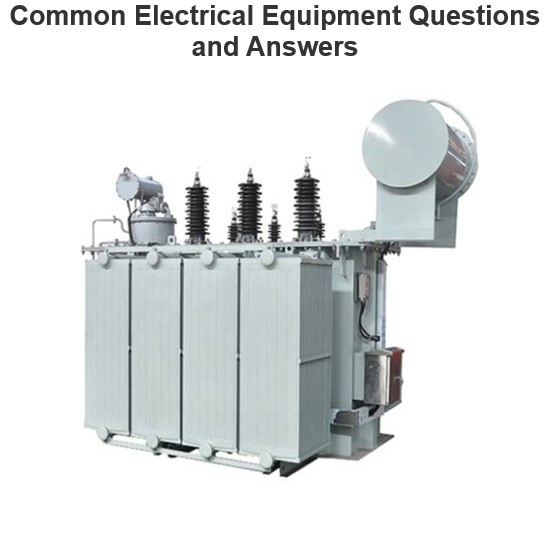
Why is a ZnO surge arrester installed between the power capacitor and its breaker?A ZnO surge arrester is installed to prevent overvoltage caused by switching operations, thereby ensuring the safe operation of electrical equipment. What is the difference between an energy meter and a power meter?A power meter indicates the instantaneous power output or consumption, while an energy meter records the total energy produced, transmitted, or consumed over a specific period. What are the requirements
08/02/2025
Consult
Tip
Consult
Tip
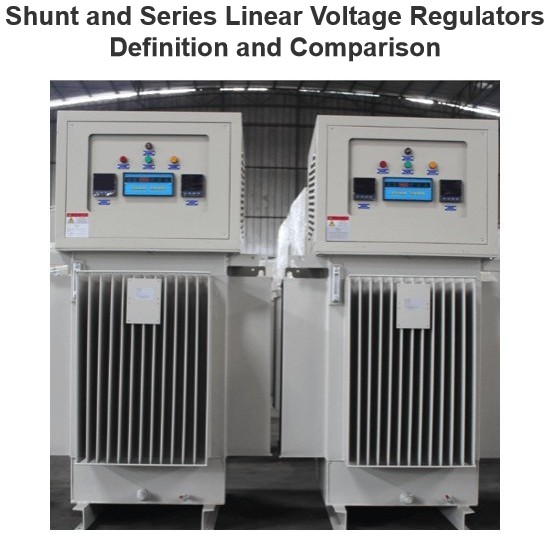
Shunt and Series Linear Voltage Regulators Definition and Comparison
Linear voltage regulators are mainly classified into shunt voltage regulators and series voltage regulators. The key difference between the two lies in their control element configurations: in a shunt voltage regulator, the control element is connected in parallel with the load, whereas in a series voltage regulator, the control element is connected in series with the load. These two regulator circuits operate on distinct principles, thus each having its own advantages and disadvantages, which w
08/02/2025
Consult
Tip
Consult
Tip
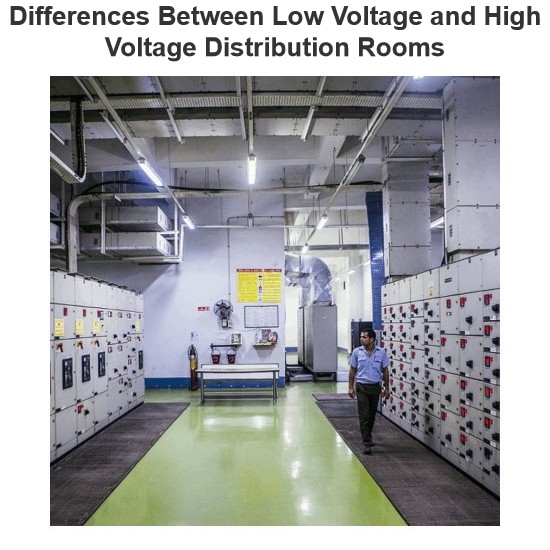
Differences Between Low Voltage and High Voltage Distribution Rooms
1 Power and Voltage Levels Low-Voltage Distribution Room: Typically refers to distribution equipment operating at 1000V or lower, with a focus on 400V rooms fed by 10kV or 35kV station transformers. It has relatively small power capacity and is primarily responsible for distributing electricity to end users, households, and directly connected equipment. High-Voltage Distribution Room: Encompasses distribution equipment with higher voltage levels, usually 6kV to 10kV. It features larger power cap
08/02/2025
Consult
Tip
Consult
Tip
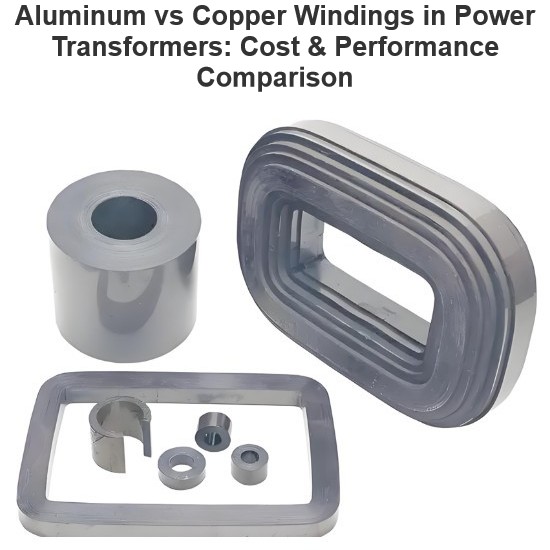
Aluminum vs Copper Windings in Power Transformers: Cost & Performance Comparison
Currently, the market price of copper remains high, fluctuating in the range of 70,000 to 80,000 yuan per ton. In contrast, the price of aluminum stays low, lingering in the range of 18,000 to 20,000 yuan per ton. For power transformers, replacing copper windings with aluminum windings in design will undoubtedly significantly reduce the material cost of products, bringing substantial cost savings to end customers.For a long time, it has been widely believed in the industry that aluminum windings
08/01/2025
Consult
Tip
Consult
Tip
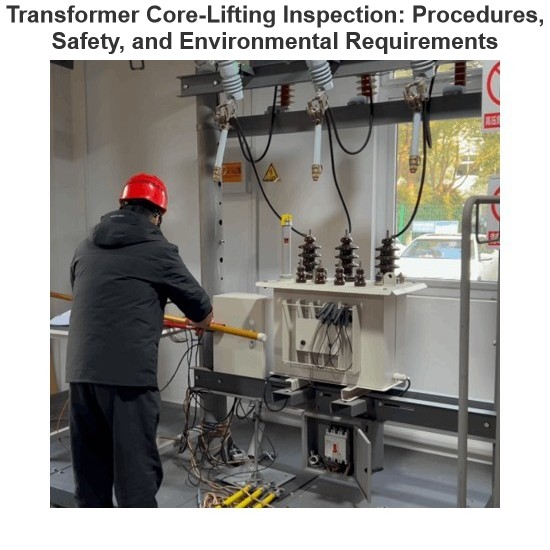
Transformer Core-Lifting Inspection: Procedures, Safety, and Environmental Requirements
1.Environmental Requirements for Transformer Core-Lifting Inspection1.1 General Environmental ConditionsCore - lifting operations are preferably carried out indoors. For large transformers that have to be operated outdoors due to specific conditions, sufficient measures must be taken to prevent moisture and dust contamination.Core - lifting should not be conducted during rainy or snowy weather or when the relative humidity exceeds 75%.The ambient air temperature during core - lifting should not
08/01/2025
Consult
Tip
Consult
Tip
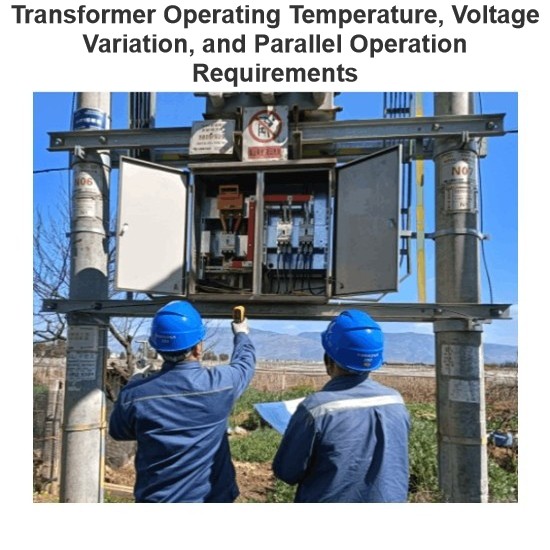
Transformer Operating Temperature, Voltage Variation, and Parallel Operation Requirements
Transformer Operating TemperatureDuring operation, transformers generate copper losses and iron losses, both of which are converted into heat, causing the transformer’s temperature to rise. Most transformers in China use Class A insulation. Due to heat transfer characteristics, significant temperature differences exist between different components during operation: winding temperature is the highest, followed by the core, and then the temperature of the insulating oil (with upper-layer oil being
07/31/2025
Consult
Tip
Consult
Tip
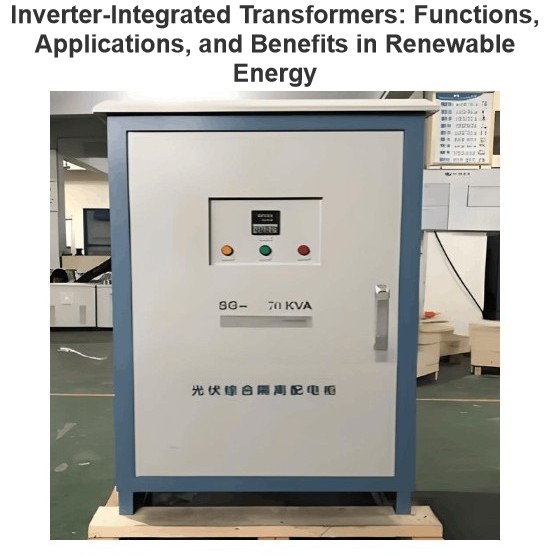
Inverter-Integrated Transformers: Functions, Applications, and Benefits in Renewable Energy
An inverter-integrated transformer is a power conversion device that combines the functions of an inverter and a transformer into a single unit. Widely utilized in renewable energy systems such as solar photovoltaic (PV) and wind power generation, its primary role is to convert direct current (DC) to alternating current (AC) while adjusting voltage levels (stepping up or down) via the transformer, ensuring compatibility with grid requirements or specific load demands.1. Basic Functions and Opera
07/31/2025
Consult
Tip
Consult
Tip
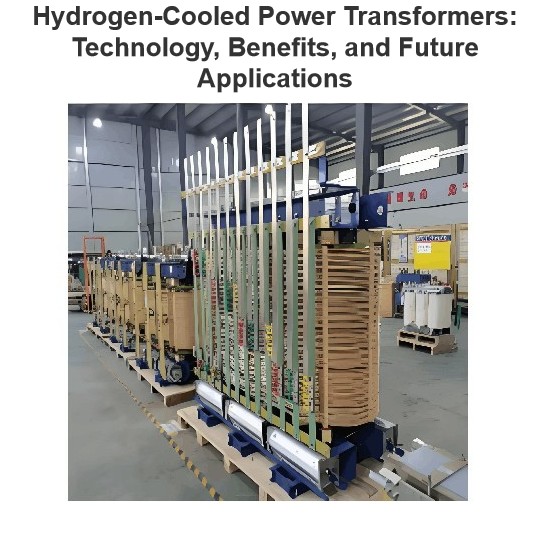
Hydrogen-Cooled Power Transformers: Technology, Benefits, and Future Applications
Power transformers are pivotal components in electrical grids, tasked with voltage conversion to enable efficient electricity transmission and distribution. As global energy demands surge and grid architectures grow increasingly complex, there is an urgent need for advanced transformer technologies that enhance efficiency, minimize environmental impact, and ensure operational reliability. Among emerging innovations, hydrogen-cooled power transformer technology has emerged as a particularly promi
07/31/2025
Consult
Tip
Consult
Tip
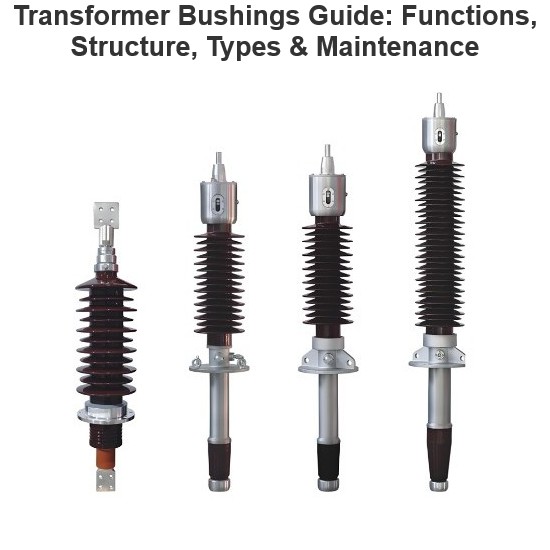
Transformer Bushings Guide: Functions, Structure, Types & Maintenance
1. Functions of Transformer BushingsThe core function of transformer bushings is to lead the coil leads out to the external environment. They serve both as insulating components between the leads and the oil tank and as fixing devices for the leads.During the operation of a transformer, bushings continuously carry load currents and, in the event of an external short circuit, withstand short-circuit currents. Therefore, transformer bushings must meet the following requirements: Possess specified
07/31/2025
Consult
Tip
Consult
Tip
High-Voltage Power Transformers: Applications, Features & Future Trends
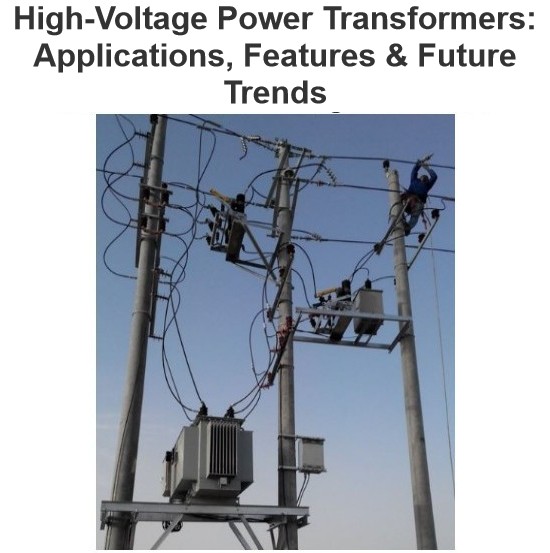
High - voltage power transformers (above 10 kV) are extensively applied in various sectors, spanning residential and industrial fields. The following is a detailed overview of their main application scenarios and technical characteristics:1. Urban and Civil Applications1.1 Residential Communities and Commercial CentersThe 10 kV - rated combination transformer, favored for its compact size and fully sealed structure, is widely used in new residential complexes, shopping centers, and high - rise b
07/31/2025
Consult
Tip
Consult
Tip
Send inquiry
+86
Click to upload file
Download
Get the IEE Business Application
Use the IEE-Business app to find equipment, obtain solutions, connect with experts, and participate in industry collaboration anytime, anywhere—fully supporting the development of your power projects and business.