• Product
  • Suppliers
  • Manufacturers
  • Solutions
  • Free tools
  • Knowledges
  • Experts
  • Communities
Search


Free Expert Guides on Power Systems, Circuit Design & Electrical Troubleshooting

Access free engineering resources from IEE Business—covering power design, circuit layout, equipment selection, and troubleshooting. Expert-developed guides help engineers, procurement, and project teams make better decisions. Stay ahead on smart grids, renewables, efficiency, and AI tools. Improve reliability, reduce downtime, and enhance outcomes with real-world solutions. Explore our knowledge hub today.
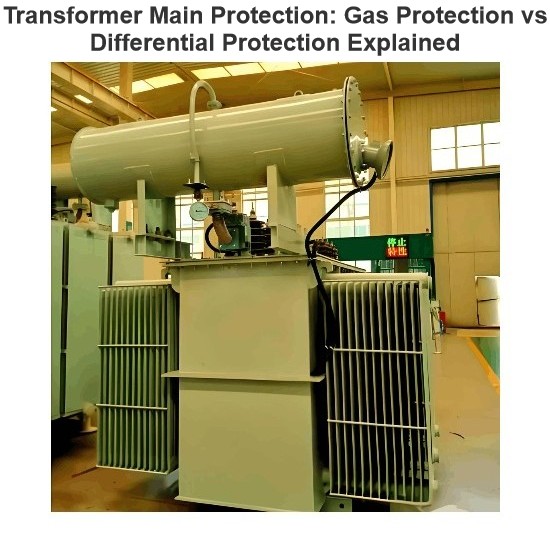
Transformer Main Protection: Gas Protection vs Differential Protection Explained
Transformer Main ProtectionThe main protection for transformers consists of gas protection and differential protection.Gas ProtectionGas protection is a protective mechanism that responds to internal faults within the transformer tank and to a drop in oil level. When an internal fault occurs in the transformer tank, gases generated from the decomposition of transformer oil and insulation materials due to fault currents and arcing flow from the tank toward the upper part of the oil conservator. T
08/12/2025
Consult
Tip
Consult
Tip
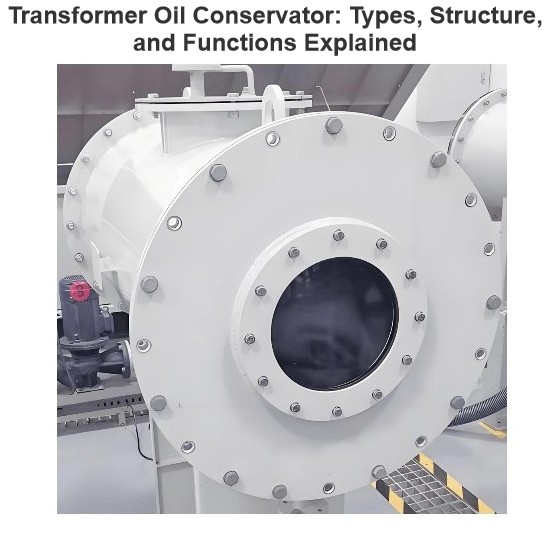
Transformer Oil Conservator: Types, Structure, and Functions Explained
Introduction to Transformer Oil ConservatorThe oil conservator is a crucial oil storage device for transformers. When the transformer load increases and the oil temperature rises, the insulating oil inside the tank expands due to heat, causing excess oil to flow into the conservator. Conversely, when the temperature decreases, the oil in the conservator flows back into the tank. This process enables automatic oil level regulation, allowing the conservator to serve both oil storage and replenishm
08/12/2025
Consult
Tip
Consult
Tip
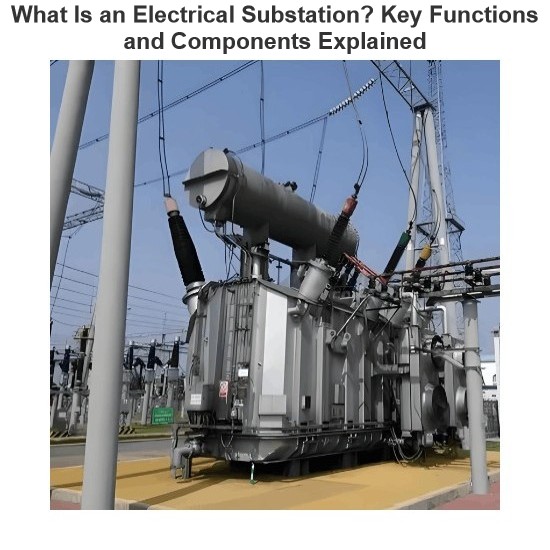
What Is an Electrical Substation? Key Functions and Components Explained
An electrical substation is a critical component of the power transmission and distribution system. Its primary function is to receive electricity from high-voltage transmission lines and deliver it at lower voltages suitable for end users, such as homes, businesses, and other consumers. The operation of a substation can be summarized as follows:Step-down Transformer: Electricity generated at power plants is transmitted over long distances at high voltages to reduce energy losses. Upon reaching
08/12/2025
Consult
Tip
Consult
Tip
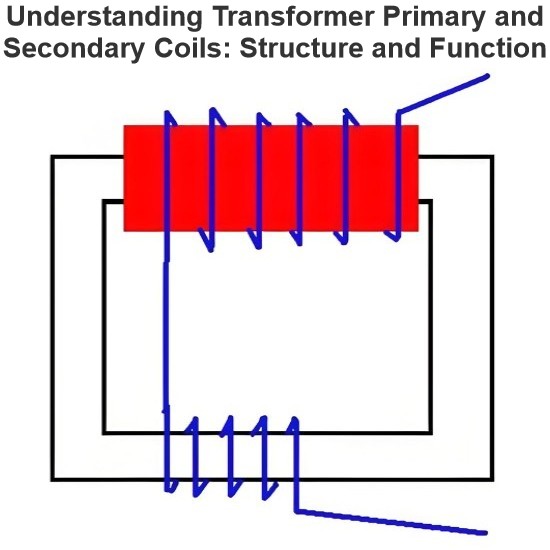
Understanding Transformer Primary and Secondary Coils: Structure and Function
The primary and secondary coils are two fundamental components of a transformer, enabling the transmission and transformation of electrical energy through the principle of electromagnetic induction. The primary coil receives high-voltage current from the input source and generates a varying magnetic field, while the secondary coil, influenced by this magnetic field, produces a corresponding output voltage. Their interaction allows the transformer to perform voltage conversion, facilitating effic
08/12/2025
Consult
Tip
Consult
Tip
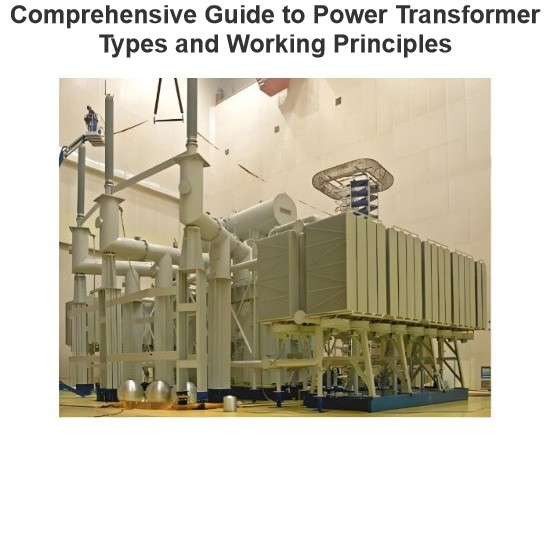
Comprehensive Guide to Power Transformer Types and Working Principles
Power transformers can be classified into several categories based on their purpose, structure, and other characteristics: According to purpose: Step-up transformer:Increases voltage from low to high levels, enabling efficient long-distance power transmission. Step-down transformer:Decreases voltage from high to low levels, supplying power to local or nearby loads through distribution networks. According to phase number: Single-phase transformer Three-phase transformer According to windi
08/11/2025
Consult
Tip
Consult
Tip
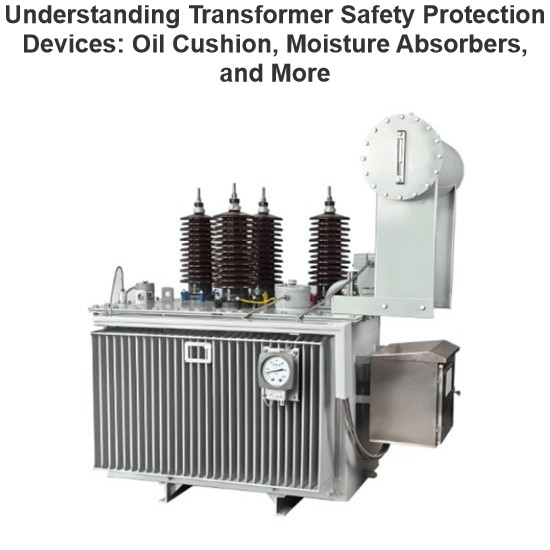
Understanding Transformer Safety Protection Devices: Oil Cushion, Moisture Absorbers, and More
Transformer Main Body Construction and Safety Protection DevicesA power transformer is equipped with several critical safety protection devices to ensure reliable and safe operation. These components play essential roles in monitoring, protecting, and maintaining the integrity of the transformer under varying operating conditions.1. Oil Cushion (Conservator Tank)The oil cushion, also known as the conservator tank, typically has a capacity of approximately 8–10% of the total transformer
08/09/2025
Consult
Tip
Consult
Tip
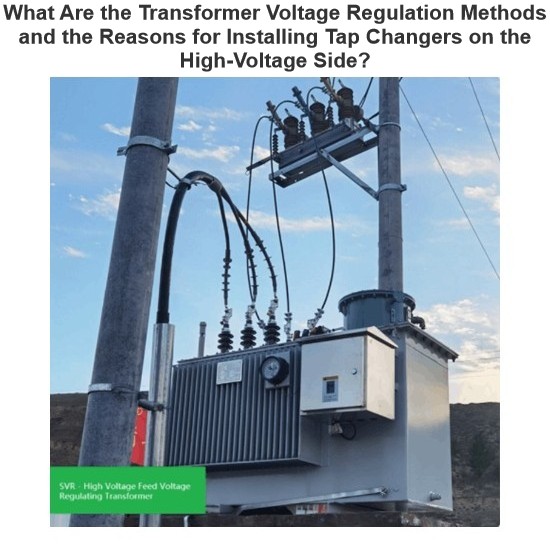
What Are the Transformer Voltage Regulation Methods and the Reasons for Installing Tap Changers on the High-Voltage Side?
Transformer voltage regulation can be achieved through on-load tap changing (OLTC) and off-load tap changing:On-load voltage regulation allows the transformer to adjust its tap position while in operation, thereby changing the turns ratio to regulate voltage. There are two methods: line-end regulation and neutral-point regulation. Line-end regulation involves placing the tap on the line end of the high-voltage winding, whereas neutral-point regulation places the tap on the neutral end of the hig
08/09/2025
Consult
Tip
Consult
Tip
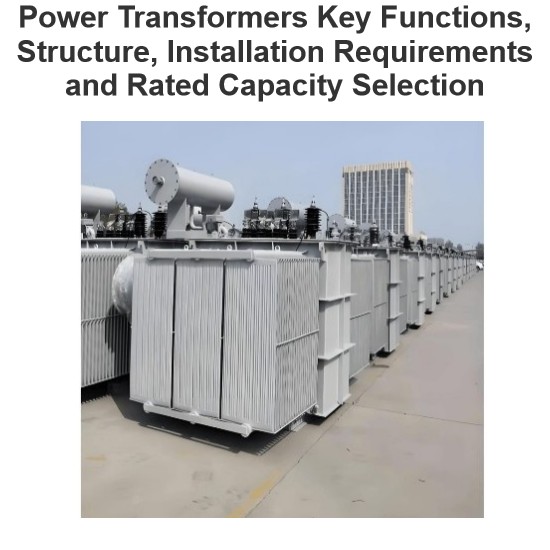
Power Transformers Key Functions, Structure, Installation Requirements and Rated Capacity Selection
The power transformer is a key component in power plants and substations. Its functions are diverse: it can step up voltage to transmit electrical energy over long distances to load centers, as well as step down voltage to various required levels to meet different power demands. In short, both voltage step-up and step-down processes are accomplished through transformers.In power system transmission, voltage and power losses are inevitable. When transmitting a constant amount of power, voltage dr
08/08/2025
Consult
Tip
Consult
Tip
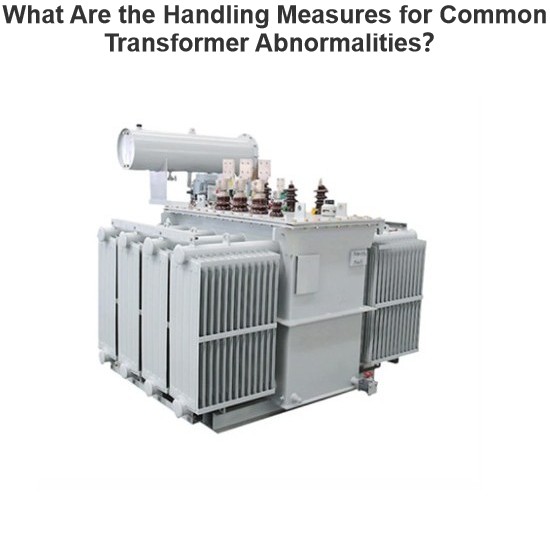
What Are the Handling Measures for Common Transformer Abnormalities?
1. Abnormal Temperature Rise of the TransformerWhen the transformer's oil temperature or coil temperature exceeds the allowable value during operation, the following steps should be taken to identify the cause and take measures to reduce the temperature: Check the oil temperature and coil temperature that should be present under the load and cooling medium temperature. Check if the temperature displayed on the CRT of the transformer is normal. Check if the cooling device is functioning properly,
08/08/2025
Consult
Tip
Consult
Tip
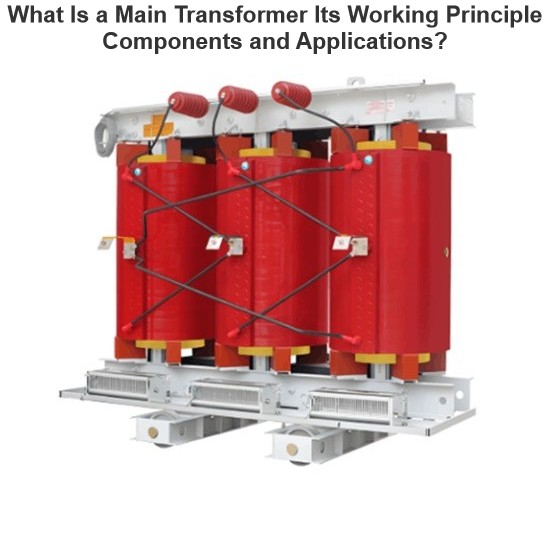
What Is a Main Transformer Its Working Principle Components and Applications?
Main TransformerThe main transformer is primarily responsible for converting the high-voltage electrical energy generated at power plants into lower-voltage electrical energy suitable for transmission, distribution, and end-use. This process involves stepping down voltage from high to low levels.Working PrincipleThe main transformer operates based on the principles of electromagnetic induction and voltage transformation. When an alternating current (AC) is applied to the high-voltage winding, it
08/07/2025
Consult
Tip
Consult
Tip
Send inquiry
+86
Click to upload file
Download
Get the IEE Business Application
Use the IEE-Business app to find equipment, obtain solutions, connect with experts, and participate in industry collaboration anytime, anywhere—fully supporting the development of your power projects and business.