• Product
  • Suppliers
  • Manufacturers
  • Solutions
  • Free tools
  • Knowledges
  • Experts
  • Communities
Search


Free Expert Guides on Power Systems, Circuit Design & Electrical Troubleshooting

Access free engineering resources from IEE Business—covering power design, circuit layout, equipment selection, and troubleshooting. Expert-developed guides help engineers, procurement, and project teams make better decisions. Stay ahead on smart grids, renewables, efficiency, and AI tools. Improve reliability, reduce downtime, and enhance outcomes with real-world solutions. Explore our knowledge hub today.
How Copper Loss Affects Autotransformer Efficiency and Ways to Minimize It
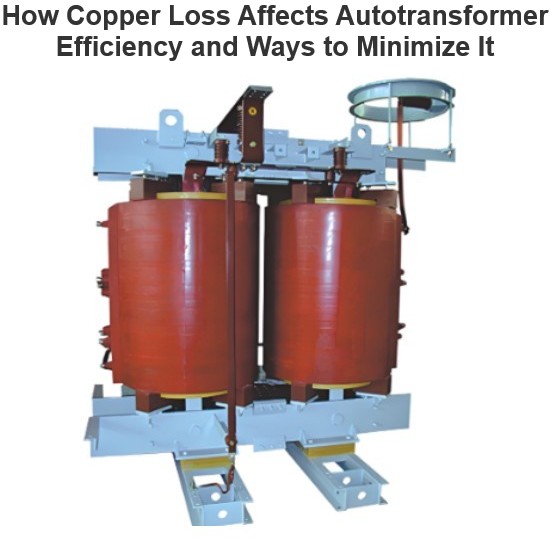
Copper loss, also known as I²R loss, occurs in the winding of an autotransformer just as it does in other types of transformers. This loss arises due to the resistance of the copper conductors in the windings. When current flows through the winding, electrical energy is converted into heat as a result of this resistance.In an autotransformer, which uses a single winding for both primary and secondary functions, copper loss is still present. The copper loss is calculated using the formul
08/15/2025
Consult
Tip
Consult
Tip
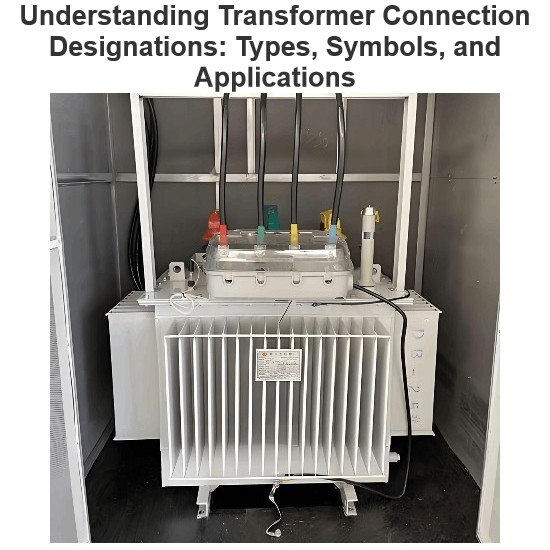
Understanding Transformer Connection Designations: Types, Symbols, and Applications
Transformer Connection DesignationsThe transformer connection designation indicates the winding connection method and the phase relationship between the line voltages of the primary and secondary windings. It consists of two parts: letters and a number. The letters on the left denote the connection configurations of the high-voltage and low-voltage windings, while the number on the right is an integer from 0 to 11.This number represents the phase shift of the low-voltage winding's line voltage r
08/15/2025
Consult
Tip
Consult
Tip
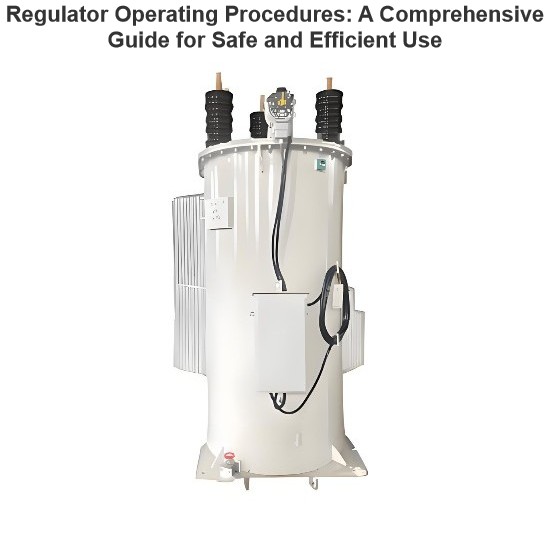
Regulator Operating Procedures: A Comprehensive Guide for Safe and Efficient Use
Regulator Operating Procedures PurposeA regulator is a critical device used to control the pressure of gases or liquids, widely applied in industrial production and laboratory environments. This procedure aims to standardize the operation of regulators to ensure safety, accuracy, and efficiency. Pre-Operation Preparation Confirm that operators have received appropriate training and are familiar with the basic principles and operational procedures of the regulator. Inspect the regulator&rsquo
08/15/2025
Consult
Tip
Consult
Tip
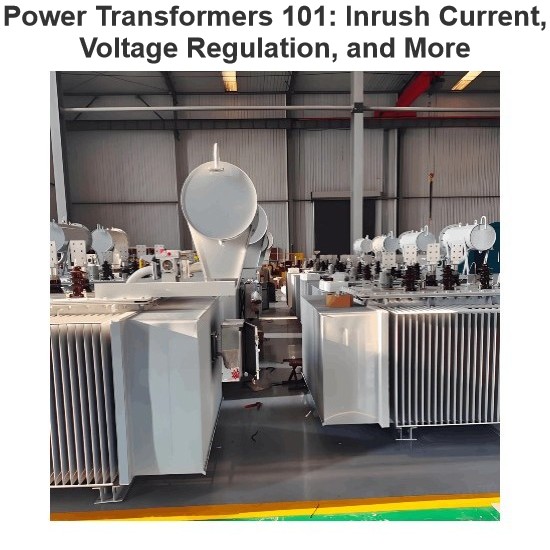
Power Transformers 101: Inrush Current, Voltage Regulation, and More
What are the types of power transformers, and what are their main components?Power transformers are available in various types to meet the evolving demands of power systems. They can be classified as single-phase or three-phase based on phase configuration; core-type or shell-type according to the relative arrangement of windings and core; and dry-type, air-cooled, forced oil circulation air-cooled, or water-cooled based on cooling methods. In terms of neutral point insulation, transformers are
08/15/2025
Consult
Tip
Consult
Tip
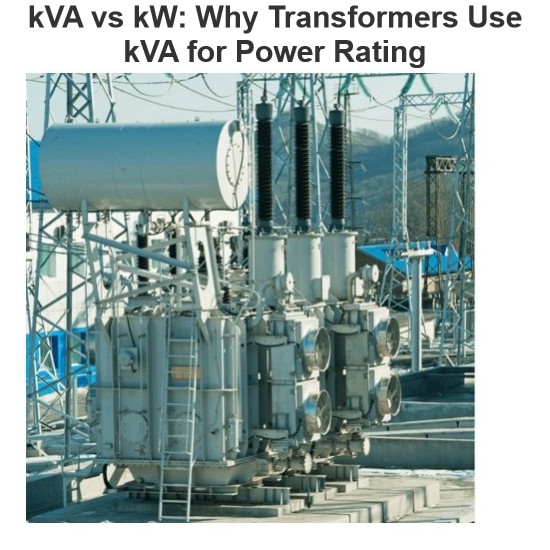
kVA vs kW: Why Transformers Use kVA for Power Rating
The use of kVA (kilovolt-amperes) instead of kW (kilowatts) to rate transformers stems from the fundamental distinction between real power (kW) and apparent power (kVA) in electrical systems. Transformers transfer electrical energy between circuits via electromagnetic induction, and their kVA rating accounts for both real and reactive power.Real Power (kW): This is the actual power that performs useful work—such as producing mechanical energy, heat, or light—and reflects the
08/14/2025
Consult
Tip
Consult
Tip
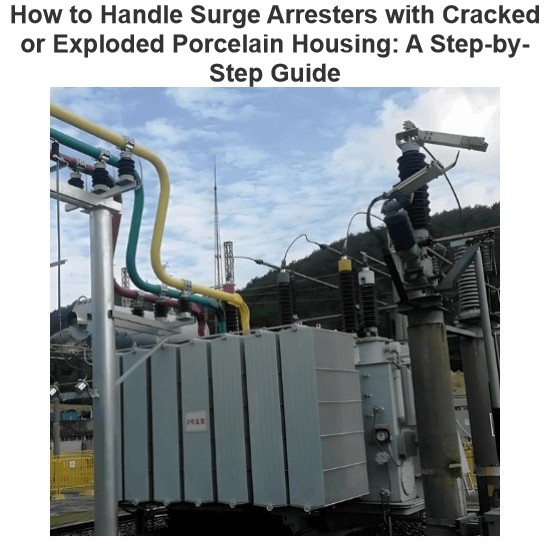
How to Handle Surge Arresters with Cracked or Exploded Porcelain Housing: A Step-by-Step Guide
How should a surge arrester with cracked or exploded porcelain housing be handled?Answer:Handling of Cracked Porcelain Housing: Under normal weather conditions, apply to the dispatcher to de-escalate and replace the damaged phase arrester with a qualified unit. If no spare parts are available, paint or epoxy resin may be applied to the crack to prevent moisture ingress, with replacement scheduled as soon as possible. During thunderstorms, avoid taking the arrester out of service if possible; def
08/14/2025
Consult
Tip
Consult
Tip
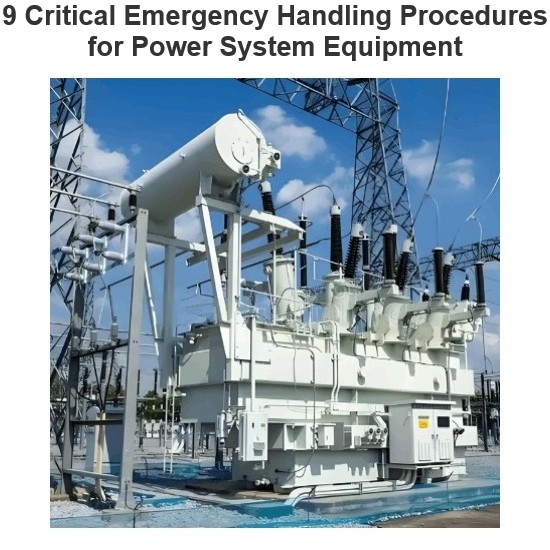
9 Critical Emergency Handling Procedures for Power System Equipment
1. What is accident handling? What are the common types of operations used in accident handling?Answer: Accident handling refers to a series of operational actions taken in response to an emergency that endangers personal, power grid, or equipment safety, or when a power grid or equipment accident occurs. The goal is to quickly rescue personnel, isolate faulty equipment, adjust operating modes, and restore normal operation as soon as possible.Common operation types include: test energizing, forc
08/14/2025
Consult
Tip
Consult
Tip
How a Single-Stack Variable Reluctance Stepper Motor Works: Stator, Rotor, and Phases
A single-stack variable reluctance stepper motor features a salient-pole stator with concentrated windings mounted directly on the stator poles. The number of phases is determined by the connection configuration of these windings, typically comprising three or four windings. The rotor is constructed from ferromagnetic material and contains no windings.Both the stator and rotor are made of high-quality, high-permeability magnetic materials, requiring only a small exciting current to produce a str
08/14/2025
Consult
Tip
Consult
Tip
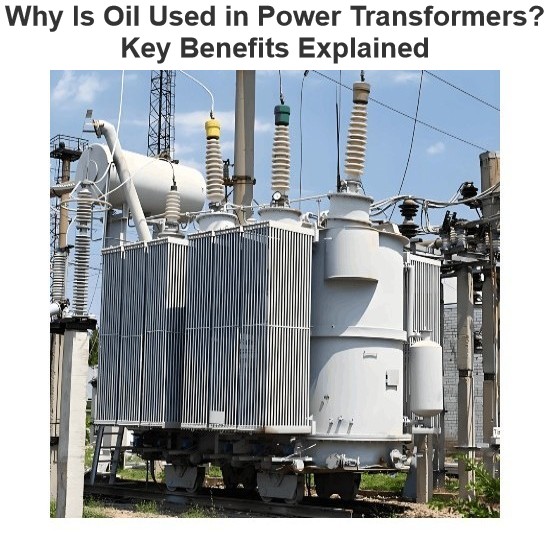
Why Is Oil Used in Power Transformers? Key Benefits Explained
Most power transformers are oil-immersed, as the use of oil as both a cooling and insulating medium has proven highly effective in the electrical industry. Below are the primary reasons for using oil in power transformers:Cooling: Oil possesses excellent cooling properties. It absorbs heat generated during transformer operation—particularly from the windings and core due to electrical losses—and transfers it away, effectively dissipating thermal energy and preventing overheat
08/14/2025
Consult
Tip
Consult
Tip
Understanding Power Transformer Efficiency: Key Factors and Performance
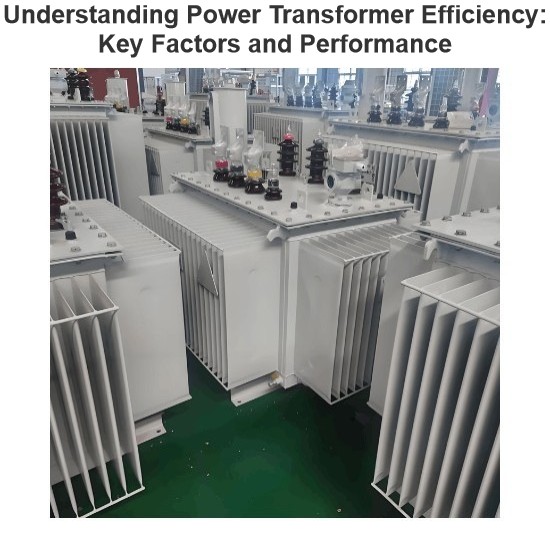
The efficiency of a power transformer is influenced by a variety of factors, including its design, size, and operating conditions. In general, power transformers are highly efficient, with typical efficiencies exceeding 95%, and often reaching 98% or higher. However, actual efficiency can vary depending on load levels, voltage ratings, and specific design characteristics.Transformer efficiency (η) is defined as the ratio of output power to input power, expressed as a percentage:η
08/13/2025
Consult
Tip
Consult
Tip
Send inquiry
+86
Click to upload file
Download
Get the IEE Business Application
Use the IEE-Business app to find equipment, obtain solutions, connect with experts, and participate in industry collaboration anytime, anywhere—fully supporting the development of your power projects and business.