• Product
  • Suppliers
  • Manufacturers
  • Solutions
  • Free tools
  • Knowledges
  • Experts
  • Communities
Search


Free Expert Guides on Power Systems, Circuit Design & Electrical Troubleshooting

Access free engineering resources from IEE Business—covering power design, circuit layout, equipment selection, and troubleshooting. Expert-developed guides help engineers, procurement, and project teams make better decisions. Stay ahead on smart grids, renewables, efficiency, and AI tools. Improve reliability, reduce downtime, and enhance outcomes with real-world solutions. Explore our knowledge hub today.
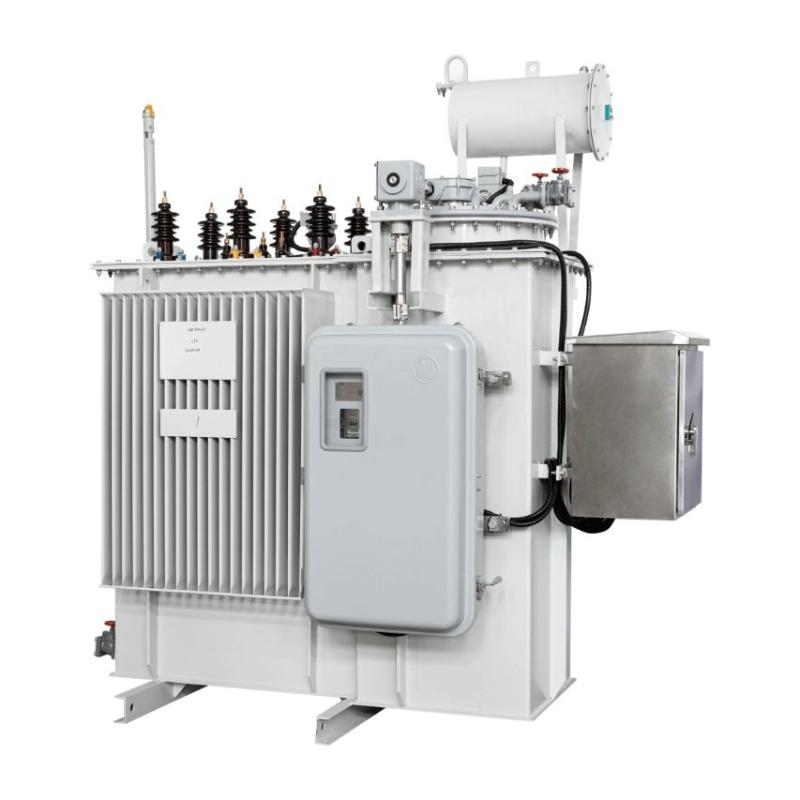
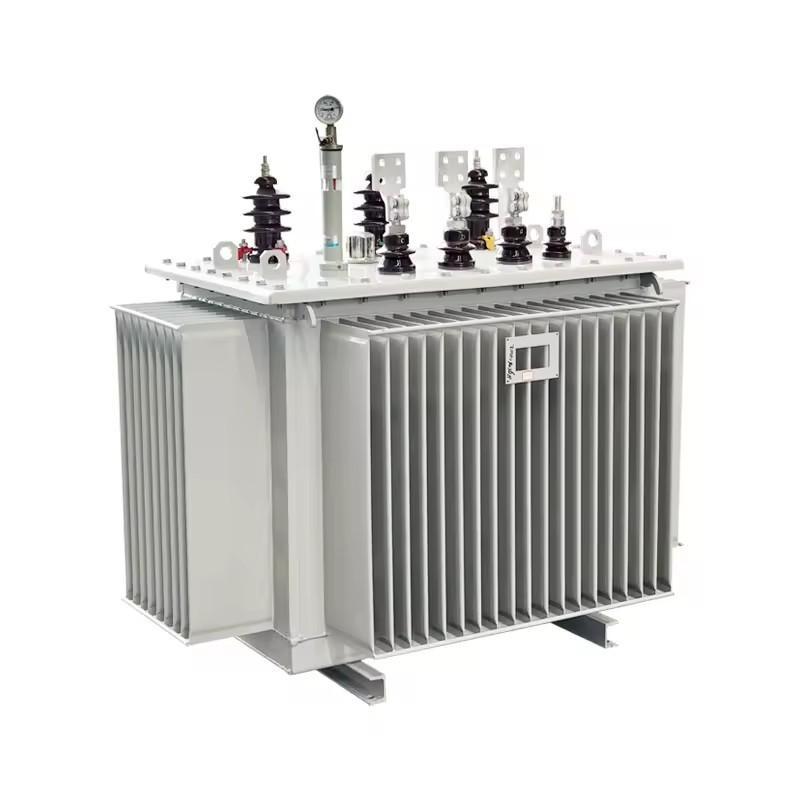
What are the installation procedures and the prescribed sequence for energizing and de-energizing voltage regulators?
Power voltage regulators are a major electrical equipment in distribution substations. Since the power supply capacity of most distribution substations is relatively small, the capacity of voltage regulators is generally below 1000 kV·A. Therefore, voltage regulators are transported to the site as complete units, with all accessories assembled at the factory before shipment. Hence, the installation work of power voltage regulators in distribution substations mainly includes transportation, visua
11/24/2025
Consult
Tip
Consult
Tip
Policy-Driven Transformation: Eco-Friendly Solutions Take Center Stage
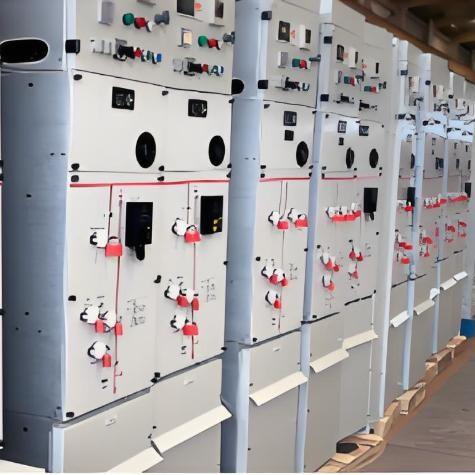
With the implementation of the EU’s new F-Gas Regulation (Regulation (EU) 2024/573), the power equipment industry is entering a countdown toward environmental transformation. The regulation explicitly prohibits, starting in 2026, the use of fluorinated greenhouse gases in medium-voltage switchgear rated at 24 kV and below. This restriction will be extended to equipment up to 52 kV from 2030 onward, accelerating the industry’s shift away from sulfur hexafluoride (SF₆)—a gas with a high global war
11/24/2025
Consult
Tip
Consult
Tip
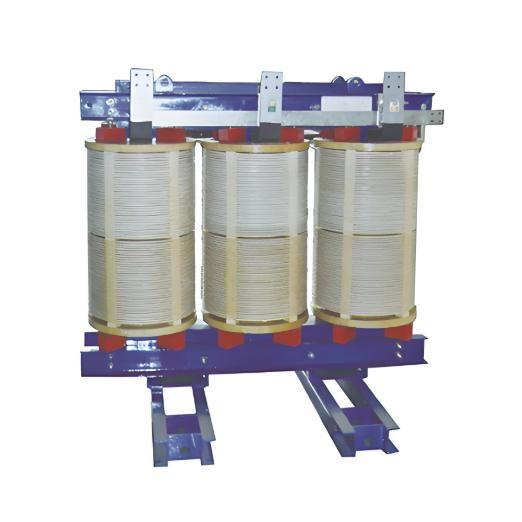
SCB & SGB Dry-Type Transformers Explained
1. IntroductionA transformer operates based on the principle of electromagnetic induction. The main components of a transformer are the windings and the core. During operation, the windings serve as the path for electric current, while the core serves as the path for magnetic flux. When electrical energy is input to the primary winding, the alternating current creates an alternating magnetic field in the core (i.e., electrical energy is converted into magnetic field energy). Due to magnetic link
11/22/2025
Consult
Tip
Consult
Tip
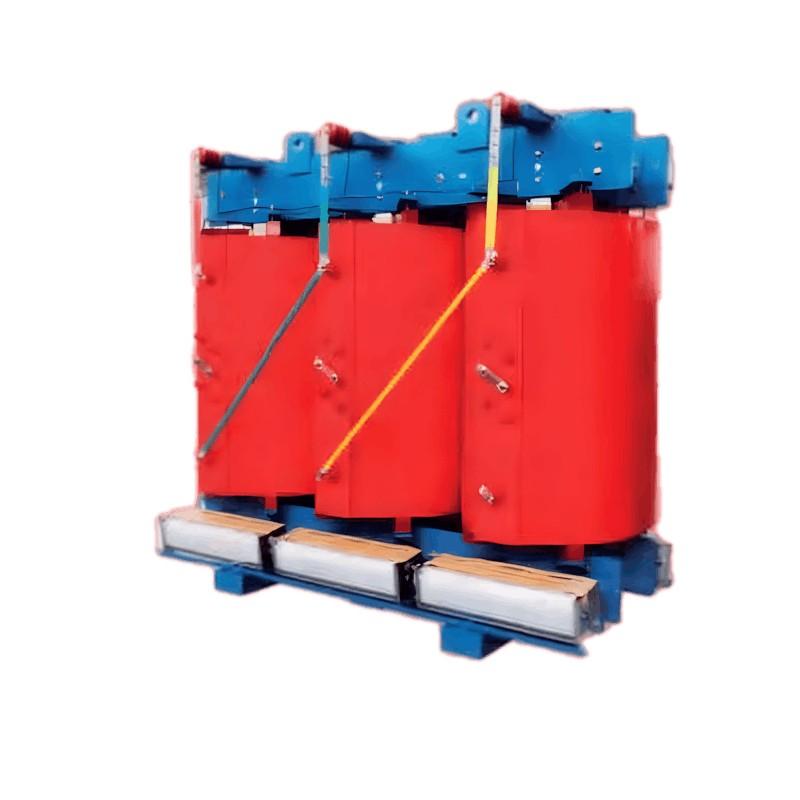
Guide to Characteristics, Installation, Operation, and Commissioning of SC Series Dry-Type Transformers
Dry-type transformers refer to power transformers in which the core and windings are not immersed in oil. Instead, the coils and core are cast together (typically with epoxy resin) and cooled by either natural air convection or forced-air cooling. As a relatively newer type of power distribution equipment, dry-type transformers have been widely used in power transmission and distribution systems in factory workshops, high-rise buildings, commercial centers, airports, ports, subways, and offshore
11/22/2025
Consult
Tip
Consult
Tip
Transformer Testing Procedures Compliant with IEEE C57 and GB 1094 Standards
1. Fundamentals of Transformer Testing1.1 OverviewTransformers are among the most critical pieces of equipment for electric power transmission. Their quality and reliability directly affect the safe and dependable delivery of electricity. Damage to generator transformersor key substation transformers can disrupt power transmission, and repairing or transporting such large units often takes several months.During this downtime, power supply is compromised, adversely impacting industrial and agricu
11/22/2025
Consult
Tip
Consult
Tip
How does the TTC series dry-type transformer temperature controller prevent transformer overheating?
1. Function of Transformer Temperature ControllersToday, power transformers are primarily categorized into two types: oil-immersed and dry-type transformers. Dry-type transformers are widely used in power plants, substations, airports, railways, intelligent buildings, and smart residential communities due to their numerous advantages—such as inherent safety, flame resistance, zero pollution, maintenance-free operation, low losses, minimal partial discharge, and long service life.A key advantage
11/22/2025
Consult
Tip
Consult
Tip
First Fully Unmanned GIS Inspection at ±800kV UHV Station
On October 16, a ±800 kV ultra-high-voltage (UHV) transmission project completed all its maintenance tasks and was fully re-energized. During this period, a regional power company successfully conducted the first-ever fully unmanned inspection of the GIS (Gas-Insulated Switchgear) room at a UHV converter station within this power system.As a key component of China’s “West-to-East Power Transmission” strategy, the ±800 kV UHV project has been in operation since 2016 and has delivered nearly 400 b
11/21/2025
Consult
Tip
Consult
Tip
Latest Development Trends of SF6 Alternative Gas-Based High-Voltage Circuit Breakers
1. IntroductionSF₆ is widely used in electric power transmission and distribution systems, such as gas-insulated switchgear (GIS), circuit breakers (CB), and medium-voltage (MV) load switches. It possesses unique electrical insulation and arc-quenching capabilities. However, SF₆ is also a potent greenhouse gas, with a global warming potential of approximately 23,500 over a 100-year time horizon, and therefore its use is regulated and subject to ongoing discussions regarding restrictions. Consequ
11/21/2025
Consult
Tip
Consult
Tip
The Countdown to SF₆ Phase-Out: Who Will Power the Grid of the Future?
1.IntroductionIn response to climate change, extensive research and development efforts have been undertaken globally to develop various types of SF₆-free gas-insulated switchgear as alternatives to conventional SF₆-based equipment. On the other hand, SF₆-free gas-insulated switchgear has been in service since the late 1960s. By integrally molding live components of the switchgear using solid insulation materials—such as epoxy resin—with dielectric strength significantly higher than that of SF₆,
11/21/2025
Consult
Tip
Consult
Tip
Application of Condition Monitoring Technology in UHV Transmission Lines
1. Application of Condition Monitoring Technology in UHV Transmission LinesAt present, the main characteristics of UHV (Ultra-High Voltage) transmission line condition monitoring technology in China are reflected in the following aspects: Comprehensiveness: In general, during the implementation of monitoring technology, supporting facilities and integrated systems are required to ensure effective monitoring performance; High value: UHV transmission line condition monitoring technology is a criti
11/20/2025
Consult
Tip
Consult
Tip
Send inquiry
+86
Click to upload file
Download
Get the IEE Business Application
Use the IEE-Business app to find equipment, obtain solutions, connect with experts, and participate in industry collaboration anytime, anywhere—fully supporting the development of your power projects and business.