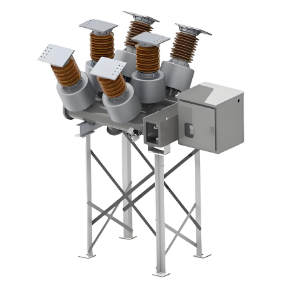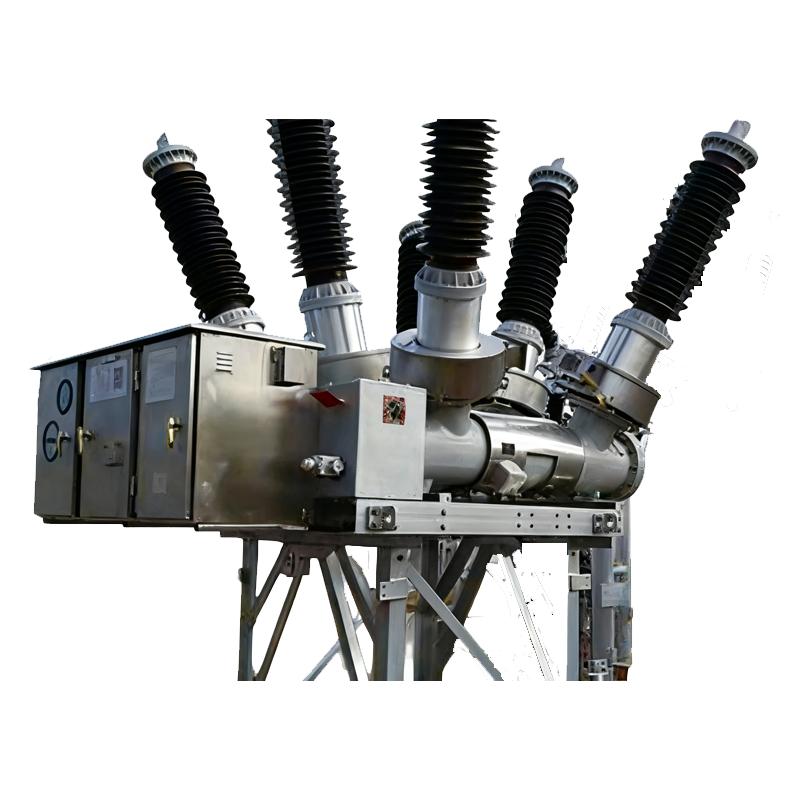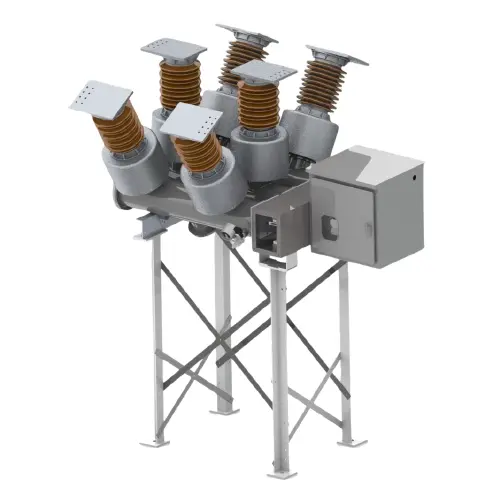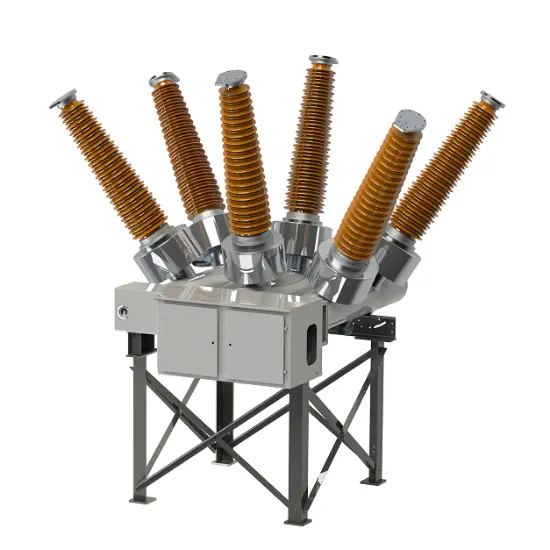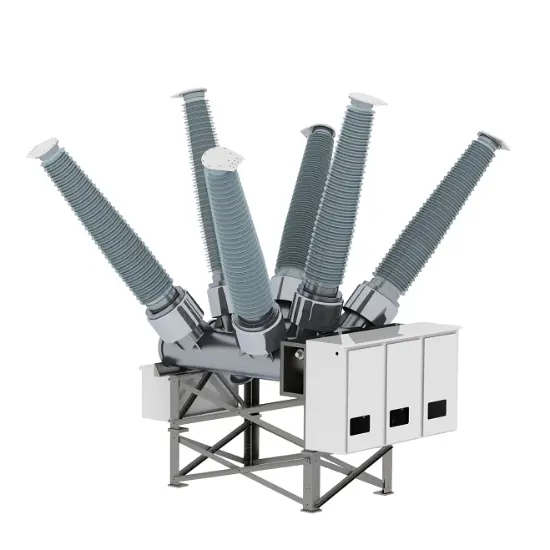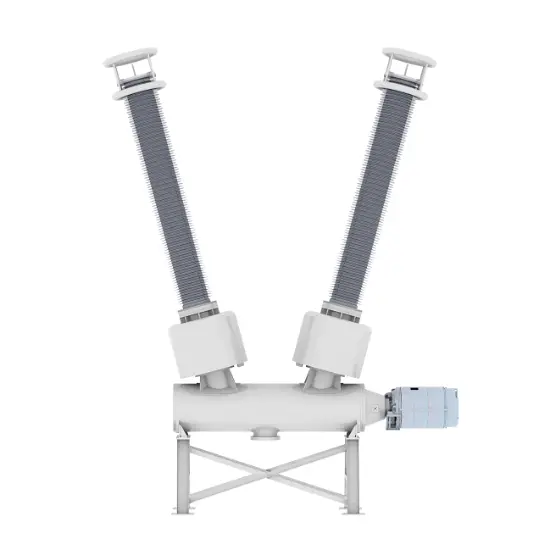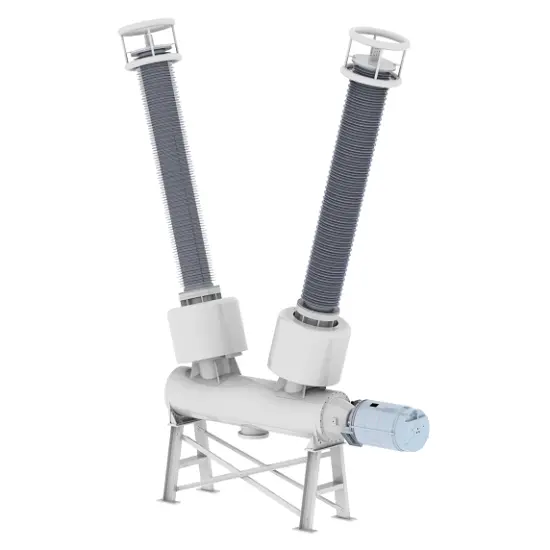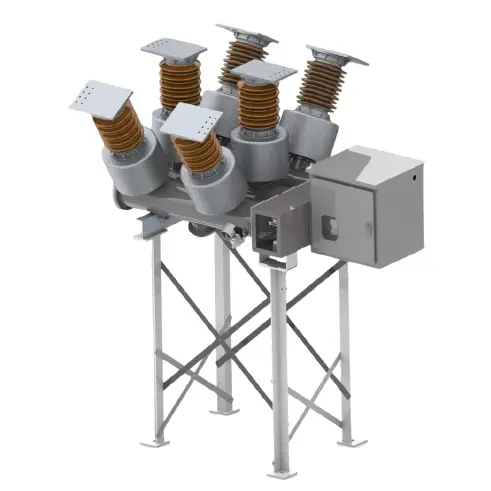
| Brand | ROCKWILL |
| Series | RHD |
| Rated maximum voltage | 40.5-170kV |
| Rated maximum current | 1600-4000A |
| 1min Power frequency withstand voltage | 95-365kV |
| Rated frequency | 50/60 |
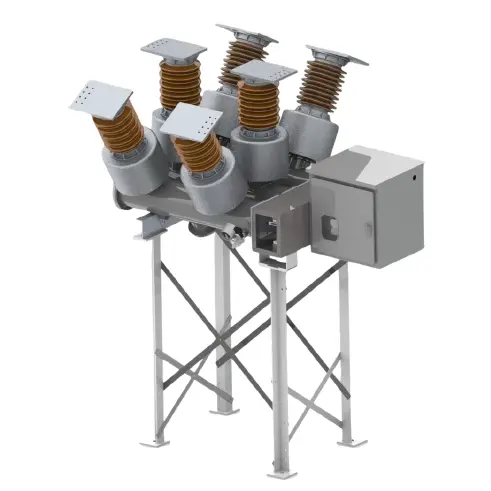
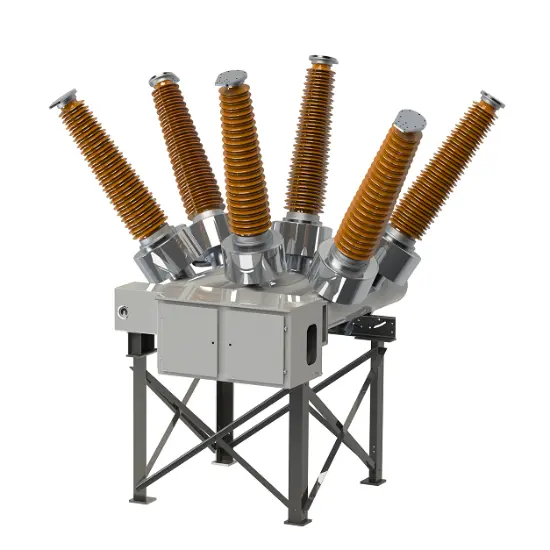
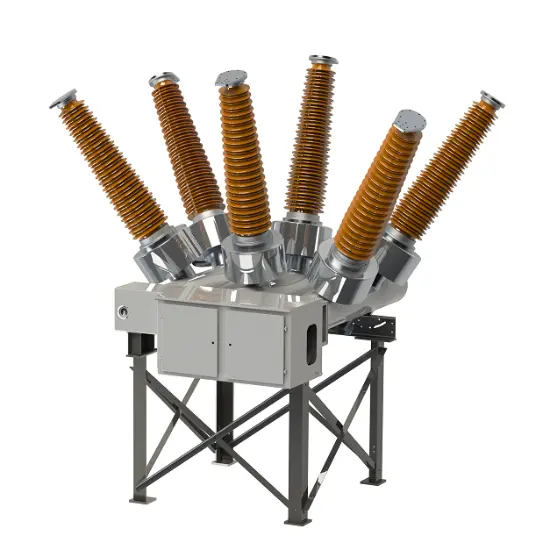
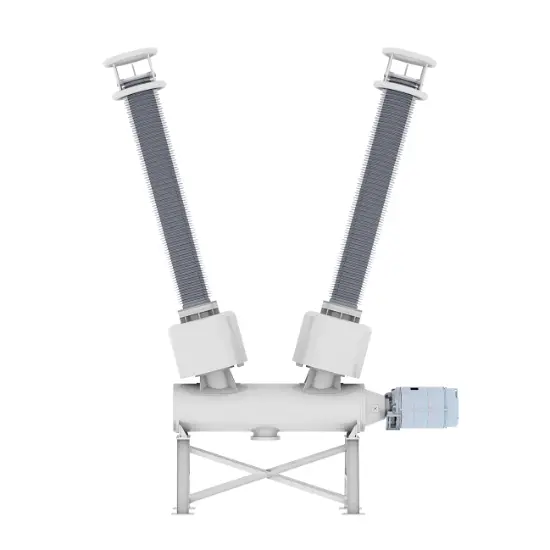
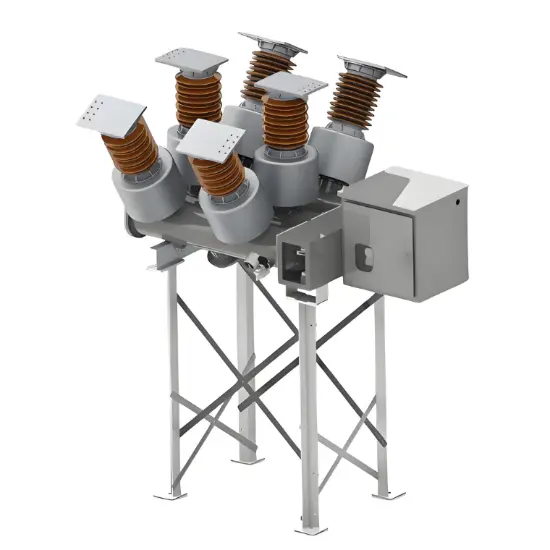
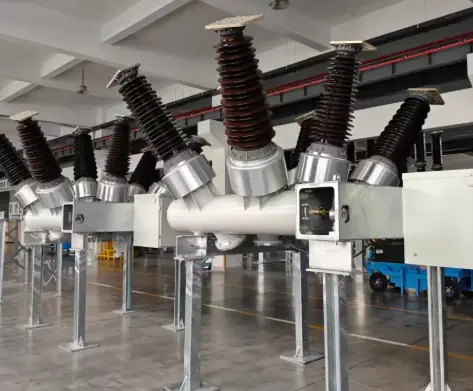
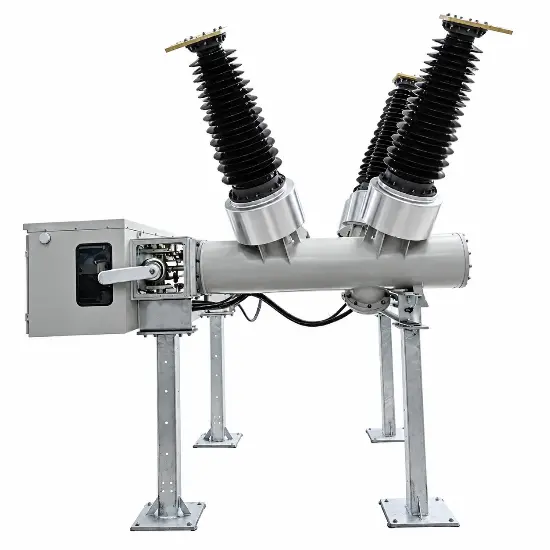
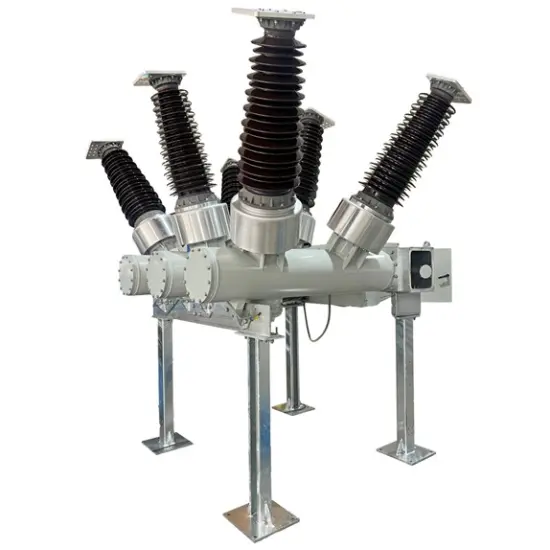
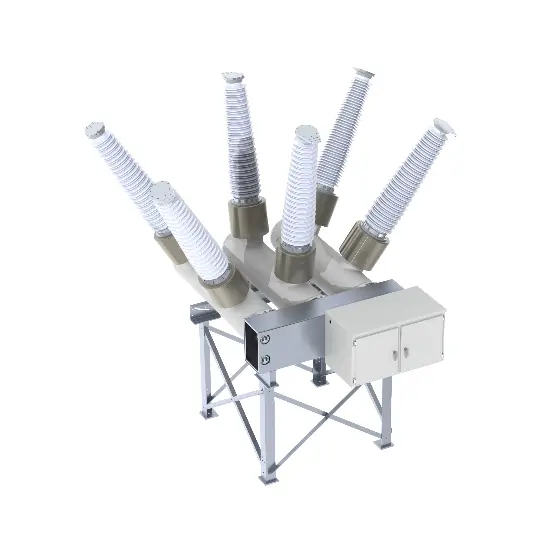
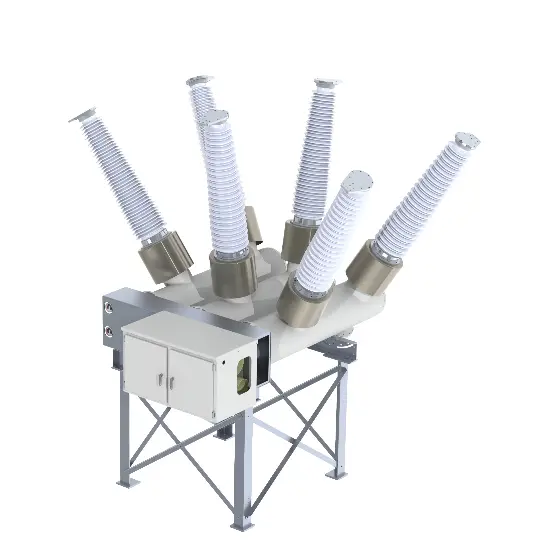
All breakers are fitted with all-spring operating mechanisms featuring simplified construction and superior operational reliability. The actuator boasts a mechanical endurance exceeding 10,000 switching cycles, facilitating easy routine maintenance while fully satisfying oil-free and air-free design specifications.
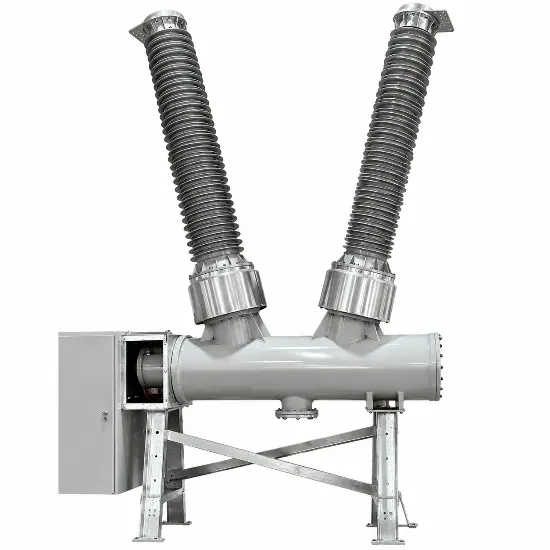
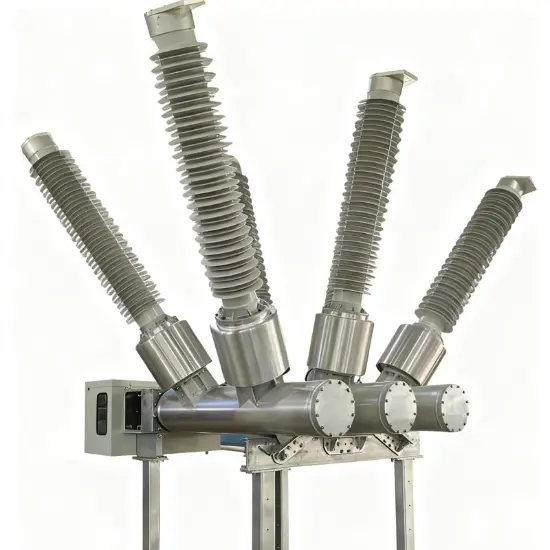
Adopting the self-blast arc extinction principle cuts down required operating energy and further improves overall equipment dependability. All flange connections employ a dual-layer sealing layout: the outer gasket provides water tightness whereas the inner ring ensures gas tightness. This dual-seal setup drastically lowers gas leakage rate and renders the breaker well-suited for long-term outdoor service.
Self-blast arc quenching design lowers operating power and improves breaking reliability.
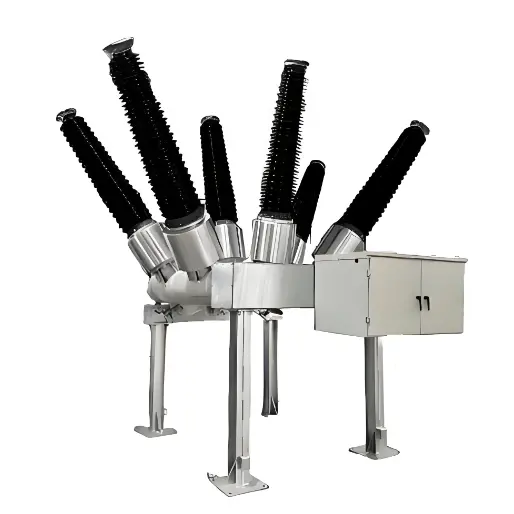
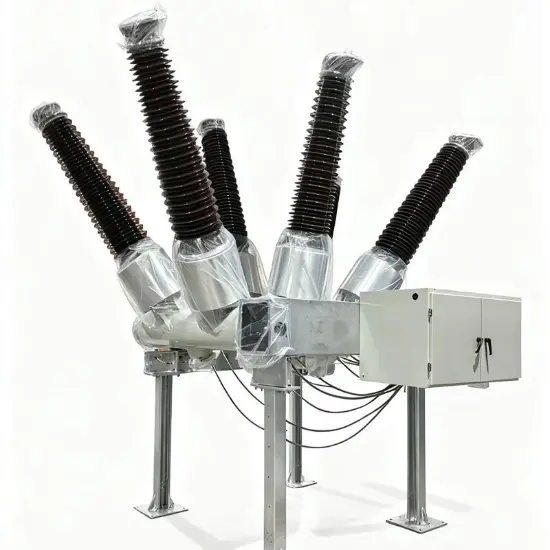
Single/3-phase post porcelain insulator realizes superior pollution-resistant insulation performance.
Pointer density relays continuously monitor gas pressure & density to prevent abnormal running.
Full compliance with global & domestic standards, customizable products with complete design-assembly-test integrated solutions.
| Rated maximum voltage | kV | 40.5, 72.5, 145, 170 |
| Rated maximum current | A | 1600-4000 |
| Rated frequency | Hz | 50/60 |
| 1min Power frequency withstand voltage | kV | 95-365 |
| Lightning impulse withstand voltage | kV | 185-860 |
| First open pole factor | 1.5 | |
| Rated short circuit breaking current | kA | 25-50 |
| Rated short-circuit duration | s | 4, 3 |
| Rated cable/line charging breaking current | A | 100-250 |
| Rated peak withstand current | kA | 80-125 |
| Rated making current (peak) | kA | 80-125 |
| Creepage distance | mm/kV | 25 - 31 |
| Operation sequence | O - 0.3s - CO - 180s - CO | |
| Partial Discharge | pC | ≤10 |
| Breaking time | ms | ≤60 |
| Applied standards | GB/T 1984-2024, IEC 62271-100:2021 |
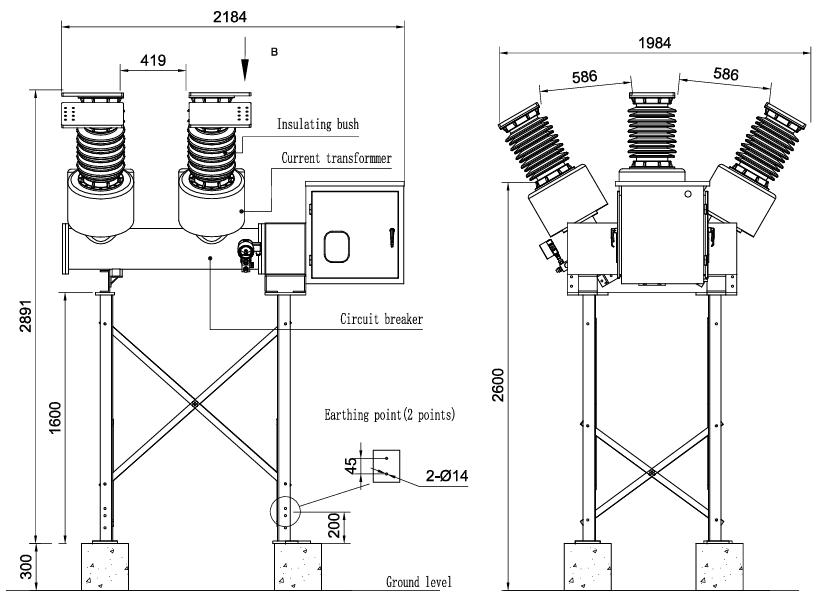
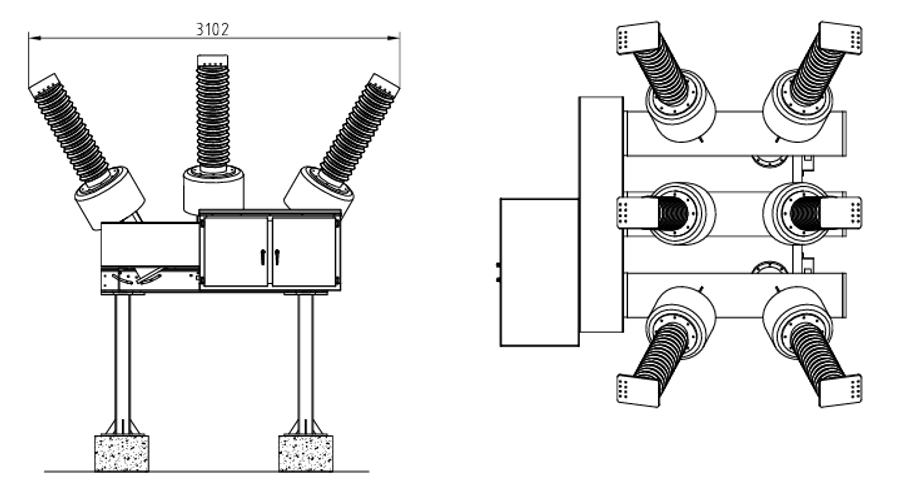
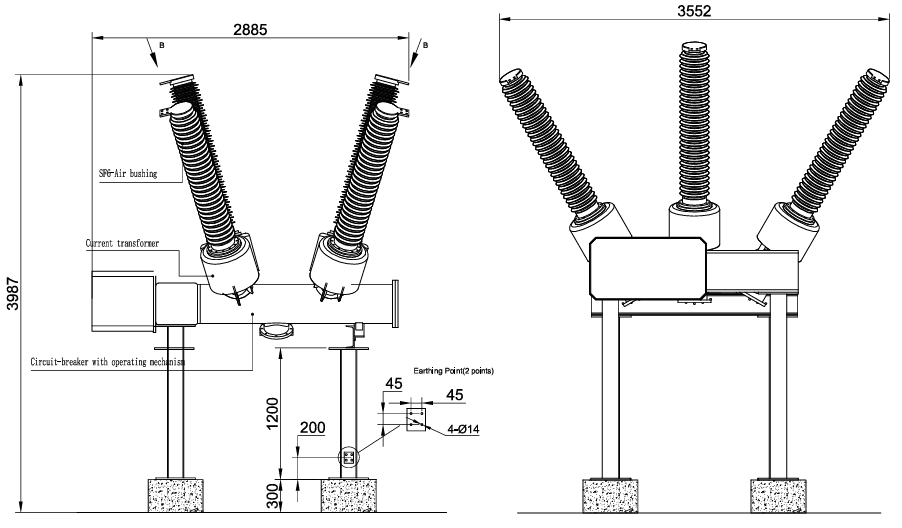
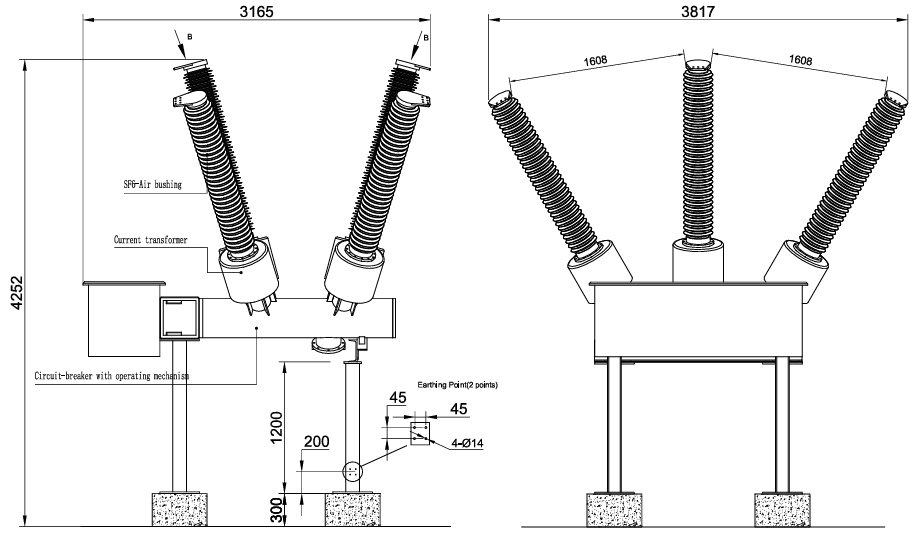
Ambient temperature: -40℃ ~ +55℃
Humidity: Daily average humidity ≤95%, monthly average ≤90%
Wind pressure: less than 700 Pa
Above sea level: Maximum installation altitude: 3000m.
Earthquake intensity: not more than 9 degrees.
Air Contamination: III grade.
If it needs to be installed in plateau areas with an altitude higher than 1,000 meters, it is essential to consult with the manufacturer to take necessary measures to strengthen insulation during the ordering process.
When operating in an area with a temperature of -40℃, measures need to be taken to prevent SF₆ gas from liquefying.
The core difference is the arc-extinguishing medium. A VCB uses a high vacuum inside a sealed ceramic or glass envelope — the vacuum rapidly diffuses ions and metal vapor after current zero, achieving arc extinction in <10 ms. An SF₆ CB uses sulfur hexafluoride gas, which has strong electron affinity — it captures free electrons to form heavy negative ions, quickly depleting the arc channel's conductivity.
These Dead Tank Vacuum Circuit Breakers utilize high-vacuum technology as both the insulating and arc-extinguishing medium. This allows for exceptionally fast arc-quenching and prevents arc re-ignition during fault current interruptions, ensuring maximum stability for high-voltage power systems.
Q:Which voltage levels are covered by this series of Dead Tank Vacuum Circuit Breakers?
A:The series is designed for versatile high-voltage applications, offering standardized ratings at 40.5kV, 72.5kV, 145kV, 170kV, and 245kV. This wide range allows the Dead Tank Vacuum Circuit Breakers to be deployed across various transmission lines and substation architectures.
Q:How do these Dead Tank Vacuum Circuit Breakers perform in harsh outdoor environments?
A:Designed with enhanced environmental adaptability, these Dead Tank Vacuum Circuit Breakers feature a robust dual-seal flange design. This provides superior waterproof and gas-tight protection, ensuring reliable operation even under extreme weather conditions and challenging outdoor scenarios.
Q:What is the expected operational lifespan of the Dead Tank Vacuum Circuit Breakers?
A:Equipped with a high-precision spring operating mechanism, these Dead Tank Vacuum Circuit Breakers are built for long-term durability. They boast a mechanical lifespan exceeding 10,000 operations, which significantly reduces the frequency of maintenance and ensures a rapid, precise response throughout the equipment's service life.








 Login
Login