• Product
  • Suppliers
  • Manufacturers
  • Solutions
  • Free tools
  • Knowledges
  • Experts
  • Communities
Search


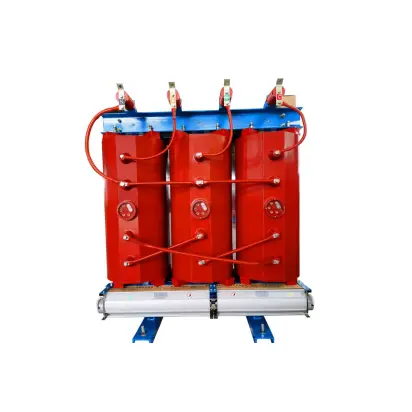
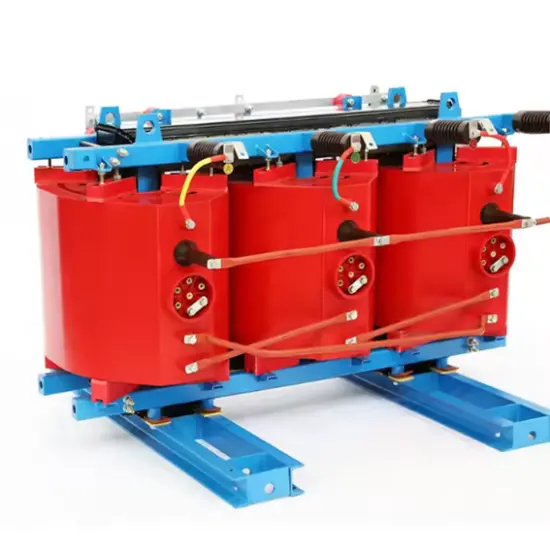
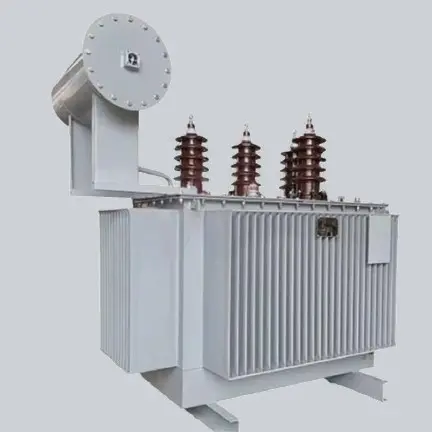
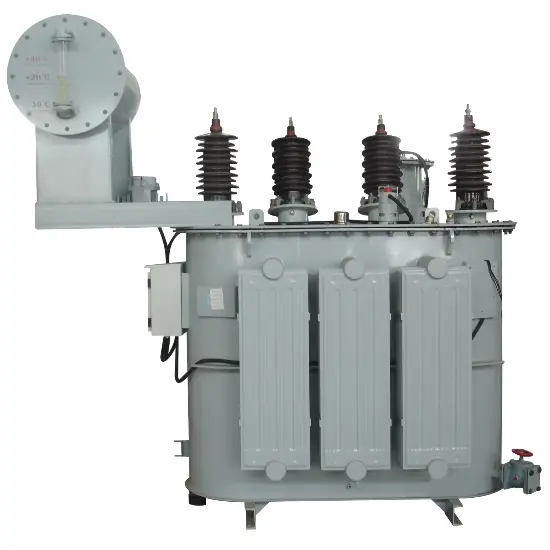
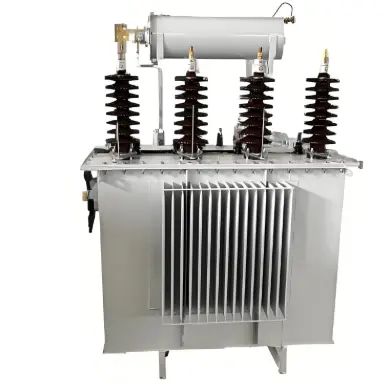
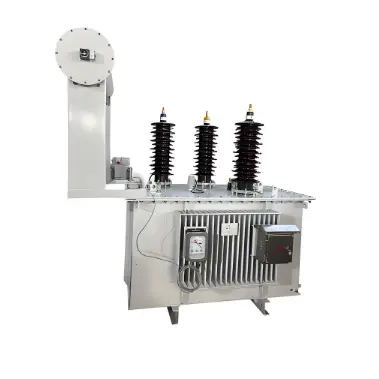
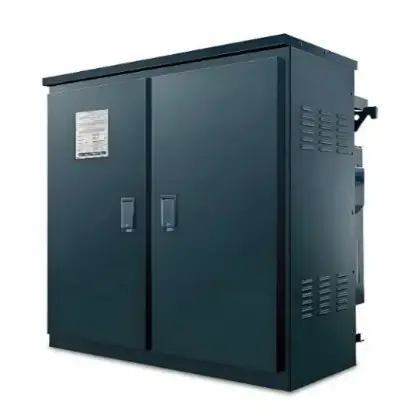
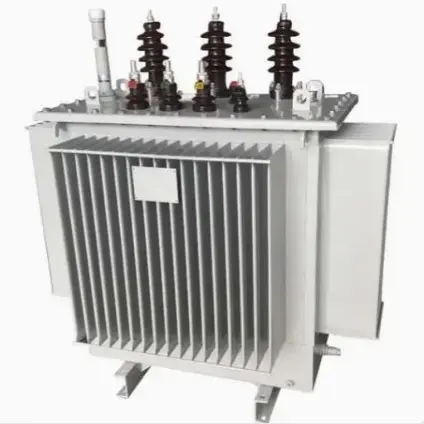
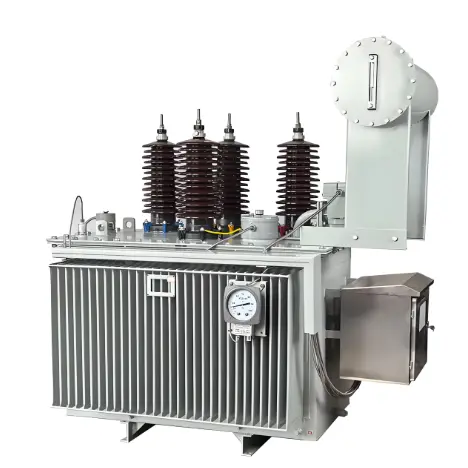
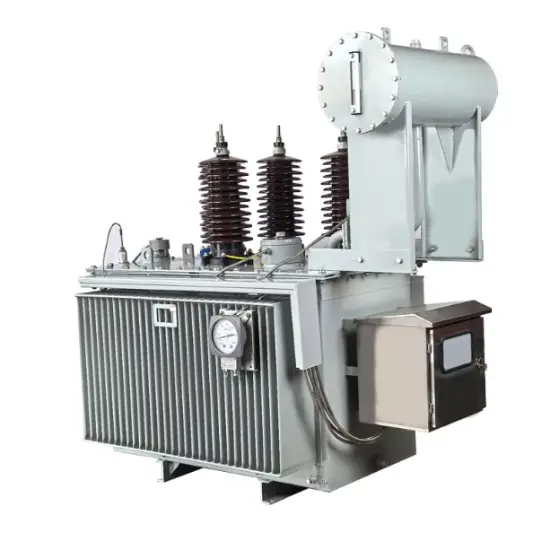
Customization Three - phase 11kV 20kV 22kV 30kV grounding/earthing transformers Original Manufacturer

  • Customization Three - phase 11kV 20kV 22kV 30kV grounding/earthing transformers Original Manufacturer
  • Customization Three - phase 11kV 20kV 22kV 30kV grounding/earthing transformers Original Manufacturer

Key attributes

Brand ROCKWILL
Model NO. Customization Three - phase 11kV 20kV 22kV 30kV grounding/earthing transformers Original Manufacturer
Rated voltage 22kV
Rated frequency 50/60Hz
Series JDS

Product descriptions from the supplier

Description

Description

As a pioneer and the first dedicated original manufacturer in China's earthing transformer industry, decades of in-depth technical cultivation have enabled us to accumulate strong strength and even establish the original standards for industry development. From breakthroughs in core technology R&D to large-scale mass production and delivery, we have built an end-to-end independent ecosystem. Leveraging leading and stable product performance as well as extremely reliable quality, we have become a trusted choice in the field of power grid construction.

This three - phase 11kV/22kV grounding transformer is tailor - made for medium - voltage power grids. By creating an artificial neutral point, it accurately achieves the grounding protection function and is suitable for various distribution system scenarios. When facing single - phase grounding faults, it can effectively handle them, building a solid defense for the stable operation of urban power grids and industrial power facilities, and ensuring the reliable power supply of the power system.

Features

  • Flexible Voltage Adaptation: Supports 11kV and 22kV voltage systems, accurately matches the specifications of common medium - voltage power grids, is widely adaptable to diverse power application scenarios, and has strong compatibility.

  • Intelligent Fault Management: When encountering single - phase faults, it quickly suppresses arc - grounding overvoltages, greatly reduces fault currents, reduces the risk of damage to power equipment, and improves the operation and maintenance efficiency of the system.

  • Reliable and Robust Structure: Adopts high - quality iron cores, durable windings, and is matched with a robust shell. It effectively resists the erosion of harsh environments such as moisture and dust, ensures the long - term stable operation of the equipment, and reduces maintenance costs.

  • Comprehensive Safety Assurance: Stably provides neutral point grounding, prevents voltage fluctuations and insulation faults from the source, safeguards the safety of the power grid and associated electrical equipment, and builds a solid foundation for the safety of the power system.

Main technical parameter

Some of these earthing transformers cover voltage levels including:3.3kV / 6kV / 11kV / 15kV / 20kV / 22kV / 30kV / 33kV / 34.5kV / 36kV / 44kV / 66kV / 88kV / 110kV / 132kV / 145kV / 150kV / 220kV / 275kV / 330kV / 400kV, etc. The current withstand time ranges from 1s, 2s, 3s, 5s, 6s, 8s, 9s, 10s, 30s, 60s, 1hour to 2hours, and customization is available.

Number of phases

Three rows

Output voltage

400V

Frequency

50/60Hz

Input voltage

11kV  20kV 22kV 30kV 33KV 34.5kV 36kV

High pressure rating

11KV/22KV/33KV

Low pressure rating

0.4 KV

Number of coils

Three Windings

Link category

Dyn11 Yyno

Coil structure

toroidal

Certification

IEC60076

Insulation level:

Dyn11 Yyno

Application

Industrial Equipments

Standard

IEC60076

Use

Power transformer

Class

Oil - Immersed Transformer

Product name

Grounding Transformer

Application Environment Description

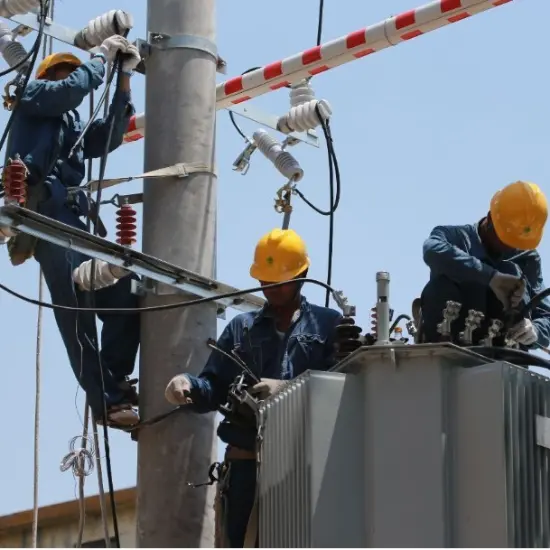
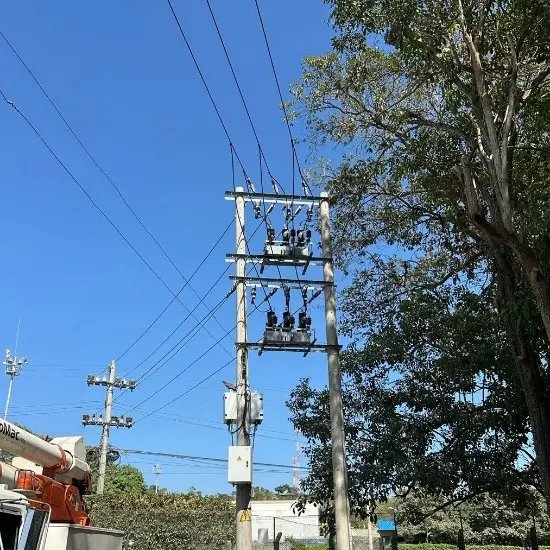
  • Neutral Grounding Systems:Suitable for ungrounded, resistance-grounded, or arc-suppression-coil grounded medium-voltage distribution networks. Limits fault current and improves power supply reliability.

  • Harsh Physical Environments:IP54/IP56 protection rating, resistant to salt mist and dust. Suitable for altitudes up to 3000m and ambient temperatures from -25°C to +45°C.

  • Space-Constrained Locations:Compact dry-type design suitable for confined spaces such as underground substations, data centers, and ship engine rooms.

  • New Energy and Industrial Applications:Neutral grounding protection for systems including wind/solar power plants, rail transit, mining facilities, and oil platforms.

  • Special Electrical Environments:Compatible with systems containing harmonic pollution, frequent start-stop loads, and smart grids requiring coordination with protection devices.

FAQ for
Q: What is the function of the zero-sequence impedance of an earthing/grounding transformer, and what is its common range?
A:

Zero-sequence impedance is a key parameter that determines the magnitude of ground fault current, directly affecting the sensitivity and reliability of relay protection. Its function is to "accurately control the amplitude of fault current" — ensuring that the fault current is large enough to trigger the protection action, while avoiding excessive current that may damage equipment.

Zero-sequence impedance is usually calibrated in "ohms per phase", with a common range of 10-50 ohms per phase (the specific value needs to be customized according to the system grounding method and protection requirements). For example, low-current grounding systems need to select higher impedance (30-50 ohms) to limit fault current, while high-current grounding systems select lower impedance (10-20 ohms) to ensure reliable operation of protection. This parameter must comply with the test and marking specifications of IEEE 32 and IEC 60076-8 standards.
Q: What are the standards for the "fault withstand time" of earthing/grounding transformers, and how to match them during selection?
A:

Fault withstand time refers to the maximum time that an earthing/grounding transformer can withstand the thermal and mechanical stresses generated by fault current without damage under rated short-time capacity. It is the core basis for insulation and structural design. The IEEE 32 and IEC 60076-5 standards specify four types of standard durations: ① 10 seconds: suitable for fast-acting protection systems (such as optical fiber differential protection), where faults can be isolated within 10 seconds; ② 30 seconds: the most mainstream withstand level, suitable for the relay protection action time of most distribution networks and transmission systems; ③ 60 seconds: used for old systems or complex power grids with long protection action time; ④ 1 hour: only applicable to high-resistance grounding systems, where the fault current is small but long-term monitoring is required.

During selection, the principle of "withstand time ≥ protection action time + fault handling redundancy" must be followed. For example, for a 110kV system using conventional overcurrent protection, the protection action time is about 15 seconds, and a product with a 30-second withstand level should be selected to avoid equipment burnout due to insufficient withstand time.
Q: What does the "short-time capacity" of an earthing/grounding transformer mean, and how to determine its rated capacity?
A:

"Short-time capacity" is a core performance indicator of earthing/grounding transformers, referring to their ability to safely carry the maximum ground fault current within a specified time (such as 30 seconds). This is determined by their operating characteristics of "short-time operation during faults and light load or no-load during normal operation".

The rated capacity must be calculated by the formula: kVA=3×V×I, where V is the system phase voltage and I is the maximum ground fault current. For example, for a 110kV system (phase voltage about 63.5kV), if the maximum ground fault current is 100A, the 30-second short-time capacity is 3×63.5×100≈19050kVA (19.05MVA).
Industry standard capacity levels are divided into two categories: low-voltage and medium-voltage small capacity (25kVA, 50kVA, 100kVA…1000kVA) and high-voltage large capacity (1MVA, 2.5MVA…50MVA), among which the 50MVA level is mainly used in large-scale extra-high voltage transmission systems.
Q: What is the voltage level coverage of earthing/grounding transformers, and how to select models according to system voltage?
A:

<meta />

The voltage level of the earthing/grounding transformer is completely matched with the line voltage of the connected power system, covering the full range from medium voltage, high voltage to extra high voltage. The specific classification and selection principles are as follows:
  • Voltage level range: Medium Voltage (MV) 3.3kV-44kV (common 3.3kV, 6kV, 11kV, 15kV, 33kV), High Voltage (HV) 66kV-150kV (mainstream 66kV, 110kV, 132kV), Extra-High Voltage (EHV) 220kV-400kV+ (such as 220kV, 330kV, 400kV), all in line with the nominal voltage specifications of IEC 60038 and ANSI C84.1 standards.
  • Selection principles: The core is "voltage matching + scenario adaptation". ① Accurate voltage matching: The rated voltage of the selected earthing/grounding transformer must be consistent with the system line voltage (for example, a 110kV system needs to select a 110kV grade earthing/grounding transformer) to avoid insulation breakdown or parameter mismatch; ② For low-voltage and medium-voltage indoor scenarios, dry-type is preferred (such as cast resin insulation for 33kV chemical plant areas), and for high-voltage outdoor scenarios, oil-immersed type is preferred (such as ONAF cooled oil-immersed type for 110kV outdoor substations); ③ For extra-high voltage systems (220kV and above), focus on the zero-sequence impedance parameter to ensure coordination with the relay protection setting value.
Know your supplier
Online store
On-time delivery rate
Response time
100.0%
≤4h
Company overview
Workplace: 108000m²m² Total staff: 700+ Highest Annual Export(usD): 150000000
Workplace: 108000m²m²
Total staff: 700+
Highest Annual Export(usD): 150000000
Services
Business Type: Design/Manufacture/Sales
Main Categories: High Voltage Electrical Apparatus/Electric transformer
Whole life care manager
Whole-life care management services for equipment procurement, use, maintenance, and after-sales, ensuring safe operation of electrical equipment, continuous control, and worry-free electricity consumption.
The equipment supplier has passed platform qualification certification and technical evaluation, ensuring compliance, professionalism, and reliability from the source.

Related Products

Related Knowledges

  • Main Transformer Accidents and Light Gas Operation Issues
    1. Accident Record (March 19, 2019)At 16:13 on March 19, 2019, the monitoring background reported a light gas action of No. 3 main transformer. In accordance with the Code for Operation of Power Transformers (DL/T572-2010), operation and maintenance (O&M) personnel inspected the on-site condition of No. 3 main transformer.On-site confirmation: The WBH non-electrical protection panel of No. 3 main transformer reported a Phase B light gas action of the transformer body, and the reset was ineff
    02/05/2026
  • Faults and Handling of Single-phase Grounding in 10kV Distribution Lines
    Characteristics and Detection Devices for Single-Phase Ground Faults1. Characteristics of Single-Phase Ground FaultsCentral Alarm Signals:The warning bell rings, and the indicator lamp labeled “Ground Fault on [X] kV Bus Section [Y]” illuminates. In systems with a Petersen coil (arc suppression coil) grounding the neutral point, the “Petersen Coil Operated” indicator also lights up.Insulation Monitoring Voltmeter Indications:The voltage of the faulted phase decreases (in
    01/30/2026
  • Neutral point grounding operation mode for 110kV~220kV power grid transformers
    The arrangement of neutral point grounding operation modes for 110kV~220kV power grid transformers shall meet the insulation withstand requirements of transformer neutral points, and shall also strive to keep the zero-sequence impedance of substations basically unchanged, while ensuring that the zero-sequence comprehensive impedance at any short-circuit point in the system does not exceed three times the positive-sequence comprehensive impedance.For 220kV and 110kV transformers in new constructi
    01/29/2026
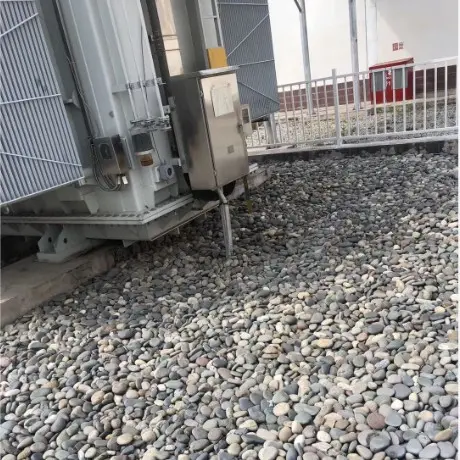
  • Why Do Substations Use Stones, Gravel, Pebbles, and Crushed Rock?
    Why Do Substations Use Stones, Gravel, Pebbles, and Crushed Rock?In substations, equipment such as power and distribution transformers, transmission lines, voltage transformers, current transformers, and disconnect switches all require grounding. Beyond grounding, we will now explore in depth why gravel and crushed stone are commonly used in substations. Though they appear ordinary, these stones play a critical safety and functional role.In substation grounding design—especially when multiple gr
    01/29/2026
  • Why Must a Transformer Core Be Grounded at Only One Point? Isn't Multi-Point Grounding More Reliable?
    Why Does the Transformer Core Need to Be Grounded?During operation, the transformer core, along with the metal structures, parts, and components that fix the core and windings, are all situated in a strong electric field. Under the influence of this electric field, they acquire a relatively high potential with respect to ground. If the core is not grounded, a potential difference will exist between the core and the grounded clamping structures and tank, which may lead to intermittent discharge.I
    01/29/2026
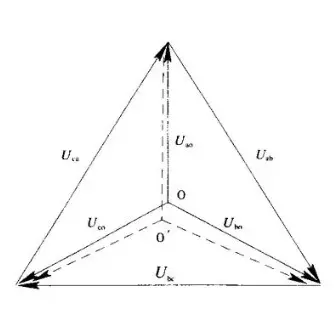
  • Understanding Transformer Neutral Grounding
    I. What is a Neutral Point?In transformers and generators, the neutral point is a specific point in the winding where the absolute voltage between this point and each external terminal is equal. In the diagram below, pointOrepresents the neutral point.II. Why Does the Neutral Point Need Grounding?The electrical connection method between the neutral point and earth in a three-phase AC power system is called theneutral grounding method. This grounding method directly affects:The safety, reliabilit
    01/29/2026

Related Solutions

  • Intelligent Operation Solution for 12kV Vacuum Circuit Breakers: Integrating Real-time Monitoring & Lifetime Optimization
    Ⅰ. Equipment Operation & MaintenanceIntelligent Monitoring System Integration​Multi-parameter Real-time Monitoring: Embedded sensors (temperature, displacement, Hall effect current sensors) track contact temperature rise, mechanical characteristics (opening/closing speed, overtravel), coil current, and partial discharge signals. Data undergoes preprocessing via edge computing prior to cloud upload.​Lifetime Prediction Model: Dynamically evaluates remaining lifespan using electrical wear data
    06/10/2025
  • SF6 Circuit Breaker Solutions for Outdoor Installation (Anti-Pollution & Seismic Resistance)
    I.Core Challenges in Outdoor Installation​In high-voltage transmission and distribution systems, SF6 circuit breakers are exposed to complex outdoor environments for extended periods, facing the following critical issues:​Pollution & Insulation Degradation​Dust, salt fog, and industrial pollutants in outdoor environments easily adhere to equipment surfaces. In coastal or industrial areas, pollution levels may reach ​Class IV, resulting in insufficient creepage distance and triggering ​flasho
    05/12/2025
  • 12kV Indoor Vacuum Circuit Breaker Southeast Asia Solution: Anti-Corrosion Compact Design
    12kV Indoor Vacuum Circuit Breaker Southeast Asia Solution: Anti-Corrosion Compact DesignⅠ. Executive Summary​Southeast Asia faces rapidly growing electricity demand alongside environmental challenges including high temperatures, humidity, salt spray corrosion, and grid instability. This solution recommends ​Solid Insulated Pole-Mounted Vacuum Circuit Breakers (VCB)​​ featuring ​high reliability, ​compact design, and ​smart monitoring. Tailored for tropical climates and industrial scenarios, it
    06/10/2025
Related Free tools
Haven't found the right supplier yet? Let matching verified suppliers find you. Get Quotation Now
Haven't found the right supplier yet? Let matching verified suppliers find you.
Get Quotation Now
Send inquiry
+86
Click to upload file
Download
Get the IEE Business Application
Use the IEE-Business app to find equipment, obtain solutions, connect with experts, and participate in industry collaboration anytime, anywhere—fully supporting the development of your power projects and business.