• Product
  • Suppliers
  • Manufacturers
  • Solutions
  • Free tools
  • Knowledges
  • Experts
  • Communities
Search


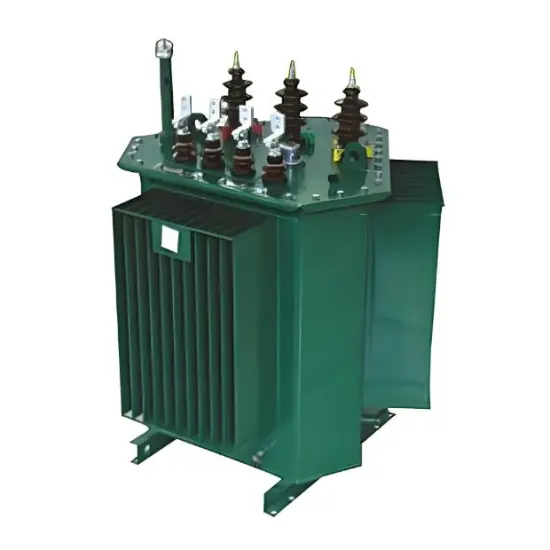
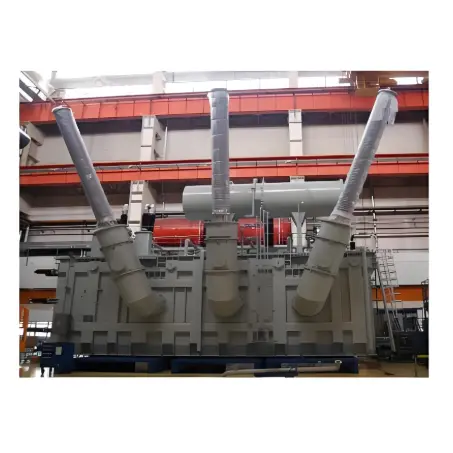
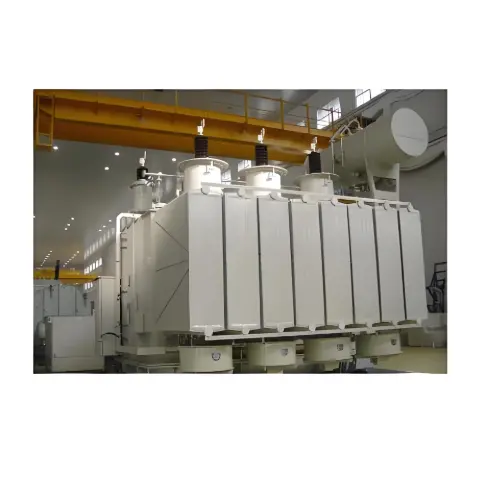
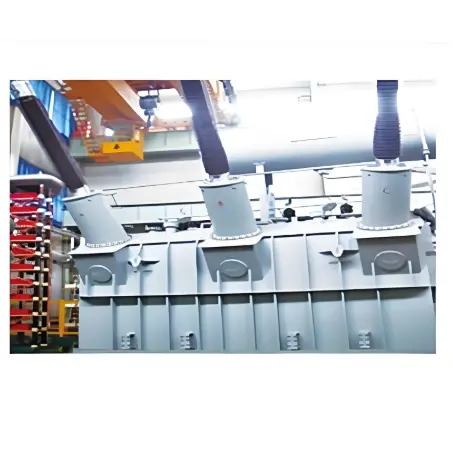
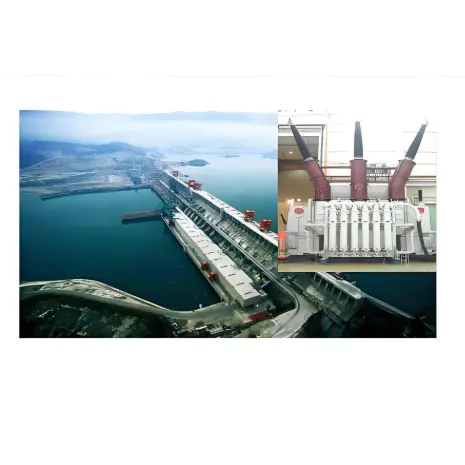
840MVA/500kV GSU Generator Step-Up Transformer Hydro Power Plant

  • 840MVA/500kV GSU Generator Step-Up Transformer Hydro Power Plant

Key attributes

Brand ROCKWILL
Model NO. 840MVA/500kV GSU Generator Step-Up Transformer Hydro Power Plant
Rated frequency 50/60Hz
Series GSU

Product descriptions from the supplier

Description

Description of GSU for Hydro P/P

GSU (Generator Step-Up) Transformer for Hydroelectric Power Plants (Hydro P/P) is a critical equipment connecting hydropower generators to the transmission grid. Its core function is to boost the low-voltage electricity (typically 6.3kV–13.8kV) generated by hydro turbines—driven by water flow—into high-voltage power (110kV–500kV or higher). This enables efficient long-distance transmission of hydropower, minimizes line losses, and ensures stable integration with the main grid. As a key link in hydropower systems, it directly supports the reliable delivery of clean, renewable energy from dams or run-of-river plants to end-users.

Features of GSU for Hydro P/P

  • Adaptability to Variable Loads: Optimized to handle fluctuating power output caused by water flow variations (e.g., seasonal changes, dam release adjustments), with strong overload capacity to accommodate sudden surges in generation.

  • High Insulation & Moisture Resistance: Designed for hydroelectric environments (often near water or in humid conditions), using moisture-resistant insulation materials and sealed tank structures to prevent water ingress and insulation degradation.

  • Compact Design for Space Constraints: Suitable for installation in confined areas (e.g., powerhouses within dams), with a space-saving structure that fits alongside turbines and other hydropower equipment without compromising performance.

  • Low Noise Operation: Adopts low-loss core materials and vibration-damping designs to reduce operational noise, aligning with environmental regulations—critical for hydropower plants in ecologically sensitive or residential areas.

  • Grid Compatibility: Equipped with voltage regulation and harmonic filtering features to meet grid codes, ensuring stable power quality (e.g., minimal voltage fluctuations) when integrating hydropower into the grid.

  • Long-Term Durability: Constructed with corrosion-resistant components (e.g., stainless steel hardware) to withstand damp, possibly saline environments (for coastal hydro plants), ensuring a design life of 30+ years with minimal maintenance.



FAQ
Q: What are the main classification dimensions of power transformers in international and domestic standards, and what are the specific types?
A:
The core classification dimensions of power transformers include insulation and cooling methods, voltage functions, and core structures. The specific types under each dimension are as follows:
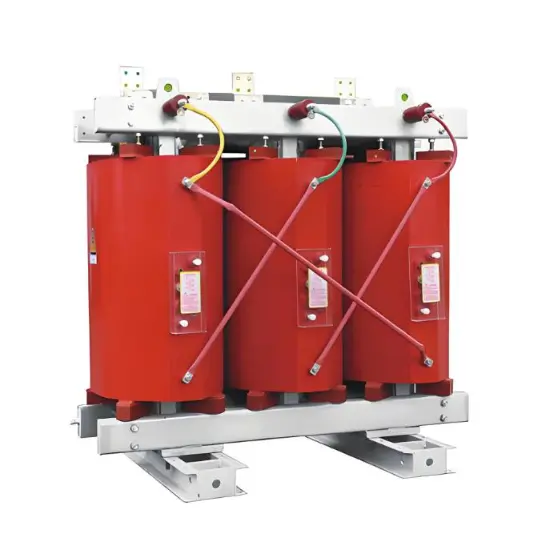
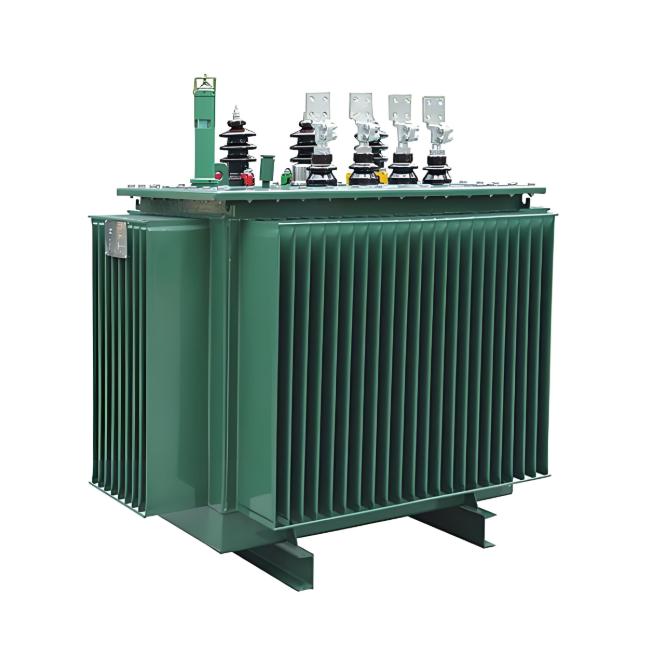
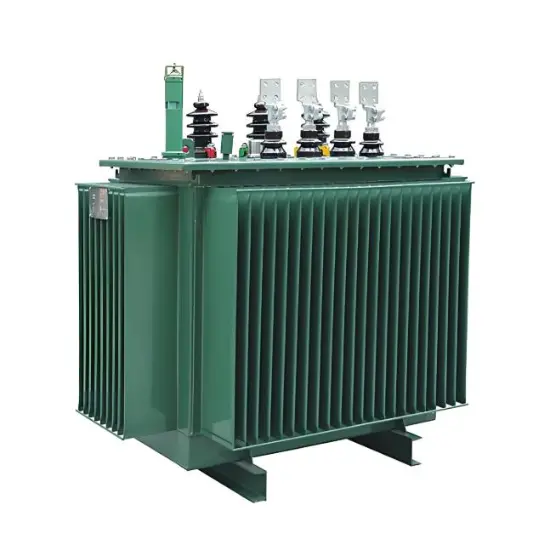
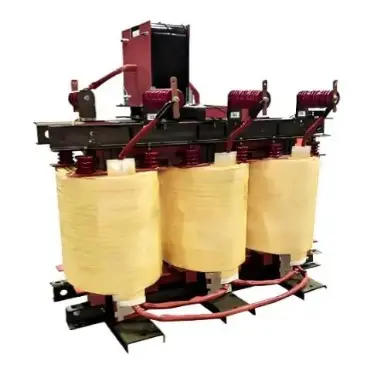
  • By insulation and cooling method: Divided into liquid-insulated (oil-immersed) and dry-type. Oil-immersed transformers are the mainstream type for power transmission, suitable for voltages up to 345kV and above, with standardized cooling methods such as ONAN (Oil Natural Air Natural), ONAF (Oil Natural Air Forced), and OFAF (Oil Forced Air Forced). Dry-type transformers are mainly used for indoor or specific industrial applications, typically for lower voltages (up to 35kV), although some special types are available for higher voltages.
  • By voltage function: Including step-up, step-down, and autotransformers. Step-up transformers are used in power plants to increase generator voltage to transmission voltage (e.g., 13.8kV to 345kV). Step-down transformers are used in substations to reduce transmission voltage for sub-transmission or distribution (e.g., 345kV to 132kV or 34.5kV). Autotransformers are used to connect systems with fixed voltage ratios, offering efficiency advantages in transmission grids (e.g., 400kV/220kV applications).
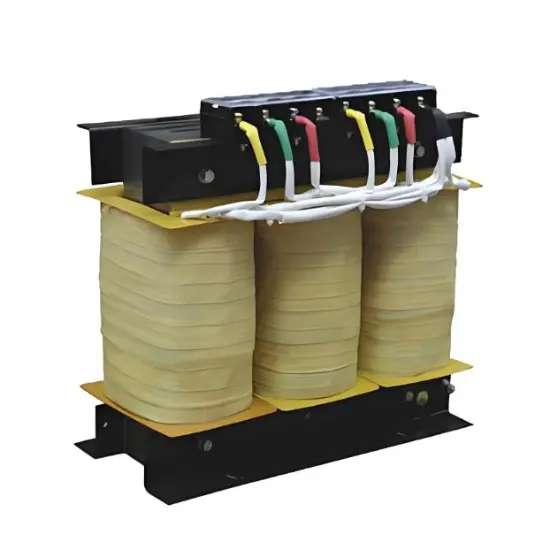
  • By core structure: Divided into core type and shell type. Core-type transformers have windings surrounding the core limbs (common in EHV applications). Shell-type transformers have the core surrounding the windings.
Know your supplier
Online store
On-time delivery rate
Response time
100.0%
≤4h
Company overview
Workplace: 108000m²m² Total staff: 700+ Highest Annual Export(usD): 150000000
Workplace: 108000m²m²
Total staff: 700+
Highest Annual Export(usD): 150000000
Services
Business Type: Design/Manufacture/Sales
Main Categories: High Voltage Electrical Apparatus/Electric transformer
Whole life care manager
Whole-life care management services for equipment procurement, use, maintenance, and after-sales, ensuring safe operation of electrical equipment, continuous control, and worry-free electricity consumption.
The equipment supplier has passed platform qualification certification and technical evaluation, ensuring compliance, professionalism, and reliability from the source.

Related Products

Related Knowledges

Related Solutions

Related Free tools
Haven't found the right supplier yet? Let matching verified suppliers find you. Get Quotation Now
Haven't found the right supplier yet? Let matching verified suppliers find you.
Get Quotation Now
-->
Send inquiry
Download
Get the IEE Business Application
Use the IEE-Business app to find equipment, obtain solutions, connect with experts, and participate in industry collaboration anytime, anywhere—fully supporting the development of your power projects and business.