72.5kV 126kV 145kV 252kV HV SF6 Circuit Breaker

Key attributes
| Brand | ROCKWILL |
| Model NO. | 72.5kV 126kV 145kV 252kV HV SF6 Circuit Breaker |
| Rated voltage | 252kV |
| Rated normal current | 4000A |
| Series | LW35 |
Product descriptions from the supplier
Description
LW35 serial circuit breakers, including LW35-72.5, LW35-126, LW35-145 and LW35-252 products, are designed with self-energizing principle that arc generated in the interrupter is distinguished at a specified time with a part of energy produced by the arc itself. They are used for making and breaking normal current, fault current and switching lines to realize the operation (three-pole opening & closing operation and fast automatic-reclosing operation), control and protection of power system.
Main Features
-
Less consumption of SF6 gas, benefitial for environmental protection. When other kinds of circuit breaker at 0.6 MPa must be filled with SF6 of 27 kg/set, this kind of circuit breaker only need 19.3 kg/set.
-
Dynamic sealing system adopts advanced Glyd-ring and Step seal to reduce starting friction and prevent leakage.
-
Adopt imported control valve of stable performance and anti-slow-opening function in case of pressure loss.
-
Two sets of independent opening control circuit are adopted in hydraulic mechanism with two sets of relay protection to enhance service reliability.
Technical parameter

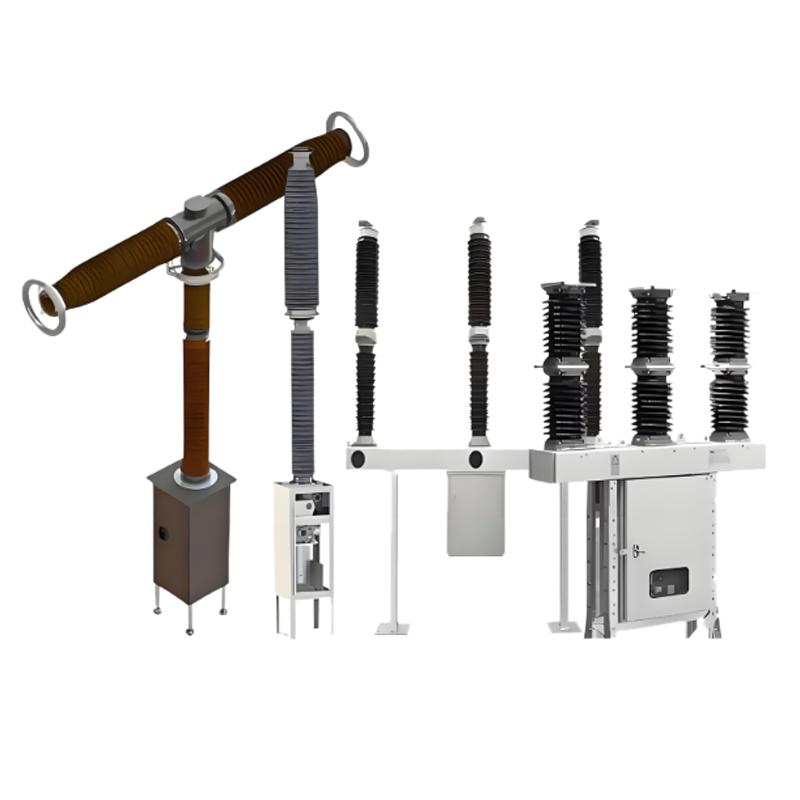
The LW10B \ lLW36 \ LW58 series products in the sample booklet are porcelain column SF ₆ circuit breakers based on the ABB'LTB series improvement, with voltage coverage of 72.5kV-800kV, using Auto Buffer ™ Self powered arc extinguishing technology or vacuum arc extinguishing technology, integrated spring/motor driven operating mechanism, supports various customized services, covering 40.5-1100kV full voltage levels, with outstanding modular design and strong customization ability, suitable for projects that require flexible adaptation to different power grid architectures. Made in China, with fast global service response speed, high logistics efficiency, and high reliability at a reasonable price.
live tank circuit breaker is a structural form of high-voltage circuit breaker, which is characterized by the use of ceramic insulation pillars to support key components such as arc extinguishing chamber and operating mechanism. The arc extinguishing chamber is usually arranged on the top or pillar of the ceramic pillar. It is mainly suitable for medium and high voltage power systems, with voltage levels covering the range of 72.5 kV to 1100 kV. live tank circuit breakers are common control and protection equipment in outdoor distribution devices such as 110 kV, 220 kV, 550 kV, and 800 kV substations.

Related Products
-
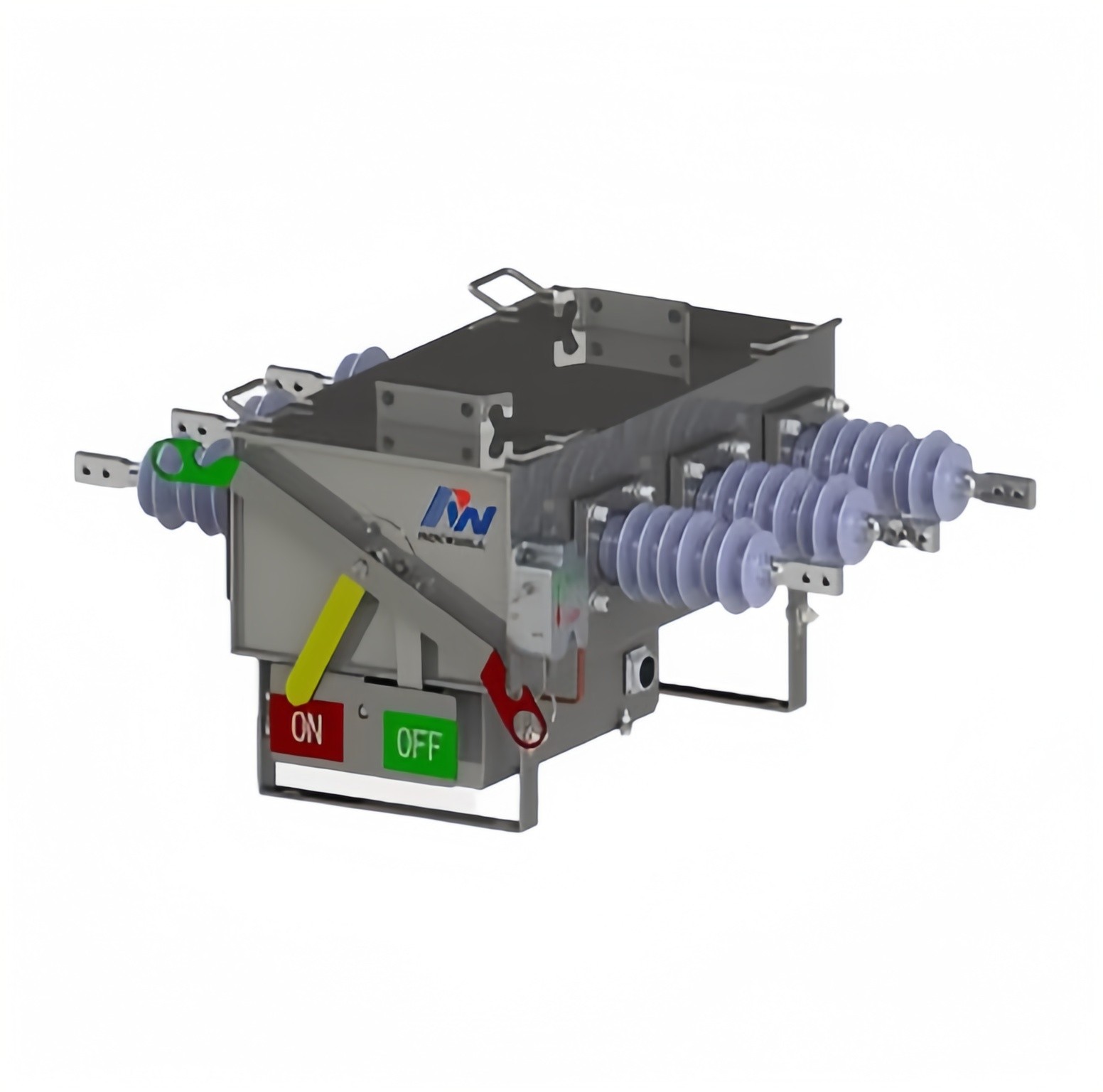
Outdoor 27kV/630A SF6 load break switch
-
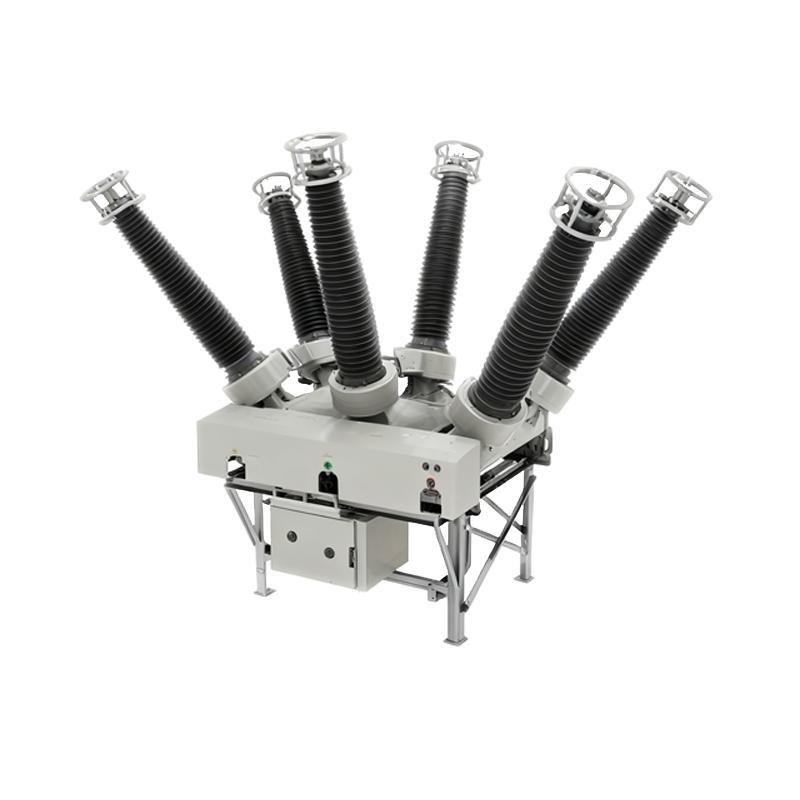
12kV 13.2kV 36kV 38kV 40.5kV 72.5kV 145kV High Performers Dead Tank circuit breaker
-
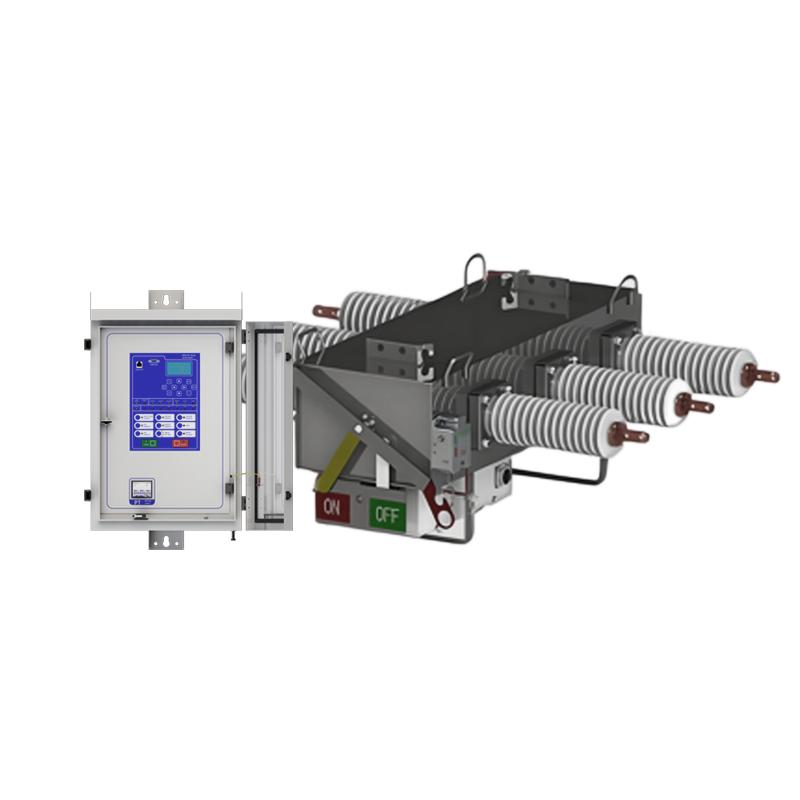
Outdoor RPS-15kV/1250A SF6 load break switch
-
300kV 330kV 362kV 363kV HV Dead Tank SF6 Circuit Breaker factory
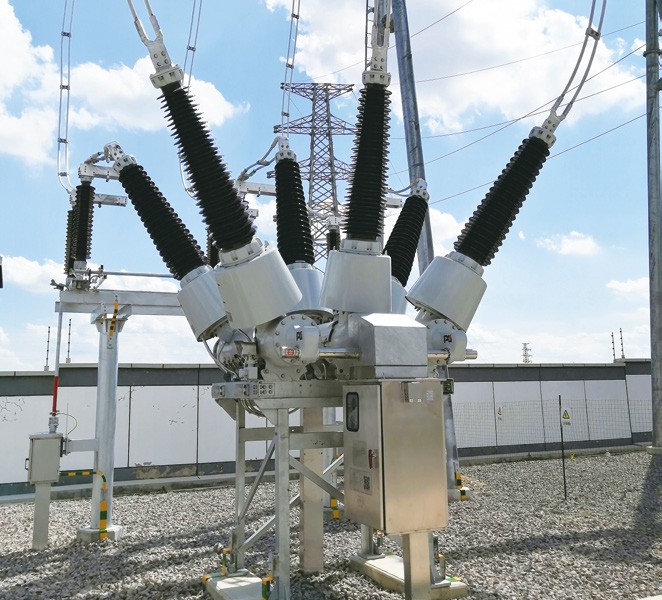
-
363kV 380kV 400kV 550kV HV SF6 Circuit Breaker supplier
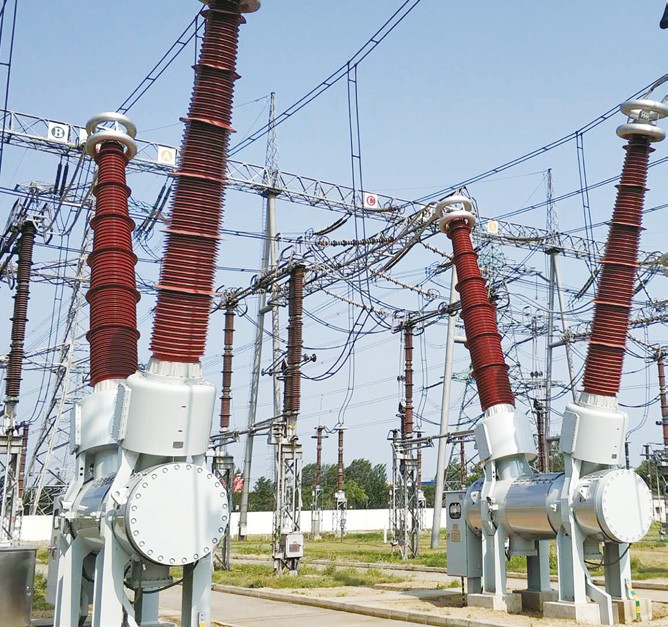
-
69kV 72.5kV 84kV 88kV Three-phase AC Dead tank type SF6 circuit breaker source manufacturer
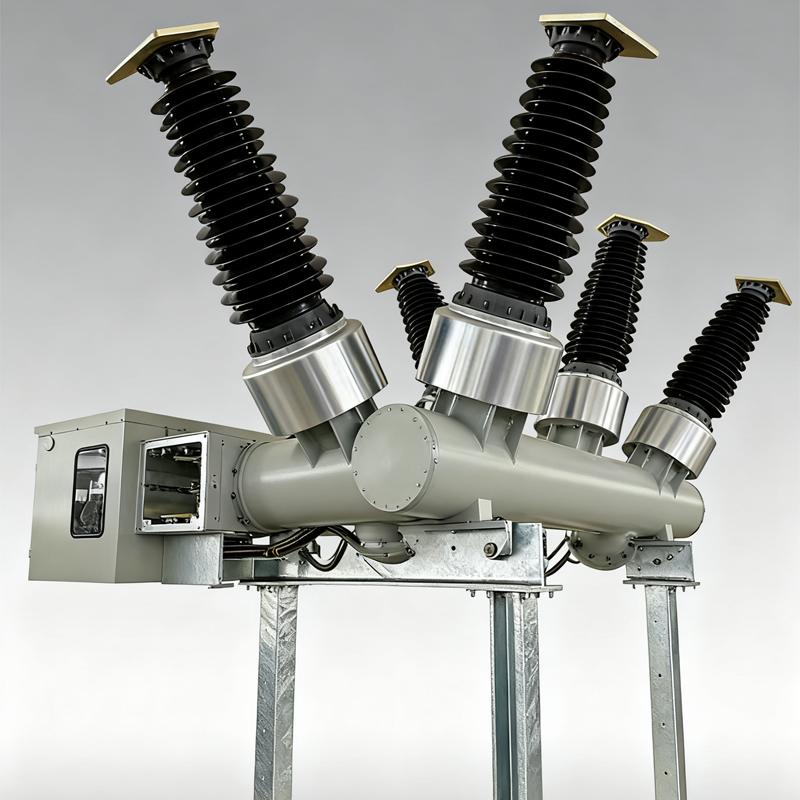
-
Customization 13.8kV 15.5kV 17.5kV 22kV 230kV 245kV 252KV Dead-Tank SF6 Circuit Breaker
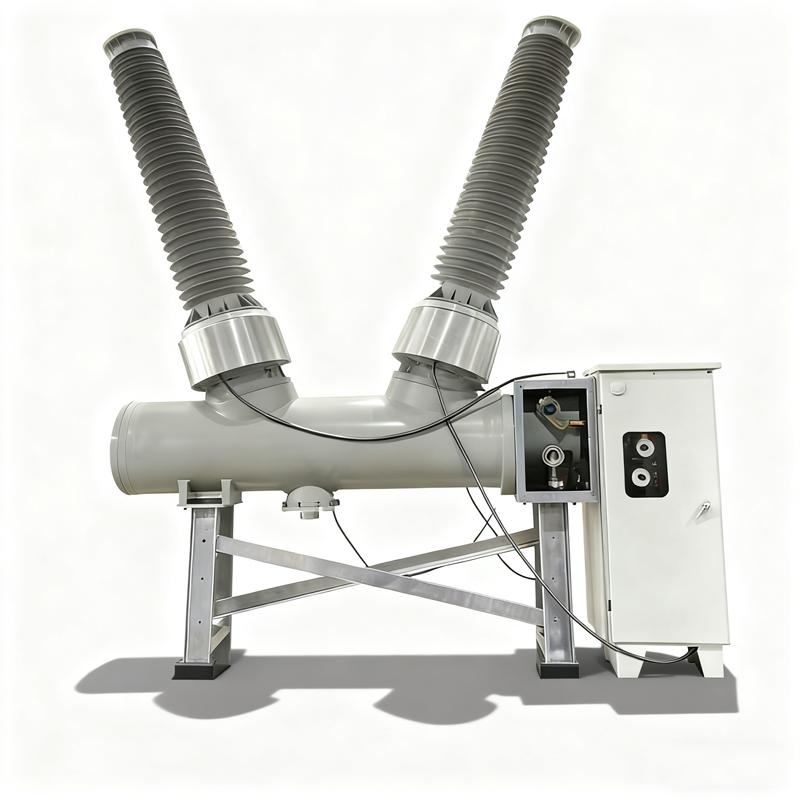
Related Knowledges
-
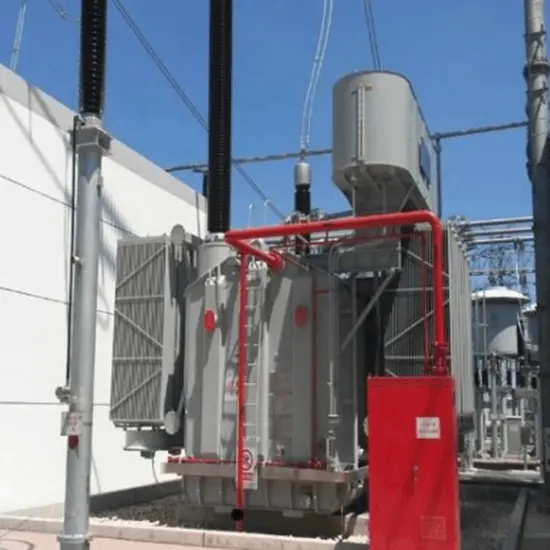 Impact of DC Bias in Transformers at Renewable Energy Stations Near UHVDC Grounding ElectrodesImpact of DC Bias in Transformers at Renewable Energy Stations Near UHVDC Grounding ElectrodesWhen the grounding electrode of an Ultra-High-Voltage Direct Current (UHVDC) transmission system is located close to a renewable energy power station, the return current flowing through the earth can cause a rise in ground potential around the electrode area. This ground potential rise leads to a shift in the neutral-point potential of nearby power transformers, inducing DC bias (or DC offset) in their01/15/2026
 -
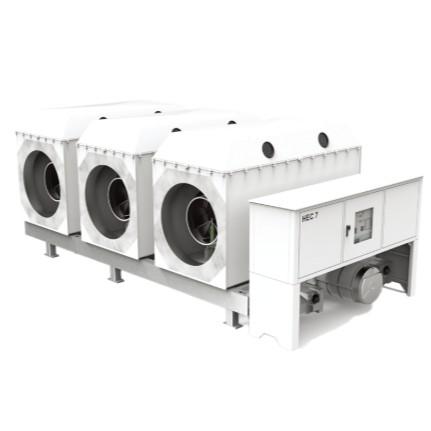 HECI GCB for Generators – Fast SF6 Circuit Breaker1.Definition and Function1.1 Role of the Generator Circuit BreakerThe Generator Circuit Breaker (GCB) is a controllable disconnect point located between the generator and the step-up transformer, serving as an interface between the generator and the power grid. Its primary functions include isolating generator-side faults and enabling operational control during generator synchronization and grid connection. The operating principle of a GCB is not significantly different from that of a standard c01/06/2026
 -
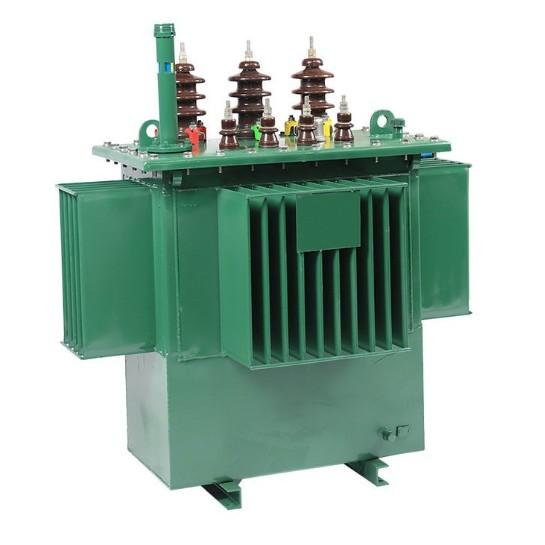 Distribution Equipment Transformer Testing, Inspection, and Maintenance1.Transformer Maintenance and Inspection Open the low-voltage (LV) circuit breaker of the transformer under maintenance, remove the control power fuse, and hang a “Do Not Close” warning sign on the switch handle. Open the high-voltage (HV) circuit breaker of the transformer under maintenance, close the grounding switch, fully discharge the transformer, lock the HV switchgear, and hang a “Do Not Close” warning sign on the switch handle. For dry-type transformer maintenance: first clean the porcel12/25/2025
 -
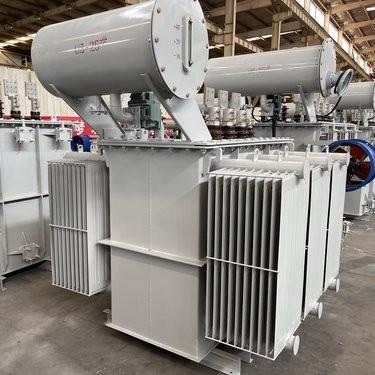 How to Test Insulation Resistance of Distribution TransformersIn practical work, insulation resistance of distribution transformers is generally measured twice: the insulation resistance between thehigh-voltage (HV) windingand thelow-voltage (LV) winding plus the transformer tank, and the insulation resistance between theLV windingand theHV winding plus the transformer tank.If both measurements yield acceptable values, it indicates that the insulation among the HV winding, LV winding, and transformer tank is qualified. If either measurement fails, pairwise12/25/2025
 -
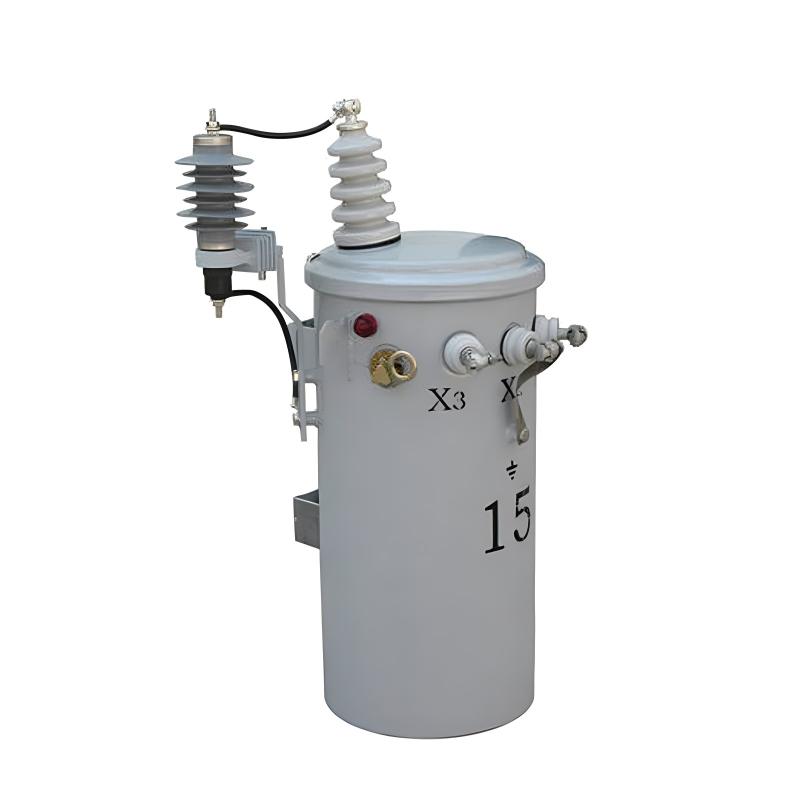 Design Principles for Pole-Mounted Distribution TransformersDesign Principles for Pole-Mounted Distribution Transformers(1) Location and Layout PrinciplesPole-mounted transformer platforms should be located near the load center or close to critical loads, following the principle of “small capacity, multiple locations” to facilitate equipment replacement and maintenance. For residential power supply, three-phase transformers may be installed nearby based on current demand and future growth projections.(2) Capacity Selection for Three-Phase Pole-Mounted Tr12/25/2025
 -
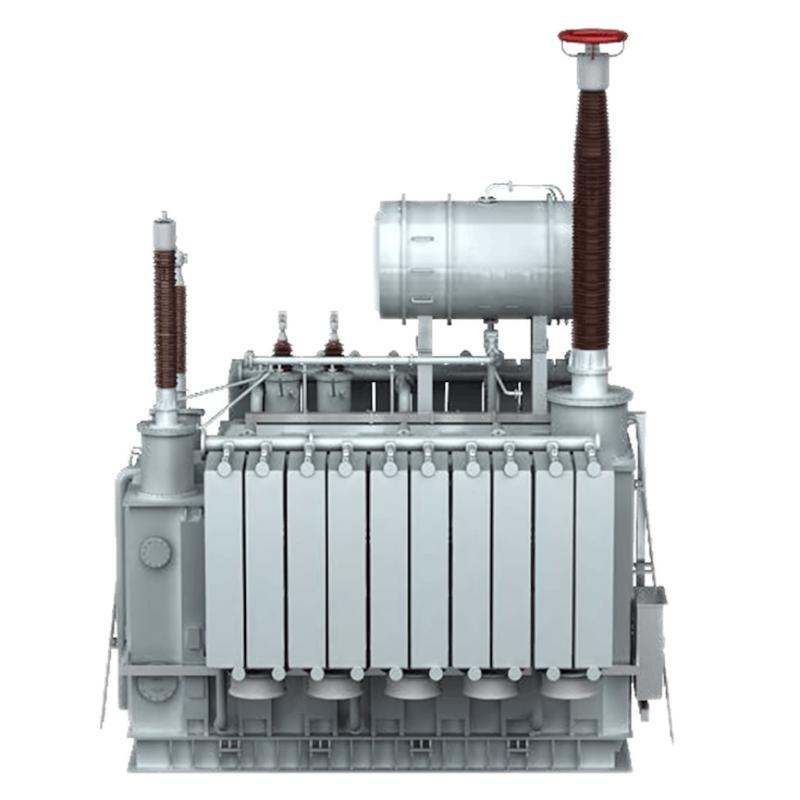 Transformer Noise Control Solutions for Different Installations1.Noise Mitigation for Ground-Level Independent Transformer RoomsMitigation Strategy:First, conduct a power-off inspection and maintenance of the transformer, including replacing aged insulating oil, checking and tightening all fasteners, and cleaning dust from the unit.Second, reinforce the transformer foundation or install vibration isolation devices—such as rubber pads or spring isolators—selected based on the severity of vibration.Finally, strengthen sound insulation at weak points of the ro12/25/2025
Related Solutions
-
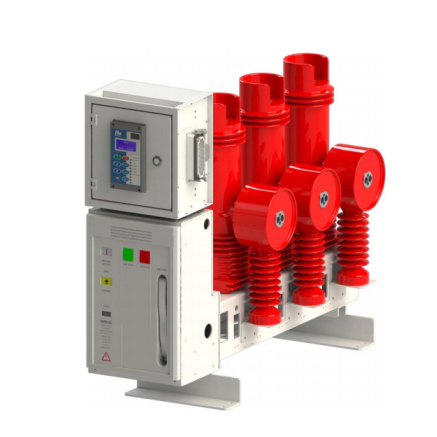 Intelligent Operation Solution for 12kV Vacuum Circuit Breakers: Integrating Real-time Monitoring & Lifetime OptimizationⅠ. Equipment Operation & MaintenanceIntelligent Monitoring System IntegrationMulti-parameter Real-time Monitoring: Embedded sensors (temperature, displacement, Hall effect current sensors) track contact temperature rise, mechanical characteristics (opening/closing speed, overtravel), coil current, and partial discharge signals. Data undergoes preprocessing via edge computing prior to cloud upload.Lifetime Prediction Model: Dynamically evaluates remaining lifespan using electrical wear data06/10/2025
 -
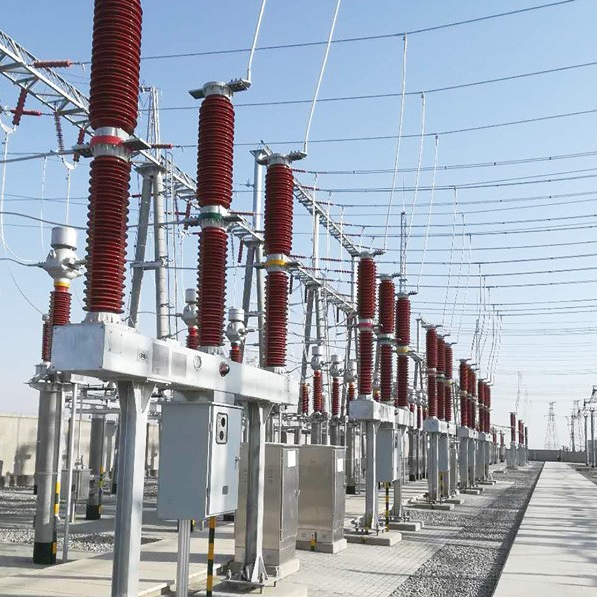 SF6 Circuit Breaker Solutions for Outdoor Installation (Anti-Pollution & Seismic Resistance)I.Core Challenges in Outdoor InstallationIn high-voltage transmission and distribution systems, SF6 circuit breakers are exposed to complex outdoor environments for extended periods, facing the following critical issues:Pollution & Insulation DegradationDust, salt fog, and industrial pollutants in outdoor environments easily adhere to equipment surfaces. In coastal or industrial areas, pollution levels may reach Class IV, resulting in insufficient creepage distance and triggering flasho05/12/2025
 -
 12kV Indoor Vacuum Circuit Breaker Southeast Asia Solution: Anti-Corrosion Compact Design12kV Indoor Vacuum Circuit Breaker Southeast Asia Solution: Anti-Corrosion Compact DesignⅠ. Executive SummarySoutheast Asia faces rapidly growing electricity demand alongside environmental challenges including high temperatures, humidity, salt spray corrosion, and grid instability. This solution recommends Solid Insulated Pole-Mounted Vacuum Circuit Breakers (VCB) featuring high reliability, compact design, and smart monitoring. Tailored for tropical climates and industrial scenarios, it06/10/2025






