• Product
  • Suppliers
  • Manufacturers
  • Solutions
  • Free tools
  • Knowledges
  • Experts
  • Communities
Search


Free Expert Guides on Power Systems, Circuit Design & Electrical Troubleshooting

Access free engineering resources from IEE Business—covering power design, circuit layout, equipment selection, and troubleshooting. Expert-developed guides help engineers, procurement, and project teams make better decisions. Stay ahead on smart grids, renewables, efficiency, and AI tools. Improve reliability, reduce downtime, and enhance outcomes with real-world solutions. Explore our knowledge hub today.
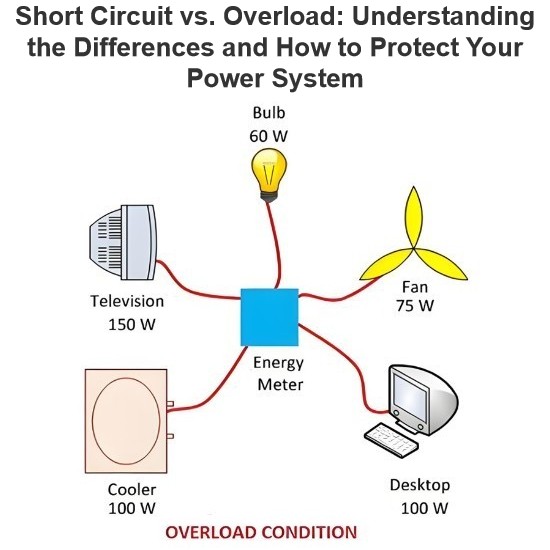
Short Circuit vs. Overload: Understanding the Differences and How to Protect Your Power System
One of the main differences between a short circuit and an overload is that a short circuit occurs due to a fault between conductors (line-to-line) or between a conductor and earth (line-to-ground), whereas an overload refers to a situation where equipment draws more current than its rated capacity from the power supply.Other key differences between the two are explained in the comparison chart below.The term "overload" typically refers to a condition in a circuit or connected device. A circuit
08/28/2025
Consult
Tip
Consult
Tip
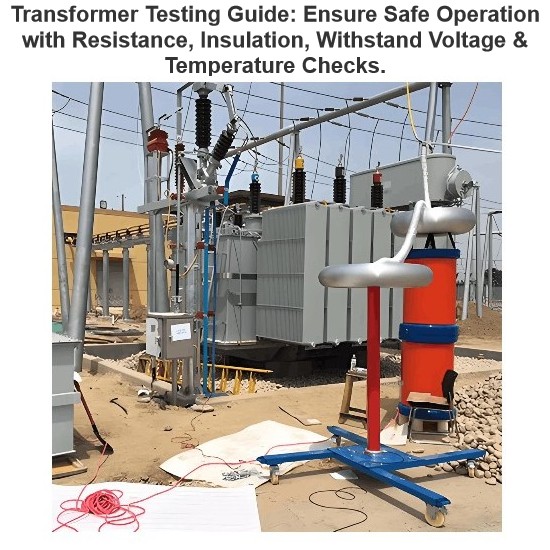
Transformer Testing Guide: Ensure Safe Operation with Resistance, Insulation, Withstand Voltage & Temperature Checks.
I. DC Resistance Test of Transformer Primary and Secondary Windings:The DC resistance of transformer primary and secondary windings can be measured using the four-wire (Kelvin) method, which is based on principles related to accurate resistance measurement.In the four-wire method, two test leads are connected to both ends of the winding under test, while the other two leads are connected to adjacent winding terminals. An AC power source is then applied to the two leads connected to the adjacent
08/28/2025
Consult
Tip
Consult
Tip
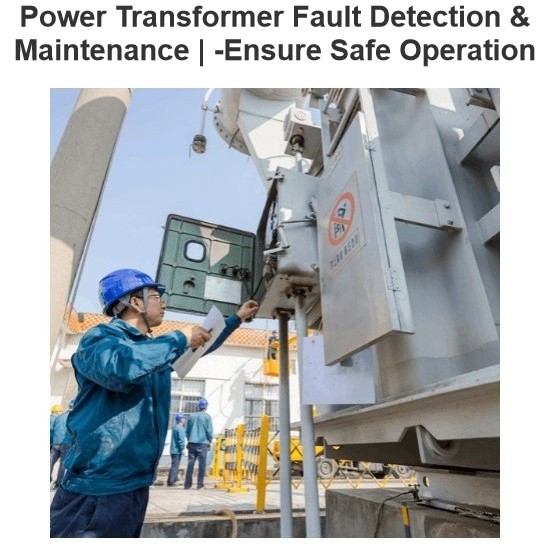
Power Transformer Fault Detection & Maintenance | -Ensure Safe Operation
Power transformer fault detection and repair typically require operation by experienced and qualified technical personnel. Below are some common steps for power transformer fault detection and maintenance:I. Check the transformer’s input and output voltage, current, temperature, and other parameters to ensure they are within normal ranges. Carefully read the transformer’s instruction manual to understand its rated voltage and current, temperature limits, and other special req
08/28/2025
Consult
Tip
Consult
Tip
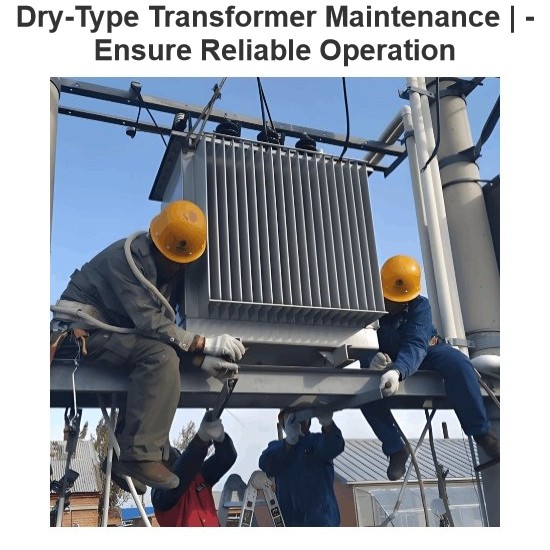
Dry-Type Transformer Maintenance | -Ensure Reliable Operation
I. Key Points for Daily MaintenanceVisual InspectionVisual inspection is the first step during routine patrols. Carefully examine the transformer’s enclosure for any damage or deformation. Enclosure damage not only compromises the transformer’s protective performance but may also expose internal electrical components, increasing safety risks. Additionally, check for dust accumulation, oil stains, or other contaminants on the transformer’s surface. Excessive dust can
08/28/2025
Consult
Tip
Consult
Tip
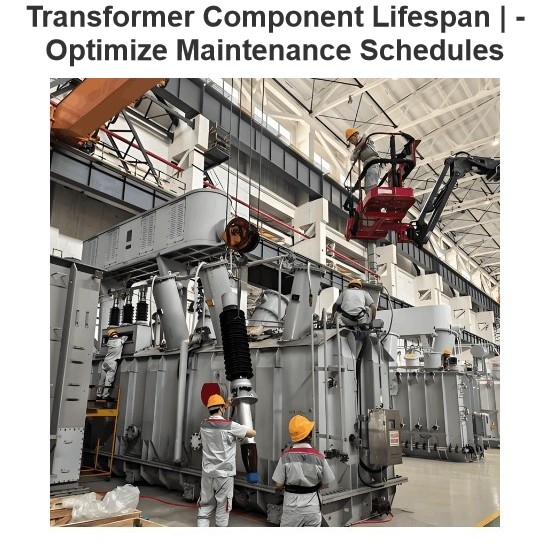
Transformer Component Lifespan | -Optimize Maintenance Schedules
The vulnerable components of a transformer and their replacement cycles must be determined comprehensively based on factors such as transformer type, operating environment, load conditions, and manufacturing processes.Common Vulnerable Components in Oil-Immersed TransformersOil-immersed transformers rely on insulating oil for heat dissipation and insulation. Their core components include the core, windings, insulation system, cooling system, and accessories. Vulnerable parts are primarily concen
08/28/2025
Consult
Tip
Consult
Tip
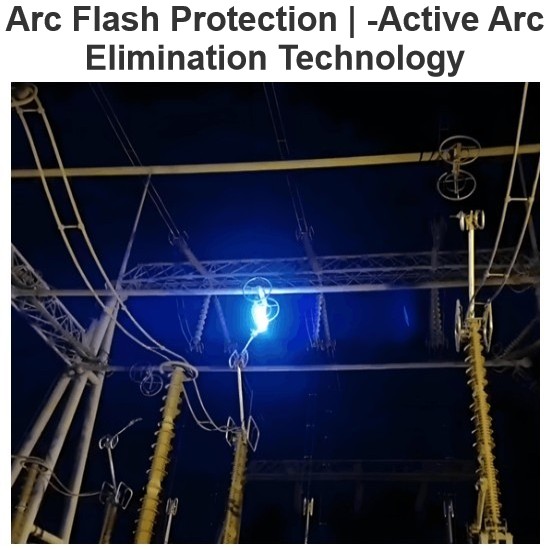
Arc Flash Protection | -Active Arc Elimination Technology
An arc flash is one of the most destructive industrial incidents you might encounter. In an instant, your switchgear can be destroyed, downstream equipment severely damaged, operations shut down for days or weeks, and personnel seriously injured or killed.In certain facilities or applications, the potential risk of arc flash is very low; conventional (arc-flash unprotected) switchgear can be used with minimal risk. However, in most applications, it makes far more sense to rely on equipment incor
08/28/2025
Consult
Tip
Consult
Tip
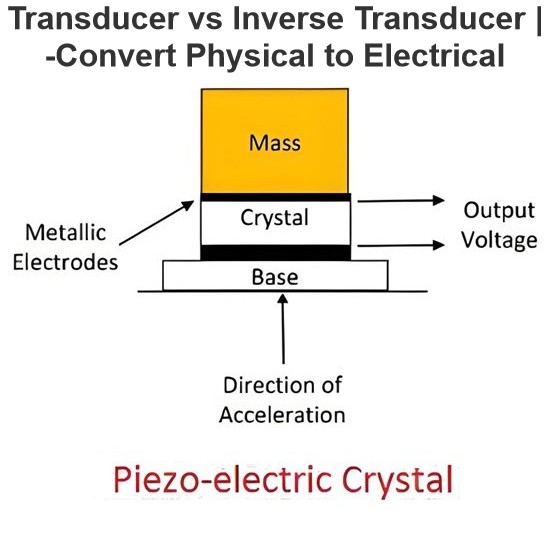
Transducer vs Inverse Transducer | -Convert Physical to Electrical
One of the primary differences between a transducer and an inverse transducer is that a transducer converts a non-electrical quantity into an electrical quantity, whereas an inverse transducer converts an electrical quantity into a non-electrical quantity. Other differences between the two are summarized in the comparison chart below.The control of physical quantities such as flow, rate, position, speed, temperature, and pressure depends on the accurate measurement of these quantities. In simple
08/28/2025
Consult
Tip
Consult
Tip
Let's Talk About Mining Transformers
Mine-Resistant Transformers, also known as Mining Transformers, are specialized electrical devices specifically designed for mining applications. These transformers are essential components in the mining industry, used to convert and distribute electrical power to various mining equipment and facilities. They are custom-engineered to meet the unique demands and challenges of mining environments.Key characteristics and features of mine-resistant transformers include:1. Durability: Mine-resistant
08/28/2025
Consult
Tip
Consult
Tip
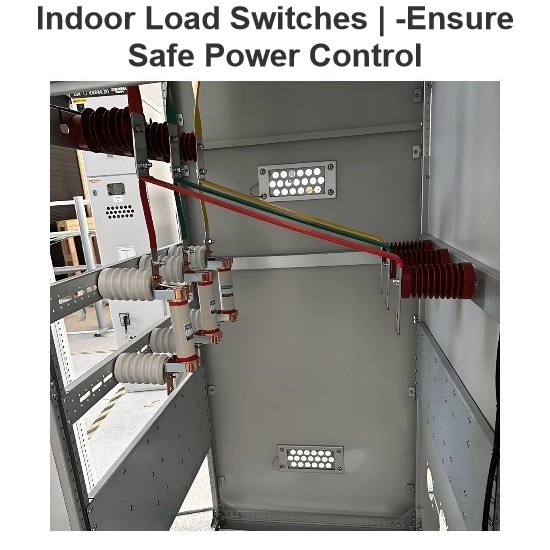
Indoor Load Switches | -Ensure Safe Power Control
In indoor switchgear rooms, indoor load switches are key devices designed to meet the core requirements of "medium and low-voltage distribution, flexible control, and simplified protection." Their application centers on three primary scenarios: "circuit control, safety isolation, and fault coordination." The specific implementation methods and value are as follows:1.Power Control Unit for Terminal Loads: Load switches are commonly used in branch circuits of low-voltage distribution panels within
08/28/2025
Consult
Tip
Consult
Tip
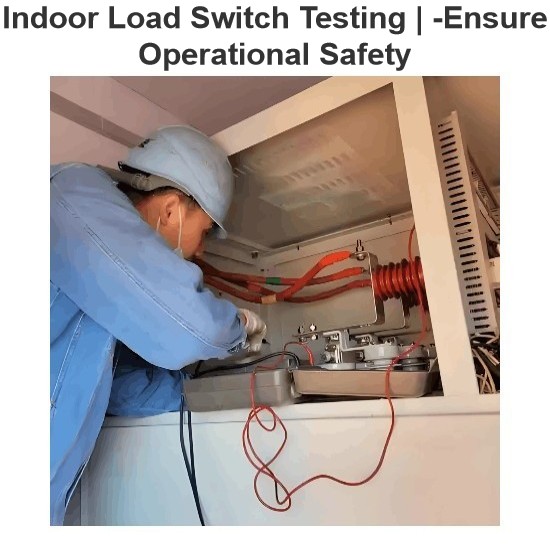
Indoor Load Switch Testing | -Ensure Operational Safety
The testing of indoor load switches should cover their entire lifecycle, focusing on four core aspects: "ensuring reliable insulation, normal mechanical operation, safe switching capability, and operational compatibility." The main testing categories include:1. Insulation Performance Testing: Use a megohmmeter to measure insulation resistance between phases, from phase to ground, and between moving and fixed contacts (≥0.5 MΩ for low voltage, ≥1000 MΩ for high v
08/28/2025
Consult
Tip
Consult
Tip
Send inquiry
+86
Click to upload file
Download
Get the IEE Business Application
Use the IEE-Business app to find equipment, obtain solutions, connect with experts, and participate in industry collaboration anytime, anywhere—fully supporting the development of your power projects and business.