• Product
  • Suppliers
  • Manufacturers
  • Solutions
  • Free tools
  • Knowledges
  • Experts
  • Communities
Search


Free Expert Guides on Power Systems, Circuit Design & Electrical Troubleshooting

Access free engineering resources from IEE Business—covering power design, circuit layout, equipment selection, and troubleshooting. Expert-developed guides help engineers, procurement, and project teams make better decisions. Stay ahead on smart grids, renewables, efficiency, and AI tools. Improve reliability, reduce downtime, and enhance outcomes with real-world solutions. Explore our knowledge hub today.
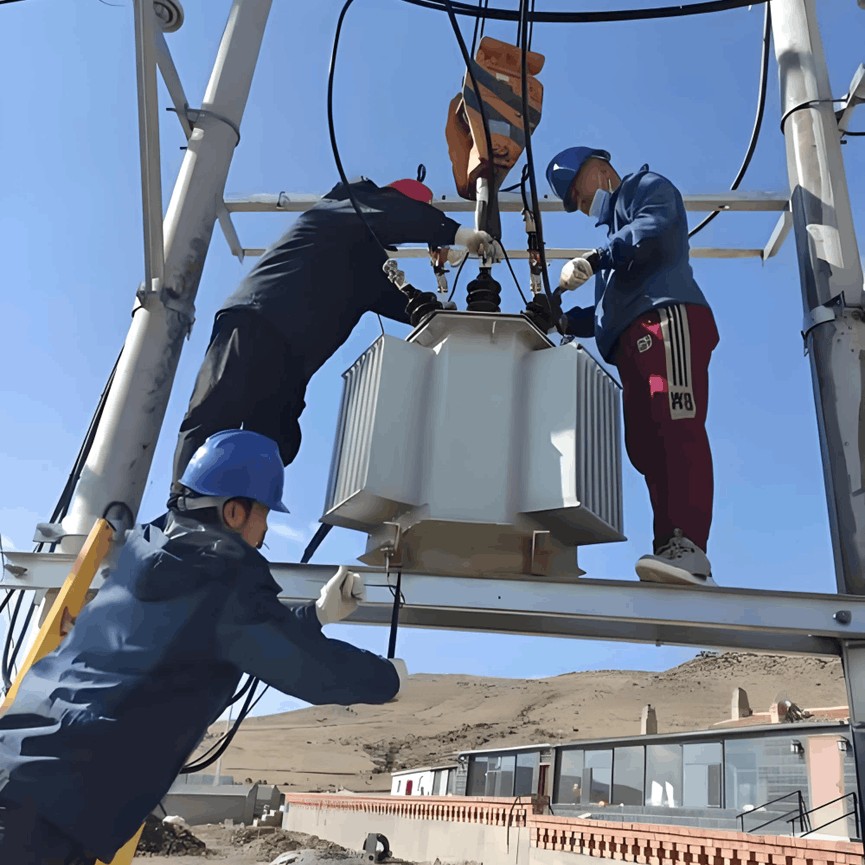
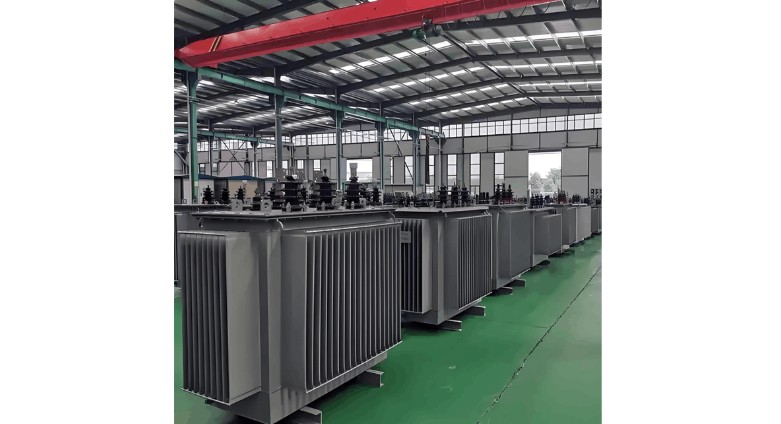
Transformer Use and Installation: Ensuring Safe and Reliable Operation
Operating Conditions for Transformers The installation site must be free from flooding, located at an altitude not exceeding 1,000 meters, and maintained in an ambient temperature not exceeding 40°C. Relative humidity may reach 100% within an operating temperature range of 40°C to -25°C (on-load tap changers and temperature controllers must be rated for -25°C). The installation area should be clean, free from conductive dust and corrosive gases, and equipped with sufficient natural or mechanical
09/17/2025
Consult
Tip
Consult
Tip
 Advantages of SC Series Transformers: Advanced Production Equipment Enabling High Reliability
Heidrich Pouring Tank Features a fully integrated online film degassing system for enhanced resin quality. Employs static mixing technology—ensuring contamination-free processing with zero waste. Offers programmable mixing ratios and adjustable pouring speed for precise process control. Achieves an internal vacuum level of 0.8 to 2.5 bar, optimizing resin penetration and impregnation.Horizontal and Vertical Cutting Lines Delivers high-precision machining with a tolerance of ±0.01 mm and burr con
09/17/2025
Consult
Tip
Consult
Tip
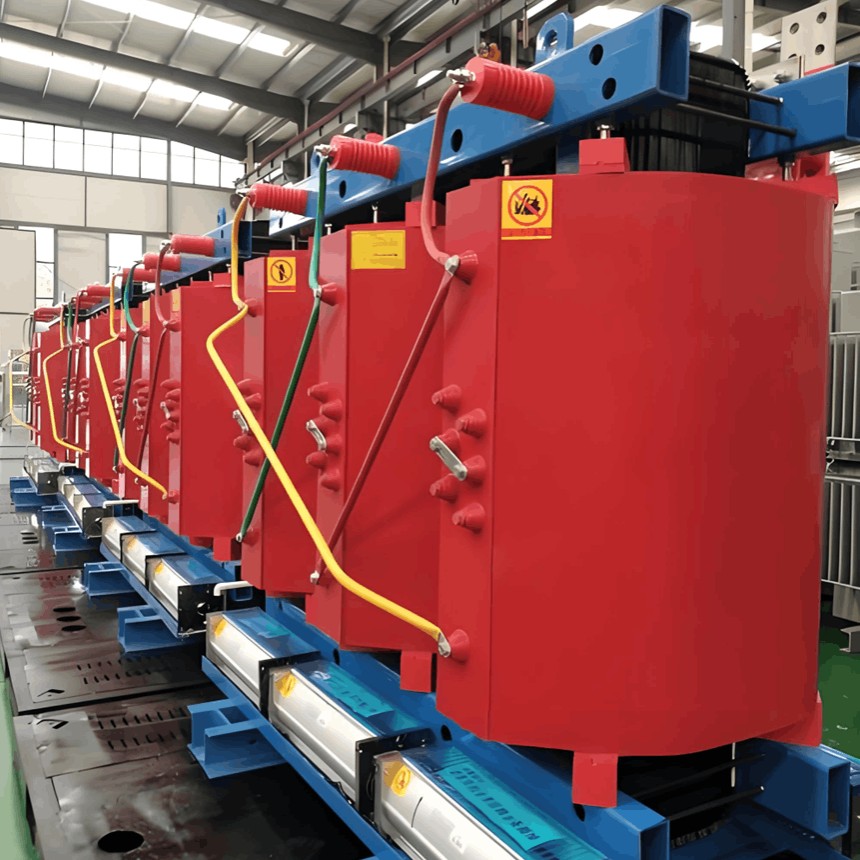
Advantages of Dry-Type Transformers: Enhancing Safety and Environmental Performance
Compared to traditional oil-filled transformers, dry-type transformers offer several advantages. Key benefits of dry-type transformers include:Safety: Dry-type transformers are considered safer as they lack flammable liquid insulation (such as oil). They eliminate risks associated with oil leaks, spills, and related fire hazards. This makes them suitable for indoor installations, especially in areas where fire safety is a priority, such as commercial buildings, hospitals, and schools.Environment
09/17/2025
Consult
Tip
Consult
Tip
Time Relay Accuracy Measurement Method
Accurate time relay measurement requires systematic steps to ensure reliable results. Before measurement, confirm the relay model, rated parameters, and operating environment, maintaining ambient temperature at 20±5°C and humidity below 85%RH. Prepare a high-precision timer (resolution 0.001s), regulated power supply (±1% fluctuation), standard load (matching contact rating), and digital multimeter.Calibrate the timer and power supply, ensuring equipment error is within ±0.5%. Mount the relay on
09/17/2025
Consult
Tip
Consult
Tip
Research on the Application of JSZ3A - B Time Relay in Motor Control System
Time relays are commonly used industrial control devices. Based on their timing characteristics, they can be classified into three types: on-delay, off-delay, and combined on/off-delay relays. Among these, on-delay time relays are the most widely used and readily available in the market. However, many on-delay relays have a limited number of contacts and only provide timed contacts without instantaneous ones, which poses inconvenience for electrical control circuit designs requiring immediate re
09/17/2025
Consult
Tip
Consult
Tip
Automatic Closing Device for Low-Voltage Circuit Breakers Based on Time Relays
To ensure safe and stable grid operation and prevent load current surges from damaging electrical equipment during power restoration, all loads connected to distribution transformers must be disconnected before energizing.Therefore, low-voltage circuit breakers are equipped with an undervoltage release function: when a transformer is de-energized due to maintenance or line faults, the loss of voltage on the low-voltage bus causes the branch circuit breaker to trip automatically. After the transf
09/16/2025
Consult
Tip
Consult
Tip
Understanding the Difference and Applications of On-Delay and Off-Delay Time Relays
In electrical and electronic engineering, time relays are crucial control components. Operating on electromagnetic or mechanical principles, they delay the closing or opening of contacts within control circuits. This time-delayed action enables circuits to automatically perform specific operations after a set interval. Based on their timing characteristics, time relays are primarily classified into two types: on-delay and off-delay.1. On-Delay Time RelayAn on-delay time relay does not respond im
09/16/2025
Consult
Tip
Consult
Tip
Marine Time Relay Setting and Common Fault Troubleshooting
Common Faults and Troubleshooting:(1) Over time, the adjustable potentiometer used to set the delay time may suffer wear of the carbon film or accumulate dust, leading to inaccurate timing. To address this, apply a small amount of electrical contact cleaner around the potentiometer shaft, then rotate the shaft back and forth to clean the internal contacts. If the potentiometer is severely worn, replace it promptly.(2) Damage or aging of transistors can alter the parameters of the timing circuit,
09/16/2025
Consult
Tip
Consult
Tip
Time relay applications & wiring methods for optimizing control circuits, improving accuracy and reliability in real-world systems.
As an electrical component capable of achieving time-delay control, time relays are widely used in various circuit systems. Correctly understanding and mastering the wiring methods of time relays is essential for electrical engineers and electronics enthusiasts. This article presents detailed wiring diagrams to explain the applications and wiring methods of two common types—on-delay and off-delay time relays—in practical circuits.1. On-Delay Time Relay1. Wiring Diagram ExplanationA typical on-de
09/16/2025
Consult
Tip
Consult
Tip
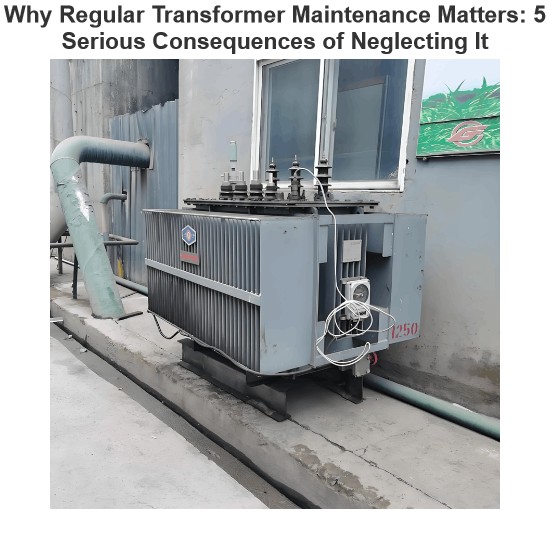
Why Regular Transformer Maintenance Matters: 5 Serious Consequences of Neglecting It
I. Allowable TemperatureWhen a transformer is in operation, its windings and iron core generate copper loss and iron loss. These losses are converted into heat energy, causing the temperature of the transformer's iron core and windings to rise. If the temperature exceeds the allowable value for a long time, the insulation will gradually lose its mechanical elasticity and age.The temperature of each part of the transformer during operation is different: the winding temperature is the highest, fol
09/12/2025
Consult
Tip
Consult
Tip
Send inquiry
+86
Click to upload file
Download
Get the IEE Business Application
Use the IEE-Business app to find equipment, obtain solutions, connect with experts, and participate in industry collaboration anytime, anywhere—fully supporting the development of your power projects and business.