• Product
  • Suppliers
  • Manufacturers
  • Solutions
  • Free tools
  • Knowledges
  • Experts
  • Communities
Search


Free Expert Guides on Power Systems, Circuit Design & Electrical Troubleshooting

Access free engineering resources from IEE Business—covering power design, circuit layout, equipment selection, and troubleshooting. Expert-developed guides help engineers, procurement, and project teams make better decisions. Stay ahead on smart grids, renewables, efficiency, and AI tools. Improve reliability, reduce downtime, and enhance outcomes with real-world solutions. Explore our knowledge hub today.
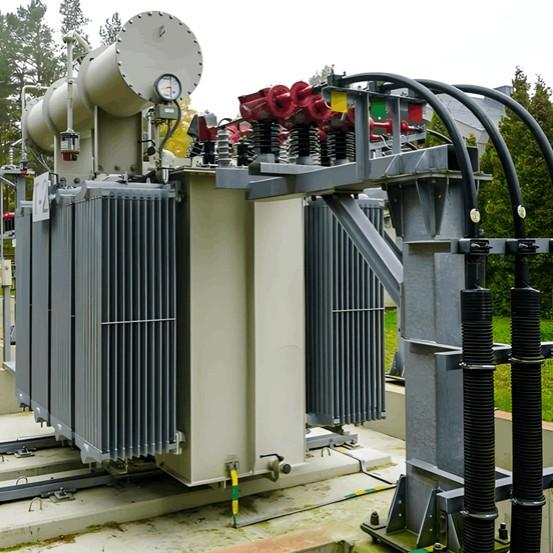
From 66 kV to 500 kV: The Rise of Eco-Friendly Vegetable Oil Transformers
Vegetable Oil in High-Voltage Power Transformers: Current Status, Technical Challenges, and Market OutlookNatural ester (vegetable) oil is gaining traction as a sustainable alternative to mineral oil in power transformers. Thanks to its biodegradability, high fire point (>300°C), and extended insulation life, vegetable oil transformers are increasingly deployed worldwide—especially in environmentally sensitive or fire-risk areas.As of 2025, over 2 million vegetable oil-filled transformers are
10/20/2025
Consult
Tip
Consult
Tip
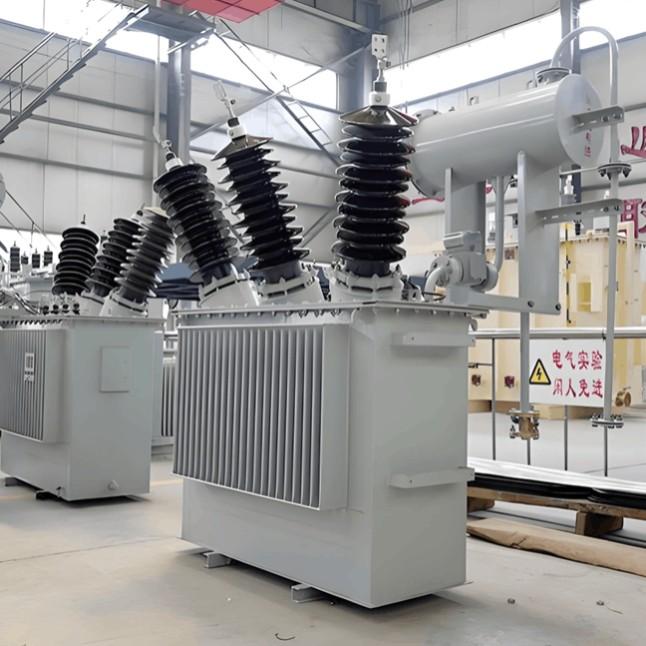
The Four Key Aspects of Transformers: Construction, Lightning Protection, Common Faults, and Noise Issues
With the rapid development of China's economy, the power industry has also gradually expanded in scale, increasing the requirements for both the installed capacity and the single-unit capacity of power transformers. This article provides a brief introduction to four aspects: transformer construction, transformer lightning protection, transformer faults, and transformer noise.A transformer is a commonly used electrical device capable of converting AC electrical energy. It can transform one form o
10/20/2025
Consult
Tip
Consult
Tip
How Silicon Steel Minimizes Transformer Core Loss
Why Transformers Use Silicon Steel Laminations to Reduce Eddy Current LossTransformers rely on efficient magnetic cores to transfer energy between windings with minimal loss. One of the most critical design choices is the use of laminated silicon steel sheets—not solid iron or plain steel—for the core. This decision directly addresses a major source of inefficiency: eddy current loss.What Is Eddy Current Loss?When a transformer operates under alternating current (AC), the primary winding generat
10/20/2025
Consult
Tip
Consult
Tip
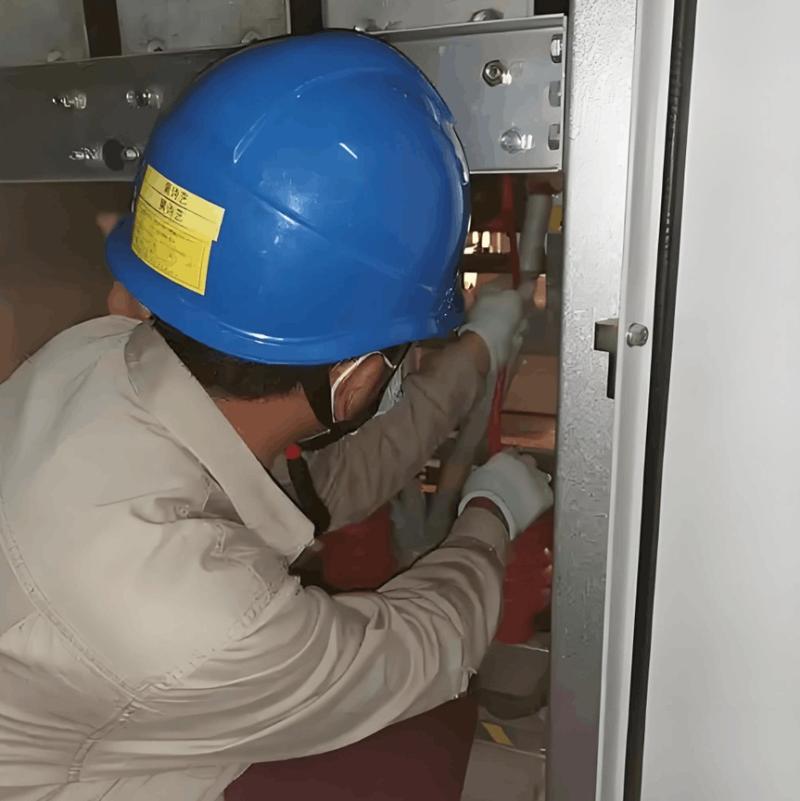
Comprehensive Guide to Transformer Fault Diagnosis & Testing
Optimized Guide to Transformer Fault Diagnosis and Advanced Testing TechniquesTransformers are core components in power systems, and their operational reliability directly impacts power supply safety. Common types include oil-immersed and dry-type transformers. Failures typically occur in the windings, core, connections, and insulation oil, with typical issues such as inter-turn short circuits, insulation aging, overheated joints, and multi-point core grounding.1. Common Fault IndicatorsImmediat
10/20/2025
Consult
Tip
Consult
Tip
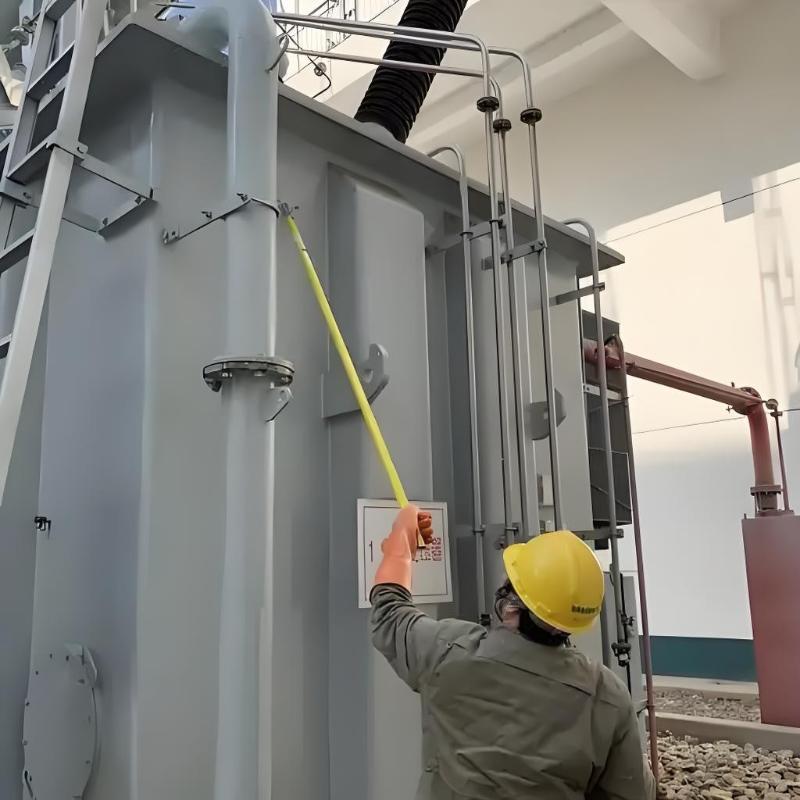
4 Transformer Inspection Methods: Visual, Olfactory, Tactile & Auditory Checks
Common Transformer Inspection Methods for Safe & Reliable OperationTransformers are essential electrical devices that transfer energy between circuits by electromagnetic induction, stepping voltage up or down to minimize power losses during transmission. For instance, industrial plants often receive electricity at 10 kV, which is then stepped down via transformers to usable low-voltage levels.To ensure transformers operate safely and efficiently, regular inspection is critical. Below are fou
10/20/2025
Consult
Tip
Consult
Tip
How to properly inspect and maintain a transformer?
1 Transformer Testing and Protection Grounding is divided into working grounding and protective grounding. Working grounding: Grounding performed to meet the operational requirements of equipment.Protective grounding: Grounding implemented to prevent the metal enclosures of operating electrical equipment, structures of switchgear installations, and transmission towers from becoming energized, thereby endangering personal and equipment safety. Therefore, grounding of the transformer neutral point
10/18/2025
Consult
Tip
Consult
Tip
How to select a dry-type transformer?
1. Temperature Control SystemOne of the main causes of transformer failure is insulation damage, and the greatest threat to insulation comes from exceeding the allowable temperature limit of the windings. Therefore, monitoring temperature and implementing alarm systems for transformers in operation are essential. The following introduces the temperature control system using the TTC-300 as an example.1.1 Automatic Cooling FansA thermistor is pre-embedded at the hottest spot of the low-voltage win
10/18/2025
Consult
Tip
Consult
Tip
Comprehensive Analysis of Global Transformer Standards
Comparison of Domestic and International Transformer StandardsAs a core component of power systems, the performance and safety of transformers directly affect grid operation quality. The IEC 60076 series standards established by the International Electrotechnical Commission (IEC) correspond multidimensionally with China’s GB/T 1094 series standards in technical specifications. For example, regarding insulation levels, IEC specifies that power frequency withstand voltage for transformers rated at
10/18/2025
Consult
Tip
Consult
Tip
How to Choose the Right Transformer?
Transformer Selection and Configuration Standards1. Importance of Transformer Selection and ConfigurationTransformers play a critical role in power systems. They adjust voltage levels to suit different requirements, enabling electricity generated at power plants to be efficiently transmitted and distributed. Improper transformer selection or configuration can lead to serious issues. For example, if the capacity is too small, the transformer may not support the connected load, causing voltage dro
10/18/2025
Consult
Tip
Consult
Tip
How to handle transformer faults?
Common transformer faults and their handling methods.1. Transformer OverheatingOverheating is extremely harmful to transformers. Most transformer insulation failures are caused by overheating. Rising temperature reduces the dielectric strength and mechanical strength of insulation materials. IEC 354, Loading Guide for Transformers, states that when the hottest spot temperature of a transformer reaches 140°C, bubbles will form in the oil. These bubbles can reduce insulation performance or cause f
10/18/2025
Consult
Tip
Consult
Tip
Send inquiry
+86
Click to upload file
Download
Get the IEE Business Application
Use the IEE-Business app to find equipment, obtain solutions, connect with experts, and participate in industry collaboration anytime, anywhere—fully supporting the development of your power projects and business.