• Product
  • Suppliers
  • Manufacturers
  • Solutions
  • Free tools
  • Knowledges
  • Experts
  • Communities
Search


Free Expert Guides on Power Systems, Circuit Design & Electrical Troubleshooting

Access free engineering resources from IEE Business—covering power design, circuit layout, equipment selection, and troubleshooting. Expert-developed guides help engineers, procurement, and project teams make better decisions. Stay ahead on smart grids, renewables, efficiency, and AI tools. Improve reliability, reduce downtime, and enhance outcomes with real-world solutions. Explore our knowledge hub today.
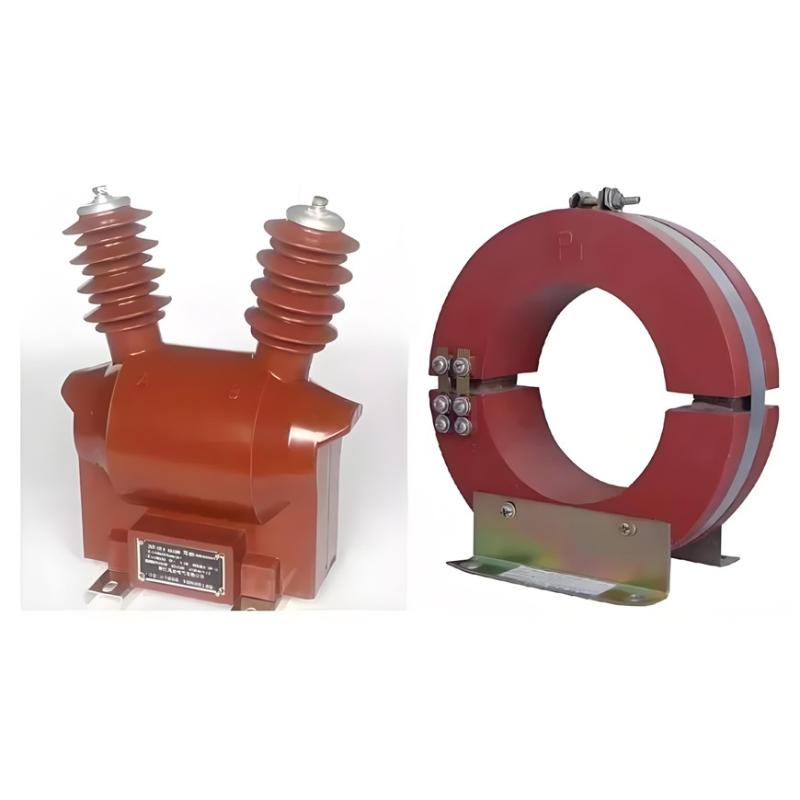
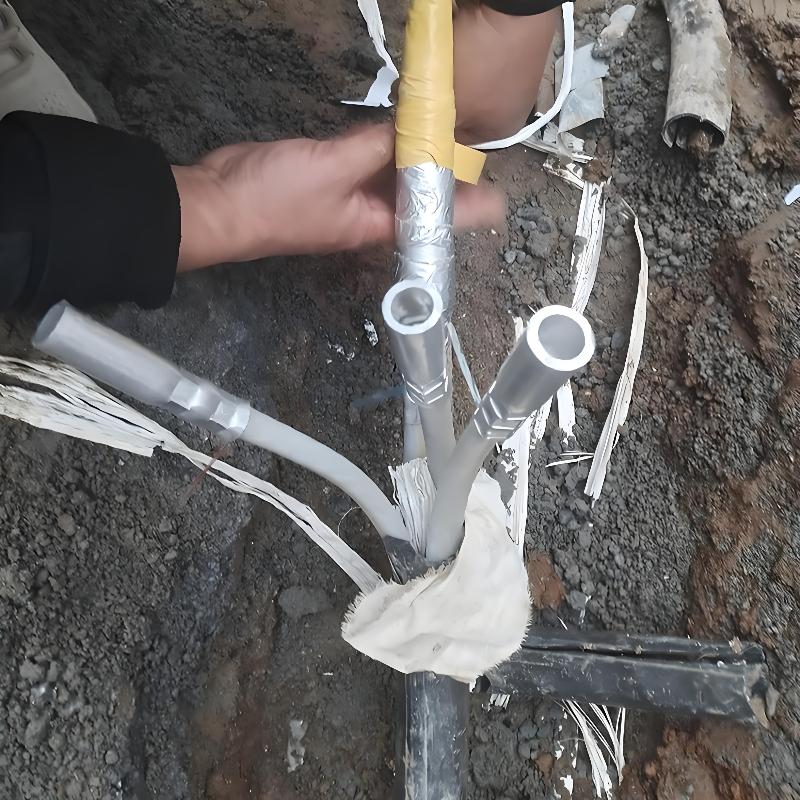
Why Can't VT Be Shorted & CT Be Opened? Explained
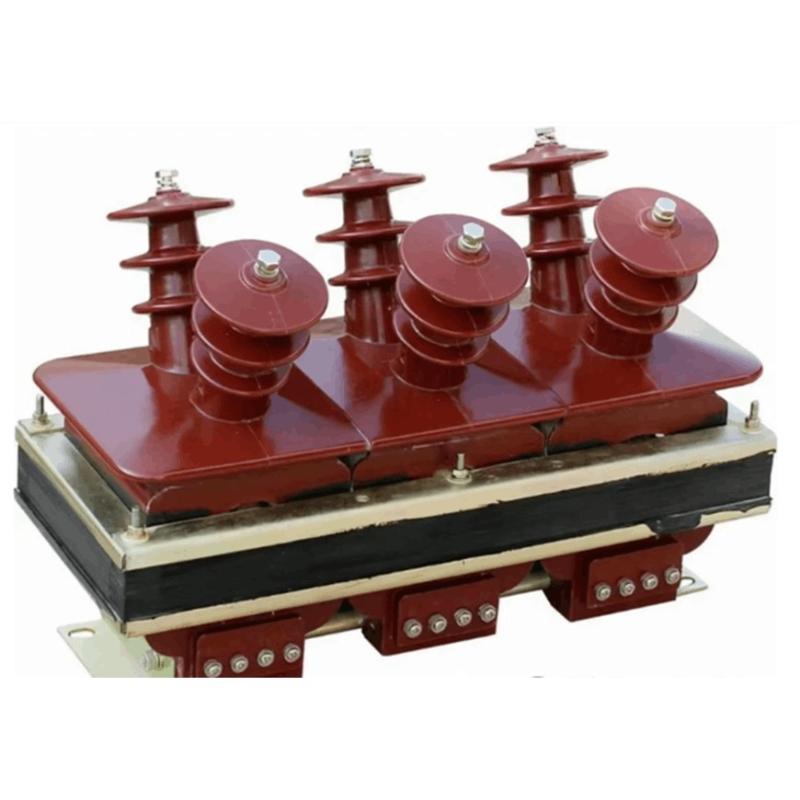
We all know that a voltage transformer (VT) must never operate short-circuited, while a current transformer (CT) must never operate open-circuited. Short-circuiting a VT or opening the circuit of a CT will damage the transformer or create hazardous conditions.From a theoretical standpoint, both VTs and CTs are transformers; the difference lies in the parameters they are designed to measure. So why, despite being fundamentally the same type of device, is one prohibited from short-circuit operatio
10/22/2025
Consult
Tip
Consult
Tip
Why Are Voltage Transformers Burning Out? Find the Real Causes
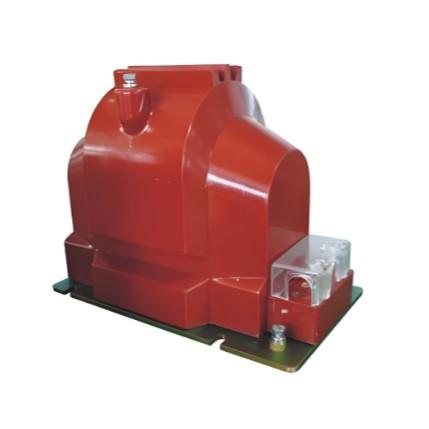
In power circuits, voltage transformers (VTs) are often damaged or burned out. If the root cause is not identified and only the transformer is replaced, the new unit may quickly fail again, disrupting power supply to users. Therefore, the following checks should be performed to determine the cause of VT failure: If the voltage transformer has ruptured and oil residue is found on the silicon steel laminations, the damage was likely caused by ferroresonance. This occurs when unbalanced voltages or
10/22/2025
Consult
Tip
Consult
Tip
Things to Know When Operating Voltage Transformers: De-energizing and Energizing Procedures
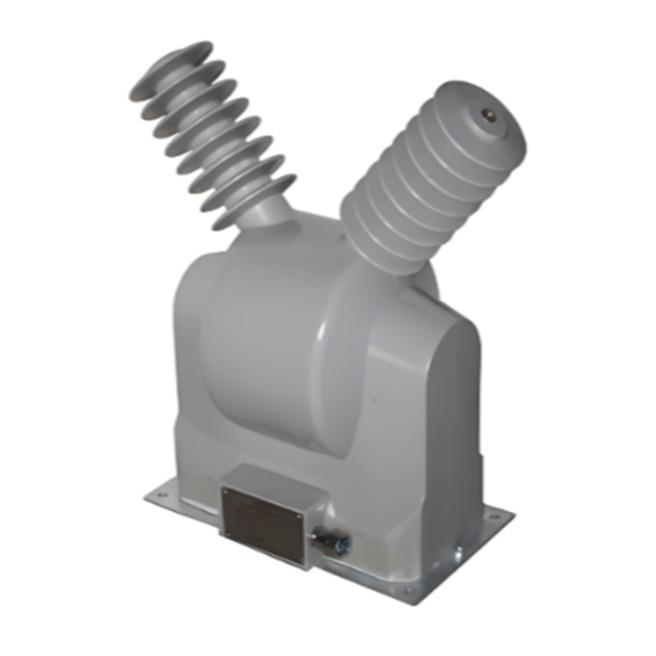
Q:What are the Operating Sequence Rules for the Secondary Miniature Circuit Breaker and High-Voltage Power Supply During Voltage Transformer De-energizing and Energizing?A:For busbar voltage transformers, the principle for operating the secondary miniature circuit breaker during de-energizing and energizing is as follows: De-energizing:First, open the secondary miniature circuit breaker, then disconnect the high-voltage power supply of the voltage transformer (VT). Energizing:First, energize the
10/22/2025
Consult
Tip
Consult
Tip
How to Safely Operate & Maintain Current Transformers?
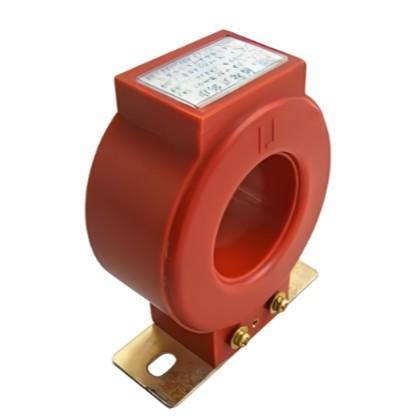
I. Permissible Operating Conditions for Current Transformers Rated Output Capacity: Current transformers (CTs) must operate within the rated output capacity specified on their nameplate. Operation beyond this rating reduces accuracy, increases measurement errors, and causes inaccurate meter readings, similar to voltage transformers. Primary Side Current: The primary current may continuously operate up to 1.1 times the rated current. Prolonged overload operation increases measurement errors and m
10/22/2025
Consult
Tip
Consult
Tip
How to Operate & Maintain Voltage Transformers Safely?
I. Normal Operation of Voltage Transformers A voltage transformer (VT) may operate long-term at its rated capacity, but under no circumstances should it exceed its maximum capacity. The secondary winding of a VT supplies high-impedance instruments, resulting in a very small secondary current, nearly equal to the magnetizing current. The voltage drops across the leakage impedances of both primary and secondary windings are therefore very small, meaning the VT operates close to no-load under norma
10/22/2025
Consult
Tip
Consult
Tip
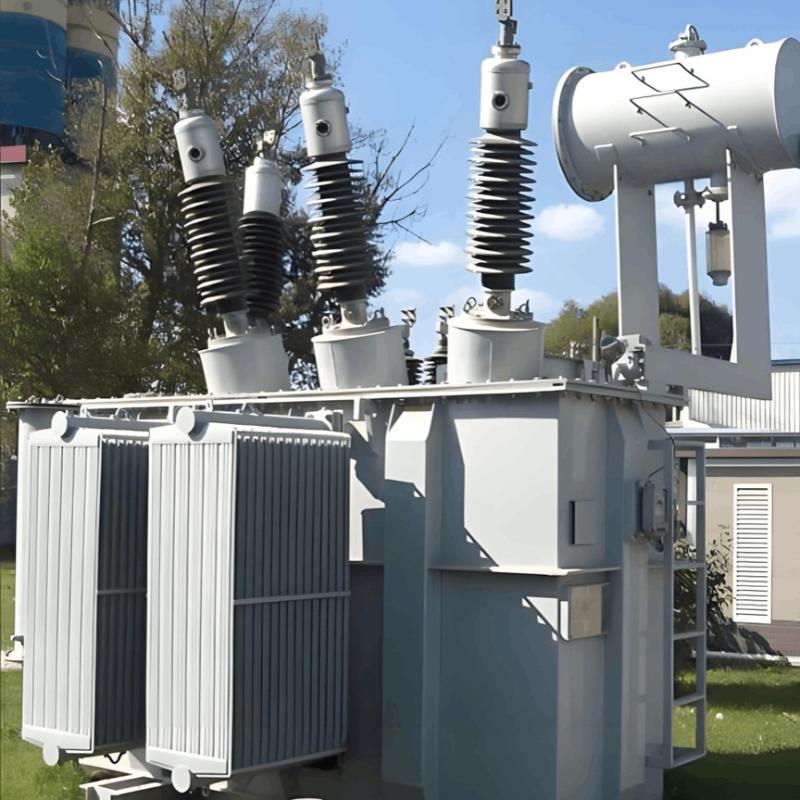
How to Improve Rectifier Transformer Efficiency? Key Tips
Optimization Measures for Rectifier System EfficiencyRectifier systems involve numerous and diverse equipment, so many factors affect their efficiency. Therefore, a comprehensive approach is essential during design. Increase Transmission Voltage for Rectifier LoadsRectifier installations are high-power AC/DC conversion systems requiring substantial power. Transmission losses directly impact rectifier efficiency. Increasing the transmission voltage appropriately reduces line losses and improves r
10/22/2025
Consult
Tip
Consult
Tip
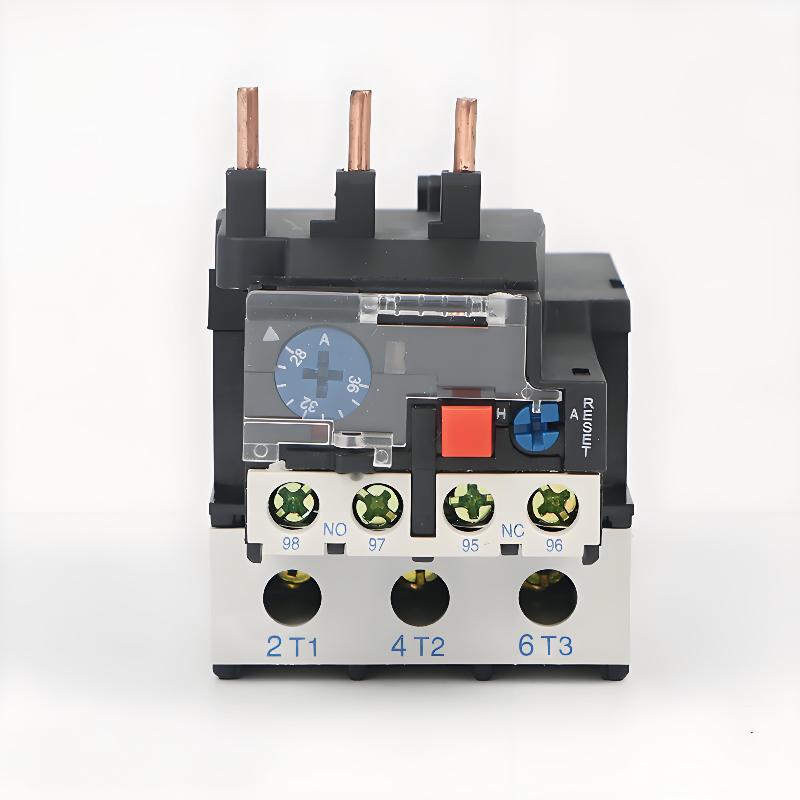
How to Choose a Thermal Relay for Motor Protection?
Thermal Relays for Motor Overload Protection: Principles, Selection, and ApplicationIn motor control systems, fuses are primarily used for short-circuit protection. However, they cannot protect against overheating caused by prolonged overloading, frequent forward-reverse operation, or undervoltage operation. Currently, thermal relays are widely used for motor overload protection. A thermal relay is a protective device that operates based on the thermal effect of electric current, and is essentia
10/22/2025
Consult
Tip
Consult
Tip
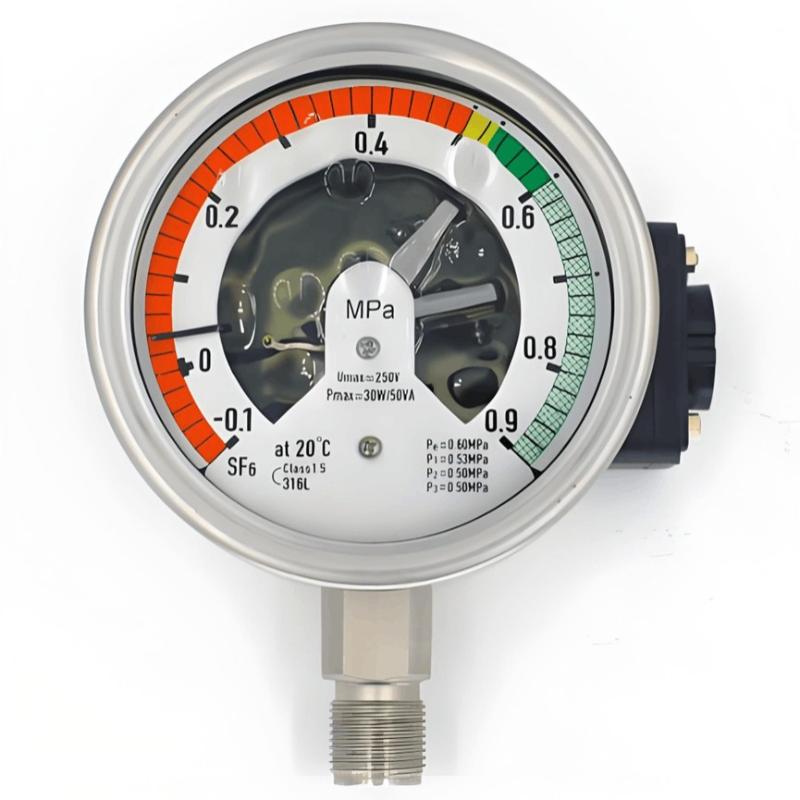
How Does Oil Loss Affect SF6 Relay Performance?
1.SF6 Electrical Equipment and the Common Problem of Oil Leakage in SF6 Density RelaysSF6 electrical equipment is now widely used in power utilities and industrial enterprises, significantly advancing the development of the power industry. The arc-quenching and insulating medium in such equipment is sulfur hexafluoride (SF6) gas, which must not leak. Any leakage compromises the reliable and safe operation of the equipment, making it essential to monitor the SF6 gas density. Currently, mechanical
10/21/2025
Consult
Tip
Consult
Tip
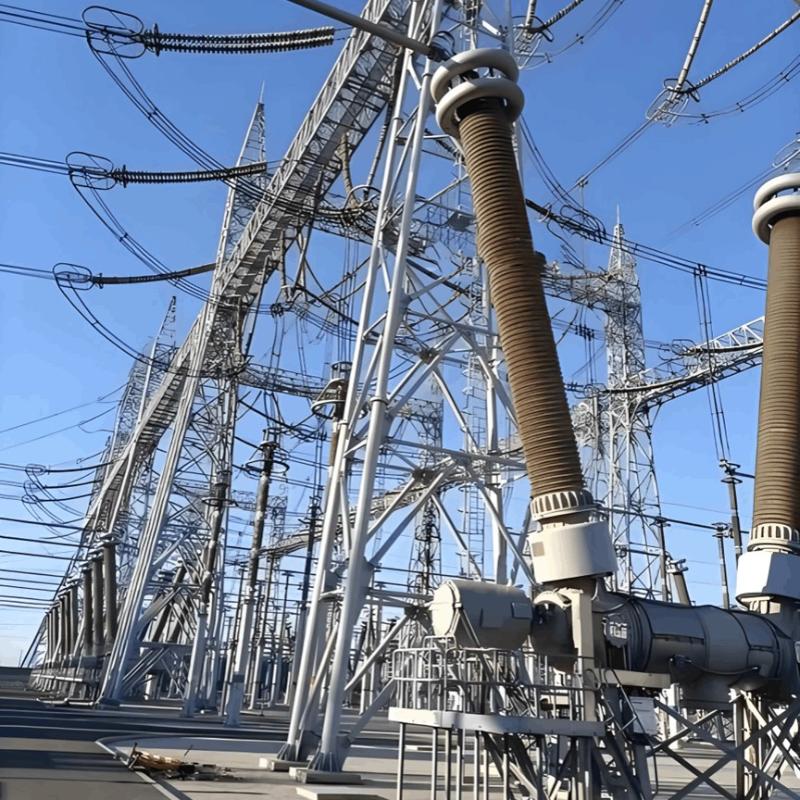
MVDC: Future of Efficient, Sustainable Power Grids
The Global Energy Landscape Is Undergoing a Fundamental Transformation toward a "fully electrified society," characterized by widespread carbon-neutral energy and the electrification of industry, transportation, and residential loads.In today’s context of high copper prices, critical mineral conflicts, and congested AC power grids, Medium-Voltage Direct Current (MVDC) systems can overcome many limitations of traditional AC networks. MVDC significantly enhances transmission capacity and efficienc
10/21/2025
Consult
Tip
Consult
Tip
Grounding Causes of Cable Lines and the Principles of Incident Handling
Our 220 kV substation is located far from the urban center in a remote area, surrounded primarily by industrial zones such as Lanshan, Hebin, and Tasha Industrial Parks. Major high-load consumers in these zones—including silicon carbide, ferroalloy, and calcium carbide plants—account for approximately 83.87% of our bureau’s total load. The substation operates at voltage levels of 220 kV, 110 kV, and 35 kV.The 35 kV low-voltage side mainly supplies feeders to ferroalloy and silicon carbide plants
10/21/2025
Consult
Tip
Consult
Tip
Send inquiry
+86
Click to upload file
Download
Get the IEE Business Application
Use the IEE-Business app to find equipment, obtain solutions, connect with experts, and participate in industry collaboration anytime, anywhere—fully supporting the development of your power projects and business.