Sistema nga Hybrido sa Hangin-Silangan Faults & Solutions
1. Usahay nga mga Sayop ug mga Dahon sa Wind Turbines
Isip usa ka mahimong bahin sa wind-solar hybrid nga mga sistema, ang mga wind turbines kasagaran magdawat og sayop sa tulo ka aspeto: mechanical structure, electrical systems, ug control functions. Ang pag-ubos ug pagkasira sa mga blades mao ang pinaka-usa ka common nga mechanical failure, kasagaran gihatagan niini tungod sa long-term nga impakto sa hangin, material fatigue, o manufacturing defects. Ang field monitoring data nagpakita nga ang average lifespan sa blade mao ang 3–5 tuig didto sa coastal regions, apan maaari maputli ngadto sa 2–3 tuig didto sa northwest regions diin adunay kusgan nga mga sandstorm. Sa wala pa, ang eccentric bearing wear labi na prominent didto sa horizontal-axis turbines, kasagaran tungod sa prolonged off-center operation ug uneven stress distribution.
Sa electrical systems, ang output phase loss ug voltage instability mao ang duha ka typical nga mga isyu. Ang mga wind turbines molihok sa three-phase AC power, ug ang poor connections o loose wiring maaari madali mogwapis sa unbalanced o missing phases. Ang industry statistics nagsulti nga higit sa 25% sa turbine failures adunay relasyon sa mga isyu sa wiring. Usa ka common nga problema mao ang brake system malfunction, diin ang rotor speed dili makapugos sa significant drop human sa three-phase short circuit, kasagaran tungod sa brake wear o electrical control failure.
Ang controller faults kasagaran manifest isip flawed power distribution logic. Ang traditional fixed-threshold strategies dili makapugos sa adapt sa complex ug changing weather conditions. Tumong, sa early mornings diin adunay light wind ug increasing sunlight, ang traditional control magpadayon sa turbine output sa sulod sa 30%–40% sa rated power tungod sa insufficient wind speed, wasting significant wind energy. Ang statistics nagpakita nga ang wind-solar hybrid systems nga gamit sa traditional control strategies adunay average energy utilization rates 15%–20% lower kay sa intelligent systems.
2. Usahay nga mga Sayop ug mga Dahon sa Solar Panels
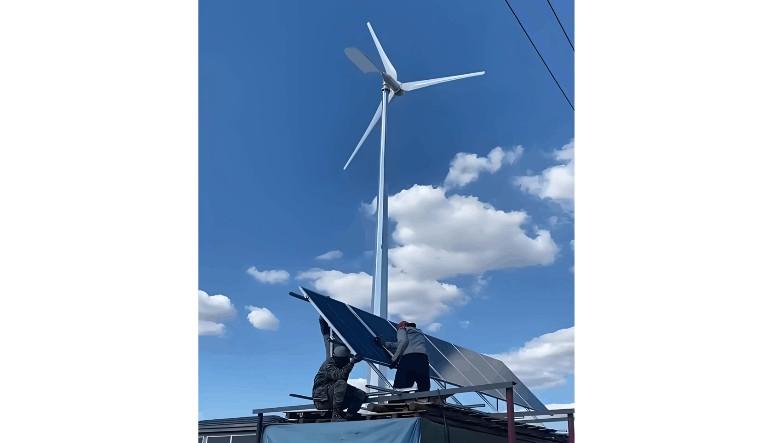
Ang solar panels sa hybrid systems usab nagdawat og daghang mga failure risks. Ang surface damage ug terminal connector failures mao ang pinaka visible nga physical faults, kasagaran gihatagan niini tungod sa harsh weather, sand impact, o improper installation. Didto sa high-wind areas, ang solar panels adunay average annual damage rate nga 5%–8%, requiring regular inspection ug maintenance.
Electrically, ang hot spot effects ug partial shading mao ang key factors nga nakakaapekto sa photovoltaic efficiency. Kon usa ka bahin sa panel gi-shade, ang energy gikan sa unshaded areas mokaog reversely sa shaded area, causing localized overheating ug forming hot spots. Ang prolonged hot spot effects maaari mapugos sa panel efficiency sa 15%–20% ug mao usab mokaog permanent damage. Sa wala pa, ang PID (Potential Induced Degradation) mao ang significant factor nga nakakaapekto sa panel lifespan, esepcially didto sa high-humidity environments, diin ang efficiency maaari mapugos sa 5%–10% sa loob sa 1–2 tuig.
Ang performance degradation kasagaran tungod sa light-induced degradation ug encapsulation material failure. Ang industry standards nag-require sa high-quality PV modules nga adunay annual degradation rate below 0.3%–0.5% sa loob sa 25-year lifespan. Apan, sa practice, ang environmental factors ug material aging maaari mapugos sa annual degradation rates sa 0.8%–1.2%, significantly impacting overall system efficiency.
3. Fault Analysis sa Controllers ug Battery Systems
Isip ang "brain" sa wind-solar hybrid system, ang performance sa controller direkta makakaapekto sa system stability. Ang primary issue mao ang limitations sa traditional power distribution strategies, nga dependent sa fixed empirical parameters ug simple threshold judgments, making them unable to adapt sa real-time energy fluctuations. Sa complex weather conditions, ang mga controllers dili makapugos sa adjust power allocation promptly, leading to deteriorated power stability. Tumong, sa sudden weather changes sama sa rapid wind shifts o fast-moving cloud cover, ang traditional controllers maaari mogwapos sa several minutes o mas dugay sa pag-responso, failing to meet the stringent power quality requirements sa modern industrial equipment.
Ang battery system faults kasagaran categorized isip undercharging, water ingress, ug capacity degradation. Ang undercharging mosulay kon ang voltage drops below sa controller’s startup threshold; ang prolonged undercharging mao ang cause sa deep discharge, shortening battery life. Ang water ingress kasagaran tungod sa improper installation o poor sealing, resulting in extremely low, zero, o false voltage readings, causing severe battery damage. Ang statistics nagsulti nga higit sa 15% sa hybrid system failures adunay relasyon sa battery water ingress.
Ang capacity degradation mao ang natural aging process, apan ang environmental factors maaari makapugos sa accelerate it. Didto sa plateau regions, ang nighttime low temperatures maaari mapugos sa solar panel performance sa 30%–40%, while also decreasing battery usable capacity, making it difficult to meet load demands sa low-light conditions. Sa wala pa, ang high-salinity environments maaari makapugos sa significant corrosion sa batteries; didto sa coastal areas, ang battery lifespan sa hybrid systems typically 30%–50% shorter kay sa inland regions.