What are the core structural differences between Vziman S-series and SM-series oil-immersed transformers?

Compare Vziman S & SM oil-immersed transformers: S-series with oil conservators vs. hermetically sealed, maintenance-free, compact SM-series.

Vziman
Field: Manufacturing
10Year<
China
Add us on Google

The core structural differences between the S-series and SM-series (often designated as S-M) oil-immersed transformers lie in "whether they are hermetically sealed" and "whether they are equipped with an oil conservator (oil pillow)."

In transformer model designations, "S" stands for three-phase, and "M" stands for hermetically sealed. Their key structural differences are reflected in the following three aspects:

1. Presence or Absence of an Oil Conservator (Oil Pillow)

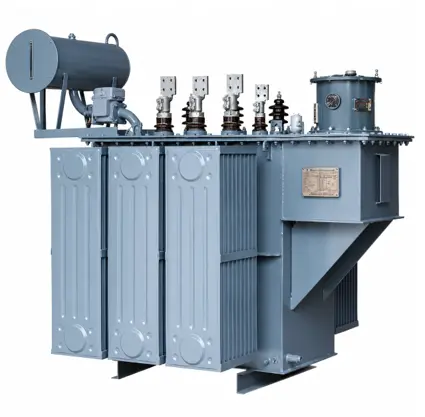
  • S-Series (Conventional Non-Sealed Type): Equipped with an oil conservator (oil pillow) at the top of the transformer tank. When the transformer oil expands or contracts due to temperature fluctuations during operation, the conservator accommodates this volume change, ensuring that the main tank remains completely filled with oil.
  • SM-Series (Hermetically Sealed Type): The oil conservator is eliminated. Its oil tank is a completely sealed unit without any protruding oil pillow at the top, which significantly reduces the overall height of the equipment and makes the structure more compact.

iee-business

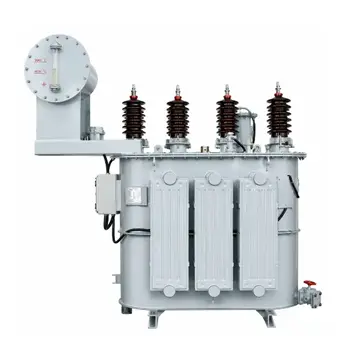
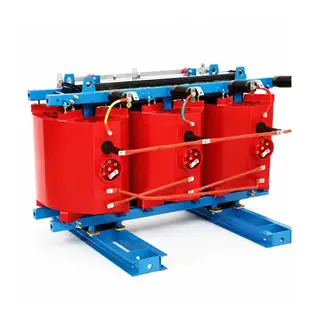
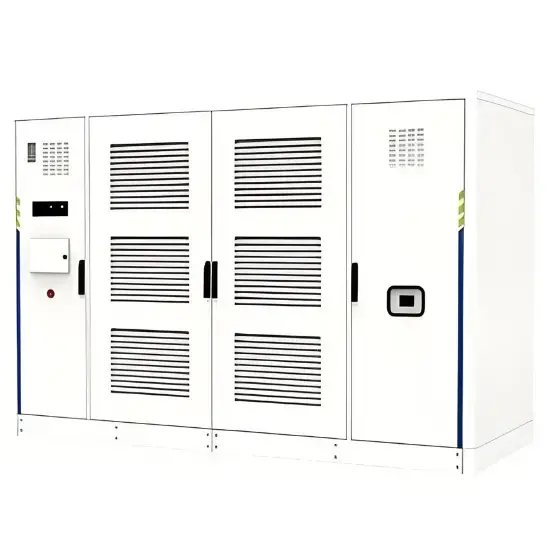
Physical Photo of Vziman SM Series Oil-Immersed Transformers

[Vziman Solution] The cores of Vziman S-series transformers are made of high-magnetic-permeability, low-loss, high-performance cold-rolled grain-oriented (CRGO) silicon steel sheets, paired with a step-lap stacking process to effectively reduce no-load losses. The high-voltage winding adopts a multi-layer cylindrical structure, and for large-capacity models of 630 kVA and above, the low-voltage winding employs a mature helical winding structure. This significantly optimizes the coil's ampere-turn balance and remarkably enhances the winding's mechanical strength and short-circuit withstand capability. The loss performance of these products fully complies with the GB 20052-2020 mandatory energy efficiency limits and the IEC 60076-15 international standard for high-efficiency distribution transformers.

2. Volume Compensation Mechanism for Thermal Expansion and Contraction

  • S-Series: Primarily relies on the air gap or diaphragm inside the top oil conservator to cushion and compensate for the volume changes of the insulating oil. The main oil tank usually employs tubular or panel radiators, which do not possess significant elastic deformation capabilities themselves.
  • SM-Series: Since there is no oil conservator, it utilizes a corrugated oil tank (corrugated fins). When temperature changes cause the oil volume to expand or contract, the corrugated tank walls elastically flex to compensate for the volume change. This essentially turns the oil tank itself into an "elastic container."

3. Sealing Method and Breathing System

  • S-Series: The oil conservator is typically equipped with a pipe connecting to the atmosphere, with a breather (moisture absorber containing color-changing silica gel) installed at the end of the pipe. This means that the transformer oil (or the air above it) undergoes "breathing" exchanges with the ambient air. Even with silica gel filtration, small amounts of moisture and oxygen will inevitably enter over long-term operation, accelerating the aging of the insulating oil.

iee-business

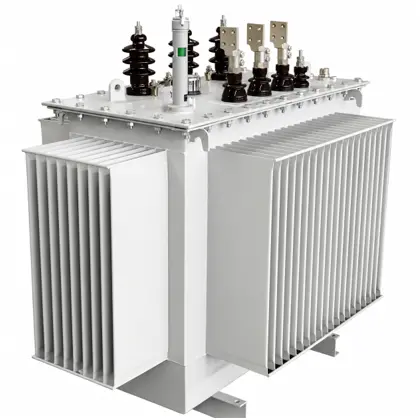
Physical Photo of Vziman S Series Oil-Immersed Transformers

  • SM-Series: Utilizes a fully welded enclosure or high-standard bolt sealing to completely isolate the internal active part and insulating oil from the ambient atmosphere. External moisture, oxygen, and dust are completely prevented from entering the tank.

[Vziman Solution] The Vziman SM-series adopts a vacuum oil-filling process to effectively isolate oxygen and moisture intrusion, preventing insulating paper aging and oil degradation at the source. At the same time, this series significantly reduces the overall height of the equipment, making it a perfect fit for the space constraints of compact substations. Combined with exceptional weather resistance, it truly achieves "maintenance-free" operation throughout its entire life cycle.


4. Comparison Table: Vziman S Series (Conservator Type) vs Siemens TUNORMA Series

Core Technical Dimension Siemens TUNORMA Series Vziman S Series Competitive Advantages
Core Lamination & Energy Efficiency Adopts conventional low-loss silicon steel sheets, meeting basic energy consumption standards. Made of high-permeability, low-loss premium cold-rolled silicon steel with step-lap lamination process. Ultra-low energy loss: Deeply optimized magnetic circuit exceeds conventional benchmarks, fully complying with stringent high-efficiency standards GB 20052 and IEC 60076 for superior long-term energy savings.
Winding Structure & Short-circuit Withstand Performance Conventional cylindrical winding structure is generally applied. Multi-layer cylindrical structure for high-voltage windings; advanced spiral structure adopted for low-voltage windings at 630kVA and above. Superior short-circuit withstand capacity: The spiral structure greatly optimizes coil ampere-turn balance and boosts overall mechanical strength, delivering stronger resistance against impulse loads during sudden grid short-circuit faults.
Breathing Filtration & Anti-oxidation System Equipped with standard silica gel breathers for basic absorption of moisture from ambient air. Innovatively upgraded internal anti-oxidation isolation design paired with dual-filter breathing system. Extended insulation service life: Greatly reduces cross-contamination risk between air/moisture and insulating medium. It maintains stable oil quality against degradation under frequent heavy-load fluctuations.
Cost Efficiency & Return on Investment High brand premium leads to substantial upfront procurement cost. Optimized structural design balancing top-tier craftsmanship and cost-effectiveness. Outstanding cost-performance: Delivers operational stability comparable to or even superior to Siemens, Hitachi Energy and Mitsubishi Electric, while eliminating excessive brand premium. It is the optimal ROI solution for projects equipped with professional operation & maintenance teams.

Edited From:Leon

Give a tip and encourage the author!

Comments

Share your question or perspective
WhatsApp
Send inquiry
+86
Click to upload file
Download
Get the IEE Business Application
Use the IEE-Business app to find equipment, obtain solutions, connect with experts, and participate in industry collaboration anytime, anywhere—fully supporting the development of your power projects and business.
Login
or continue with
New here?
Register