Ang unang transpormer sa mundo gibuo anyo 1876. Ito nagsultihon og simple nga disenyo ug gigamit ang hangin isip insulasyon. Anyo 1885, ang mga inhinyero sa Hungary mibuto sa unang modernong transpormer uban sa saradong magnetic circuit ug hangin isip insulasyon, markahan sa pagpangutlo sa rapid development ug widespread application sa mga transpormer. Tungod niini, ang industriya sa transpormer nagpadayon sa pag-advance tungod sa mas taas nga voltaje ug mas dako nga kapasidad.
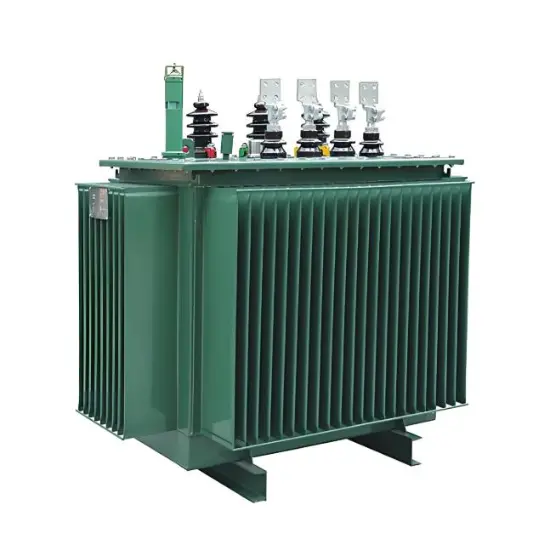
Anyo 1912, ang oil-immersed transpormer gibag-o. Ito efektibo nga natubos ang problema sa high-voltage insulasyon ug pagdissipate sa init para sa large-capacity units, quick nga naging dominant nga produkto sa industriya sa transpormer—posisyon nga adunay higayon. Ang insulating medium sa tradisyonal nga oil-immersed transpormer—mineral transformer oil—crucial para sa electrical insulasyon ug cooling. Bantugan, adunay inherent drawbacks: flammable ug mahimong mog explosion, requires regular maintenance ug replacement, ug poses environmental contamination risks kung mag-leak.
Tungod sa pag-expand sa urban infrastructure ug pagtaas sa safety standards, ang oil-immersed transpormer naging unsuitable para sa high-demand applications. Kini mi-atiman sa pag-emerge sa epoxy resin-insulated dry-type transpormer.

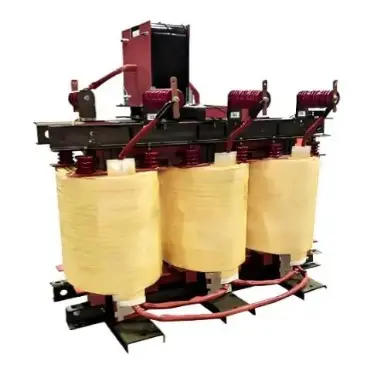
Anyo 1965, ang T.U. Company sa Germany mibuto sa unang epoxy resin dry-type transpormer, featuring aluminum windings encapsulated in an outer layer of epoxy resin. Kini nga innovation overcame the low dielectric strength that had plagued earlier air-insulated dry-type transformers.
Ang epoxy resin mao ang non-flammable solid insulation material. Ang mga transpormer nga gigamit kini nga teknolohiya offer high dielectric strength, fire safety (no risk of explosion), minimal maintenance, ug environmental friendliness. Kini nga advantages drove their rapid adoption worldwide—particularly across Europe.
Sa sulod lamang sa tulo ka dekada, ang epoxy resin dry-type transpormer nakapagtubo sa materials, design, ug manufacturing processes, naging vital branch sa transpormer family. Karon, daghan sa mga transpormer mao ang gigamit copper windings ug vacuum-cast with F- or H-class insulation-grade epoxy resin.
Continuous advancements have been achieved in reducing losses, lowering noise levels, enhancing reliability, and increasing single-unit capacity. Epoxy resin dry-type transformers are now widely used in urban buildings, transportation systems, energy facilities, chemical plants, and many other settings. To meet diverse technical requirements, they have further evolved into various types, including distribution transformers, power transformers, isolation transformers, rectifier transformers, electric furnace transformers, excitation transformers, and traction rectifier transformers.
China introduced epoxy resin dry-type transformer manufacturing technology in the 1970s, but development and application progressed slowly. It wasn’t until the late 1980s and early 1990s—driven by the import of advanced production technologies and rapid national economic growth—that dry-type transformers gained widespread adoption. Domestic manufacturers transitioned from technology assimilation to independent innovation, eventually reaching international advanced standards.
Karon, China leads the world in dry-type transformer production volume, with numerous domestic manufacturers achieving global competitiveness in both product quality and R&D capabilities.
“Safer, cleaner, ug mas efficient” naging essential part sa modern life—and the emergence and evolution of epoxy resin dry-type transformers perfectly reflect this demand. Their ongoing development continues to align with society’s ever-rising expectations for safety, sustainability, and performance.