• Product
  • Suppliers
  • Manufacturers
  • Solutions
  • Free tools
  • Knowledges
  • Experts
  • Communities
Search


Free Expert Guides on Power Systems, Circuit Design & Electrical Troubleshooting

Access free engineering resources from IEE Business—covering power design, circuit layout, equipment selection, and troubleshooting. Expert-developed guides help engineers, procurement, and project teams make better decisions. Stay ahead on smart grids, renewables, efficiency, and AI tools. Improve reliability, reduce downtime, and enhance outcomes with real-world solutions. Explore our knowledge hub today.
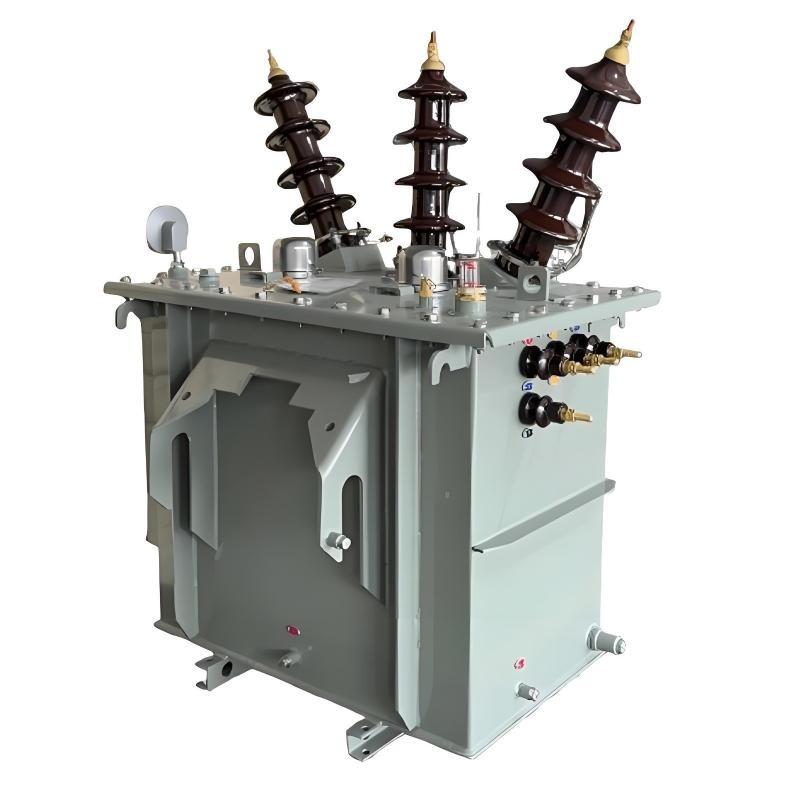
How to Select H61 Distribution Transformers?
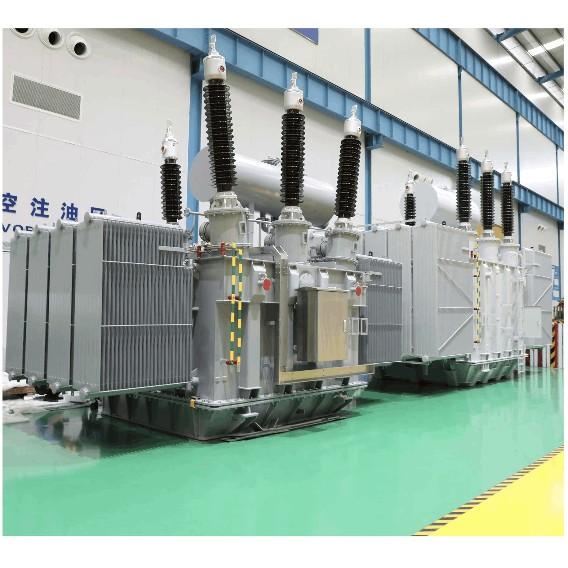
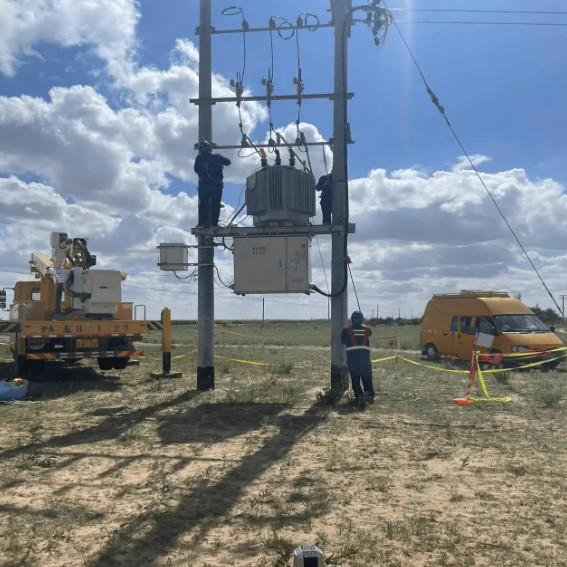
H61 Distribution Transformer Selection includes the selection of transformer capacity, model type, and installation location.1.Selection of H61 Distribution Transformer CapacityThe capacity of H61 distribution transformers should be selected based on the current conditions and development trends of the area. If the capacity is too large, it results in the “large horse pulling a small cart” phenomenon—low transformer utilization and increased no-load losses. If the capacity is too small, the tran
12/06/2025
Consult
Tip
Consult
Tip
110kV Transformer Zero-Sequence Protection: Issues & Improvement Measures
Problems with Zero-Sequence Protection of 110 kV TransformersIn an effectively grounded system, the neutral-to-ground displacement voltage of a transformer is limited to a certain level, and the neutral-point gap protection does not operate. The purpose of installing gap protection is to prevent damage to transformer insulation caused by elevated zero-sequence voltage in non-effectively grounded systems. The discharge gap only operates when a single-phase ground fault occurs, all directly ground
12/03/2025
Consult
Tip
Consult
Tip
Why Substation Grounding Transformers Trip? Fixes & Installation Guidelines
Substation grounding transformers require high accuracy, excellent anti-interference performance, high safety performance, reasonable structure, and good long-term stability to meet the requirements of substations for ground resistance measurement. At the same time, demands for communication and information processing capabilities of grounding transformers are also increasing, requiring continuous technological innovation and improvement. There can be many reasons for tripping of substation grou
12/03/2025
Consult
Tip
Consult
Tip
SCB & SGB Dry-Type Transformers Explained
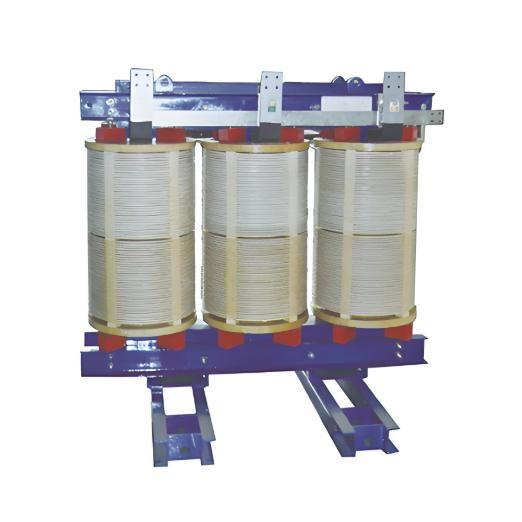
1. IntroductionA transformer operates based on the principle of electromagnetic induction. The main components of a transformer are the windings and the core. During operation, the windings serve as the path for electric current, while the core serves as the path for magnetic flux. When electrical energy is input to the primary winding, the alternating current creates an alternating magnetic field in the core (i.e., electrical energy is converted into magnetic field energy). Due to magnetic link
11/22/2025
Consult
Tip
Consult
Tip
Advantages and Disadvantages of Dry-Type Transformers and Their Differences from Oil-Immersed Transformers
Cooling and Insulation of Dry-Type TransformersA dry-type transformer is a special type of power transformer characterized by the fact that its core and windings are not immersed in insulating oil.This raises a question: oil-immersed transformers rely on insulating oil for both cooling and insulation, so how do dry-type transformers achieve cooling and insulation without oil?First, let’s discuss cooling .Dry-type transformerstypically use two cooling methods: Natural air cooling (AN): When opera
11/22/2025
Consult
Tip
Consult
Tip
Guide to Characteristics, Installation, Operation, and Commissioning of SC Series Dry-Type Transformers
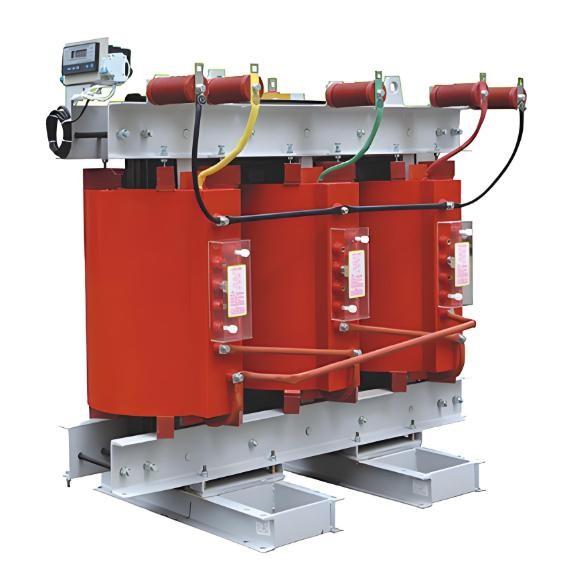
Dry-type transformers refer to power transformers in which the core and windings are not immersed in oil. Instead, the coils and core are cast together (typically with epoxy resin) and cooled by either natural air convection or forced-air cooling. As a relatively newer type of power distribution equipment, dry-type transformers have been widely used in power transmission and distribution systems in factory workshops, high-rise buildings, commercial centers, airports, ports, subways, and offshore
11/22/2025
Consult
Tip
Consult
Tip
The Rise of Epoxy Dry Transformers in Modern Grids
The world's first transformer was developed in 1876. It featured a very simple design and used air as its insulation medium. In 1885, engineers in Hungary successfully built the first modern transformer with a closed magnetic circuit and air insulation, marking the beginning of rapid development and widespread application of transformers. Since then, the transformer industry has continuously advanced toward higher voltages and greater capacities.In 1912, the oil-immersed transformer was invented
11/22/2025
Consult
Tip
Consult
Tip
Toroidal vs Square Transformers: Key Differences
What Is a Toroidal Transformer?A toroidal transformer is a major type of electronic transformer that has been widely used in household appliances and other electronic equipment with higher technical requirements. Its primary applications are as a power transformer and an isolation transformer. Abroad, toroidal transformers are already available in complete series and are extensively used in computers, medical equipment, telecommunications, instruments, and lighting applications.In China, toroida
11/06/2025
Consult
Tip
Consult
Tip
Rectifier vs Power Transformer: Key Differences
Differences Between Rectifier Transformers and Power TransformersRectifier transformers and power transformers both belong to the transformer family, but they differ fundamentally in application and functional characteristics. The transformers commonly seen on utility poles are typically power transformers, while those supplying electrolytic cells or electroplating equipment in factories are usually rectifier transformers. Understanding their differences requires examining three aspects: working
10/27/2025
Consult
Tip
Consult
Tip
3D Wound-Core Transformers in China: Technical Trends for Utility Companies
Technical Requirements and Development Trends for Distribution Transformers Low losses, especially low no-load losses; highlighting energy-saving performance. Low noise, particularly during no-load operation, to meet environmental protection standards. Fully sealed designto prevent transformer oil from contacting external air, enabling maintenance-free operation. Integrated protection devices within the tank, achieving miniaturization; reducing transformer size for easier on-site installation. C
10/20/2025
Consult
Tip
Consult
Tip
Send inquiry
+86
Click to upload file

IEE Business will not sell or share your personal information.

Download
Get the IEE Business Application
Use the IEE-Business app to find equipment, obtain solutions, connect with experts, and participate in industry collaboration anytime, anywhere—fully supporting the development of your power projects and business.