• Product
  • Suppliers
  • Manufacturers
  • Solutions
  • Free tools
  • Knowledges
  • Experts
  • Communities
Search


Free Expert Guides on Power Systems, Circuit Design & Electrical Troubleshooting

Access free engineering resources from IEE Business—covering power design, circuit layout, equipment selection, and troubleshooting. Expert-developed guides help engineers, procurement, and project teams make better decisions. Stay ahead on smart grids, renewables, efficiency, and AI tools. Improve reliability, reduce downtime, and enhance outcomes with real-world solutions. Explore our knowledge hub today.
What are the classification types of power transformers and their applications in energy storage systems?
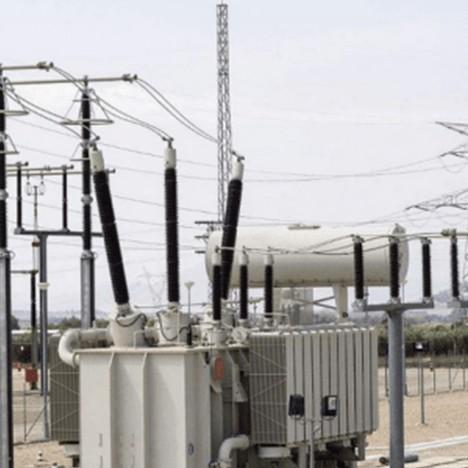
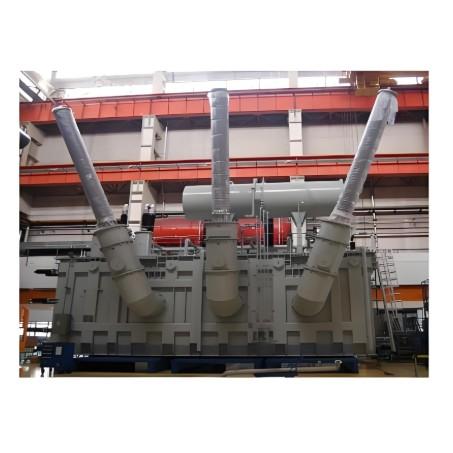
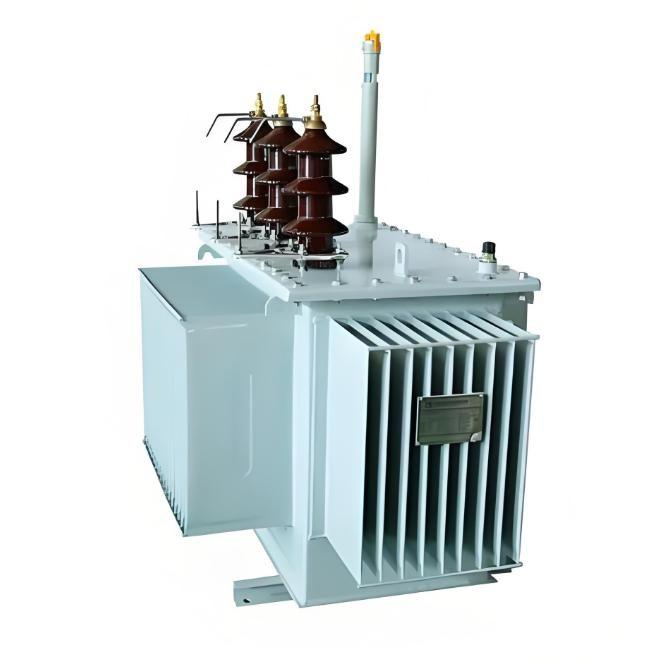
Power transformers are core primary equipment in power systems that realize electrical energy transmission and voltage conversion. Through the principle of electromagnetic induction, they convert AC power of one voltage level to another or multiple voltage levels. In the transmission and distribution process, they play a critical role in "step-up transmission and step-down distribution," while in energy storage systems, they perform voltage step-up and step-down functions, ensuring efficient pow
12/23/2025
Consult
Tip
Consult
Tip
Power transformers Insulation Resistance & Dielectric Loss Analysis
1 IntroductionPower transformers are among the most critical equipment in power systems, and it is essential to maximize prevention and minimize the occurrence of transformer failures and accidents. Insulation failures of various types account for more than 85% of all transformer accidents. Therefore, to ensure safe transformer operation, regular insulation testing of transformers is necessary to detect insulation defects in advance and promptly address potential accident hazards. Throughout my
12/22/2025
Consult
Tip
Consult
Tip
5 Fault Diagnosis Techniques for Large Power Transformers
Transformer Fault Diagnosis Methods1. Ratio Method for Dissolved Gas AnalysisFor most oil-immersed power transformers, certain combustible gases are produced in the transformer tank under thermal and electrical stress. The combustible gases dissolved in oil can be used to determine the thermal decomposition characteristics of the transformer oil-paper insulation system based on their specific gas content and ratios. This technology was first used for fault diagnosis in oil-immersed transformers.
12/20/2025
Consult
Tip
Consult
Tip
Power Transformers: Short Circuit Risks, Causes, and Improvement Measures
Power Transformers: Short Circuit Risks, Causes, and Improvement MeasuresPower transformers are fundamental components in power systems that provide energy transmission and are crucial induction devices ensuring safe power operation. Their structure consists of primary coils, secondary coils, and an iron core, utilizing the principle of electromagnetic induction to alter AC voltage. Through long-term technological improvements, the reliability and stability of power supply have continuously enha
12/17/2025
Consult
Tip
Consult
Tip
8 Key Measures to Reduce Partial Discharge in Power Transformers
Growing Requirements for Power Transformer Cooling Systems and the Function of CoolersWith the rapid development of power grids and the increase in transmission voltage, power grids and electricity users are demanding increasingly higher insulation reliability for large power transformers. Since partial discharge testing is non-destructive to insulation yet highly sensitive, effectively detecting inherent defects in transformer insulation or safety-threatening defects generated during transporta
12/17/2025
Consult
Tip
Consult
Tip
Analysis of Diagnostic Methods for Core Grounding Faults in 35 kV Distribution Transformers
35 kV Distribution Transformers: Core Grounding Fault Analysis and Diagnostic Methods35 kV distribution transformers are common critical equipment in power systems, carrying important electrical energy transmission tasks. However, during long-term operation, core grounding faults have become a major issue affecting the stable operation of transformers. Core grounding faults not only impact transformer energy efficiency and increase system maintenance costs, but may also trigger more serious elec
12/13/2025
Consult
Tip
Consult
Tip
Ultra-Low Partial Discharge 750kV UHV Transformers for Xinjiang Project
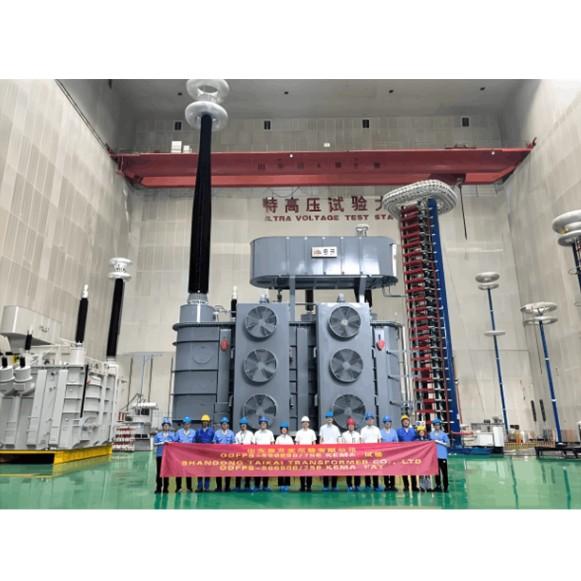
Recently, a Chinese transformer manufacturer independently designed and manufactured six 750kV ultra-high voltage transformers for a 750kV boosting substation project in Xinjiang. All products passed factory acceptance tests and type tests on the first attempt, obtaining KEMA type test reports. Testing confirmed that all performance indicators exceed national standards and technical agreement requirements. Notably, the high-voltage partial discharge is only 8pC and the medium-voltage partial dis
12/12/2025
Consult
Tip
Consult
Tip
Top 5 Faults Found in H61 Distribution Transformers
Five Common Defects of H61 Distribution Transformers1.Lead Wire DefectsInspection Method: The three-phase DC resistance imbalance rate significantly exceeds 4%, or one phase is essentially open-circuited.Remedial Measures: The core should be lifted for inspection to locate the defective area. For poor contacts, re-polish and tighten the connection. Poorly welded joints should be re-welded. If the welding surface area is insufficient, it should be enlarged. If the lead wire cross-section is inade
12/08/2025
Consult
Tip
Consult
Tip
What lightning protection measures are used for H61 distribution transformers?
What lightning protection measures are used for H61 distribution transformers?A surge arrester should be installed on the high-voltage side of the H61 distribution transformer. According to SDJ7–79 "Technical Code for Design of Overvoltage Protection of Electric Power Equipment," the high-voltage side of an H61 distribution transformer should generally be protected by a surge arrester. The grounding conductor of the arrester, the neutral point on the low-voltage side of the transformer, and the
12/08/2025
Consult
Tip
Consult
Tip
How does the oil in oil-immersed power transformers clean itself?
The self-cleaning mechanism of transformer oil is typically achieved through the following methods: Oil Purifier FiltrationOil purifiers are common purification devices in transformers, filled with adsorbents such as silica gel or activated alumina. During transformer operation, convection caused by oil temperature changes drives the oil to flow downward through the purifier. Moisture, acidic substances, and oxidation byproducts in the oil are absorbed by the adsorbent, thereby maintaining oil c
12/06/2025
Consult
Tip
Consult
Tip
Send inquiry
+86
Click to upload file

IEE Business will not sell or share your personal information.

Download
Get the IEE Business Application
Use the IEE-Business app to find equipment, obtain solutions, connect with experts, and participate in industry collaboration anytime, anywhere—fully supporting the development of your power projects and business.