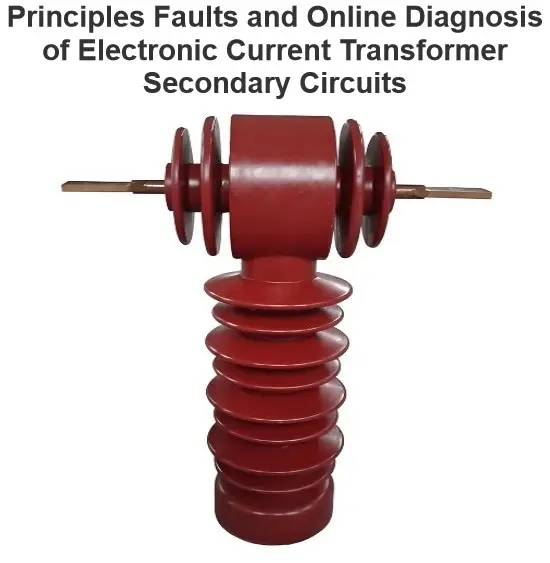
1 Principle and Role of Electronic Current Transformers1.1 Working Principle of ECTAn Electronic Current Transformer (ECT) is a key device for managing safe power system operations, converting large currents into manageable small-current signals for measurement and control. Unlike traditional transformers (relying on direct magnetic field interaction between primary and secondary windings), ECTs use sensors (e.g., Hall effect sensors) to detect magnetic field changes from the primary winding. Th
07/22/2025
Consult
Tip
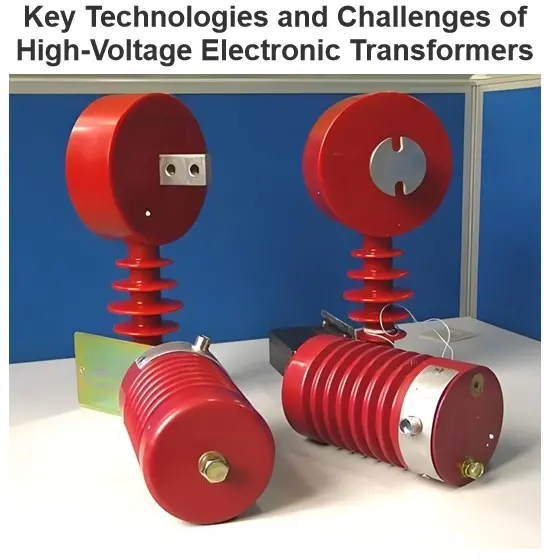
Traditional power transformers face inherent issues due to their sensors. Critically, they are vital for power plant monitoring, control, and protection (e.g., fault recording, safety control). However, large electrical energy transmission via information carriers and the lack of digital signal output from digital systems complicate secondary communication. Complex secondary wiring compensates for microcomputers’ high reliability, streamlining protection and secondary devices. This inn
07/22/2025
Consult
Tip
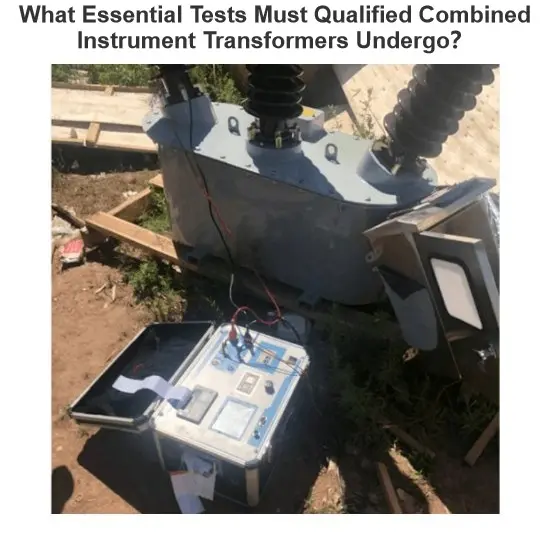
Hi everyone, I’m Oliver, and I’ve been working in the instrument transformer industry for almost eight years now. From a complete newbie to someone who can now handle things independently, I’ve participated in dozens of combined instrument transformer inspections over the years.Today, I’d like to share with you: What tests must a qualified combined instrument transformer go through before leaving the factory or being put into operation? After all, it's a v
07/21/2025
Consult
Tip
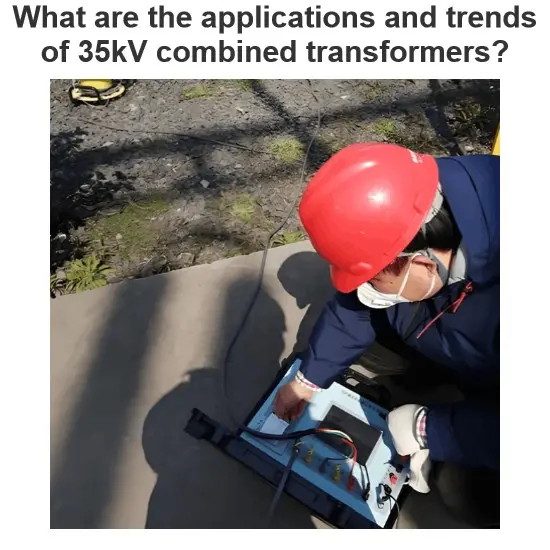
Applications and Trends of 35kV Combined Instrument Transformers – From Echo’s PerspectiveHey everyone! My name is Echo, and I’ve been working in the field of instrument transformers for 12 years now. Today, I’d like to share some insights about the applications and future trends of 35kV combined instrument transformers. Hope this can give you a glimpse into this fascinating industry.Application Scenarios: More Than Just Metering ToolsFirst off, let's talk
07/21/2025
Consult
Tip
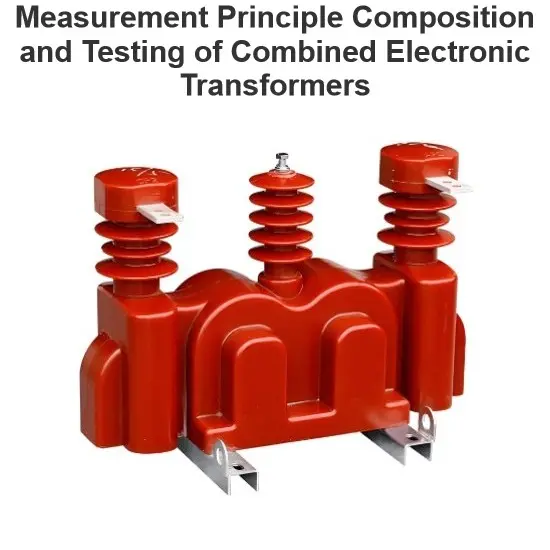
1 Measurement Principle of Combined Electronic Transformers1.1 Voltage Measurement PrincipleElectronic transformers measure voltage using the capacitive voltage division method. Since the voltage across a capacitor cannot change abruptly, the secondary voltage obtained directly through capacitive voltage division has poor transient response and low measurement accuracy. To improve the measurement accuracy, a precision sampling resistor is connected in parallel across the low-voltage capacitor. I
07/21/2025
Consult
Tip
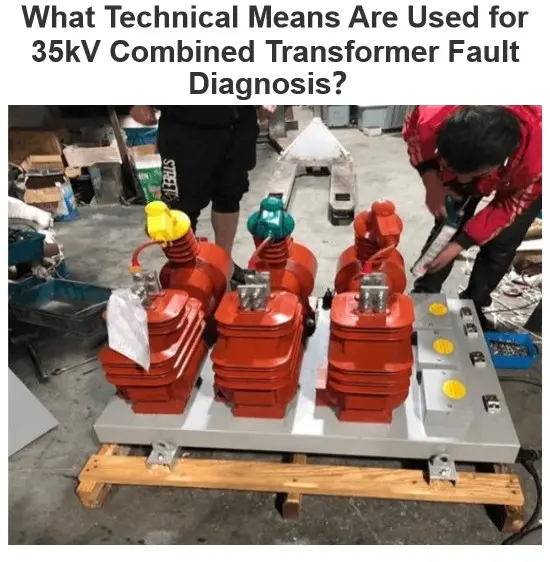
For fault diagnosis and handling of 35kV combined transformers, the following technical means can be adopted:Insulation Fault DiagnosisUse equipment such as high-voltage test transformers, power frequency withstand voltage testers, and partial discharge detection systems to conduct a comprehensive assessment of the insulation performance of combined transformers. When the insulation resistance is found to be lower than 1000MΩ or the dielectric loss factor tanδ exceeds 0.5%, a
07/21/2025
Consult
Tip
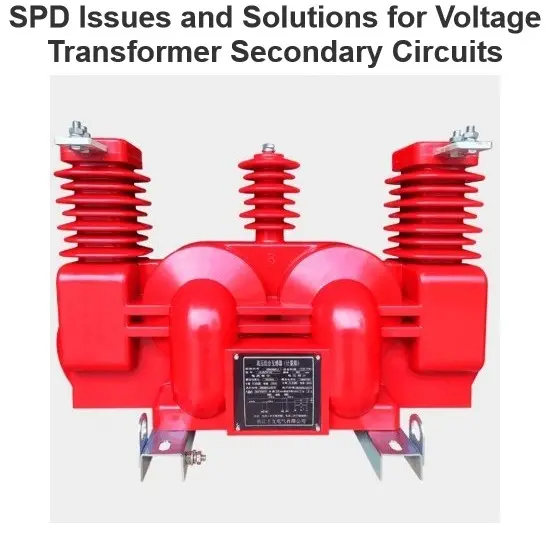
This paper analyzes the above situation in - depth and summarizes technical measures to solve the problems.1. Main Problems of SPD Products in Voltage Transformer Secondary CircuitsCurrently, there are residual - current - free SPDs (switch - type lightning arresters) at home and abroad. Their main internal discharge circuits use discharge tubes/gaps, with high discharge current capacity (exceeding zinc oxide varistors). However, they have fatal flaws: poor voltage - limiting, arc - pulling volt
07/21/2025
Consult
Tip
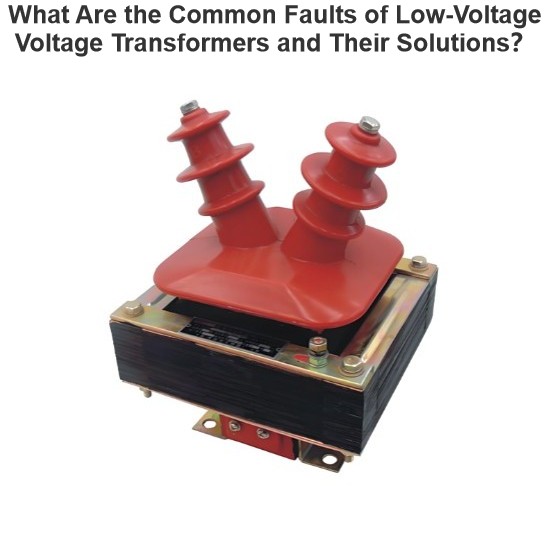
Open - Circuit Fault on the Secondary SideOpen - circuit in the secondary side is a typical fault of low - voltage voltage transformers, showing abnormal voltmeter readings (zero/fluctuation), faulty power meters, buzzing noises, and core overheating. When open - circuited, the secondary voltage spikes (no secondary current to balance the primary EMF), causing core saturation, flux distortion, and potential overheating/damage.Causes include loose terminals, poor contact, or human error. In low
07/18/2025
Consult
Tip
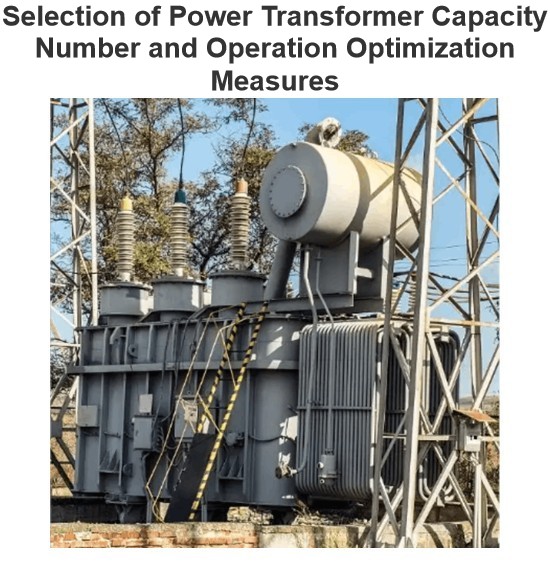
The safe and economical operation of power transformers is related to the safety, economy, stability, and reliability of the operations of various industries. The limitations of conditions such as the investment economic indicators for its selection, the economic benefits of maintenance and operation, and the adaptability in the new environment (access of distributed power sources, configuration of energy storage, etc.) make it impossible to include comprehensive factors in other aspects.The cap
07/17/2025
Consult
Tip
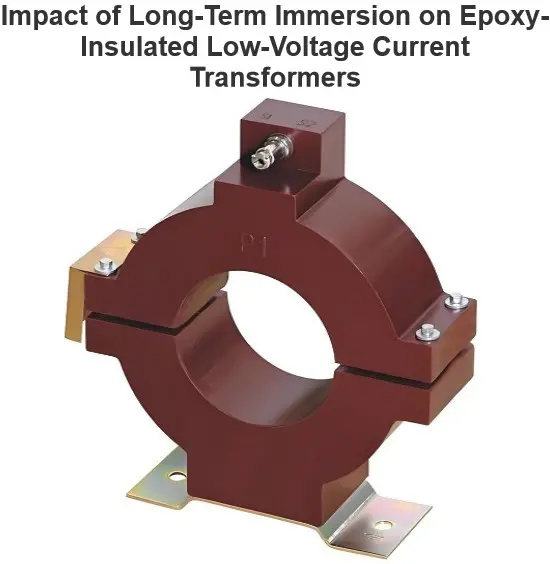
1 IntroductionLow - voltage current transformers for metering, with a through - core type epoxy resin structure, are widely used in distribution transformer areas and for small - to - medium - sized industrial and commercial electricity consumption. As a range expander for electric energy metering, their performance directly relates to electricity consumption safety and the accuracy of users' trade calculations. Studying long - term immersion's impact on these transformers is practically signifi
07/17/2025
Consult
Tip






