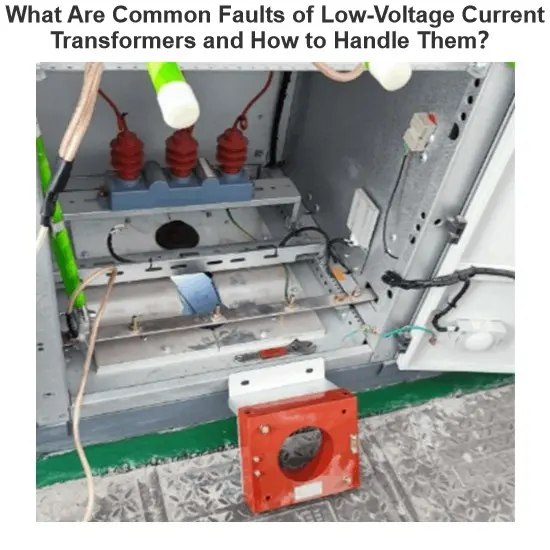
Low-voltage current transformers, as indispensable measurement and protection devices in power systems, often encounter various faults when used in combination with other power equipment due to environmental factors, equipment linkage issues, and improper installation and maintenance. These faults not only affect the normal operation of power equipment but may also endanger personal safety. Therefore, it is necessary to gain an in-depth understanding of fault types, judgment methods, and prevent
07/17/2025
Consult
Tip
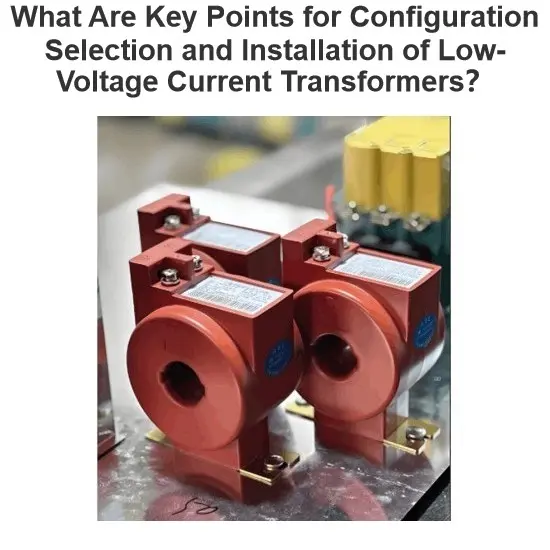
1. Selection of Low - Voltage Current Transformer ConfigurationThere are many factors leading to wrong selection of low - voltage current transformers in civil construction projects. For example, common factors include design problems: the calculated coefficient designed for the load of electrical equipment is relatively large, or the transformation ratio of the current transformer is selected incorrectly. Such a series of reasons will affect the use of electrical equipment. Therefore, in the co
07/16/2025
Consult
Tip
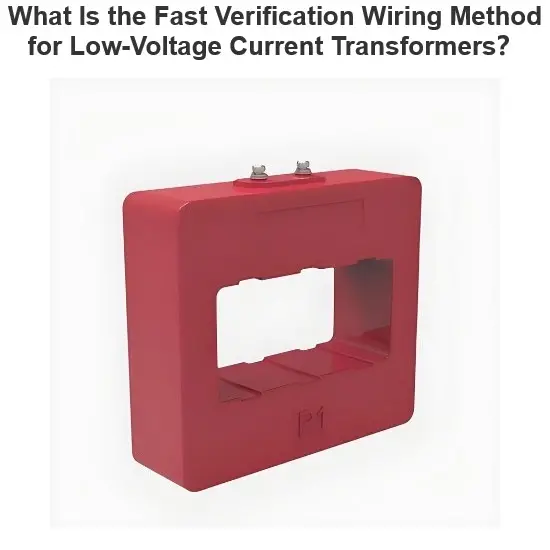
To ensure safe operation of the power system, power equipment operation must be monitored/measured. General devices can’t connect to primary high - voltage equipment directly; instead, large primary currents are scaled down for current transformation, electrical isolation, and use by measurement/protection devices. For AC large - current measurement, conversion to a unified current eases secondary instrument use.Current transformers split into measurement - and protection - type, with
07/16/2025
Consult
Tip
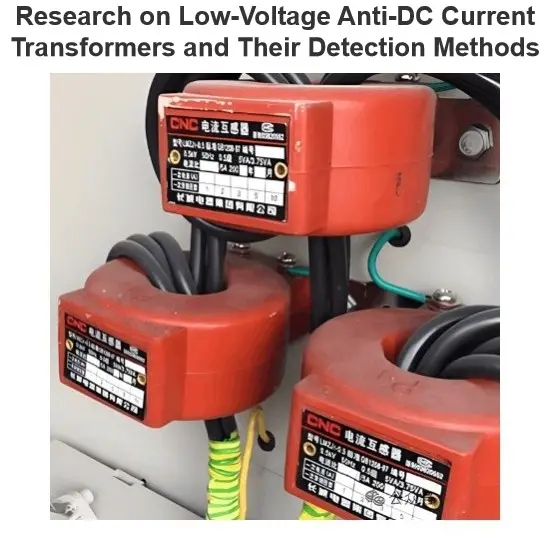
1. Overview of Components and IssuesTA (low-voltage current transformer) and electric energy meters are key components of low-voltage electric energy metering. The load current of such meters is no less than 60A. Electric energy meters vary in type, model, and anti-DC performance, and are connected in series in the metering device. Due to the lack of anti-DC capability, they suffer from metering errors under DC component loads, usually caused by non-linear loads. With the increasing use of DC or
07/16/2025
Consult
Tip
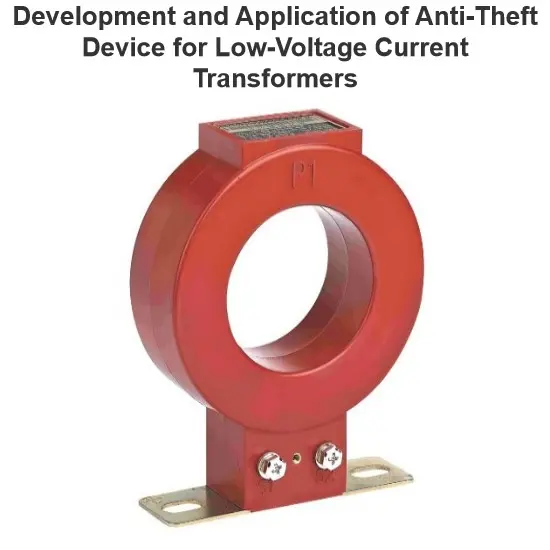
1. Innovation BackgroundWith the progress of society and economic development, the electricity demand of power users is expanding increasingly. Lawbreakers, aiming to save electricity costs and pursue high profits, gradually use high - tech methods to steal electricity, causing huge economic losses to power supply enterprises. Currently, popular electricity theft methods in the market include illegally opening the wiring cover of low - voltage transformers in electric energy metering boxes, alte
07/16/2025
Consult
Tip
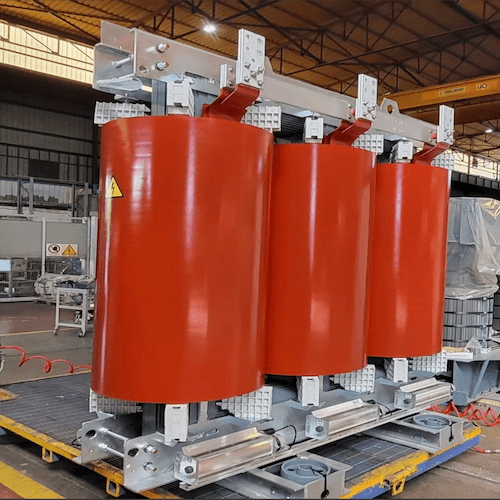
Transformer Selection Criteria: Essential Factors for Optimal PerformanceSelecting the appropriate transformer is critical for ensuring power distribution reliability across industrial, commercial, and residential systems. This process requires meticulous evaluation of load dynamics, environmental constraints, and regulatory standards. Below we outline key selection criteria to guide engineers and designers in making informed decisions.1. Maximum Demand AssessmentThe transformer’s capacity (kVA)
07/03/2025
Consult
Tip
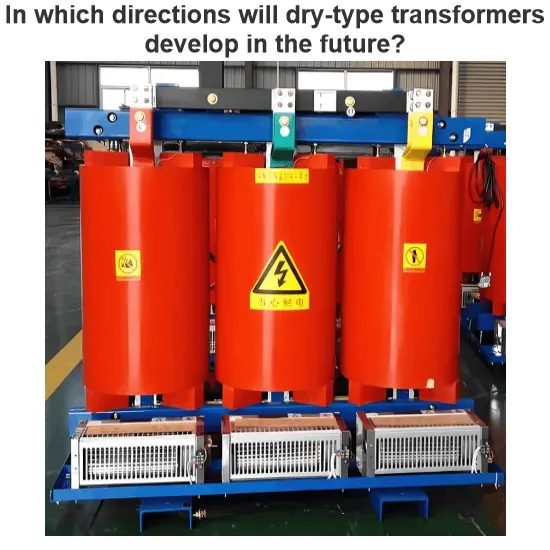
By Echo, 12 Years in the Electrical IndustryHi everyone, I'm Echo, and I've been working in the electrical industry for 12 years.From my early days doing commissioning and maintenance in distribution rooms, to later participating in electrical system design and equipment selection for large-scale projects, I’ve witnessed how dry-type transformers have evolved from traditional tools into smarter, greener devices.Recently, a new colleague asked me: “What’s the current
07/02/2025
Consult
Tip
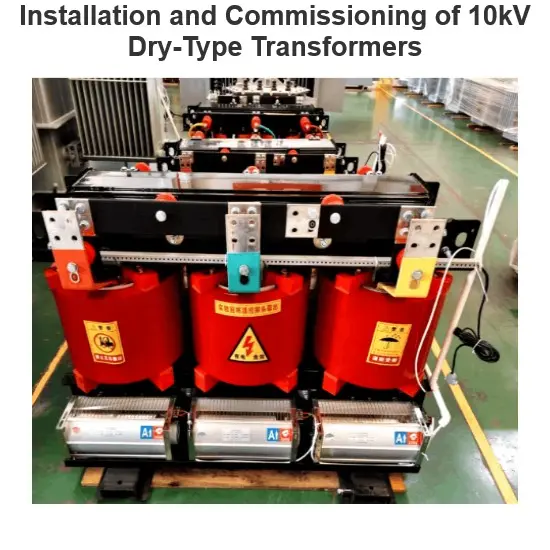
By James, 10 Years of Electrical Equipment Maintenance ExperienceHi everyone, I’m James, and I’ve been working in electrical equipment fault repair for 10 years.Over the past decade, I’ve worked in factories, substations, and distribution rooms of all sizes, involved in the installation, commissioning, maintenance, and troubleshooting of dry-type transformers. Dry-type transformers are among the most common electrical devices we deal with on a daily basis.Today, a n
07/01/2025
Consult
Tip
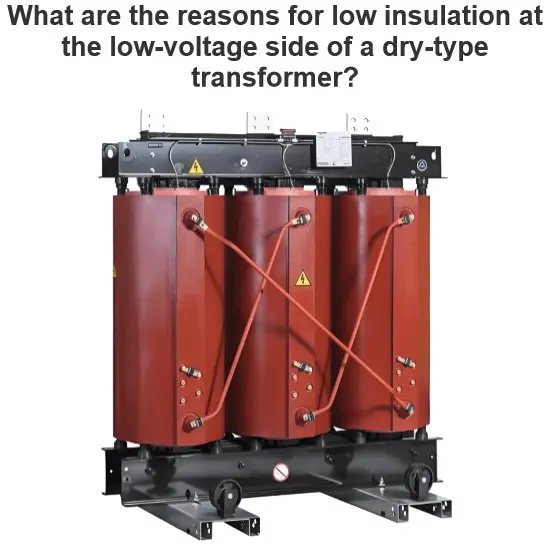
Hi everyone, I’m Felix, and I’ve been working in electrical equipment fault repair for 15 years.Over these years, I’ve traveled across factories, substations, and distribution rooms all over the country, troubleshooting and repairing all kinds of electrical equipment. Dry-type transformers are among the most common devices we deal with.Today, a friend asked me: “What does it mean when the low-voltage side of a dry-type transformer has low insulation resist
07/01/2025
Consult
Tip
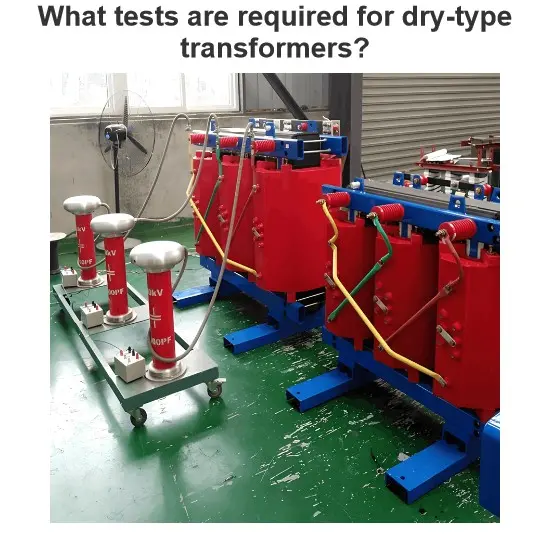
1 Pre - commissioning InspectionAs a front - line tester, before formally commissioning a dry - type transformer, I need to carry out a comprehensive and systematic inspection. First, I conduct a visual inspection of the transformer body and its accessories, carefully checking for mechanical damage or deformation. Then, I check whether the leads of the high - and low - voltage windings are firmly connected and whether the bolt tightening torque meets the standard requirements (usually 40 - 60N&a
07/01/2025
Consult
Tip






