• Product
  • Suppliers
  • Manufacturers
  • Solutions
  • Free tools
  • Knowledges
  • Experts
  • Communities
Search


Free Expert Guides on Power Systems, Circuit Design & Electrical Troubleshooting

Access free engineering resources from IEE Business—covering power design, circuit layout, equipment selection, and troubleshooting. Expert-developed guides help engineers, procurement, and project teams make better decisions. Stay ahead on smart grids, renewables, efficiency, and AI tools. Improve reliability, reduce downtime, and enhance outcomes with real-world solutions. Explore our knowledge hub today.
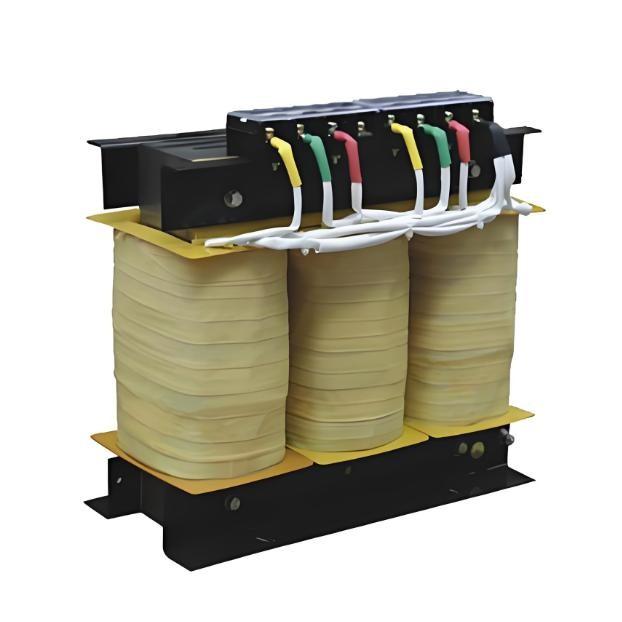
Quality Standards for Core Maintenance of Power Transformers
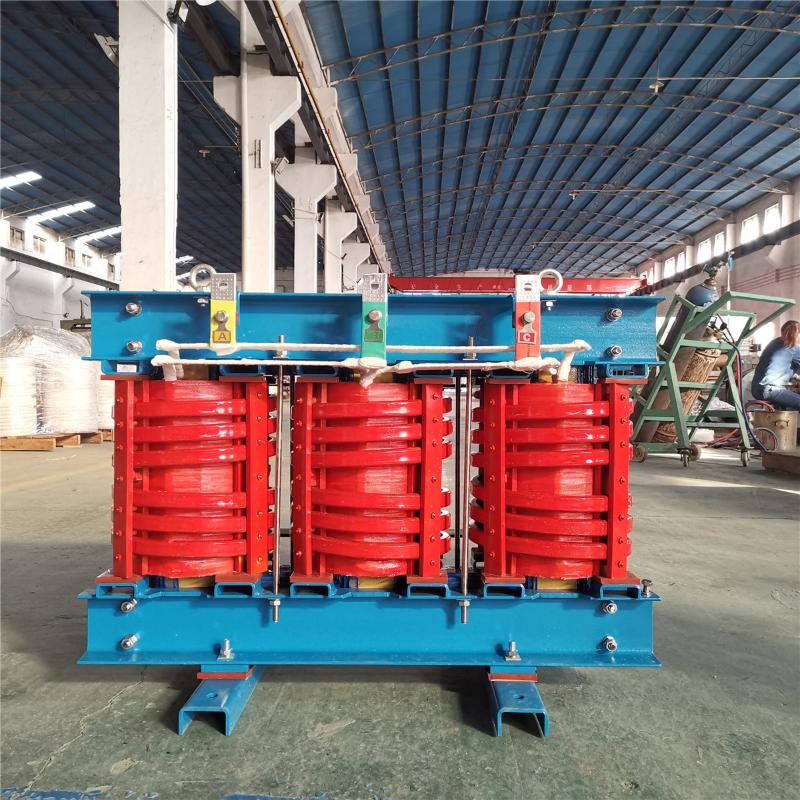
Transformer Core Inspection and Assembly Requirements The iron core should be flat with intact insulation coating, tightly stacked laminations, and no curling or waviness at the edges of silicon steel sheets. All core surfaces must be free of oil, dirt, and impurities. There should be no short circuits or bridging between laminations, and joint gaps must meet specifications. Good insulation must be maintained between the core and upper/lower clamping plates, square iron pieces, pressure plates,
12/17/2025
Consult
Tip
Consult
Tip
How to Implement Transformer Gap Protection & Standard Shutdown Steps
How to Implement Transformer Neutral Grounding Gap Protection Measures?In a certain power grid, when a single-phase ground fault occurs on a power supply line, both the transformer neutral grounding gap protection and the power supply line protection operate simultaneously, causing an outage of an otherwise healthy transformer. The main reason is that during a system single-phase ground fault, the zero-sequence overvoltage causes the transformer neutral grounding gap to break down. The resulting
12/05/2025
Consult
Tip
Consult
Tip
GIS Dual Grounding & Direct Grounding: State Grid 2018 Anti-Accident Measures
1. Regarding GIS, how should the requirement in Clause 14.1.1.4 of the State Grid’s "Eighteen Anti-Accident Measures" (2018 Edition) be understood?14.1.1.4: The neutral point of a transformer shall be connected to two different sides of the main mesh of the grounding grid via two grounding down conductors, and each grounding down conductor shall meet the thermal stability verification requirements. Main equipment and equipment structures shall each have two grounding down conductors connected to
12/05/2025
Consult
Tip
Consult
Tip
Three IEC standards in the insulator field, led by China, have been released.
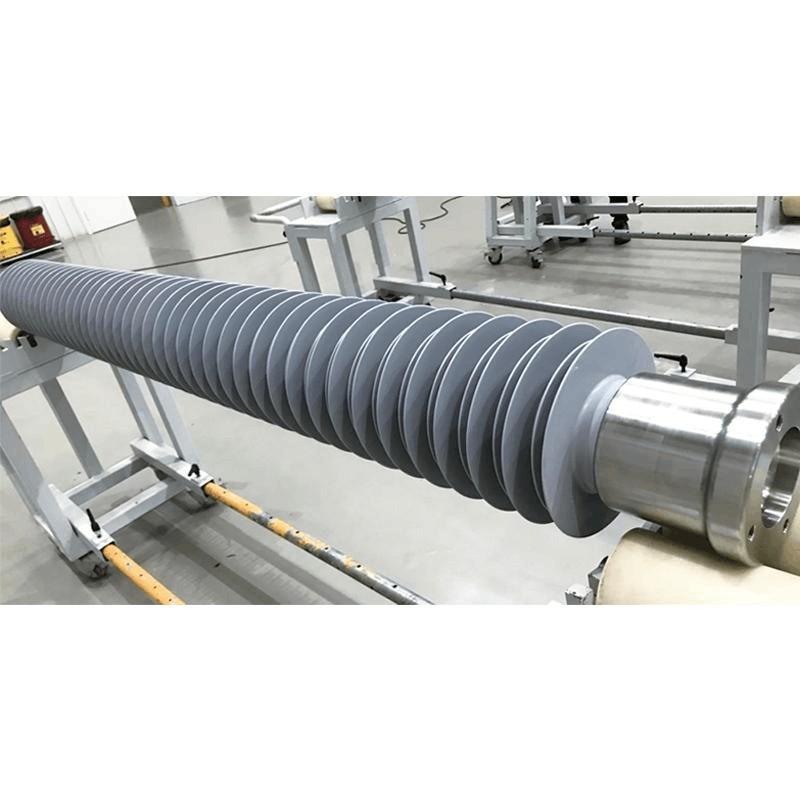
Recently, three IEC standards on insulators, led by China for the first time, have been officially published. These standards primarily address the coupling markings, dimensions, and tests of insulator end fittings, specifically including IEC 60120:2020, IEC 60372:2020, and IEC 60471:2020. These three standards were jointly completed under the leadership and coordination of numerous experts from the National Technical Committee on Insulators of China (SAC/TC80). The publication of these standard
11/29/2025
Consult
Tip
Consult
Tip
Research on Quality Control and Acceptance Standards for Installation of GW4-126 Disconnector
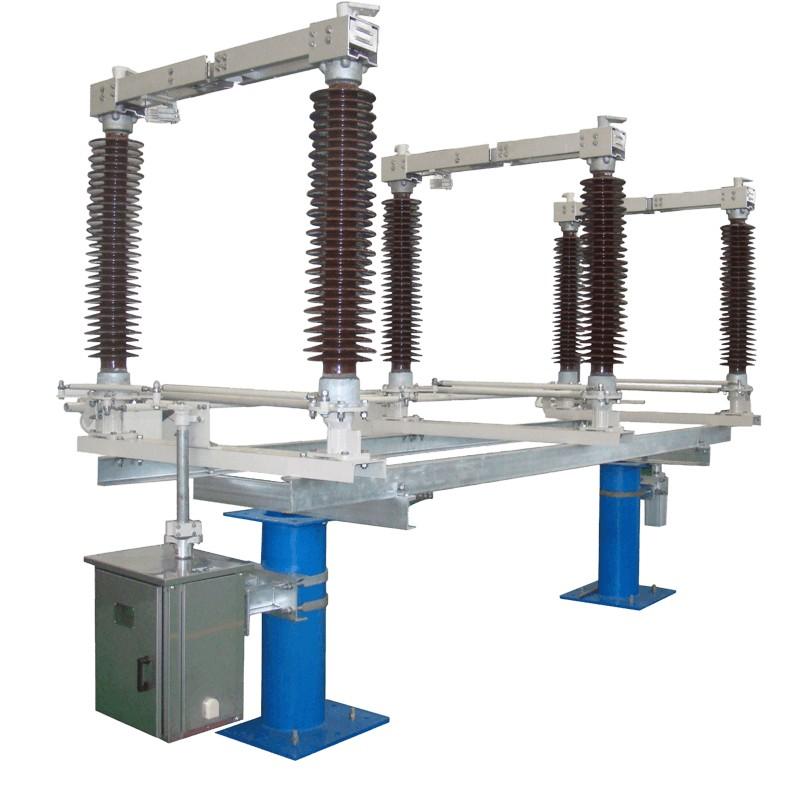
1.Working Principle and Structural Features of GW4-126 DisconnectorThe GW4-126 disconnector is suitable for AC 50/60 Hz power lines with a rated voltage of 110 kV. It is used to disconnect or connect high-voltage circuits under no-load conditions, enabling circuit switching, operational mode changes, and safe electrical isolation of busbars, circuit breakers, and other high-voltage equipment during maintenance. Disconnectors typically feature a clearly visible open point to ensure safe current i
11/17/2025
Consult
Tip
Consult
Tip
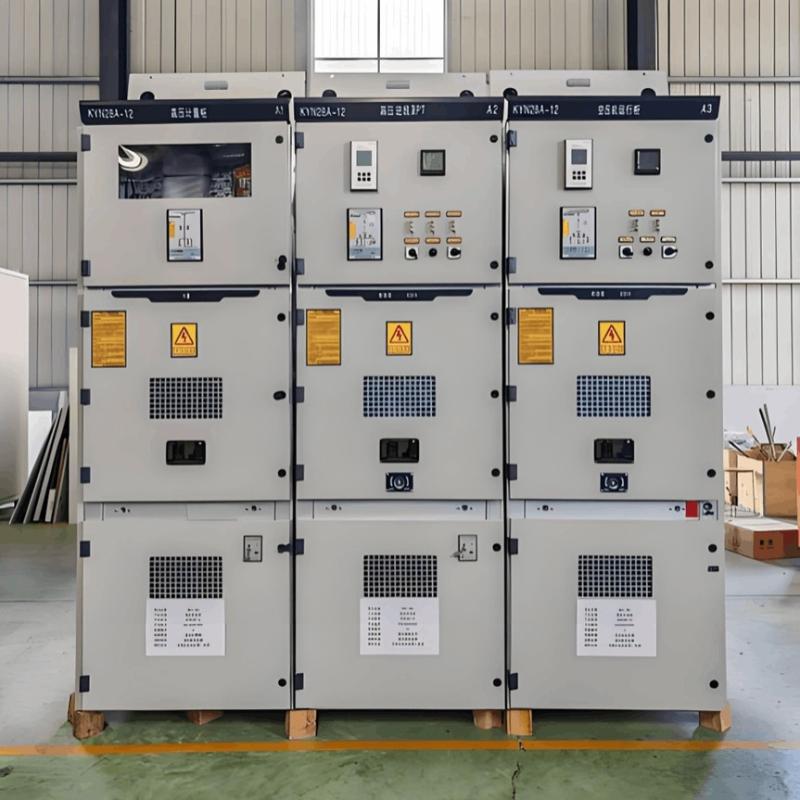
North American Standards: A Comparison Between IEEE and Chinese Switchgear Standards
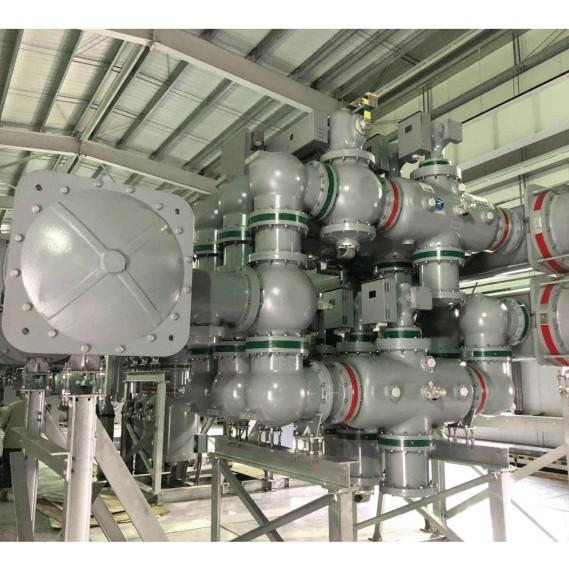
IEEE Std C37.20.9™ defines the design, testing, and installation requirements for metal-enclosed gas-insulated switchgear (MEGIS) using gas at pressures above ambient as the primary insulation medium for alternating current systems rated from 1 kV to 52 kV. This includes, but is not limited to, circuit breakers, switches, bushings, busbars, instrument transformers, cable terminations, meters, and control/protection relays. In these switchgear assemblies, vertical compartments—some or all of the
11/10/2025
Consult
Tip
Consult
Tip
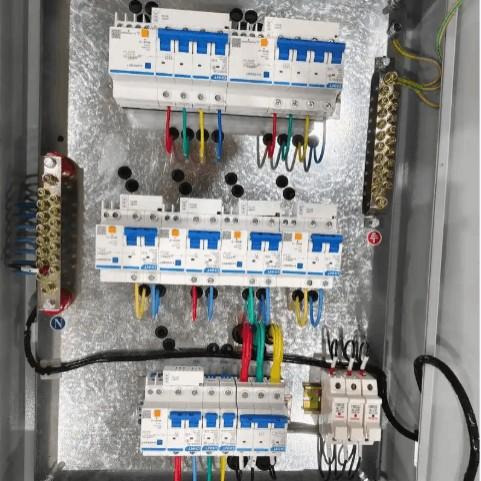
Front-Panel Visible Wiring Standards for Electrical Control Panels
Front-panel visible wiring: During manual wiring (not using templates or molds), wiring must be straight, neat, closely attached to the mounting surface, rationally routed, and with secure connections that facilitate maintenance. Wiring channels should be minimized as much as possible. Within the same channel, bottom-layer conductors shall be grouped by main and control circuits, arranged in a single-layer parallel dense layout or bundled, and kept closely attached to the mounting surface. Condu
11/04/2025
Consult
Tip
Consult
Tip
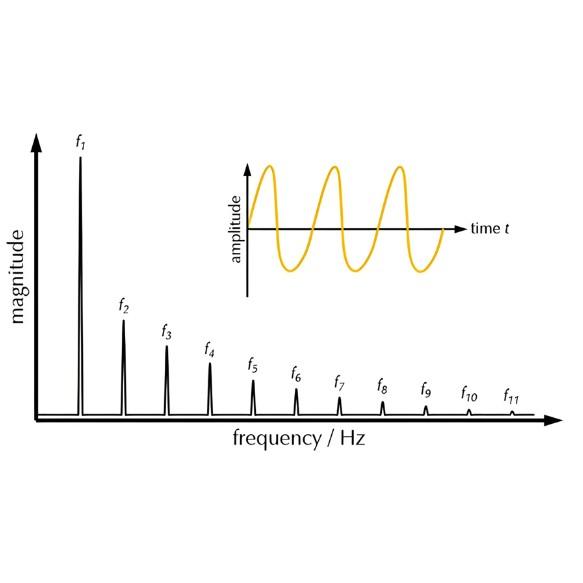
THD Measurement Error Standards for Power Systems
Error Tolerance of Total Harmonic Distortion (THD): A Comprehensive Analysis Based on Application Scenarios, Equipment Accuracy, and Industry StandardsThe acceptable error range for Total Harmonic Distortion (THD) must be evaluated based on specific application contexts, measurement equipment accuracy, and applicable industry standards. Below is a detailed analysis of key performance indicators in power systems, industrial equipment, and general measurement applications.1. Harmonic Error Standar
11/03/2025
Consult
Tip
Consult
Tip
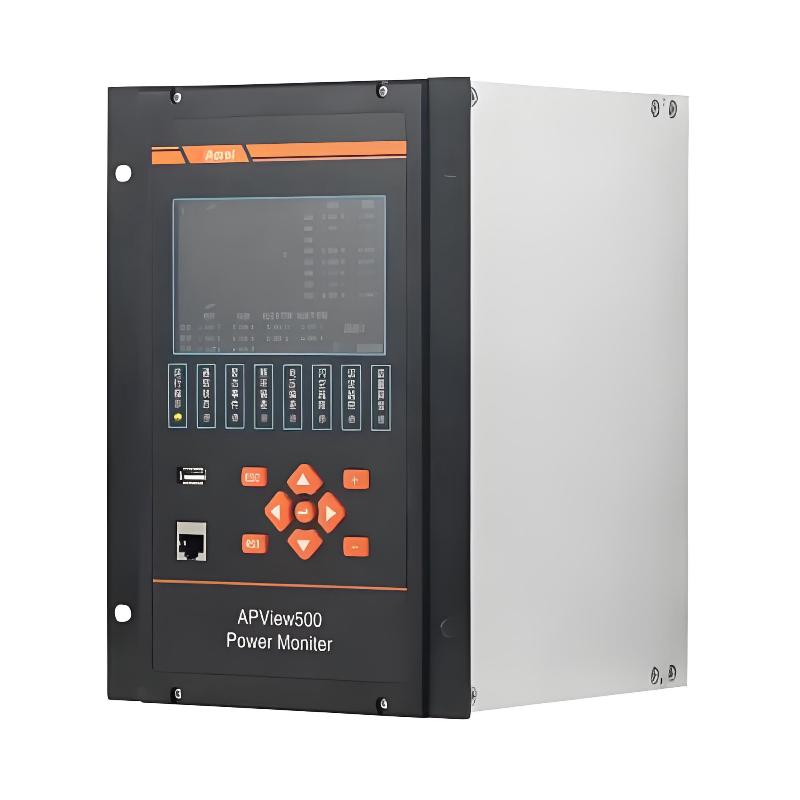
What are the standards for calibration of online power quality monitoring devices?
Core Standards for Calibration of Online Power Quality Monitoring DevicesThe calibration of online power quality monitoring devices follows a comprehensive standard system, encompassing mandatory national standards, industry technical specifications, international guidelines, and requirements for calibration methods and equipment. The following provides a structured overview with practical recommendations for real-world applications.I. Core Domestic Standards1. DL/T 1228-2023 – Technical Require
10/30/2025
Consult
Tip
Consult
Tip
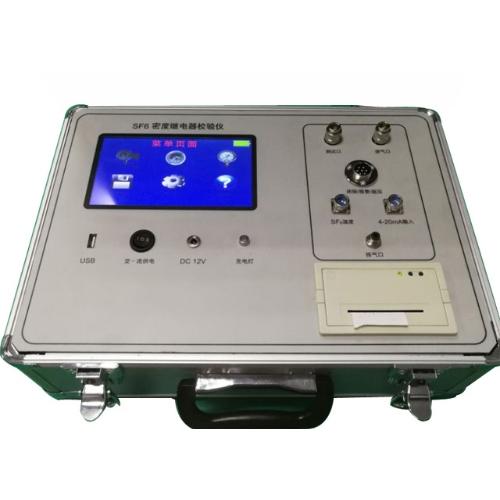
On-Site Testing of SF6 Gas Density Relays: Relevant Issues
IntroductionSF6 gas is widely used as an insulating and arc-quenching medium in high-voltage and extra-high-voltage electrical equipment due to its excellent insulation, arc-extinguishing properties, and chemical stability. The insulation strength and arc-quenching capability of electrical equipment depend on the density of SF6 gas. A decrease in SF6 gas density can lead to two main hazards: Reduced dielectric strength of the equipment; Decreased interrupting capacity of circuit breakers.Additio
10/27/2025
Consult
Tip
Consult
Tip
Send inquiry
+86
Click to upload file
Download
Get the IEE Business Application
Use the IEE-Business app to find equipment, obtain solutions, connect with experts, and participate in industry collaboration anytime, anywhere—fully supporting the development of your power projects and business.