• Product
  • Suppliers
  • Manufacturers
  • Solutions
  • Free tools
  • Knowledges
  • Experts
  • Communities
Search


Free Expert Guides on Power Systems, Circuit Design & Electrical Troubleshooting

Access free engineering resources from IEE Business—covering power design, circuit layout, equipment selection, and troubleshooting. Expert-developed guides help engineers, procurement, and project teams make better decisions. Stay ahead on smart grids, renewables, efficiency, and AI tools. Improve reliability, reduce downtime, and enhance outcomes with real-world solutions. Explore our knowledge hub today.
What are the Types of Electrical Machines?
What are the Types of Electrical Machines?Electrical Machines OverviewElectrical machines are devices like transformers, generators, and motors that either convert electricity to mechanical power or vice versa.TransformersA transformer transfers electrical energy between two circuits without changing the frequency, crucial for regulating voltage levels in power distribution.Transformers Types Step up transformer Step down transformerGeneratorsGenerators convert mechanical energy to electrical en
08/06/2024
Consult
Tip
Consult
Tip
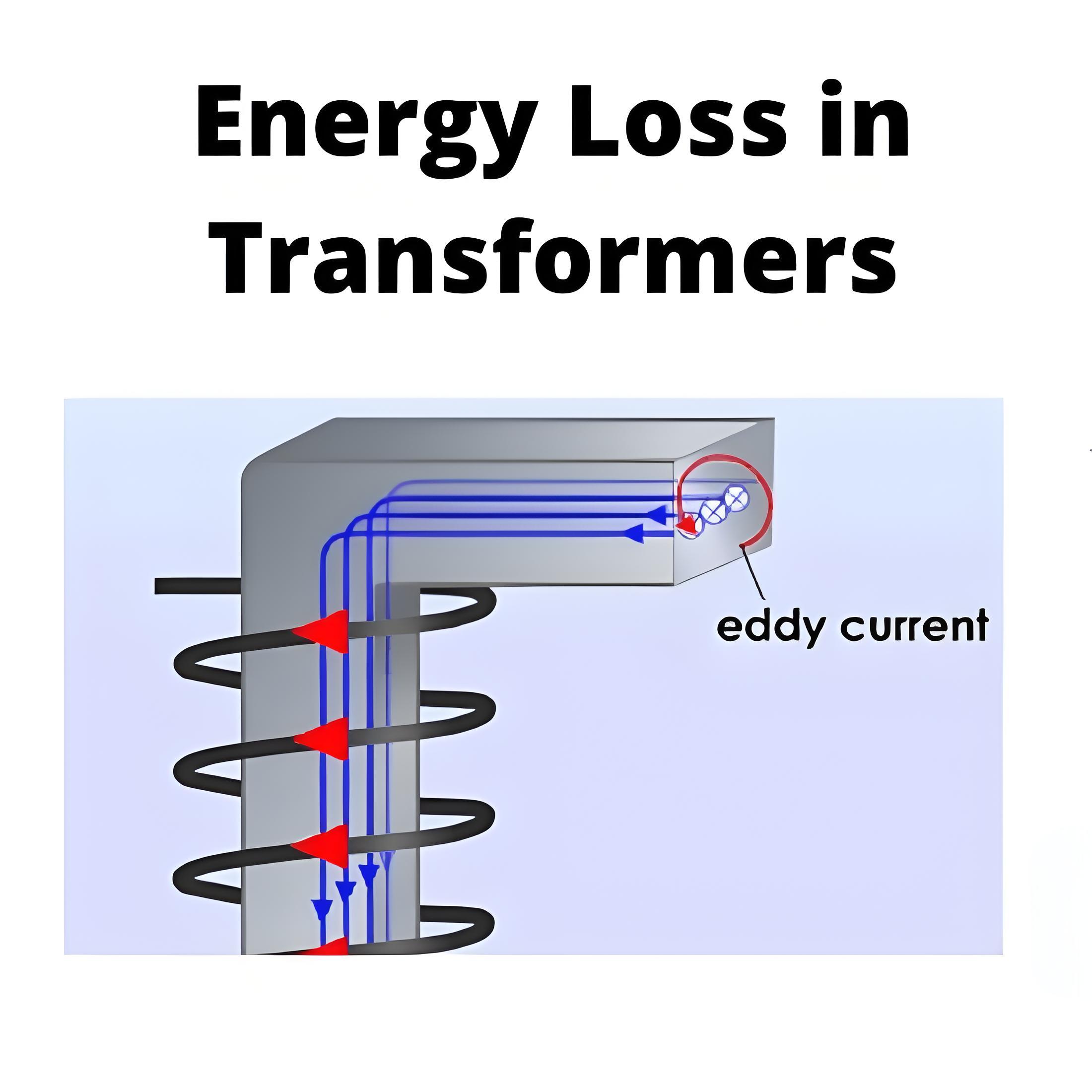
Energy  Loss in Transformers
Definition of Transformer LossesLosses in a transformer include electrical losses such as core losses and copper losses, which are the difference between input and output power.Copper Loss in TransformerCopper loss is the I²R loss occurring in the primary and secondary windings of the transformer, depending on the load.Core Losses in TransformerCore losses, also known as iron losses, are fixed and do not vary with the load, depending on the core material and design.Kh = Hysteresis constant.Ke =
08/06/2024
Consult
Tip
Consult
Tip
 Transformer Equivalent Circuit
Equivalent Circuit DefinitionAn equivalent circuit of a transformer is a simplified model used to calculate impedance, resistance, and leakage reactance.Primary Side Equivalent CircuitTo draw the equivalent circuit referred to the primary side, use the general equivalent circuit and modify it for primary side calculations.Excitation BranchThe primary current splits into no-load and load components, requiring a parallel path in the equivalent circuit known as the excitation branch.Approximate Equ
08/06/2024
Consult
Tip
Consult
Tip
EMF Equation of Transformer
EMF Equation of Transformer DefinitionThe EMF equation of a transformer is derived using Faraday’s law, indicating the induced EMF based on flux changes and winding turns.Magnetizing CurrentAn alternating current in the primary winding generates a magnetizing current that produces alternating flux in the transformer’s core.Sinusoidal Flux and EMFThe sinusoidal primary current creates a sinusoidal flux, and its rate of change (cosine function) determines the induced EMF.Voltage and Turns RatioThe
08/05/2024
Consult
Tip
Consult
Tip
What is a  Transformer?
What is a Transformer?Transformer DefinitionA transformer is a passive device that transfers electrical energy from one circuit to another using electromagnetic induction.Transformer Parts And Construction Primary Winding of Transformer Magnetic Core of Transformer Secondary Winding of TransformerWorking PrincipleThe working principle of a transformer involves mutual induction between coils to transfer electrical energy.Core FunctionThe core of a transformer provides a path with low reluctance,
08/05/2024
Consult
Tip
Consult
Tip
What is the  Transformer of Efficiency?
What is the Transformer of Efficiency?Transformer Efficiency DefinitionTransformer efficiency is the ratio of its output power to input power, usually between 95% and 99%.Factors Affecting EfficiencyEfficiency depends on copper losses, iron losses, dielectric losses, and stray load losses.Efficiency CalculationEfficiency is calculated using OC and SC tests, which measure core and winding losses.Maximum Efficiency ConditionsMaximum efficiency is achieved when copper losses equal core losses, typi
08/05/2024
Consult
Tip
Consult
Tip
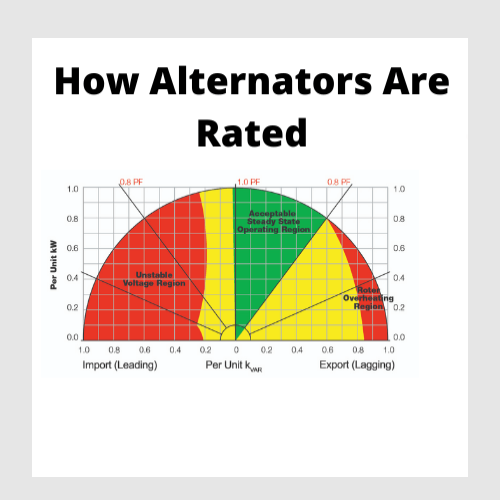
Rating of Alternator
Power rating of an alternator is defined as the power which can be delivered by an alternator safely and efficiently under some specific conditions. Increasing load increases losses in the alternator, which leads to a temperature rise of the machine. The conductor and insulator parts of the machine have some specific overheating withstand limits. The manufacturer so specifies the power rating of an alternator that at that maximum load the temperature rise of different parts of the machine does n
05/07/2024
Consult
Tip
Consult
Tip
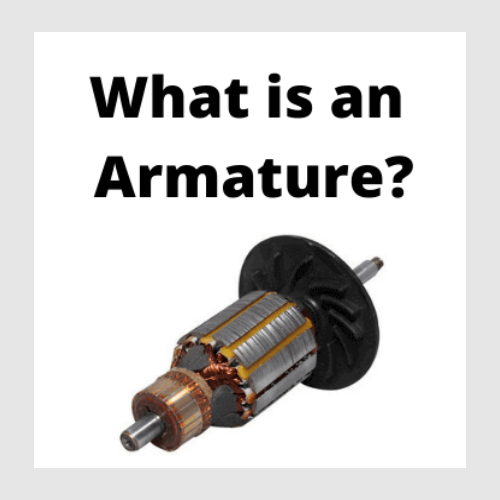
Armature: Definition, Function And Parts
What is an Armature?An armature is the component of an electric machine (i.e., a motor or generator) that carries alternating current (AC). The armature conducts AC even on DC (Direct Current) machines via the commutator (which periodically reverses current direction) or due to electronic commutation (e.g., in a brushless DC motor).The armature provides housing and support to the armature winding, which interacts with the magnetic field formed in the air gap between the stator and the rotor. The
05/07/2024
Consult
Tip
Consult
Tip
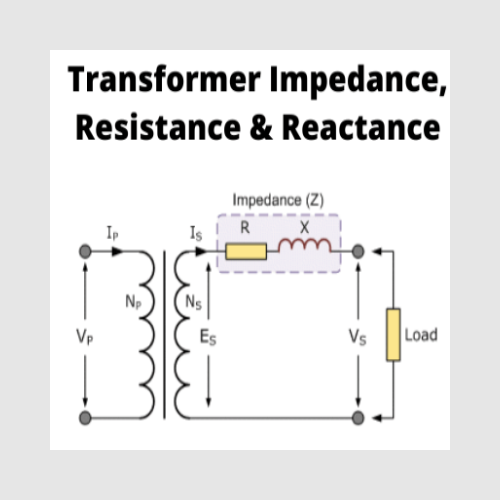
Resistance and Leakage Reactance or Impedance of Transformer
Leakage Reactance of TransformerAll the flux in transformer will not be able to link with both the primary and secondary windings. A small portion of flux will link either winding but not both. This portion of flux is called leakage flux. Due to this leakage flux in transformer, there will be a self-reactance in the concerned winding.This self-reactance of transformer is alternatively known as leakage reactance of transformer. This self-reactance associated with resistance of transformer is impe
05/07/2024
Consult
Tip
Consult
Tip
Theory of Transformer on Load and No Load Operation
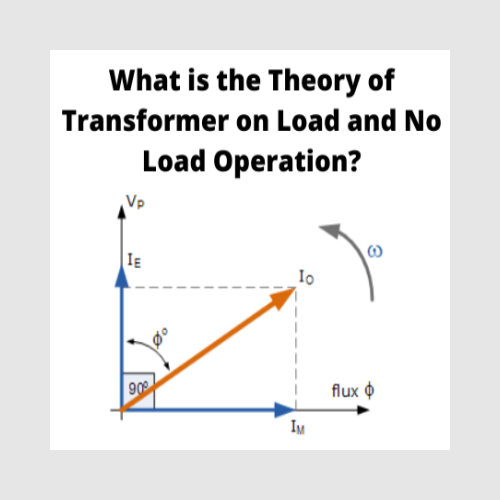
We have discussed about the theory of ideal transformer for better understanding of actual elementary theory of transformer. Now we will go through the practical aspects one by one of an electrical power transformer and try to draw vector diagram of transformer in every step. As we said that, in an ideal transformer; there are no core losses in transformer i.e. loss free core of transformer. But in practical transformer, there are hysteresis and eddy current losses in transformer core.Theory of
05/06/2024
Consult
Tip
Consult
Tip
Send inquiry
+86
Click to upload file
Download
Get the IEE Business Application
Use the IEE-Business app to find equipment, obtain solutions, connect with experts, and participate in industry collaboration anytime, anywhere—fully supporting the development of your power projects and business.