• Product
  • Suppliers
  • Manufacturers
  • Solutions
  • Free tools
  • Knowledges
  • Experts
  • Communities
Search


Free Expert Guides on Power Systems, Circuit Design & Electrical Troubleshooting

Access free engineering resources from IEE Business—covering power design, circuit layout, equipment selection, and troubleshooting. Expert-developed guides help engineers, procurement, and project teams make better decisions. Stay ahead on smart grids, renewables, efficiency, and AI tools. Improve reliability, reduce downtime, and enhance outcomes with real-world solutions. Explore our knowledge hub today.
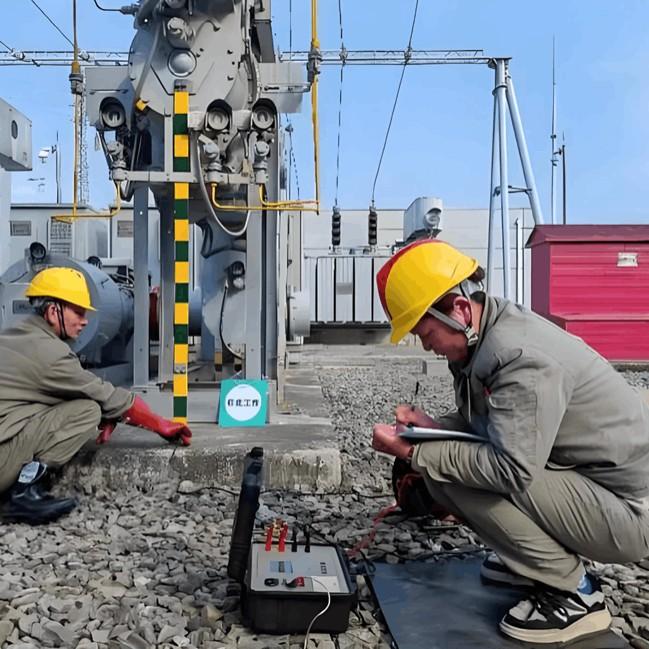
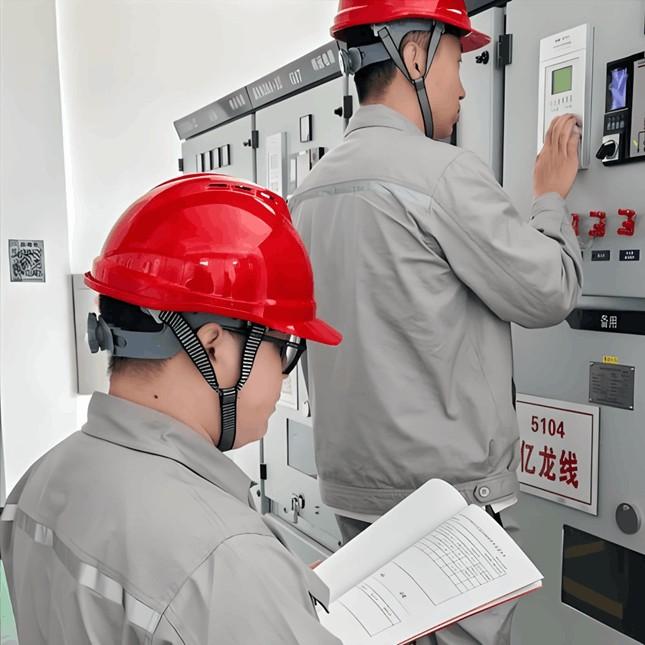
Home Outlet Grounding Test: 3 Simple Methods
Purpose of Grounding System Functional Grounding (Working Grounding):In power systems, grounding is required for normal operation, such as neutral point grounding. This type of grounding is known as working grounding. Protective Grounding:The metal enclosures of electrical equipment may become energized due to insulation failure. To prevent electric shock hazards to personnel, grounding is provided and is referred to as protective grounding. Overvoltage Protection Grounding:Grounding is installe
10/29/2025
Consult
Tip
Consult
Tip
How to improve the operational efficiency and safety of low-voltage distribution networks?
Optimization and Key Considerations for Operation and Maintenance Management of Low-Voltage Distribution NetworksWith the rapid development of China's power industry, operation and maintenance (O&M) management of low-voltage distribution networks has become increasingly important. A low-voltage distribution network refers to the power supply lines between a power transformer and end-user equipment, forming the most fundamental and critical part of the power system. To ensure its normal opera
10/28/2025
Consult
Tip
Consult
Tip
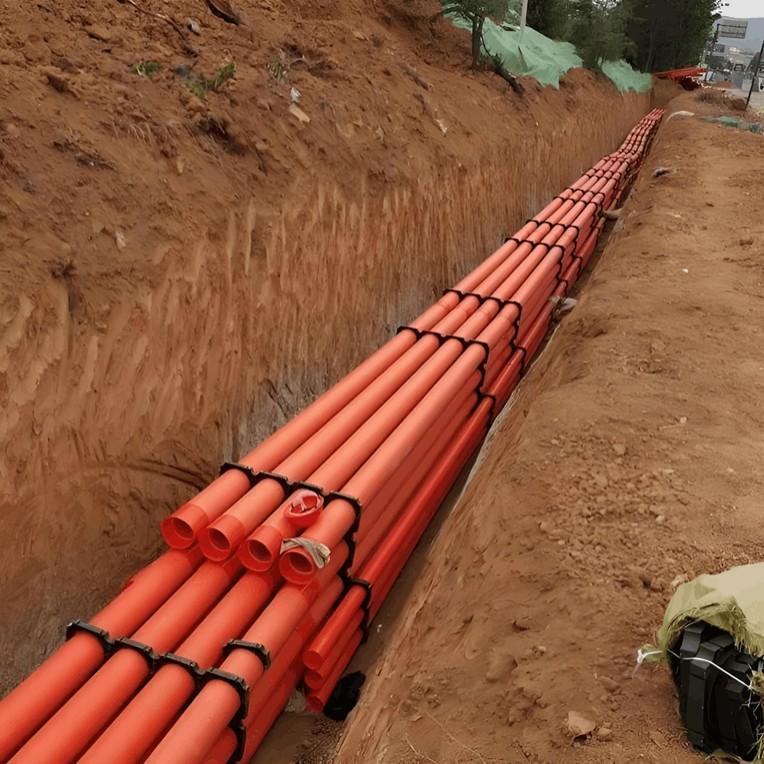
How to Install MPP Pipes Without Excavation: Full Guide
I. Management Regulations for Trenchless Construction of MPP Power ConduitsIn power engineering, cable installation often employs trenchless techniques such as "pulling pipe" or "pipe jacking" due to routing constraints, construction schedules, and other objective factors. While trenchless methods offer advantages like minimal traffic disruption and shorter construction periods, they also present safety and management challenges. This is because trenchless technology remains relatively new for p
10/21/2025
Consult
Tip
Consult
Tip
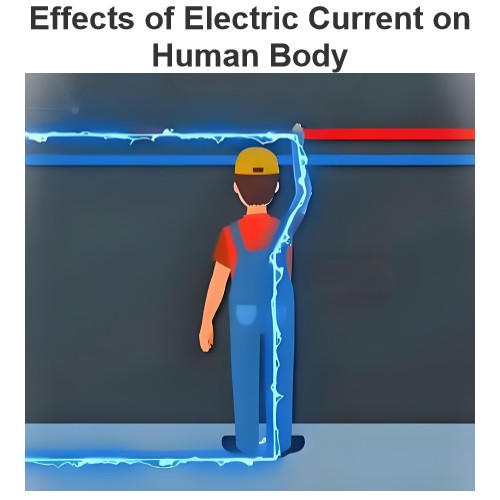
Effects of Electric Current on Human Body
When an electrical current traverses the human body, the nervous system endures an electric shock. The severity of this shock predominantly hinges on three key factors: the magnitude of the current, the pathway the current follows through the body, and the duration of contact. In the most severe instances, the shock disrupts the normal functioning of the heart and lungs, potentially leading to unconsciousness or even death.It is generally accepted that currents below 5 milliamperes (mA) pose min
05/22/2025
Consult
Tip
Consult
Tip
Can the Neutral Wire Cause Electric Shock? Different Cases
What is the Neutral Wire?The neutral wire is a conductor that facilitates the return of current to the electrical source, thus completing the electric circuit. In a standard electrical system, power is delivered via the “HOT” wire (also referred to as the Line, Live, or Phase wire), while the neutral wire serves as the return pathway for the current.Typically, the neutral wire is connected to the ground at specific points, such as at the transformer side and within the main e
05/16/2025
Consult
Tip
Consult
Tip
Methods of Earthing
Earthing Methods and Earthing MatsIn electrical systems, there are multiple earthing methods available, including wire or strip earthing, rod earthing, pipe earthing, plate earthing, and earthing through water mains. Among these, pipe earthing and plate earthing are the most commonly employed, and they will be explored in detail below.Earthing MatAn earthing mat is constructed by connecting multiple rods with copper conductors. This configuration effectively reduces the overall grounding resista
05/04/2025
Consult
Tip
Consult
Tip
 Protective Actions to Avoid & to Reduce Electric Hazardous
General Safety Rules for EHV, HV, and MV InstallationsFor Extra High Voltage (EHV, where V≥150) kV), High Voltage (HV, with 60 kV ≤V < 150kV), and Medium Voltage (MV, having 1 kV < V < 60) kV) installations, a set of fundamental safety rules must be adhered to. These rules prioritize the physical protection of the site, carefully considering aspects such as access to equipment, as well as the basic principles governing the operation and maintenance of all electrical apparatus.Compliance
04/30/2025
Consult
Tip
Consult
Tip
What is the difference between AC ground and DC ground?
Comparison Between AC Grounding and DC Grounding: Key DifferencesAC grounding and DC grounding may both serve to establish a reference point within an electrical system, but they diverge significantly in their fundamental characteristics, circuit behavior, and operational roles. These disparities are crucial to understand for ensuring the safe, efficient, and reliable operation of electrical systems that incorporate either alternating current (AC) or direct current (DC) power.AC Grounding Practi
04/30/2025
Consult
Tip
Consult
Tip
 Difference Between Real Ground and Virtual Ground
Real Ground vs. Virtual Ground: Definitions and ApplicationsIn the realm of electrical engineering, the concepts of real ground and virtual ground play distinct yet essential roles. Real ground establishes a tangible physical connection between the metallic body of an electrical device and the Earth, typically achieved through an Earth Continuity Conductor (ECG), Grounding Electrode Conductor (GEC), or other equivalent means. On the other hand, virtual ground is an abstract concept primarily uti
04/30/2025
Consult
Tip
Consult
Tip
Resistance & Reactance Grounding
Resistance GroundingIn resistance grounding, the neutral of the electrical system is linked to the ground via one or multiple resistors. This grounding method serves to restrict fault currents, safeguarding the system against transient overvoltages. By doing so, it reduces the risk of arcing grounds and enables effective ground - fault protection.The resistance value employed in a neutral grounding system is critical. As illustrated in the figure below, it should be neither excessively high nor
04/29/2025
Consult
Tip
Consult
Tip
Send inquiry
+86
Click to upload file

IEE Business will not sell or share your personal information.

Download
Get the IEE Business Application
Use the IEE-Business app to find equipment, obtain solutions, connect with experts, and participate in industry collaboration anytime, anywhere—fully supporting the development of your power projects and business.