Pangungulanan sa Pag-aplikar
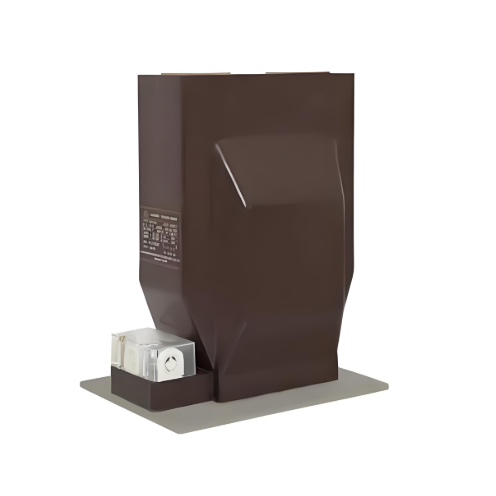
Ang mga substation sa coastal areas, chemical industrial parks, ug mga rehiyon nga may mataas nga concentration sa asin ug industriyal nga pollutants adunay mga ekstremong kapaligiran nga gipahayag pinaagi sa persistently high air humidity (RH > 85%) ug mataas nga concentration sa asin ug industriyal nga pollutants. Ang mga kapaligirangini nagpakita og significant challenges sa current transformers (CTs) sa AIS switchgear:
- Pagdeteriorate sa Insulation: Ang moisture ug pollutants (asin, dust, chemical aerosols) nga nagsa-adhere ug nagsa-dissolve sa insulation surfaces nagbuhat og conductive layers, na nagreduce sa surface resistance ug naginduce sa surface flashover (pollution flashover).
- Internal Condensation: Sa panahon sa pag-uli sa temperatura, ang humidity sa loob sa compartment mahimo easy mabaton sa saturation, nagbuhat og water droplets nga direkta nagthreaten sa long-term reliability sa internal electrical connections ug insulating materials.
- Corrosion sa Metal Components: Ang corrosive agents sama sa chloride ions ug sulfur dioxide nagaccelerate sa rusting sa metal enclosures ug connectors, nagresulta sa reduced structural integrity, degraded electrical conductivity, ug even fracture risk.
Ang conventional AIS CTs adunay significantly higher failure rates sa sulod sa mga kapaligirangini, nagshorten sa equipment lifespan ug nakaputok sa secure ug stable operation sa power grid. Kini nga solusyon specifically target sa mga issues niining mga reliability enhancement measures.
Pangunhuhong Solusyon
1. Hydrophobic Composite Insulation Technology
- Pangunhuhong Teknolohiya: Paghimuyo sa surfaces sa CT external insulators ug critical insulation components pinaagi sa Fluorinated Ethylene Propylene (FEP) material.
- Pangunhuhong Katangian:
- Exceptional Hydrophobicity: Static contact angle **>110°**. Ang tubig nagform og distinct droplets sa surface, nagprevent sa spread ug effectively resisting wetting ug penetration.
- Persistent Anti-Pollution: Kahit sa severe pollution (e.g., simulated salt-fog environment), ang coating maintain excellent hydrophobic migration properties, nagprevent sa pollutants sa pagform og continuous conductive water film.
- High Volume/Surface Resistance: Pasud sa rigorous 480-hour salt spray test (ASTM B117 o equivalent), ang surface resistivity remain above 10¹² Ω, far exceeding conventional epoxy resin o porcelain insulation materials, drastically improving pollution flashover resistance.
- Benefit: Significantly reduces pollution flashover risk, ensuring long-term insulation stability in high-humidity, high-pollution environments.
2. Active Anti-Condensation Control System
- Pangunhuhong Teknolohiya: Integrating a PTC (Positive Temperature Coefficient) self-regulating heating element within the CT compartment/chamber, linked with a high-precision humidity sensor to form a closed-loop control system.
- Operating Mode:
- Humidity sensors monitor compartment relative humidity (RH) in real-time.
- When detected RH > 85% (configurable threshold), the control system automatically activates the PTC heating element.
- The heating element operates (rated power ~15W), gently raising the internal air temperature.
- Control Target: Maintain compartment temperature always > Dew Point Temperature + 5°C.
- Key Protection: Precise temperature control ensures the internal relative humidity remains well below saturation (e.g., the 85% RH threshold), completely preventing water droplet formation.
- Benefit: Eliminates risks associated with condensation, including internal insulation moisture absorption, corrosion of metal parts, and electrical short circuits.
3. Anti-Corrosion Structural Design
- Material Upgrades:
- Main Enclosure: Utilizes 316L Stainless Steel, offering far superior resistance to pitting and crevice corrosion in chloride-containing environments (e.g., salt-fog, chemical atmospheres) compared to conventional 304 stainless or carbon steel.
- Surface Enhancement: Applies an AlMg₃ (Aluminum-Magnesium Alloy) sacrificial anode coating to critical connection points or vulnerable areas. This coating provides active cathodic protection, further enhancing overall corrosion resistance.
- Reliability Validation: The complete structural design must pass stringent testing according to ISO 9227 Salt Spray Test Standard Class C5-H (highly corrosive industrial and marine environments), typically requiring thousands of hours of testing. This represents the highest international corrosion environment rating.
- Lifespan Enhancement: Compared to traditional carbon steel or standard surface treatments, the structure's overall corrosion-resistant lifespan is increased by at least 3 times.
- Benefit: Significantly extends the structural life of the equipment, withstands extreme corrosive environments, and ensures long-term reliability of mechanical strength and electrical connections.
Comprehensive Benefits
- Precise Scenario Match: This solution is specifically designed to address the reliability pain points of AIS CTs in extremely harsh environments, including coastal substations, chemical park substations, salt-fog areas, and heavily polluted industrial zones.
- Significantly Enhanced Reliability: Through three key technological innovations (hydrophobic insulation, active anti-condensation, strong anti-corrosion), the equipment's MTBF (Mean Time Between Failures) can be elevated to over 250,000 hours (approx. 28.5 years).
- Safety and Economic Efficiency:
- Ensures Grid Security: Drastically reduces CT failure risks due to insulation flashover, condensation-induced shorts, and structural corrosion, preventing unplanned outages and major safety incidents.
- Extends Maintenance Intervals: Reduces frequent maintenance and replacement demands caused by environmental issues, significantly lowering Life-Cycle Cost (LCC).
- Improved Investment Return (ROI): One-time investment delivers long-term benefits, providing robust support for stable grid operation in extreme environments.
- Reduces Outage Losses: Avoids regional outages caused by CT failures, yielding substantial economic benefits – especially for critical industrial and civil consumers (e.g., preventing losses estimated at ¥0.5-1 million or higher for a typical 10-hour incident outage).
- Good accuracy & linearity performance: Flexible design, easy to meet requirements, relatively less affected by fast transients.