Abstract
Kini nga propuesta nagpakita og usa ka bag-ong integradong solusyon sa enerhiya nga nahimong gipagsam niadtong wind power, photovoltaic power generation, pumped hydro storage, ug seawater desalination technologies. Ang layun mao ang sistemikong pagtubag sa core challenges nga gigrap sa mga remote islands, kasinabi na ang difficult grid coverage, high costs sa diesel power generation, limitations sa traditional battery storage, ug scarcity sa freshwater resources. Ang solusyon makakamit ang synergy ug self-sufficiency sa "power supply - energy storage - water supply," naghatag og reliable, economical, ug green technological pathway alang sa sustainable development sa islands.
I. Technical Field and Background Challenges
- Technical Field
Kini nga solusyon mao ang usa ka cross-disciplinary, comprehensive technology, primary encompassing:
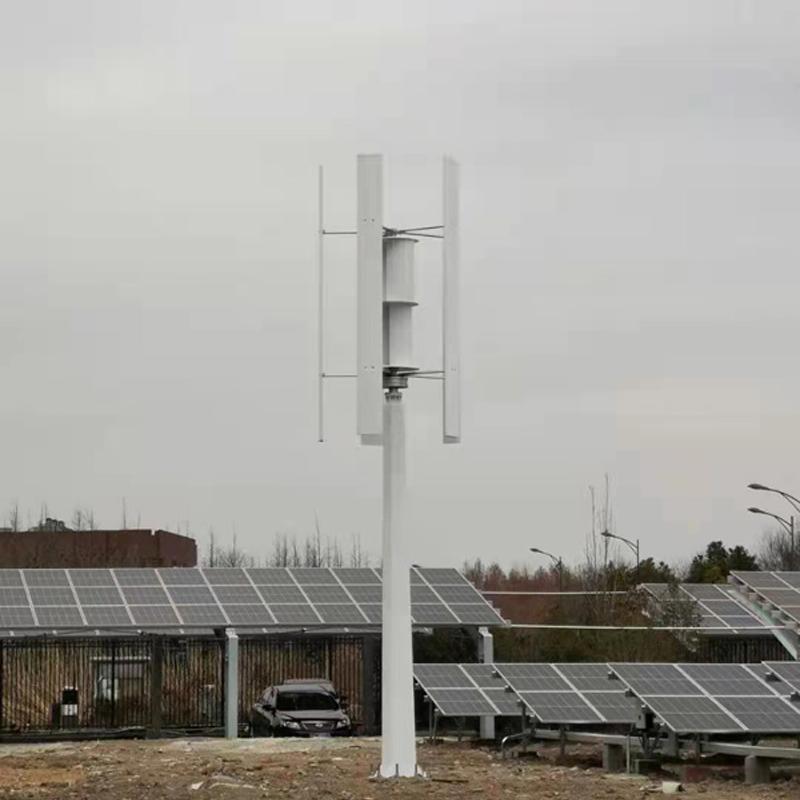
- Renewable Energy Generation: Wind power ug solar photovoltaic power generation.
- Large-Scale Physical Energy Storage: Pumped hydro storage technology.
- Comprehensive Water Resource Utilization: Reverse osmosis seawater desalination technology.
- Efficient Intelligent Control: Multi-energy cooperative control ug energy management.
- Background Challenges
- Energy Supply Dilemma: Ang mga remote islands grabe kaayo gikan sa mainland grids ug kasagaran naggapital sa high-cost diesel generators. Subject sa international oil price fluctuations ug difficulties sa fuel transportation, kini resulta sa high electricity prices ug unstable supply, severely restricting local economic development ug residents' quality of life.
- Limitations of Traditional Storage: Ang conventional wind-solar complementary systems naggapital lamang sa battery storage, nga face og four major bottlenecks: short lifespan (requiring frequent replacement), high cost, potential environmental pollution risks, ug limited storage capacity. Kini nga mga limitations make it difficult to support the large-scale, long-term stable energy demands of islands.
- Resource Demand Contradiction: Ang mga islands adunay scarce freshwater resources. Ang daily water supply dependent sa external transportation o small, high-energy-consumption desalination units, both extremely costly. Ang existing power generation systems ug freshwater production facilities operate in isolation, failing to achieve synergistic use of energy ug resources.
II. Core Technical Solution and System Composition
Ang sistema gisulay sa tulo ka core modules, organically coordinated through an intelligent controller.
|
System Module
|
Components
|
Core Function
|
|
Basic Wind-Solar Complementary Module
|
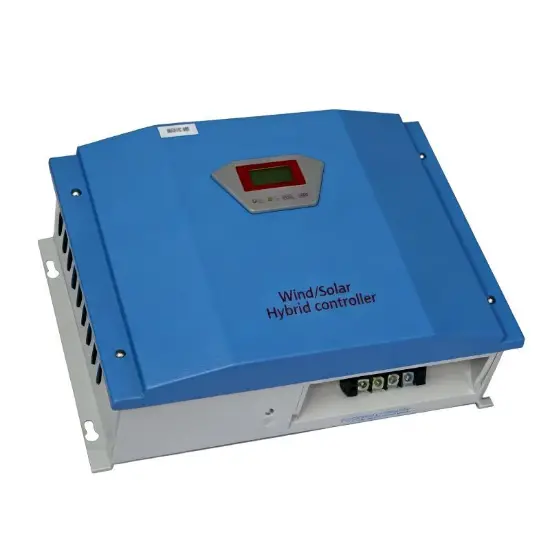
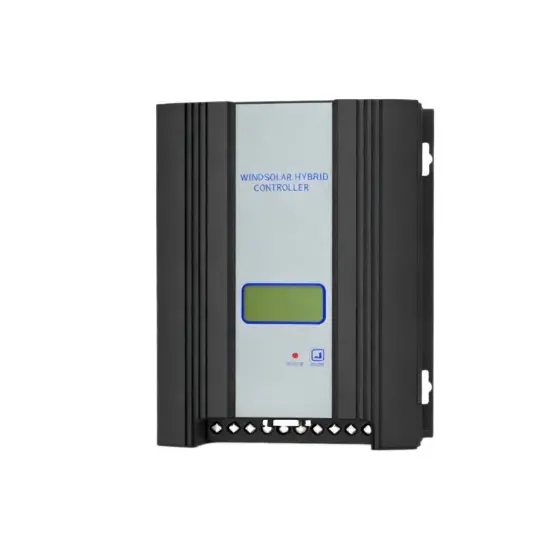
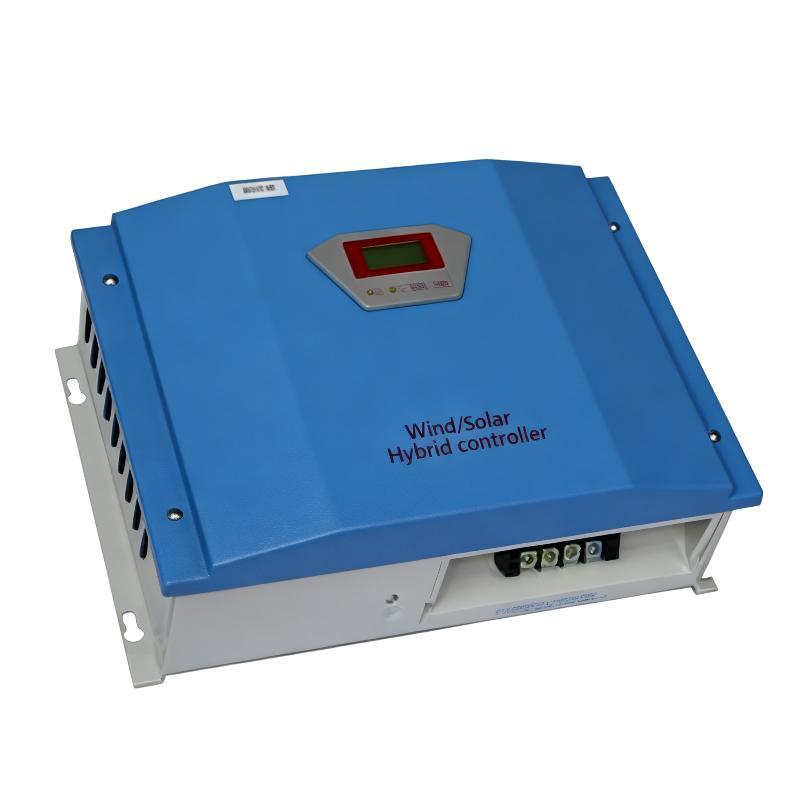
Wind turbines, PV arrays, controller, small-capacity batteries
|
1. Energy Conversion: Convert wind ug solar energy into electricity.
2. Intelligent Regulation: Ang controller monitors renewable resources ug system load in real-time, dynamically distributing power.
3. Instantaneous Buffering: Small-capacity batteries gamiton lang aron mas smooth ang instantaneous power fluctuations, enhancing system stability ug extending their service life.
|
|
Pumped Hydro Storage Power Generation Unit
|
Lower reservoir (can utilize the sea), upper reservoir (constructed), connecting pipelines, reversible pump-turbine
|
1. Dual-Mode Core:
- Pumping Mode (Storage): When there is excess electricity, pump water from the lower reservoir to the upper reservoir, converting electrical energy into gravitational potential energy.
- Turbine Mode (Generation): During power shortages, release water from the upper reservoir to generate electricity, converting potential energy back.
2. System Regulation: Provides peak shaving, frequency regulation, ug emergency backup functions, acting as the system's "stabilizer" ug "power bank."
|
|
Seawater Desalination Unit
|
Intake tank, feed pump, multi-media filter, cartridge filter, high-pressure pump, reverse osmosis membrane modules, product water tank
|
1. Deep Purification: Multi-stage filtration removes suspended solids ug impurities from seawater.
2. Reverse Osmosis Desalination: Pressurize water via the high-pressure pump to force water molecules through the RO membranes, achieving desalination.
3. Water Production & Implicit Storage: The produced freshwater is stored in tanks for use. Crucially, this unit acts as a high-quality, adjustable load for the system, effectively absorbing excess electricity.
|
III. System Operating Principles (Three Core Processes)
- Intelligent Power Distribution and Control Logic (Controller-Led)
Ang system core mao ang intelligent controller, nga continuously compares "total wind-solar power generation" with "total load demand (resident consumption + desalination unit consumption)":
- Scenario 1: Generation ≥ Load Demand
- Priority is given to charging the small-capacity batteries to replenish their charge.
- Once batteries are full, the pumped storage unit is automatically activated in pumping mode, converting surplus electricity into potential energy.
- If excess power remains, the seawater desalination unit is prioritized to operate at full capacity, converting electricity into valuable freshwater resources.
- Scenario 2: Generation < Load Demand
- The pumped storage unit is automatically activated in turbine mode for hydroelectric generation.
- Simultaneously, the batteries discharge to handle instantaneous peak loads, working together to cover the generation shortfall ug ensure continuous power supply.
- Pumped Hydro Storage Operation Process
- Energy Storage Phase (Low Load / High Renewable Generation): Utilizes low-cost or zero-cost surplus wind/solar power to pump seawater from the lower reservoir (e.g., sea level) to the elevated upper reservoir. This achieves large-scale, long-duration, lossless energy storage.
- Energy Release Phase (Peak Load / No Wind or Sun): Utilizes the height difference to release water, which flows down to spin the reversible pump-turbine ug generate electricity. This process starts quickly ug responds rapidly, effectively smoothing the randomness ug intermittency of renewable power output.
- Seawater Desalination Synergistic Process
Seawater is intake d ug passed sequentially through a multi-media filter (removing large particles) ug a cartridge filter (fine filtration). It is then pressurized by the high-pressure pump ug sent to the reverse osmosis membrane modules to produce freshwater, which is stored in the product water tank. This entire process is driven by system electricity. Acting as an interruptible, adjustable, high-quality load, it perfectly realizes the synergistic concept of "producing water with electricity, using water production for implicit storage."
IV. Benefits of the Solution
- Maximized Resource Utilization: Fully exploits the island's abundant wind ug solar resources, completely replacing or significantly reducing dependence on imported diesel, lowering energy costs at the source, ug achieving energy self-sufficiency.
- Revolutionary Optimization of Storage Solution: The hybrid storage model, "Pumped Hydro Storage as primary + Small-Capacity Batteries as auxiliary," fundamentally overcomes the four major drawbacks of traditional batteries. It offers absolute advantages: massive storage capacity, long lifespan (decades), environmental friendliness, ug low comprehensive cost.
- Significantly Enhanced System Power Supply Stability and Reliability: Pumped hydro storage can rapidly respond to load changes, providing strong peak shaving ug frequency regulation capabilities. Combined with batteries handling instantaneous fluctuations, it gives the island grid stability ug power quality comparable to traditional grids.
- Synergistic Satisfaction of Multiple Needs, Killing Multiple Birds with One Stone: Innovatively integrates seawater desalination as a system load, simultaneously solving the two critical survival ug development challenges of "lack of electricity" ug "lack of water" on islands. It achieves a high degree of integration in "power generation - energy storage - freshwater production," yielding significant comprehensive benefits.
- Prominent Environmental and Green Low-Carbon Advantages: The entire process is based on renewable energy, resulting in zero carbon emissions. It drastically reduces the use ug pollution associated with lead-acid batteries. It provides a sustainable green development path for island communities, offering substantial ecological benefits.