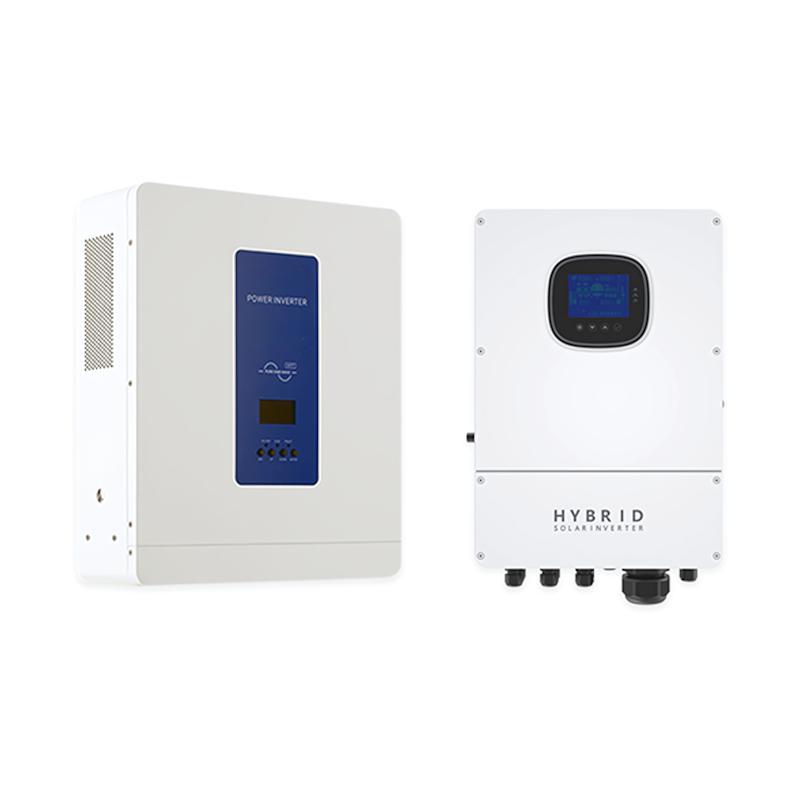
| Brand | Rw Energy |
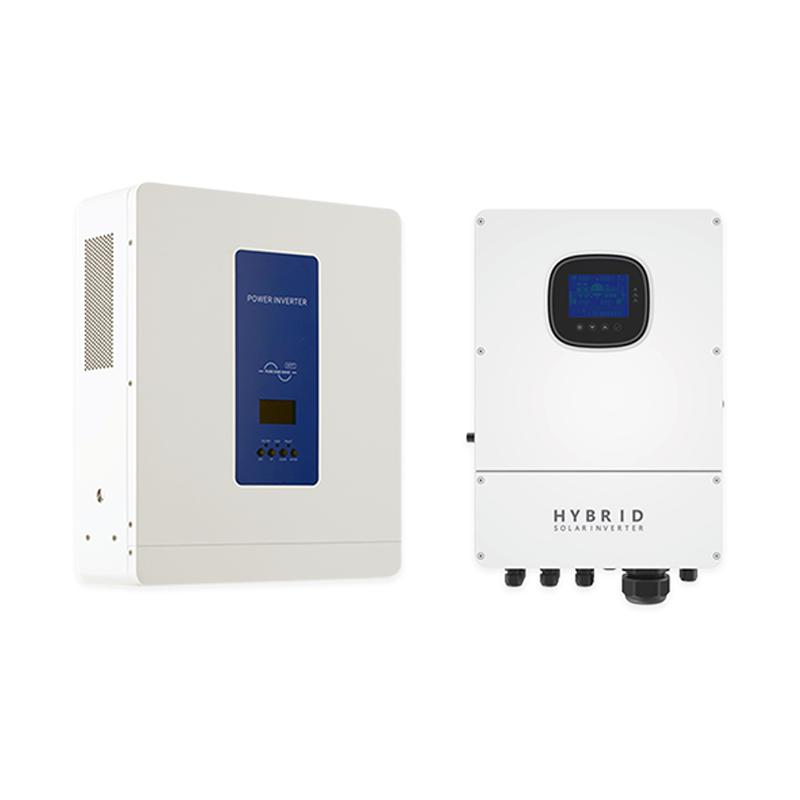
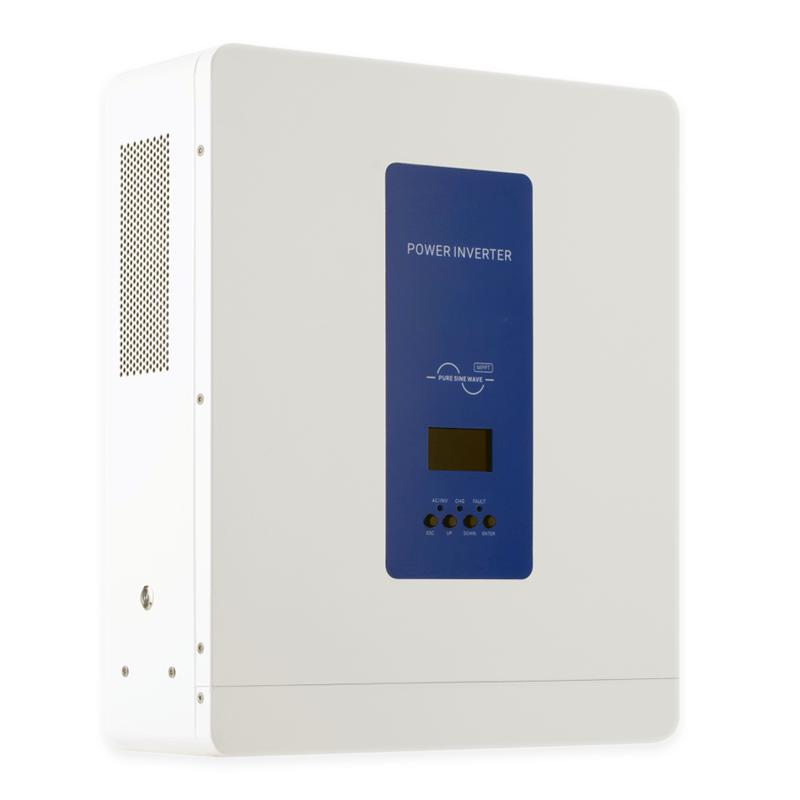
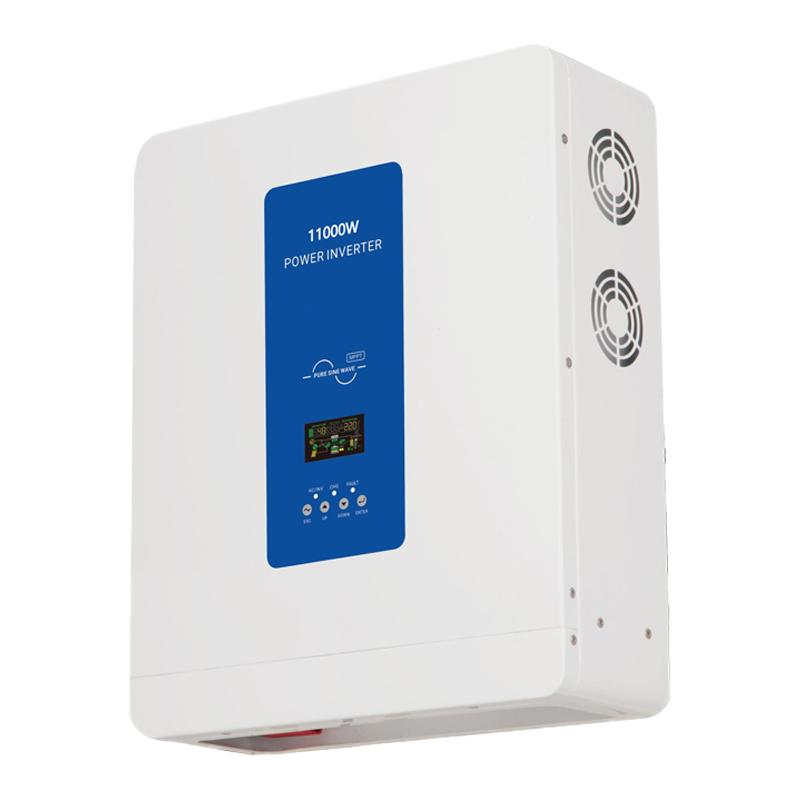
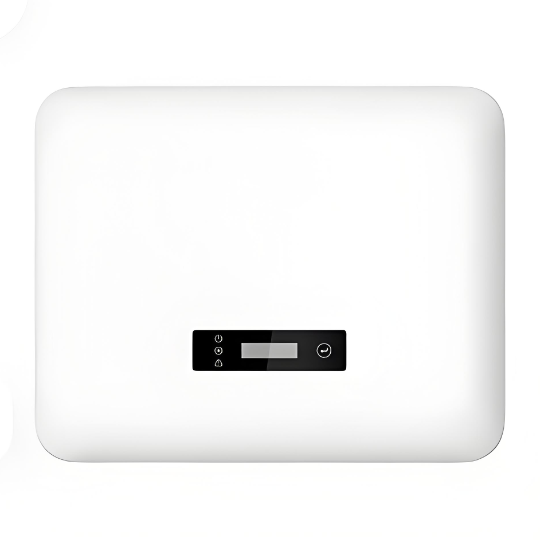
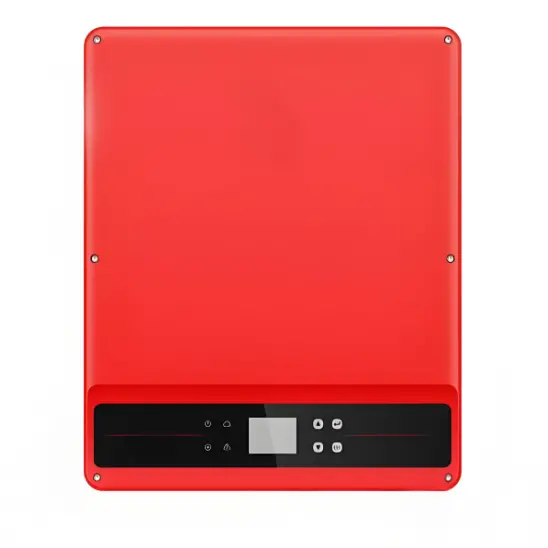
| Model NO. | Household Wall-mount Hybrid Inverter |
| Rated voltage | 230V |
| Mounting type | Wall-mounted |
| Phases | Single-phase |
| Rated Output Rating | 11KW |
| Parallel number | 1 set |
| Series | RP-PW |
Peculiarity:
Pure sine Wave solar inverter
Big LCD Screen with richer content
Two communication Ports for BMS and WiFi
RGB Lighting for different working mode
Inverter running with or without battery
Built-in Lithium Battery automatic activation
Lithium battery intelligent charge control system: adjust the inverter charging current according to the battery information.
Internal clock function for showing PV power generation and setting AC charging time and running loads time by user
Offline software upgrade function for adding new functions and fixing software errors
WIFI available for IOS and Android
Battery over-voltage protection.Battery low-voltage protection,Overload protection,Short circuit protection,Over-temperature protection
Intelligent fan speed adjustment,which adjusts the fan speed according to temperature,load and charging current
Technical parameter:
Product model |
RP-PW3200 |
RP-PW5500 |
RP-PW8000 |
RP-PW11000 |
||
Rated power |
3.2kW |
5.5kW |
8kW |
11kW |
||
Standard battery unit voltage |
24VDC |
48VDC |
||||
Standard Voltage range |
21-30VDC |
42-60VDC |
||||
Rated PV charging voltage |
360VDC |
|||||
MPPT tracking range |
120-450V |
|||||
MPPT track number |
1 |
|||||
Grid input voltage(phase voltage) |
170~280V(UPS)/120~280V(INV) |
|||||
Input frequency |
45~65Hz |
|||||
Maximum grid input current |
60A single |
120A single |
||||
Maximum PV input current |
100A single |
225A single |
||||
Maximum PV input Power |
4kW |
5.5kW |
5.5kW+5.5kW double |
|||
Ac access mode |
L+N+PE |
|||||
Inverter |
Rated output voltage |
230V+N |
The output electric energy standard is applicable to most countries or regions such as Chinese mainland, Hong-Kong, Macao, North Korea, Australia, South Asia, the Middle East, Europe, Africa, South America, etc., and customers in non-above regions can customize according to the customer's local electric energy standard. |
|||
Rated output frequency |
48~52HZ (58~62HZ) |
|||||
System efficiency |
86~94% |
|||||
AC following |
Rated output voltage |
Follow the grid |
||||
Rated output frequency |
Follow the grid |
|||||
System efficiency |
99% |
|||||
Battery no load loss |
≤1% |
|||||
Power grid no load loss |
≤0.5% |
|||||
Cooling mode |
Forced air cooling |
|||||
Operating environment |
Temperature: -10~40℃ Humidity: 20~95RH% |
|||||
Maximum working altitude |
2000m(> 2000m load reduction required) |
|||||
Protection |
Battery under (over) voltage protection/overload protection/over temperature protection/short circuit protection |
|||||
Class of protection |
IP20 |
|||||
Operation mode |
Mains priority/PV priority/battery priority |
|||||
Size(mm) |
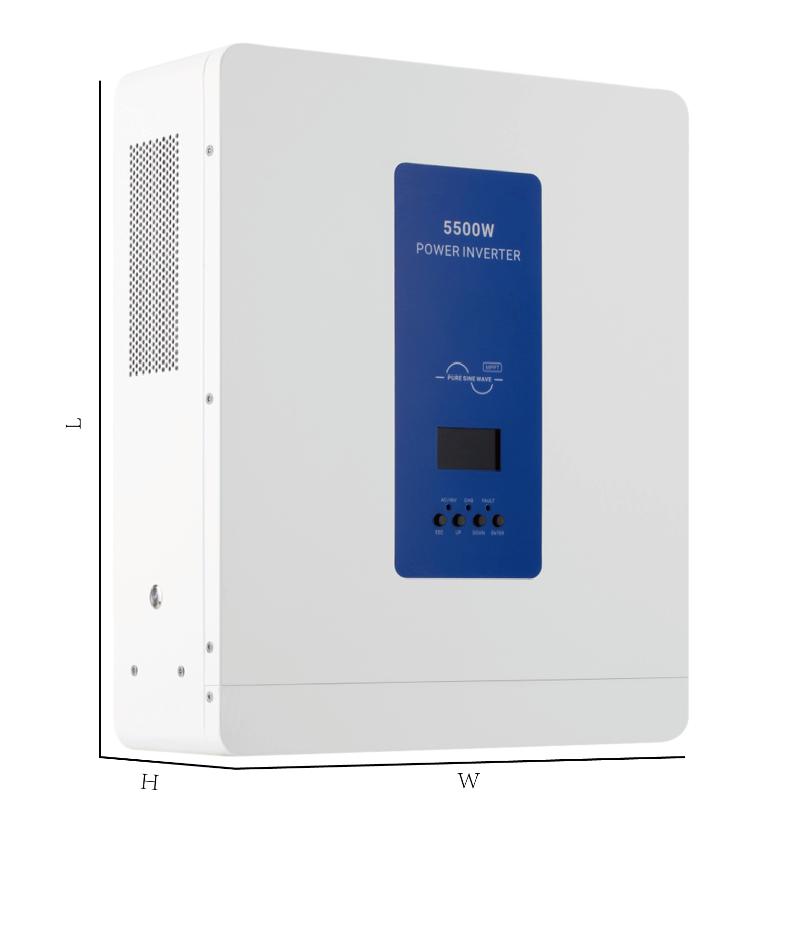 |
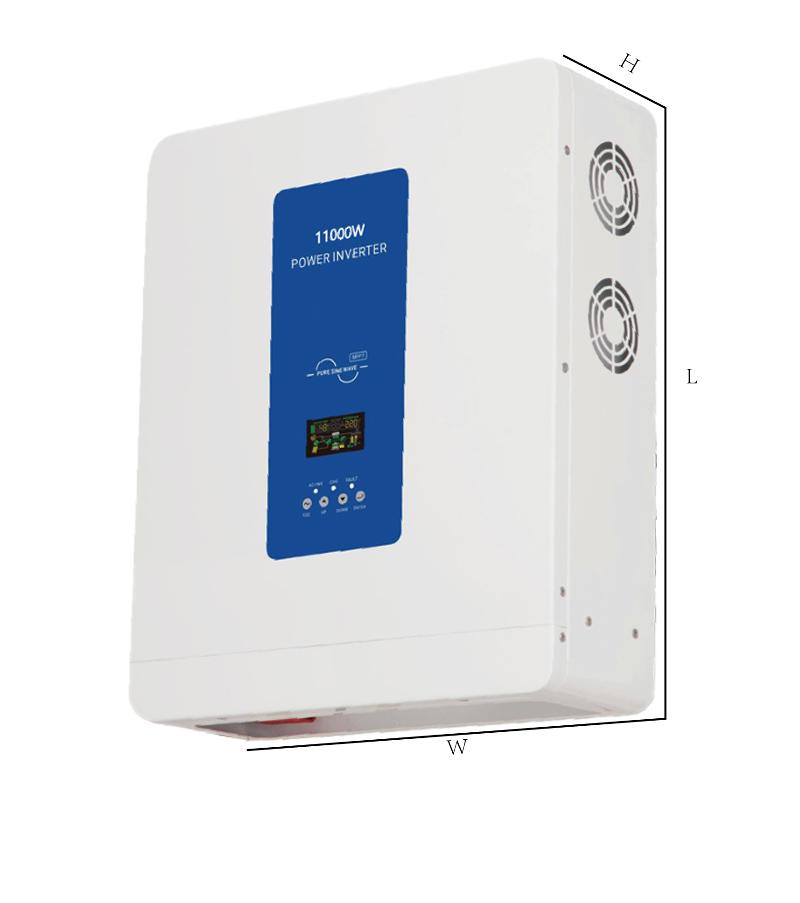 |
||||
L420*W290 *H110 |
L460*W304 *H110 |
L520*W450 *H200 |
L560*W450 *H200 |
|||
The photovoltaic and energy storage integrated machine is a solution that integrates a photovoltaic power generation system and an energy storage system. It is suitable for various application scenarios such as households, commerce, and industry. This type of integrated machine usually contains a photovoltaic inverter, energy storage batteries, a battery management system (BMS), an energy management system (EMS), and other necessary components.
The basic principle of air cooling technology is to take away the heat generated by battery cells through flowing air, thus keeping the battery temperature within a reasonable range. As a heat transfer medium, air can achieve heat exchange through natural convection or forced convection.
Natural convection:Natural convection refers to the phenomenon in which air flows by itself due to the difference in air density caused by temperature differences.In some cases, natural convection can be used to achieve simple thermal management, but this is usually not sufficient to meet high-intensity or high-density energy storage requirements.
Forced convection:Forced convection is to accelerate air flow through fans or other mechanical devices, thereby improving heat exchange efficiency.In container energy storage systems, forced convection is usually used to achieve effective thermal management.
This inverter supports three priority operation modes: mains priority, photovoltaic (PV) priority, and battery priority. Users can flexibly switch according to their electricity demand and energy strategy to achieve optimal energy utilization.
Mainly suitable for 48VDC lithium battery systems. The device is equipped with a "lithium battery automatic activation" function and an intelligent charging control system, which can dynamically adjust the charging current based on the battery BMS information and extend the battery life.
The default output is single-phase 230V/50Hz (or 60Hz optional), which is applicable to most regions such as Chinese Mainland, Hong Kong and Macao, Australia, Europe, the Middle East, Africa, South America, etc. Non standard areas can contact manufacturers to customize and adapt local power grid parameters.








 Login
Login