Fuse Holder RT18X-63 with LED indicator fuse size 14*51


Key attributes
| Brand | Switchgear parts |
| Model NO. | Fuse Holder RT18X-63 with LED indicator fuse size 14*51 |
| number of poles | 3P+N |
| Series | RT18X-63 |
Product descriptions from the supplier
Can you use any fuse with fuse holder? No, you cannot use any fuse with any fuse holder. It is important to use the appropriate fuse that matches the specifications and requirements of the fuse holder and the electrical system. When selecting a fuse for a fuse holder, consider the following factors: 1.Fuse Type: There are different types of fuses available, such as blade fuses, cartridge fuses, and glass fuses. Ensure that the fuse type matches the design and compatibility of the fuse holder. 2.Fuse Rating: Fuses have specific current ratings that indicate the maximum amount of current they can handle before they blow or melt. The fuse rating should be selected based on the electrical load of the circuit and the current-carrying capacity of the wire. Using a fuse with a higher rating than recommended can lead to inadequate protection, while using a fuse with a lower rating may result in frequent blowing or melting. Amp Fuse Holder 3.Fuse Size: The physical dimensions of the fuse should be compatible with the fuse holder. Different fuse holders are designed to accommodate specific fuse sizes, such as mini, standard, or maxi blade fuses, or different cartridge fuse sizes (e.g., 5x20mm, 6x30mm). Ensure that the fuse fits properly into the fuse holder without any loose connections or poor contact. Amp Fuse Holder 4.Voltage Rating: Consider the voltage rating of the fuse and ensure that it is suitable for the voltage level of the electrical system in which it will be used. Using a fuse with an insufficient voltage rating can lead to electrical arcing or insulation breakdown. Amp Fuse Holder 5.Safety Standards: Choose fuses that comply with relevant safety standards and regulations applicable to your region or industry. This ensures the fuses have undergone proper testing and meet the necessary safety requirements. Always refer to the manufacturer’s instructions, datasheets, or specifications for both the fuse holder and the fuse to ensure proper compatibility. Using the correct fuse in the appropriate fuse holder is crucial for the safe and reliable operation of the electrical system and the protection of the circuits and equipment. Compatible with multiple universal low-voltage cabinets and dedicated control cabinets, with specific adaptation information as follows: GGD low-voltage fixed switchgear, GCS low-voltage withdrawable switchgear, MNS withdrawable low-voltage switchgear, etc



Related Products
-
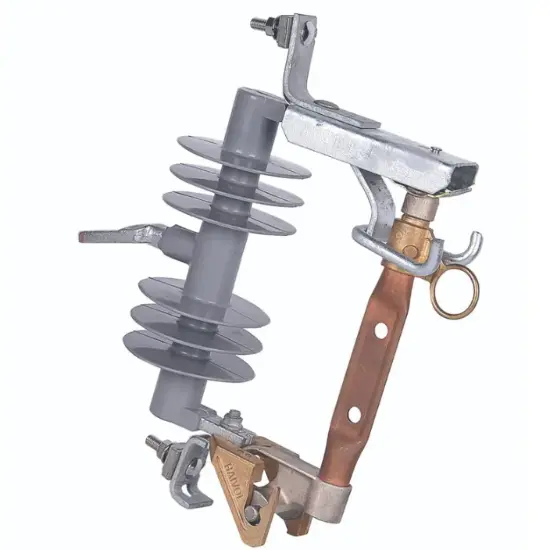
Isolation Type Drop Out Fuse
-
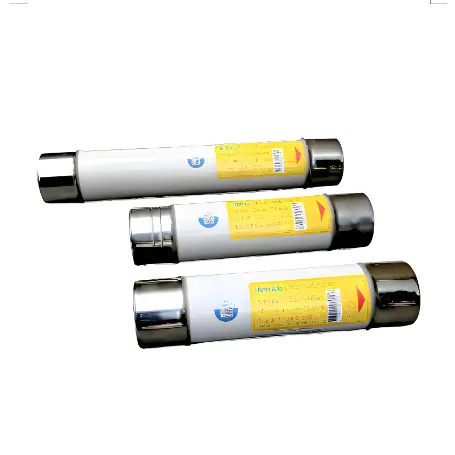
High voltage current limiting fuse for oil immersed transformer protection
-
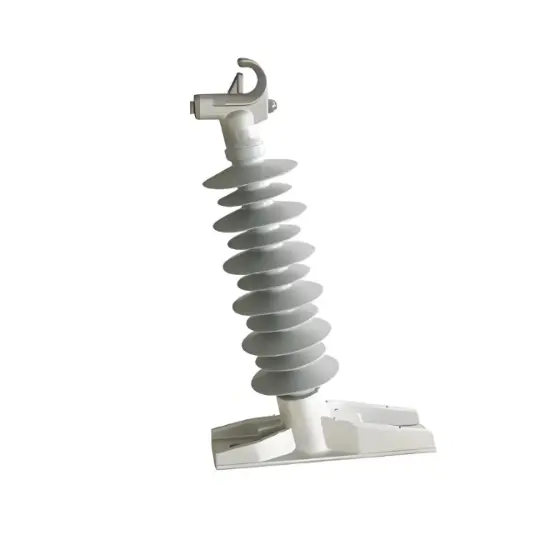
12kV 24kV 35kV 72.5kV Composite Post Insulator
-
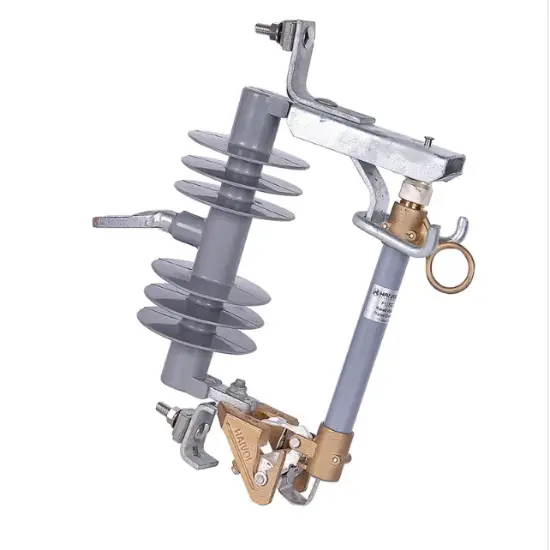
Silicone Rubber Standard Drop Out Fuse
-
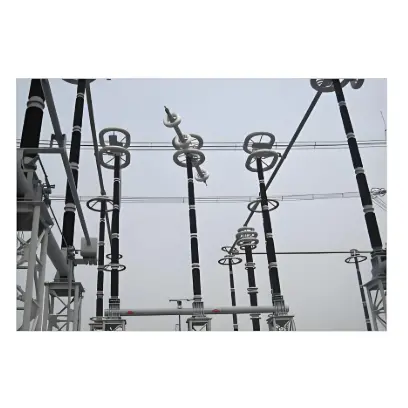
The high-voltage disconnect switch uses rod-shaped porcelain insulators
-
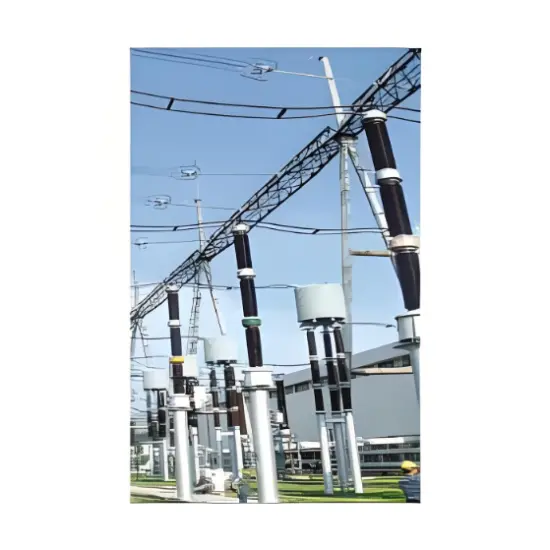
IEC series rod-shaped porcelain insulators
-
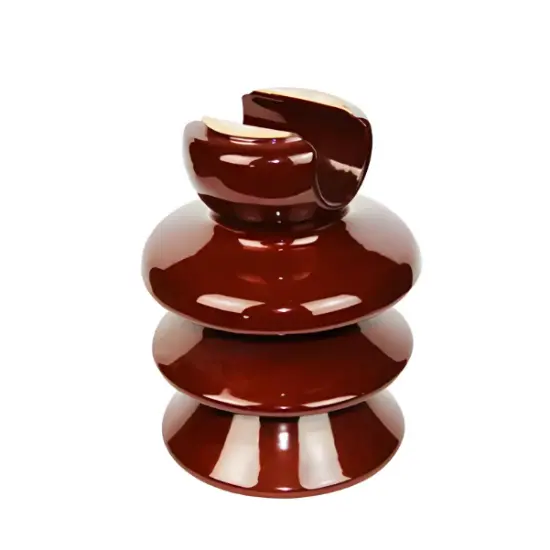
Pin Type Insulator 11kV 22kV 33kV
Related Knowledges
-
 Main Transformer Accidents and Light Gas Operation Issues1. Accident Record (March 19, 2019)At 16:13 on March 19, 2019, the monitoring background reported a light gas action of No. 3 main transformer. In accordance with the Code for Operation of Power Transformers (DL/T572-2010), operation and maintenance (O&M) personnel inspected the on-site condition of No. 3 main transformer.On-site confirmation: The WBH non-electrical protection panel of No. 3 main transformer reported a Phase B light gas action of the transformer body, and the reset was ineff02/05/2026
 -
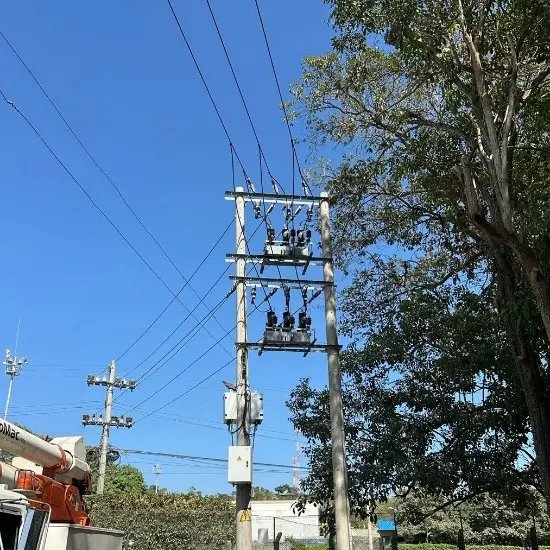 Faults and Handling of Single-phase Grounding in 10kV Distribution LinesCharacteristics and Detection Devices for Single-Phase Ground Faults1. Characteristics of Single-Phase Ground FaultsCentral Alarm Signals:The warning bell rings, and the indicator lamp labeled “Ground Fault on [X] kV Bus Section [Y]” illuminates. In systems with a Petersen coil (arc suppression coil) grounding the neutral point, the “Petersen Coil Operated” indicator also lights up.Insulation Monitoring Voltmeter Indications:The voltage of the faulted phase decreases (in01/30/2026
 -
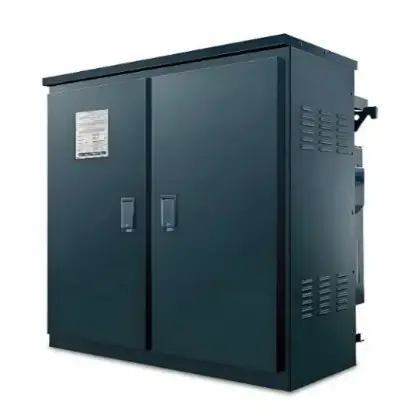 Neutral point grounding operation mode for 110kV~220kV power grid transformersThe arrangement of neutral point grounding operation modes for 110kV~220kV power grid transformers shall meet the insulation withstand requirements of transformer neutral points, and shall also strive to keep the zero-sequence impedance of substations basically unchanged, while ensuring that the zero-sequence comprehensive impedance at any short-circuit point in the system does not exceed three times the positive-sequence comprehensive impedance.For 220kV and 110kV transformers in new constructi01/29/2026
 -
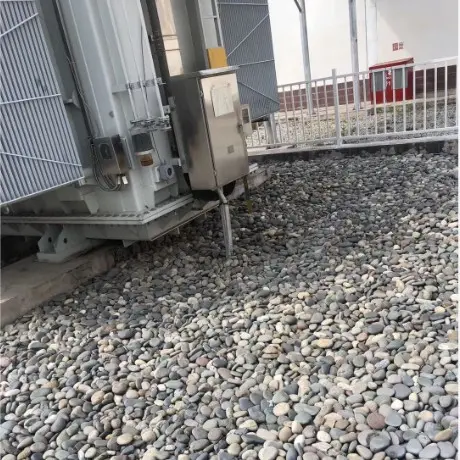 Why Do Substations Use Stones, Gravel, Pebbles, and Crushed Rock?Why Do Substations Use Stones, Gravel, Pebbles, and Crushed Rock?In substations, equipment such as power and distribution transformers, transmission lines, voltage transformers, current transformers, and disconnect switches all require grounding. Beyond grounding, we will now explore in depth why gravel and crushed stone are commonly used in substations. Though they appear ordinary, these stones play a critical safety and functional role.In substation grounding design—especially when multiple gr01/29/2026
 -
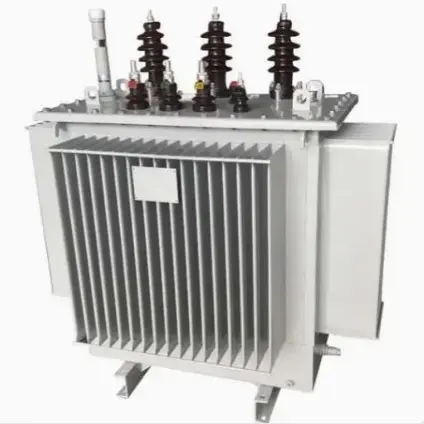 Why Must a Transformer Core Be Grounded at Only One Point? Isn't Multi-Point Grounding More Reliable?Why Does the Transformer Core Need to Be Grounded?During operation, the transformer core, along with the metal structures, parts, and components that fix the core and windings, are all situated in a strong electric field. Under the influence of this electric field, they acquire a relatively high potential with respect to ground. If the core is not grounded, a potential difference will exist between the core and the grounded clamping structures and tank, which may lead to intermittent discharge.I01/29/2026
 -
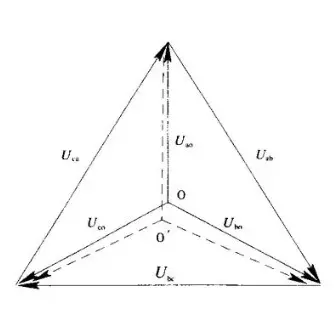 Understanding Transformer Neutral GroundingI. What is a Neutral Point?In transformers and generators, the neutral point is a specific point in the winding where the absolute voltage between this point and each external terminal is equal. In the diagram below, pointOrepresents the neutral point.II. Why Does the Neutral Point Need Grounding?The electrical connection method between the neutral point and earth in a three-phase AC power system is called theneutral grounding method. This grounding method directly affects:The safety, reliabilit01/29/2026






