• Product
  • Suppliers
  • Manufacturers
  • Solutions
  • Free tools
  • Knowledges
  • Experts
  • Communities
Search


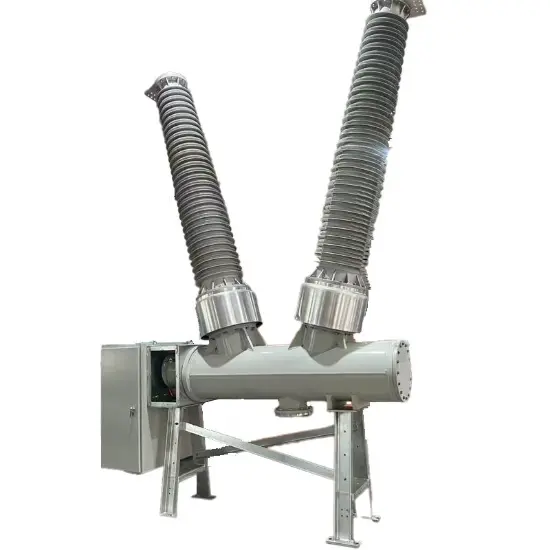
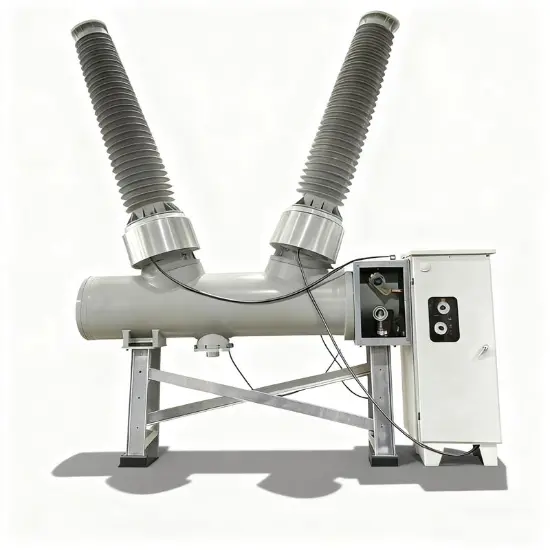
756kV 800kV 1050 kV 1100 kV 1150 kV 1200 kV dead tank SF6 circuit breaker source manufacturer

  • 756kV 800kV 1050 kV 1100 kV 1150 kV 1200 kV dead tank SF6 circuit breaker source manufacturer

Key attributes

Brand ROCKWILL
Model NO. 756kV 800kV dead tank SF6 circuit breaker source manufacturer
Rated voltage 800kV
Rated normal current 5000A
Rated frequency 50/60Hz
Series LW

Product descriptions from the supplier

Description

Description

As a pioneer and the first dedicated source factory in China's GIS tank circuit breaker sector, we have defined the initial standards for industry development with decades of technical heritage accumulated through in-depth cultivation. From core technology Research and Development to large-scale production, we have built a full-chain independent system. With our products' consistently leading performance and ultimate reliability, we have become a trusted choice in the field of power grid construction.

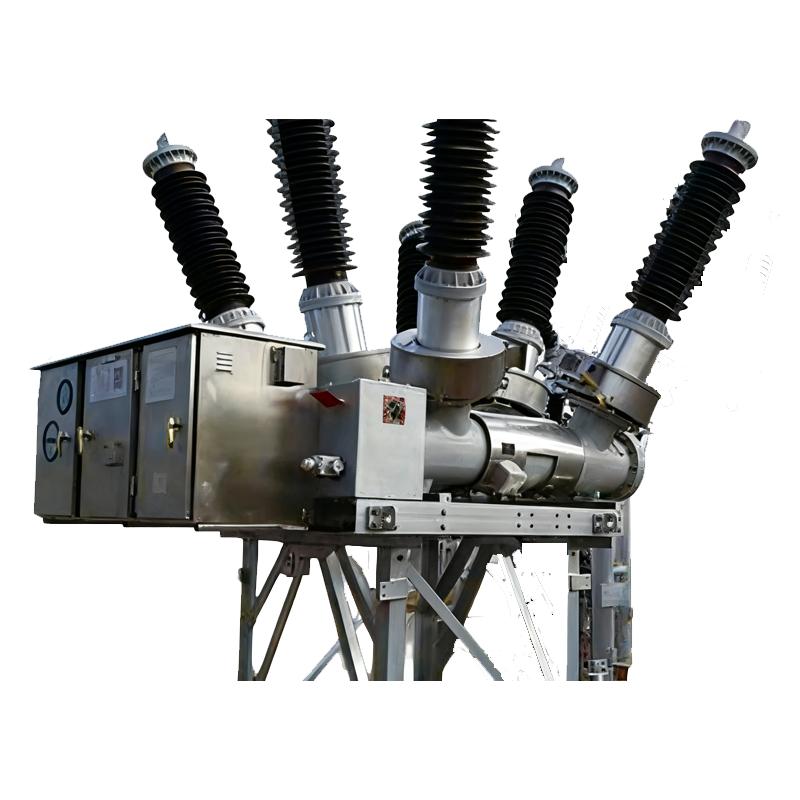
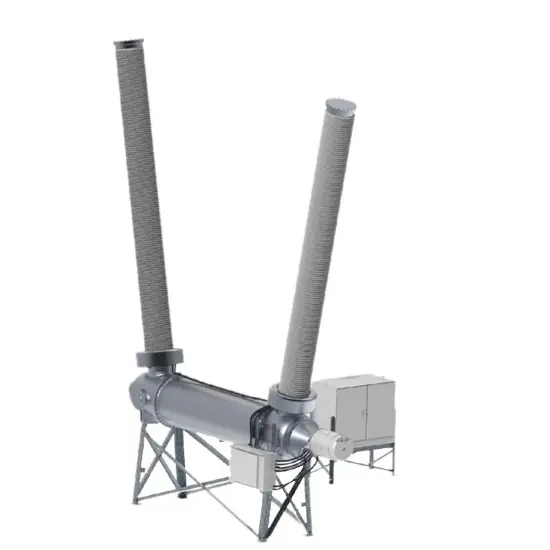
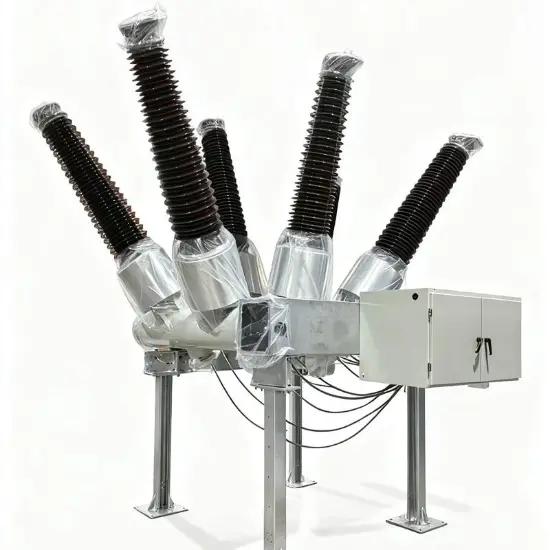
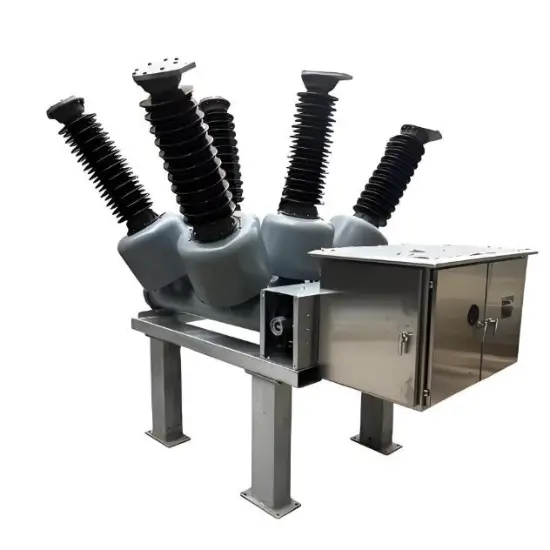
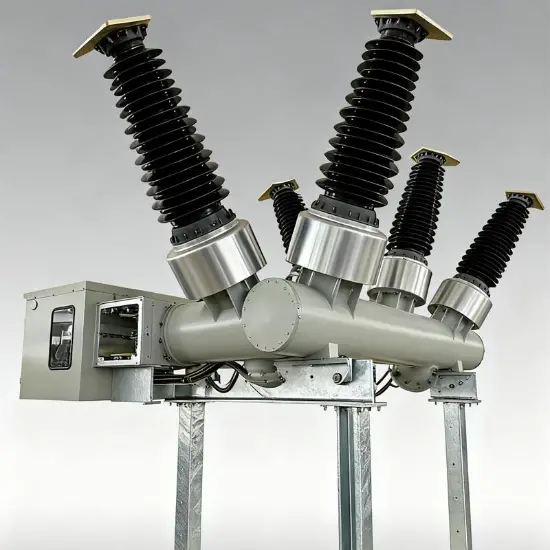
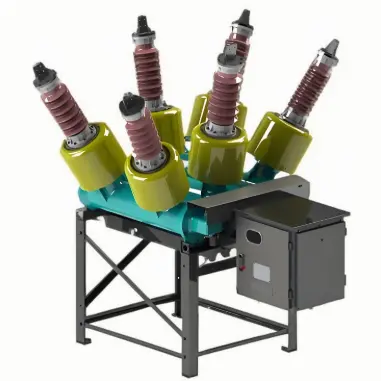
800kV Dead Tank SF6 Circuit Breaker is a high-performance ultra-high voltage device designed for critical power transmission systems. Featuring a robust dead tank structure, its live components are sealed in an SF6 gas-insulated metal casing, delivering superior arc extinction efficiency (100x faster than air) and dielectric strength (2-3x air’s at 1atm) to rapidly interrupt fault currents and ensure grid stability. The low-center-of-gravity design enhances seismic resistance, adapting to extreme climates and rugged terrains. Integrated with bushings and current transformers, it supports multi-function control for real-time measurement and protective switching. With a mechanical/electrical lifespan exceeding 30 years and a fully sealed design, maintenance frequency is minimized, cutting operational costs. Equipped with anti-misoperation interlocks and dual-insulation safeguards, it prioritizes personnel safety and system reliability. Ideal for UHV grids, power plants, and industrial applications, this breaker sets a benchmark for efficiency and durability in 800kV high-stress environments.

Main Features

  • Exceptional Arc Extinction and Insulation: Using SF6 gas as the medium, it enables rapid arc extinction and has strong insulation properties. It can quickly interrupt fault currents, ensuring stable operation under high - voltage conditions.

  • Robust Dead - tank Structure: With a dead - tank design, the live parts are sealed in a metal tank, providing resistance to vibration, dust, and moisture, and enabling adaptation to harsh environments.

  • Integrated Functional Configuration: Integrates components such as bushings and current transformers, with functions like measurement and protection, simplifying the system layout.

  • Long Service Life and Low Maintenance: Boasts long mechanical and electrical service lives. The sealed structure reduces component aging, resulting in a long maintenance cycle and low costs.

  • Multiple Safety Guarantees: Equipped with anti - misoperation interlocking devices and multiple insulation protections to ensure the safety of personnel and equipment.

Technical specifications

Among them, some SF6 tank circuit breakers cover non-standard voltage levels such as 225kV, 230kV, 245kV, 275kV, 330kV, 345kV, 400kV, 756kV, and 800kV,1050 kV 1100 kV 1150 kV 1200 kV with a rated short-circuit breaking current of 50kA or 63kA, and support customization.

Rated voltage

kV

756kV  800kV 1050 kV 1100 kV 1150 kV 1200 kV

Rated current

A

5000

Rated frequency

Hz

50/60

Rated short - circuit breaking current

kA

50kA、63kA

Rated short - time withstand current and duration

kA/s

50/3

63/2

Rated peak withstand current

kA

135

171

Rated short - circuit making current

kA

135

171

Number of breaks


2

Rated lightning impulse withstand voltage (peak value)

To ground

kA

2100

Break

2100+650

Rated switching impulse withstand voltage (peak value)

To ground

kA

1550

Break

1300+650

Rated short - time power - frequency withstand voltage (effective value)

To ground

kA

960

Break

960+460

Documentation Resource Library
Restricted
Dead Tank Circuit Breakers Catalog
Catalogue
English
Consulting
Consulting
FAQ for
Q: How to choose the voltage level of high-voltage sulfur hexafluoride circuit breaker?
A:

1. Select the circuit breaker corresponding to the voltage level based on the power grid level
The standard voltage (12/24/40.5/72.5/126/170/245/363/420/550/800/1100kV) is matched with the corresponding nominal voltage of the power grid. For example, for a 35kV power grid, a 40.5kV circuit breaker is selected. According to standards such as GB/T 1984/IEC 62271-100, the rated voltage is ensured to be ≥ the maximum operating voltage of the power grid.
2. Applicable scenarios for non-standard customized voltage
Non standard customized voltage (11/22/44/52/132/230/275/300/345/400/380/765kV) is used for special power grids, such as the renovation of old power grids and specific industrial power scenarios. Due to the lack of suitable standard voltage, manufacturers need to customize according to power grid parameters, and after customization, insulation and arc extinguishing performance must be verified.
3. The consequences of selecting the wrong voltage level
Choosing a low voltage level can cause insulation breakdown, leading to SF leakage and equipment damage; Choosing a high voltage level significantly increases costs, increases operational difficulties, and may also result in performance mismatch issues.

Q: What are the core differences between live tank circuit breakers and tank circuit breakers?
A:
  1. The core differences between porcelain column circuit breakers and tank circuit breakers—two main structural types of high-voltage circuit breakers—lie in six key aspects.
  2. Structurally, porcelain column types are supported by porcelain insulation pillars, with open-layout components like arc extinguishing chambers and operating mechanisms. Tank types use metal-sealed tanks to encapsulate and highly integrate all core parts.
  3. For insulation, the former relies on porcelain pillars, air, or composite insulating materials; the latter combines SF₆ gas (or other insulating gases) with metal tanks.
  4. Arc extinguishing chambers are mounted on the top or pillars of porcelain columns for the former, while built inside metal tanks for the latter.
  5. In application, porcelain column types suit outdoor high-voltage distribution with a dispersed layout; tank types adapt flexibly to indoor/outdoor scenarios, especially space-constrained environments.
  6. Maintenance-wise, the former’s exposed components enable targeted repairs; the latter’s sealed structure reduces overall maintenance frequency but requires full inspections for local faults.
  7. Technically, porcelain column types offer intuitive structure and strong anti-pollution flashover performance, while tank types boast excellent sealing, high SF₆ insulation strength, and superior resistance to external interference.
Q: What are the leakage rate requirements for the arc quenching chamber of a tank-type circuit breaker?
A:

The leakage rate of SF₆ gas must be controlled at an extremely low level, typically not exceeding 1% per year. SF₆ gas is a potent greenhouse gas, with a greenhouse effect 23,900 times that of carbon dioxide. If a leak occurs, it can not only cause environmental pollution but also lead to a decrease in the gas pressure within the arc quenching chamber, affecting the performance and reliability of the circuit breaker.

To monitor the leakage of SF₆ gas, gas leakage detection devices are typically installed on tank-type circuit breakers. These devices help to promptly identify any leaks so that appropriate measures can be taken to address the issue.

Q: For non-standard circuit breakers in the 800kV range such as 756kV and 790kV, how to select the tank structure (single-break / double-break)? What are the special requirements for voltage equalization measures?
A:

The double-break structure is preferred, while the single-break structure is only suitable for scenarios with voltage ≤760kV and small short-circuit current. Special requirements for voltage equalization: ① The value of the voltage equalizing capacitor should be increased by 10%-15% compared with that of standard 800kV equipment (e.g., 2000pF for 756kV equipment and 1800pF for 800kV equipment); ② Adopt a double-ring nested voltage equalizing ring, with the ring diameter increased by 5%-8% compared with that of 800kV standard equipment; ③ The break spacing should be reduced in proportion to the voltage (e.g., 8%-10% reduction for 756kV compared with 800kV) to balance insulation performance and structural dimensions.
Know your supplier
Online store
On-time delivery rate
Response time
100.0%
≤4h
Company overview
Workplace: 108000m²m² Total staff: 700+ Highest Annual Export(usD): 150000000
Workplace: 108000m²m²
Total staff: 700+
Highest Annual Export(usD): 150000000
Services
Business Type: Design/Manufacture/Sales
Main Categories: High Voltage Electrical Apparatus/Electric transformer
Whole life care manager
Whole-life care management services for equipment procurement, use, maintenance, and after-sales, ensuring safe operation of electrical equipment, continuous control, and worry-free electricity consumption.
The equipment supplier has passed platform qualification certification and technical evaluation, ensuring compliance, professionalism, and reliability from the source.

Related Products

Related Knowledges

  • Case Studies of Installation and Manufacturing Defects in 110kV HV Circuit Breaker Porcelain Insulators
    1. SF6 gas leakage occurred in the ABB LTB 72 D1 72.5 kV circuit breaker.Inspection revealed gas leakage at the fixed contact and cover plate area. This was caused by improper or careless assembly, where the dual O-rings slipped and were misplaced, resulting in gas leakage over time.2. Manufacturing Defects on the Outer Surface of 110kV Circuit Breaker Porcelain InsulatorsAlthough high-voltage circuit breakers typically have their porcelain insulators protected with covering materials during tra
    12/16/2025
  • Overview of Defect Diagnosis Methods for High-Voltage AC Circuit Breakers
    1. What are the characteristic parameters of the coil current waveform in high-voltage circuit breaker operating mechanisms? How to extract these characteristic parameters from the original trip coil current signal?Answer: The characteristic parameters of the coil current waveform in high-voltage circuit breaker operating mechanisms may include the following: Steady-state peak current: The maximum steady-state current value in the electromagnet coil waveform, representing the position where the
    12/16/2025
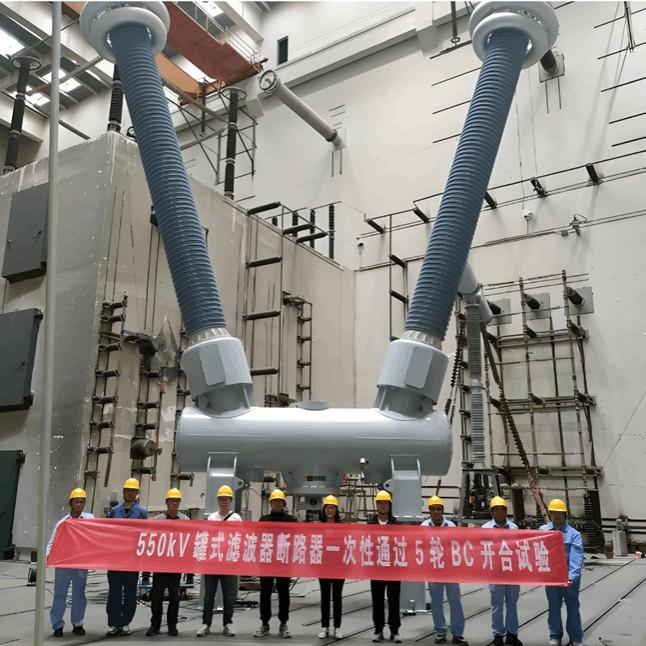
  • Chinese tank-type filter manufacturer successfully develops 550 kV tank-type filter bank circuit breaker.
    Good news has come from a Chinese tank-type filter manufacturer: its independently developed 550 kV tank-type filter bank circuit breaker has successfully passed all type tests, marking the official completion of the product’s development.In recent years, with the continuous growth of electricity demand, power grids have placed increasingly higher performance demands on electrical equipment. Keeping pace with the times, the Chinese tank-type filter manufacturer has actively responded to the nati
    11/19/2025
  • Hydraulic Leak & SF6 Gas Leakage in Circuit Breakers
    Leakage in Hydraulic Operating MechanismsFor hydraulic mechanisms, leakage can cause short-term frequent pump starting or excessively long re-pressurization time. Severe internal oil seepage in valves may lead to pressure loss failure. If hydraulic oil enters the nitrogen side of the accumulator cylinder, it can cause abnormal pressure rise, which affects the safe operation of SF6 circuit breakers.Apart from failures caused by damaged or abnormal pressure detection devices and pressure component
    10/25/2025
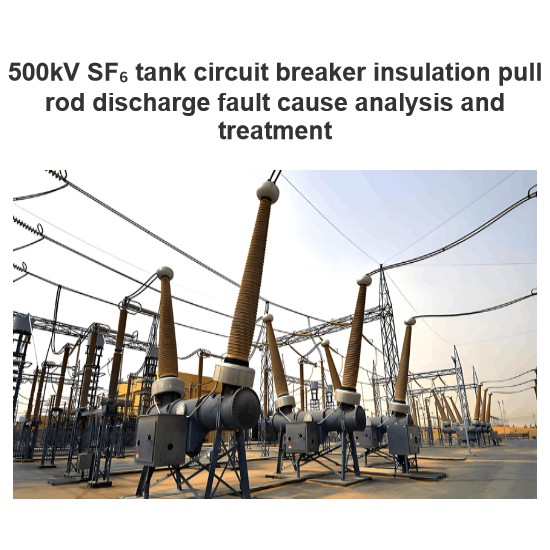
  • 500kV SF₆ tank circuit breaker insulation pull rod discharge fault cause analysis and treatment
    As a key component of circuit breakers, the insulating pull - rod is an important insulating and transmission part of Gas - Insulated Switchgear (GIS) equipment. It is required to have high reliability in terms of mechanical and electrical properties. Generally, insulating pull - rods rarely malfunction, but once a failure occurs, it can have serious consequences for the circuit breaker.The 550kV circuit breaker in a certain power station has a single - break horizontal arrangement, with the mod
    05/21/2025
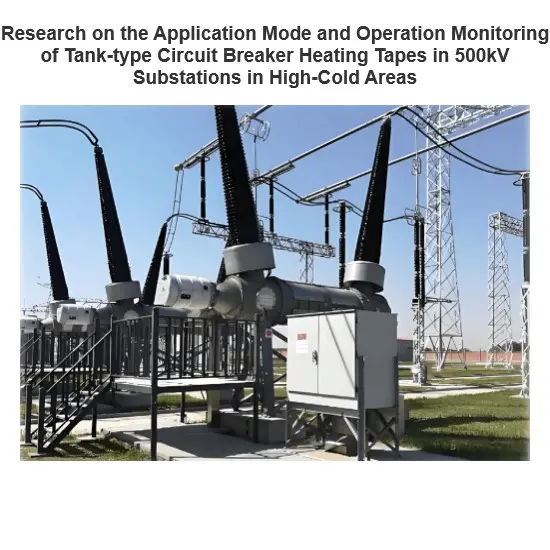
  • Research on the Application Mode and Operation Monitoring of Tank-type Circuit Breaker Heating Tapes in 500kV Substations in High-Cold Areas
    At present, most low - voltage switchgear assemblies in China mainly use SF₆ gas at a pressure of 0.5 - 0.6 MPa as the insulating medium. However, when the ambient temperature drops to around - 32.5°C, the SF₆ gas will quickly liquefy, resulting in serious problems with the insulation and interrupting capabilities of the product. To avoid affecting the operation of low - voltage switchgear assemblies in alpine regions, tracing heaters are often used to prevent the liquefaction of SF₆ gas
    05/21/2025

Related Solutions

  • Dead Tank SF6 Circuit Breaker Solution for African Plateau Regions (Ethiopia)
    Project BackgroundEthiopia, located in the East African plateau, has an average altitude exceeding 3,000 meters. In some areas, winter temperatures can drop to -30°C, accompanied by significant diurnal temperature variations (up to 25°C daily) and intense ultraviolet radiation. The local power system faces the following challenges: SF6 Gas Liquefaction Risk: Traditional Dead Tank SF6 Circuit Breakers are prone to SF6 gas liquefaction at low temperatures (critical liquefaction tem
    05/22/2025
  • South Africa Regional Dead Tank SF6 Circuit Breaker Solution Report
    Ⅰ. Project BackgroundAs the first African country adopting dead tank SF6 circuit breaker technology, South Africa's grid system faces these challenges: Aging Dead Tank SF6 Circuit Breakers: Existing high-voltage circuit breakers exhibit severe aging, particularly legacy dead tank SF6 circuit breakers with increased failure rates. Dead Tank SF6 Circuit Breaker Limitations: In high-altitude regions (>2,000m), conventional dead tank SF6 circuit breakers experience insulation degradation from low
    05/22/2025
  • Rockwill's SF6 Circuit Breaker Solution for 33kV Substations in Nigeria
    Project BackgroundNigeria’s tropical climate, characterized by year-round high temperatures (annual average of 35°C) and humidity (≥80%), poses significant challenges to the sealing integrity, insulation performance, and gas management of electrical equipment. Rockwill was contracted to upgrade a 33kV substation, deploying its proprietary HV-type SF6 circuit breaker to address critical issues: Sealing Failure Risks: Accelerated aging of seals due to heat and water ingres
    05/13/2025
Haven't found the right supplier yet? Let matching verified suppliers find you. Get Quotation Now
Haven't found the right supplier yet? Let matching verified suppliers find you.
Get Quotation Now
Send inquiry
+86
Click to upload file
Download
Get the IEE Business Application
Use the IEE-Business app to find equipment, obtain solutions, connect with experts, and participate in industry collaboration anytime, anywhere—fully supporting the development of your power projects and business.