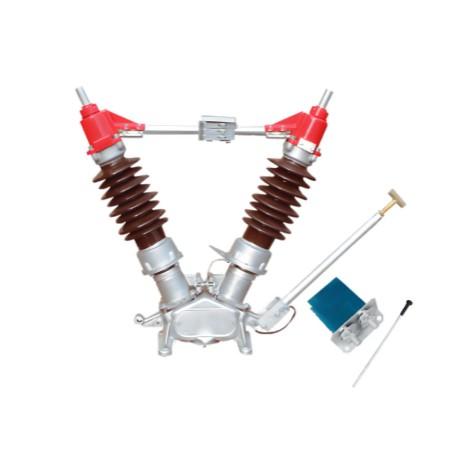
In substations with voltage levels of 110 kV and below, the GW5-type disconnector is widely used due to its simple structure, reliable contact performance, and self-cleaning contact function. Every winter, the failure rate of abnormal heating in GW5-type disconnectors shows an upward trend. Therefore, improving winter maintenance practices for GW5-type disconnectors (hereinafter referred to as “disconnectors”) and promptly detecting and addressing overheating faults are of critical importance to
11/12/2025
Consult
Tip
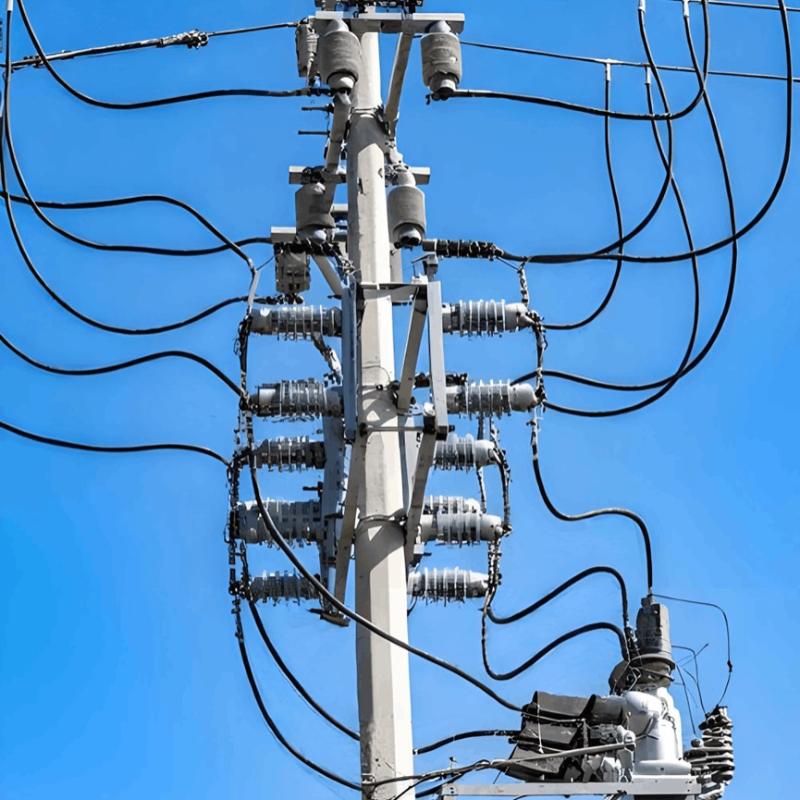
High-voltage disconnectors, also known as isolator switches or knife switches, feature a simple working principle and convenient operation. As commonly used high-voltage switching equipment, they significantly impact the operational safety of substations, demanding stringent reliability in practical applications. The remote online defect-elimination system for high-voltage disconnector contacts offers advantages such as ease of operation, low operating costs, and high stability, making it well-s
11/11/2025
Consult
Tip
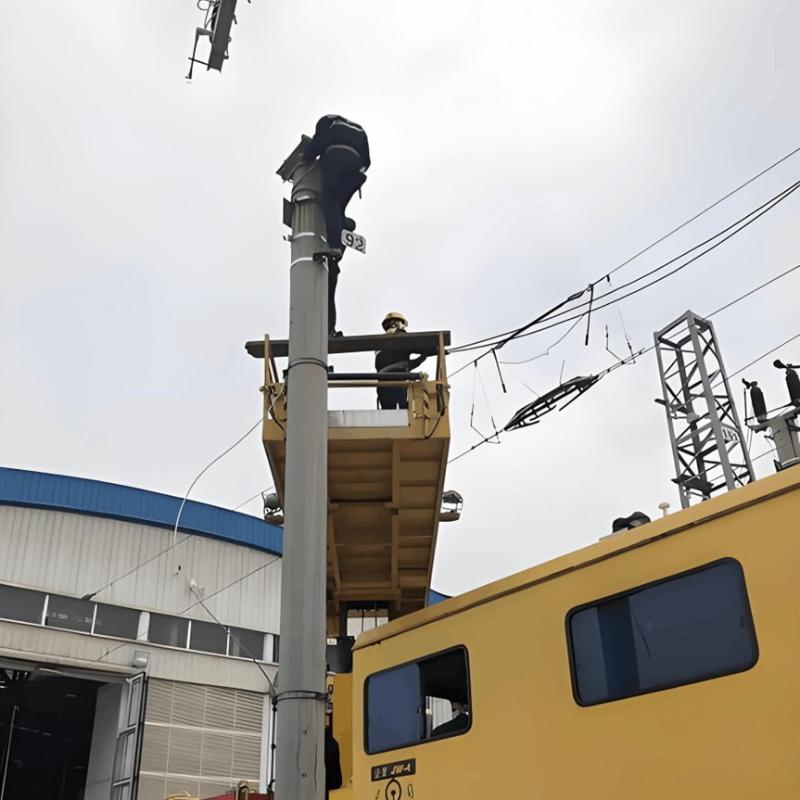
Traditional switches have become increasingly inadequate for the operational demands of modern traction power supply systems. The emergence of high-voltage disconnectors has effectively filled this gap. High-voltage disconnector systems optimize the structure of conventional switches, broaden their applicability, and place greater emphasis on fine details, thereby enhancing the safety and reliability of power systems during actual operation. Therefore, it is essential to analyze and study the ap
11/11/2025
Consult
Tip
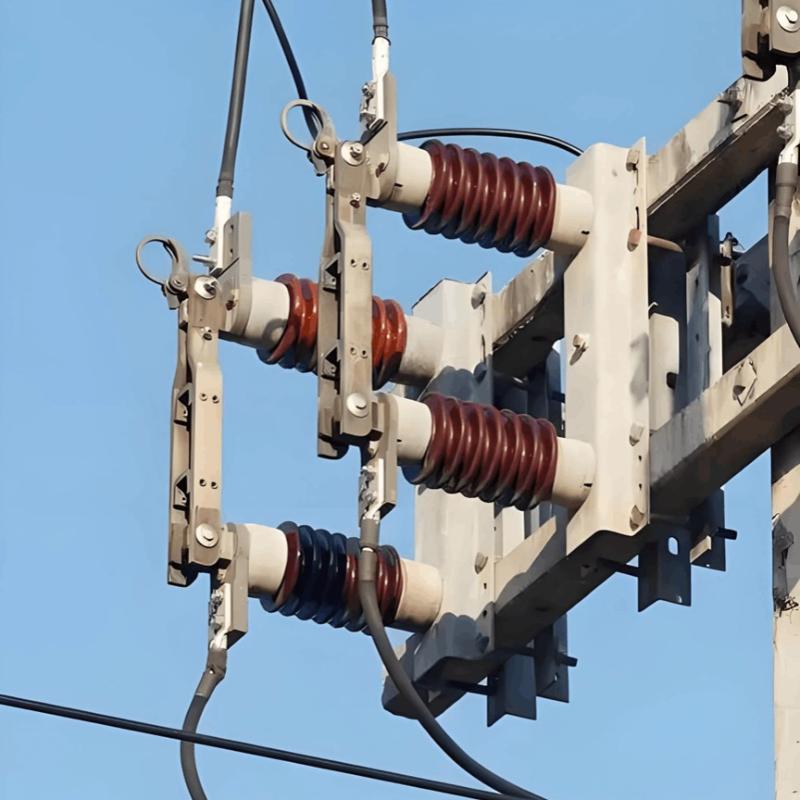
According to relevant regulations, high-voltage disconnectors are permitted to perform the following operations: Switching (opening/closing) normally operating potential transformers (PTs) and surge arresters; Switching the neutral grounding disconnector of a main transformer under normal operating conditions; Switching small-current loops to balance circulating currents.A high-voltage disconnector is an electrical component without arc-quenching capability. Therefore, it may only be operated wh
11/11/2025
Consult
Tip
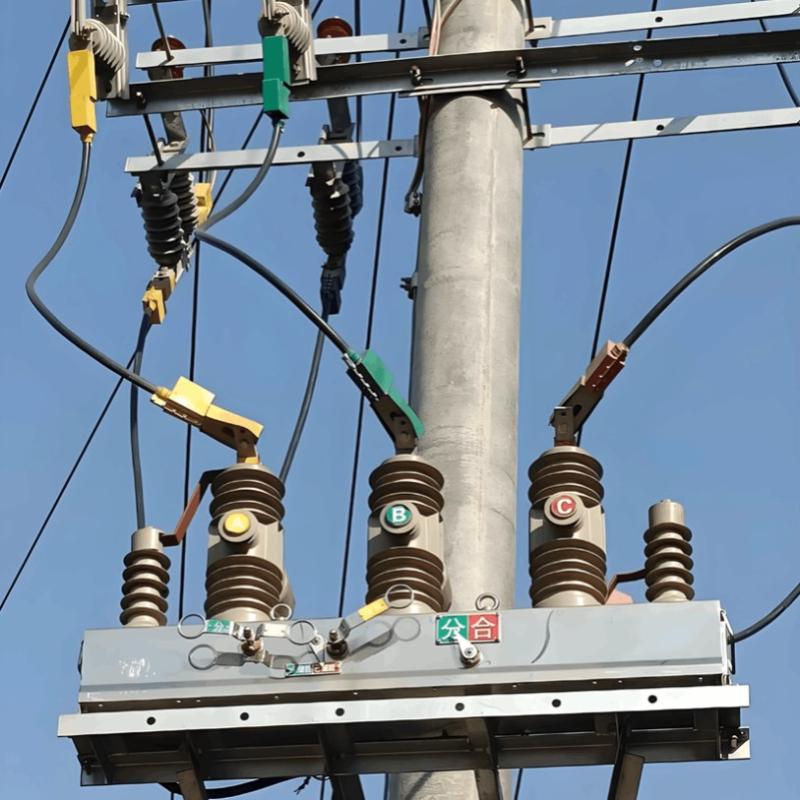
In the context of high-speed operation of power systems, the opening and closing mechanism of high-voltage disconnectors in substations faces challenges such as complex operational procedures, large workloads, and low operational efficiency. With the advancement of image recognition technologies and sensor innovations, modern intelligent substations now demand higher technical standards for monitoring the open/close positions of high-voltage disconnectors during infrastructure development.The in
11/11/2025
Consult
Tip

The operational status of high-voltage disconnectors directly impacts the safety and stability of power grids. Currently, the operation and maintenance (O&M) of high-voltage disconnectors face numerous challenges—traditional O&M methods are inefficient, slow to respond, and struggle to accurately predict faults. Against this backdrop, developing a remote monitoring and fault early-warning system for high-voltage disconnectors is of great significance.1. Overall Design of the Remote Monit
11/11/2025
Consult
Tip
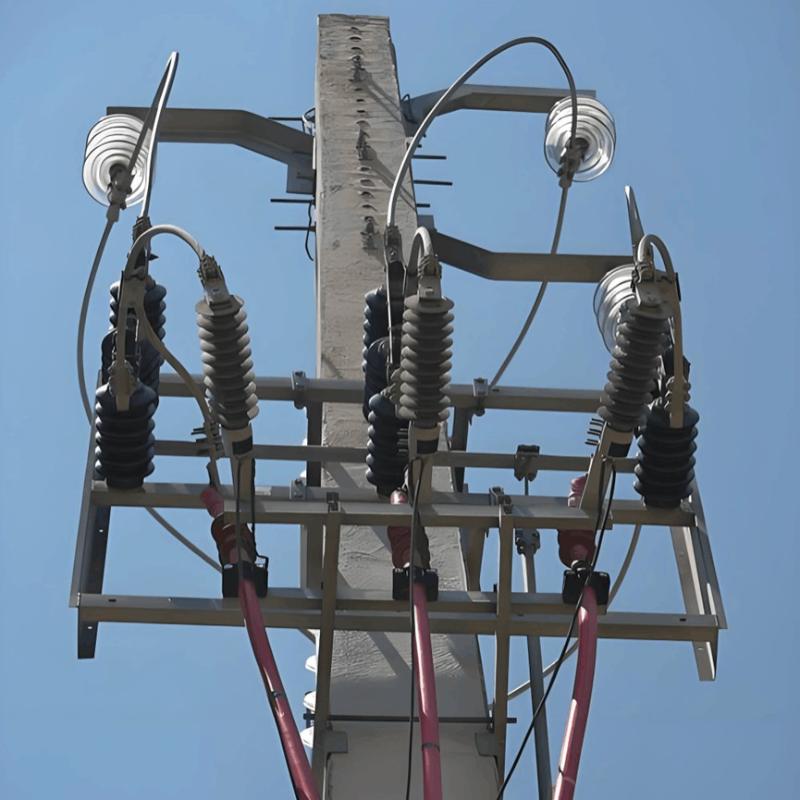
High-voltage disconnectors are critical protective devices in industrial electrical systems. Typically installed both indoors and outdoors at worksites, these disconnectors are prone to corrosion from multiple factors during long-term operation. This paper analyzes corrosion protection technologies for high-voltage disconnectors based on natural environmental conditions, internal structural design, and protective coating strategies, aiming to support the stable and reliable operation of relevant
11/11/2025
Consult
Tip
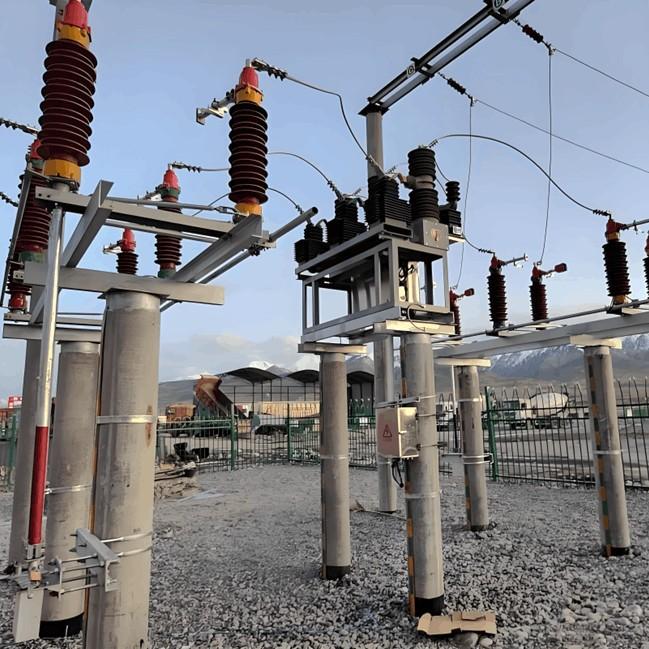
35kV Outdoor Wind-Resistant High-Voltage Disconnector— Suitable for wind farms, overhead line pole-mounted applications, and substation installations.Model series: GW5-40.5 outdoor high-voltage disconnector (hereinafter referred to as “disconnector”).This disconnector is designed for use in 50Hz, 35kV power systems to open or close circuits under no-load voltage conditions. The pollution-resistant variant meets the requirements of users in heavily polluted areas and effectively mitigates polluti
11/11/2025
Consult
Tip
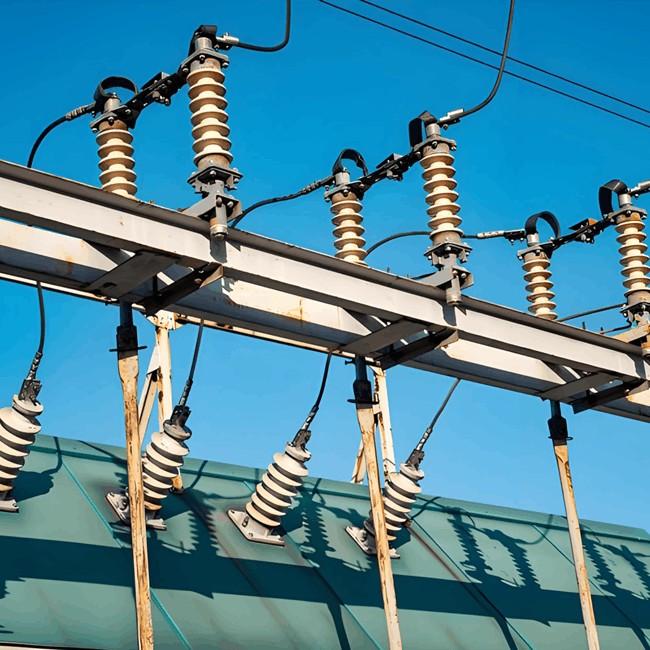
Interlocking the disconnector (isolator) control wiring with its associated circuit breaker can effectively prevent the inadvertent opening or closing of the disconnector under load. However, during operations involving bus-side and line-side disconnectors, human error may lead to an incorrect sequence of operations—an action strictly prohibited by switching principles and a known cause of power system accidents.To prevent such sequence errors, for substations and power plants that do not employ
11/11/2025
Consult
Tip
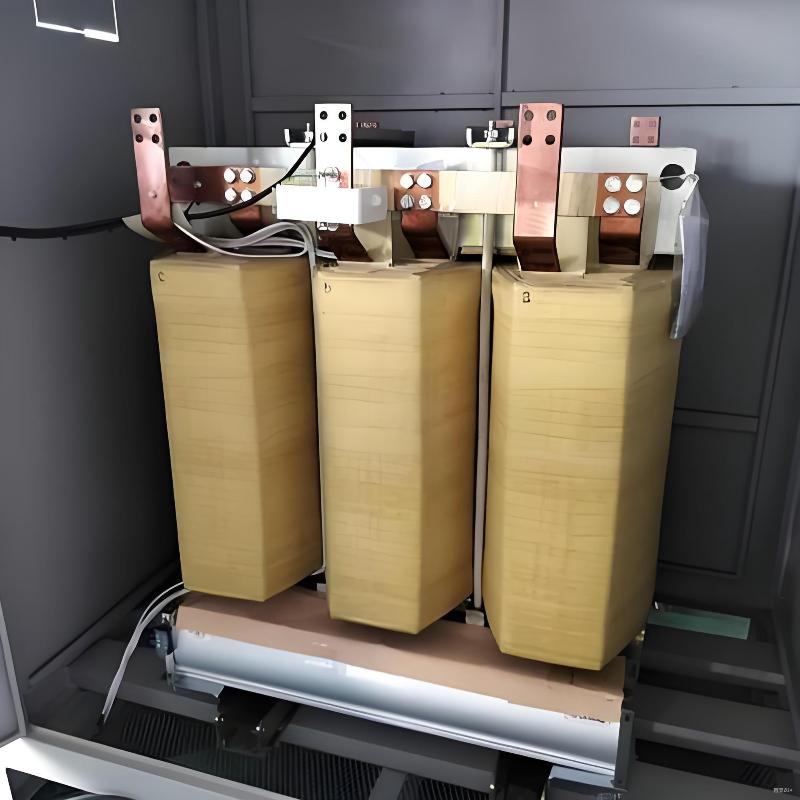
In solid-state transformers (SSTs), the DC-link capacitor is an indispensable key component. Its primary functions are to provide stable voltage support for the DC link, absorb high-frequency ripple currents, and serve as an energy buffer. Its design principles and lifetime management directly impact the overall system efficiency and reliability. Aspect Core Considerations and Key Technologies Role and Necessity Stabilize DC link voltage, suppress voltage fluctuations, and provide
11/11/2025
Consult
Tip






