• Product
  • Suppliers
  • Manufacturers
  • Solutions
  • Free tools
  • Knowledges
  • Experts
  • Communities
Search


Free Expert Guides on Power Systems, Circuit Design & Electrical Troubleshooting

Access free engineering resources from IEE Business—covering power design, circuit layout, equipment selection, and troubleshooting. Expert-developed guides help engineers, procurement, and project teams make better decisions. Stay ahead on smart grids, renewables, efficiency, and AI tools. Improve reliability, reduce downtime, and enhance outcomes with real-world solutions. Explore our knowledge hub today.
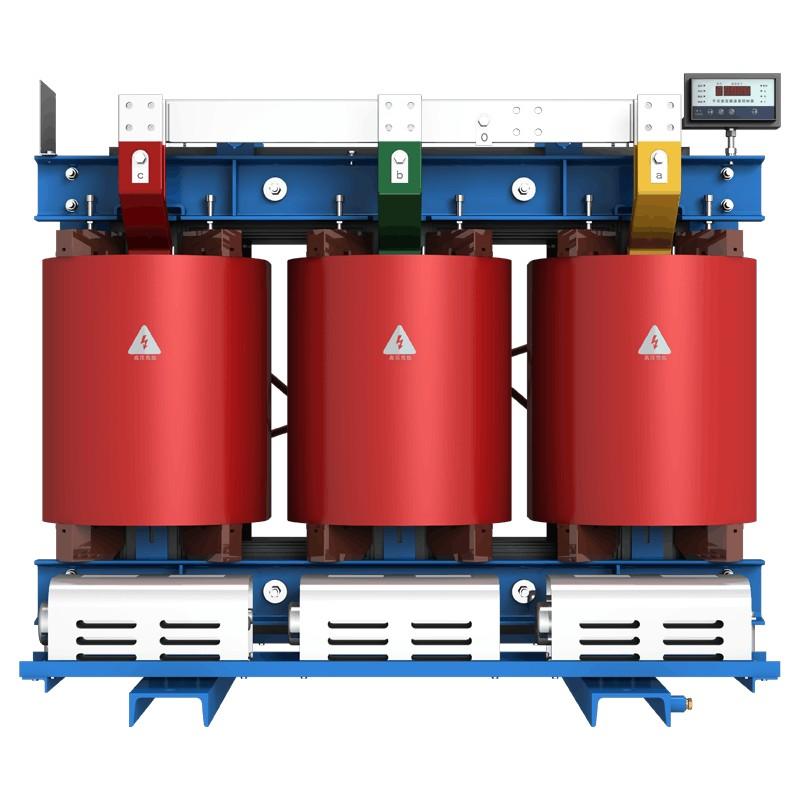
The Rise of Epoxy Dry Transformers in Modern Grids
The world's first transformer was developed in 1876. It featured a very simple design and used air as its insulation medium. In 1885, engineers in Hungary successfully built the first modern transformer with a closed magnetic circuit and air insulation, marking the beginning of rapid development and widespread application of transformers. Since then, the transformer industry has continuously advanced toward higher voltages and greater capacities.In 1912, the oil-immersed transformer was invented
11/22/2025
Consult
Tip
Consult
Tip
First Fully Unmanned GIS Inspection at ±800kV UHV Station
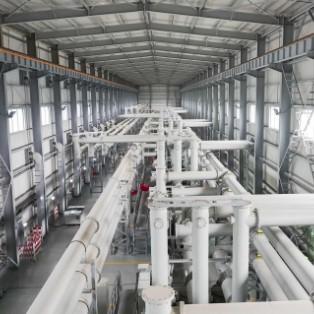
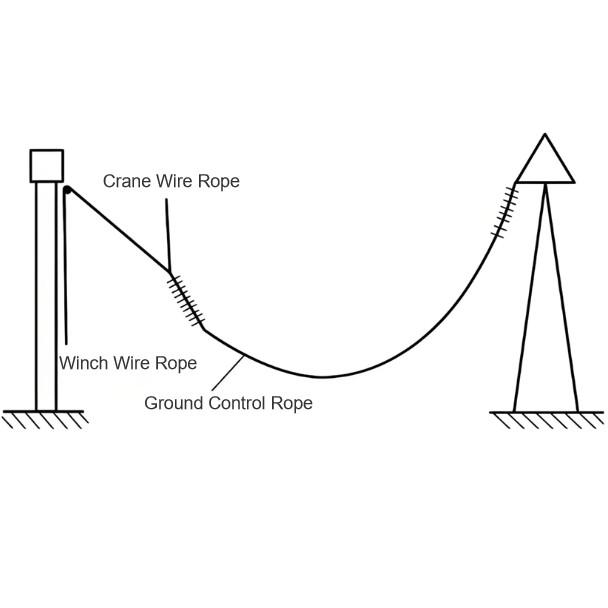
On October 16, a ±800 kV ultra-high-voltage (UHV) transmission project completed all its maintenance tasks and was fully re-energized. During this period, a regional power company successfully conducted the first-ever fully unmanned inspection of the GIS (Gas-Insulated Switchgear) room at a UHV converter station within this power system.As a key component of China’s “West-to-East Power Transmission” strategy, the ±800 kV UHV project has been in operation since 2016 and has delivered nearly 400 b
11/21/2025
Consult
Tip
Consult
Tip
Latest Development Trends of SF6 Alternative Gas-Based High-Voltage Circuit Breakers
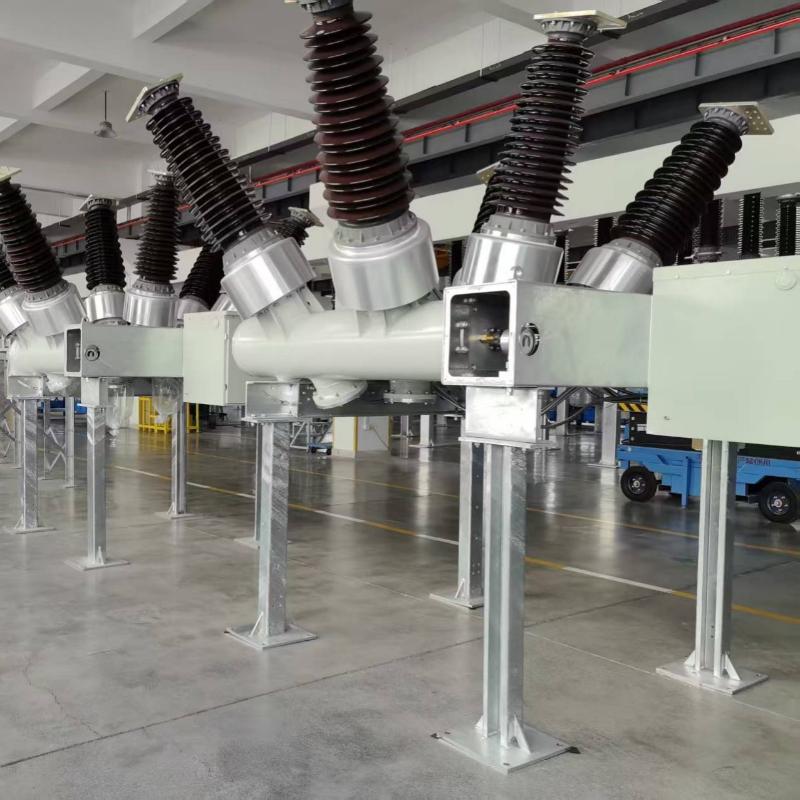
1. IntroductionSF₆ is widely used in electric power transmission and distribution systems, such as gas-insulated switchgear (GIS), circuit breakers (CB), and medium-voltage (MV) load switches. It possesses unique electrical insulation and arc-quenching capabilities. However, SF₆ is also a potent greenhouse gas, with a global warming potential of approximately 23,500 over a 100-year time horizon, and therefore its use is regulated and subject to ongoing discussions regarding restrictions. Consequ
11/21/2025
Consult
Tip
Consult
Tip
The Countdown to SF₆ Phase-Out: Who Will Power the Grid of the Future?
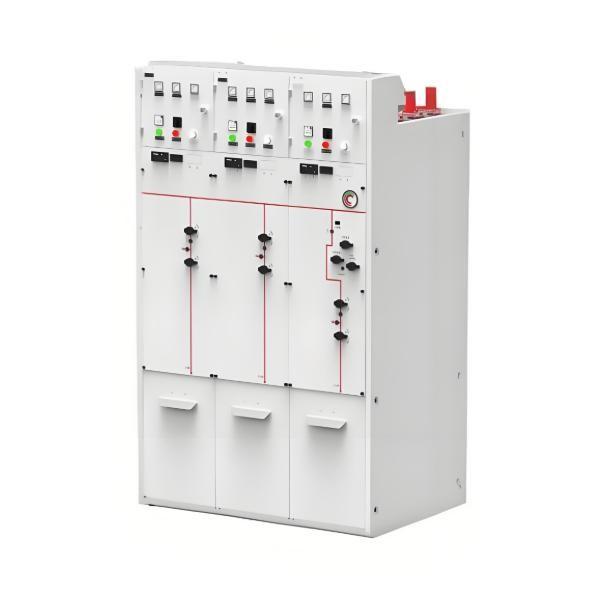
1.IntroductionIn response to climate change, extensive research and development efforts have been undertaken globally to develop various types of SF₆-free gas-insulated switchgear as alternatives to conventional SF₆-based equipment. On the other hand, SF₆-free gas-insulated switchgear has been in service since the late 1960s. By integrally molding live components of the switchgear using solid insulation materials—such as epoxy resin—with dielectric strength significantly higher than that of SF₆,
11/21/2025
Consult
Tip
Consult
Tip
Application of Condition Monitoring Technology in UHV Transmission Lines
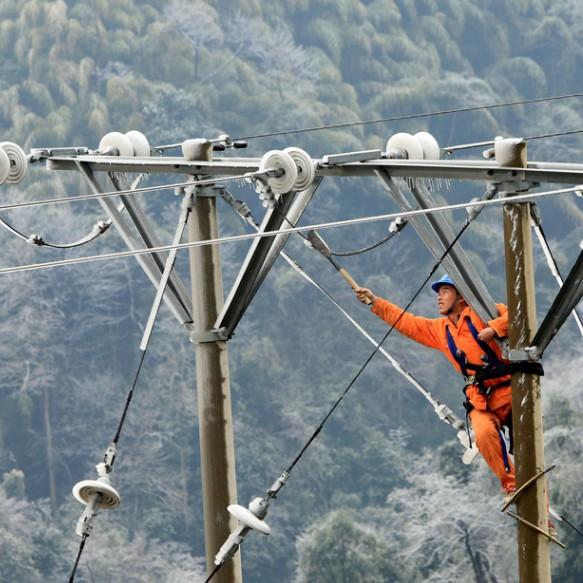
1. Application of Condition Monitoring Technology in UHV Transmission LinesAt present, the main characteristics of UHV (Ultra-High Voltage) transmission line condition monitoring technology in China are reflected in the following aspects: Comprehensiveness: In general, during the implementation of monitoring technology, supporting facilities and integrated systems are required to ensure effective monitoring performance; High value: UHV transmission line condition monitoring technology is a criti
11/20/2025
Consult
Tip
Consult
Tip
Analysis of Inter-Bay Jumper Installation Construction Techniques for UHV Substations
UHV (Ultra-High Voltage) substations are a critical component of power systems. To meet the fundamental requirements of power systems, the associated transmission lines must remain in good operational condition. During the operation of UHV substations, it is essential to properly implement the inter-bay jumper installation and construction techniques between structural frames to ensure rational interconnection among the frames, thereby fulfilling the basic operational needs of UHV substations an
11/20/2025
Consult
Tip
Consult
Tip
The
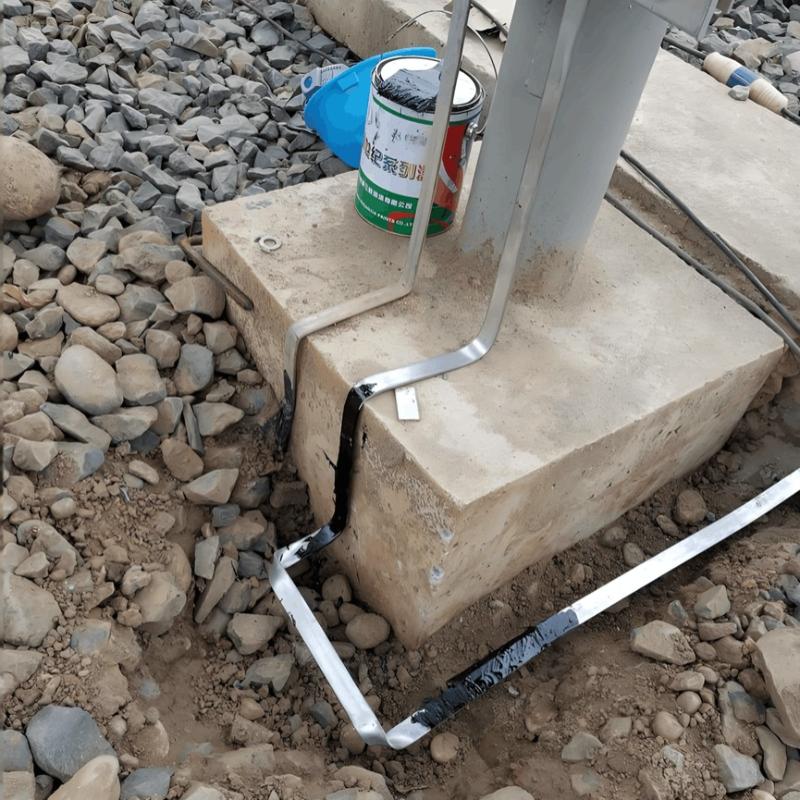
1.Basic Concept of “Single-Point Grounding”Single-point grounding refers to a configuration in which the main system host is connected to earth at one single point, while all remote devices—including cameras and other equipment—must remain electrically insulated from earth. Specifically, “single-point grounding” means that for any “system” where components are directly electrically connected, the central aggregation point (i.e., the main system host or subsystem host) must be grounded at one poi
11/20/2025
Consult
Tip
Consult
Tip
126(145)kV Vacuum Circuit Breaker Installation & Adjustment Guide
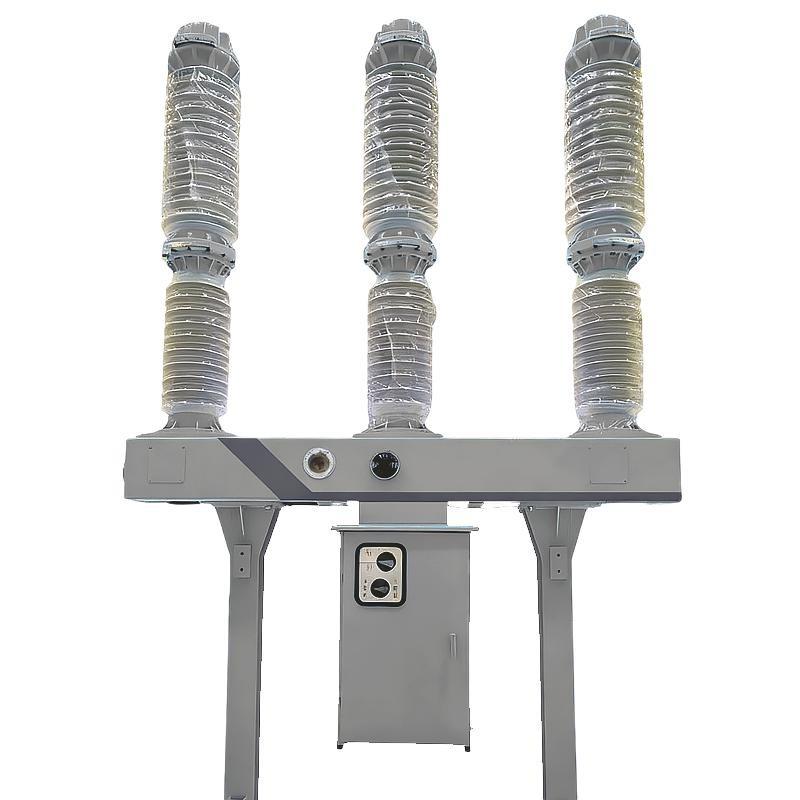
High-voltage vacuum circuit breakers, owing to their excellent arc-quenching characteristics, suitability for frequent operation, and long maintenance-free intervals, have been widely applied in China’s power industry—particularly in urban and rural power grid upgrades, as well as in chemical, metallurgical, railway electrification, and mining sectors—and have received widespread acclaim from users.The primary advantage of vacuum circuit breakers lies in the vacuum interrupter. However, the char
11/20/2025
Consult
Tip
Consult
Tip
What Is a Substation Bay? Types & Functions
A substation bay refers to a complete and independently operable assembly of electrical equipment within a substation. It can be regarded as a fundamental unit of the substation’s electrical system, typically comprising circuit breakers, disconnectors (isolators), earthing switches, instrumentation, protective relays, and other associated devices.The primary function of a substation bay is to receive electrical power from the power system into the substation and then deliver it to the required d
11/20/2025
Consult
Tip
Consult
Tip
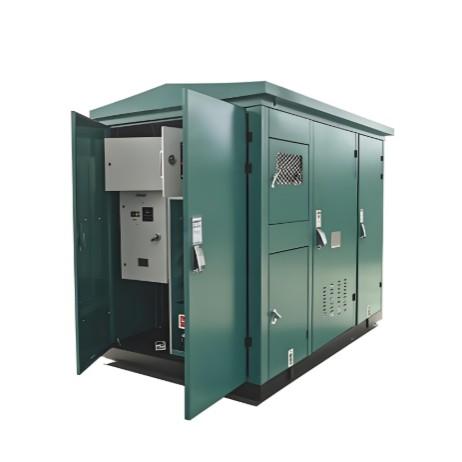
What is the difference between a pad-mounted substation and a traction substation?
Pad-Mounted Substation (Box-Type Substation)Definition:A pad-mounted substation, also known as a prefabricated substation or pre-assembled substation, is a compact, factory-assembled power distribution unit that integrates high-voltage switchgear, a distribution transformer, and low-voltage distribution equipment according to a specific wiring scheme. It combines functions such as voltage step-down and low-voltage power distribution into a single unit housed in a fully enclosed, movable steel en
11/20/2025
Consult
Tip
Consult
Tip
Send inquiry
+86
Click to upload file
Download
Get the IEE Business Application
Use the IEE-Business app to find equipment, obtain solutions, connect with experts, and participate in industry collaboration anytime, anywhere—fully supporting the development of your power projects and business.