Sa modernong engineering ng kuryente, ang mga distribution cabinet at distribution boxes ay nagsisilbing "nerve centers" para sa pag-distribute at pag-control ng kuryente. Ang kalidad ng disenyo nito ay direktang nagpapasya sa seguridad, reliabilidad, at cost-effectiveness ng buong sistema ng power supply. Dahil sa mas komplikadong pangangailangan ng kuryente at lumalaking antas ng intelligence, ang disenyo ng mga distribution equipment ay lumago mula sa simpleng "pag-housing ng mga electrical components" patungo sa isang comprehensive na systems engineering task na naglalaman ng structural mechanics, electromagnetic compatibility, thermal management, human-machine interaction, at intelligent control. Ang artikulong ito ay sasagotin ang mga optimization design strategies para sa high-voltage/low-voltage distribution cabinets at distribution boxes mula sa perspektibo ng disenyo.
I. High-Voltage/Low-Voltage Distribution Cabinets: Optimization of System-Level Design
Ang mga high-voltage/low-voltage distribution cabinets ay ang core equipment sa mga distribution rooms. Ang disenyo nito ay kailangang makamit ang optimal na balanse sa pagitan ng reliabilidad, praktikalidad, at ekonomiya.
Structural Design: Modularity and Maintainability
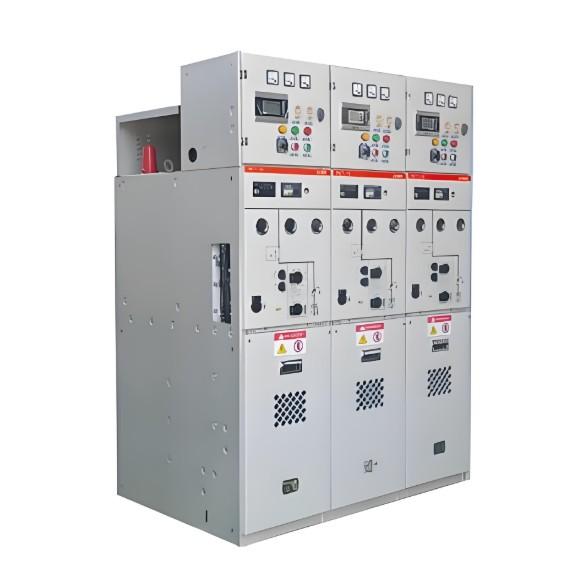
Drawer-Type/Withdrawable (e.g., KYN28) Design: Ito ang kasalukuyang mainstream na high-reliability design. Sa pamamagitan ng pag-mount ng mga key components tulad ng circuit breakers sa withdrawable "drawers" o "trucks," ito ay nagbibigay ng ligtas na "maintenance under de-energized conditions." Ang disenyo ay kailangang tiyak na isaalang-alang ang track at floor levelness upang matiyak ang smooth movement ng truck. Ang vibration damping ay natutugunan sa pamamagitan ng pag-lay ng insulating rubber mats, na nagpapakita ng coordination sa pagitan ng structural design at civil construction.
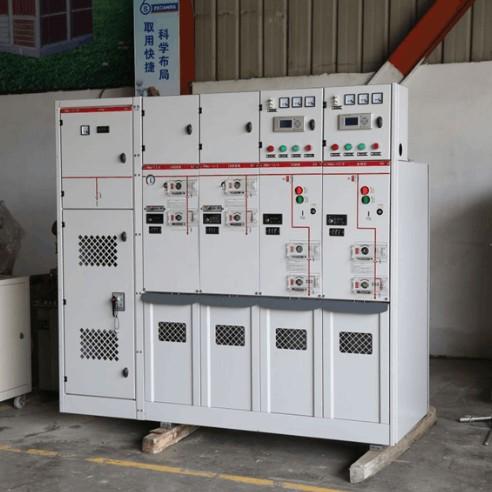
Spatial Layout and Compartmentalization: Ang mga cabinet tulad ng KYN28 ay gumagamit ng metal partitions upang bahaging ang cabinet sa separate compartments (e.g., cable chamber, truck chamber, busbar chamber, instrument compartment), na nag-aabot ng functional zoning at electrical isolation, na nakakaprevent ng fault propagation. Ang layout ay kailangang tiyak na disenyo batay sa component dimensions, heat dissipation requirements, at electrical safety clearances.
Low-Voltage Drawer-Type Design (e.g., GCS, MNS): Ang mga low-voltage cabinet na ito ay gumagamit ng drawer units, na nagpapataas ng maintenance efficiency. Ang disenyo ay kailangang isaalang-alang ang mechanical interlocking ng drawers, ang lakas ng rails, at ang reliabilidad ng connectors upang matiyak ang stable electrical connections maliban sa madalas na plugging/unplugging.
Component Selection and Protection Function Design
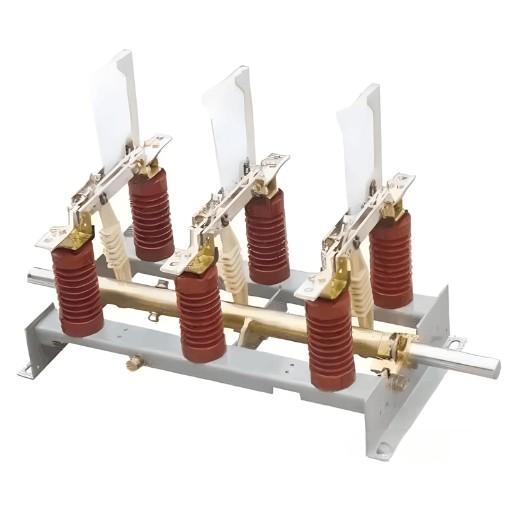
Protection Strategy: Ang core ng disenyo ay nasa pag-configure ng protection functions. Ang mga fuse ay may mababang gastos pero tama lamang para sa short-circuit protection at kailangan ng replacement. Ang vacuum circuit breakers o SF6 circuit breakers, naman, ay nagbibigay ng comprehensive overload at short-circuit protection at reusable, kaya sila ang pinili para sa complex loads. Ang pagpili ng mga protection components ay dapat batay sa load characteristics (e.g., motors, lighting, electronic equipment).
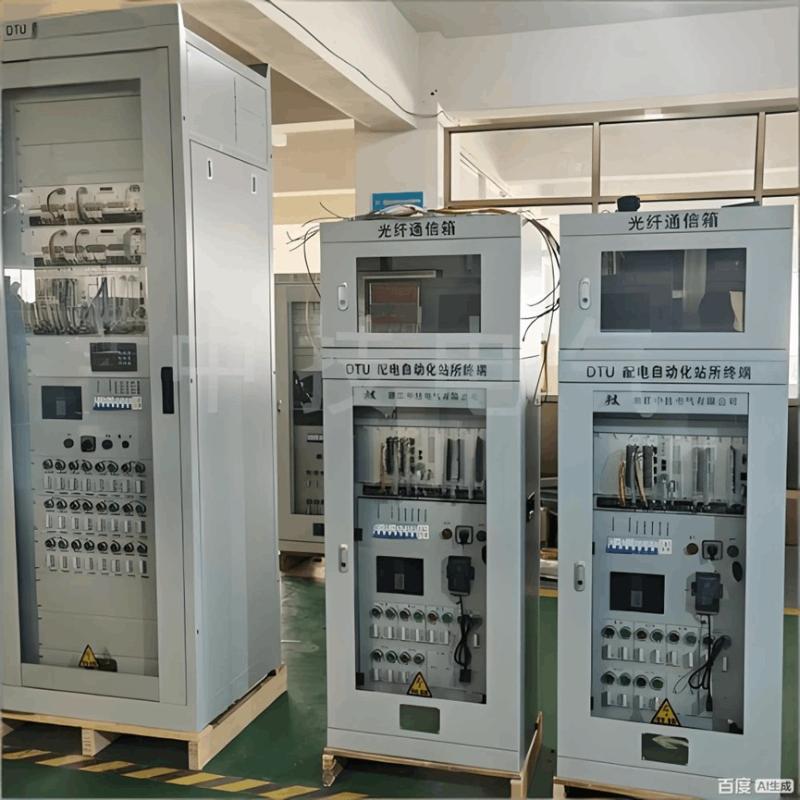
Intelligent Integration: Ang traditional relay-based protection systems ay mahirap at may mataas na failure rates. Ang modernong trend sa disenyo ay ang integration ng intelligent multifunctional protection relays. Ang mga device na ito ay nag-combine ng measurement, protection, control, at communication functions sa isang unit, na nag-simplify ng secondary circuits, nagpapataas ng system reliability, at nagbibigay ng interfaces para sa future connection sa Energy Management Systems (EMS) o Building Automation Systems (BAS).
Economic and Practical Design
Domestic vs. Imported Trade-off: Ang domestic cabinets (e.g., GCS) ay nag-ooffer ng moderate prices at convenient after-sales service ngunit madalas may mas malaking physical footprint. Ang imported cabinets (e.g., ABB's MNS) ay may advanced technology at compact size ngunit may mas mataas na costs at potentially longer repair cycles. Ang mga designer ay kailangang gumawa ng comprehensive choice batay sa project budget, distribution room space, at maintenance capabilities.
Parametric Design: Ang precise calculation ng main busbar's maximum rated current at short-time withstand current ay essential. Batay sa mga calculations na ito, ang appropriate busbar specifications at ang cabinet's Ingress Protection (IP) rating ay kailangang piliin upang matiyak ang safe operation kahit sa peak load conditions.
II. Distribution Boxes: Design Focused on Detail and Innovation
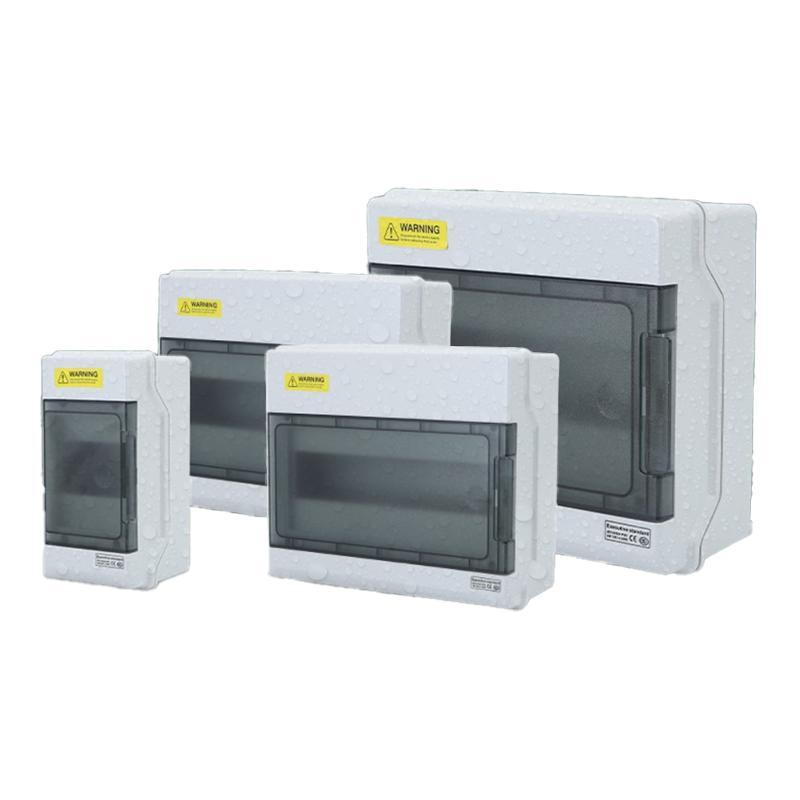
Bilang mga endpoint ng power distribution, ang distribution box design ay mas nakatuon sa installation convenience, environmental adaptability, at user experience.
Installation Method Design
Surface-Mounting vs. Flush-Mounting: Ang surface-mounted distribution box design (e.g., using angle steel brackets o metal expansion bolts) ay kailangang isaalang-alang ang wall load-bearing capacity at precise positioning ng fixing points. Ang flush-mounted distribution boxes naman ay kailangang mag-coordinate ng maigi sa civil construction upang matiyak ang accurate dimensions at levels ng pre-formed openings, at upang i-prevent ang contamination ng box sa subsequent plastering, na nagdudulot ng highly accurate design drawings.
Structural and Material Innovation Design
Patent Design Example:
Strength and Stability: Ang pag-add ng raised ribs sa inner side ng door at corresponding grooves sa door frame ay nag-creating ng "mortise-and-tenon" like structure kapag sarado, na nagpapataas ng door stiffness at overall stability, na nagreresolve ng common issue ng deformation sa traditional sheet metal doors.
Noise Reduction Design: Ang inner walls ay naglalaman ng aluminum foam layer na may round holes. Ang aluminum foam ay isang lightweight, porous material na ang internal micropores ay nag-convert ng sound waves sa heat, na effectively absorbing at eliminating operational noise, na nag-creating ng quieter environment.
Energy Efficiency and Precise Control: Ang internal integration ng filter compensation circuits (harmonic filtering + power factor correction) ay hindi lamang nag-eliminate ng grid harmonics kundi nag-improve rin ng power factor, na directly reducing line losses. Samantalang, ang independent current at voltage detection circuits ay nagbibigay ng precise energy consumption data para sa system, na nag-facilitate ng subsequent energy efficiency analysis at optimization.
Safety and Maintenance Design
Insulation and Testing: Ang disenyo ay kailangang mag-include ng insulation testing procedure. Pagkatapos ng installation, ang 500V megger (insulation resistance tester) ay kailangang gamitin upang i-test ang insulation resistance between phases, phase-to-earth, phase-to-neutral, etc., upang matiyak na ito ay sumasapat sa standards. Ito ang fundamental para sa assurance ng personnel at equipment safety.
Heat Dissipation Design: Ang louvers ay in-incorporate sa back panel para sa heat dissipation, ngunit ito ay kailangang mag-coordinate sa noise reduction design. Ang patent design na ito ay effectively utilizing efficient aluminum foam sound absorption, na nag-allow ng ventilation openings nang hindi nag-cause ng significant noise leakage, na cleverly resolving ang conflict sa pagitan ng heat dissipation at noise reduction.