Στη σύγχρονη ηλεκτρολόγη μηχανική, τα κουτιά κατανομής και τα κουτιά διανομής λειτουργούν ως τα «νευραλγικά κέντρα» για την κατανομή και τον έλεγχο ενέργειας. Η ποιότητα της σχεδίασής τους αποφασίζει άμεσα την ασφάλεια, την αξιοπιστία και την οικονομική αποδοτικότητα του συνόλου του συστήματος εφοδιασμού. Με την αυξανόμενη πολυπλοκότητα των απαιτήσεων ενέργειας και την αύξηση της νοημονικής επιπέδωσης, η σχεδίαση των εξοπλισμών διανομής έχει εξελιχθεί από την απλή «κατοικία ηλεκτρικών συστατικών» σε ένα συνολικό έργο συστημικής μηχανικής που ενσωματώνει δομική μηχανική, εlettromagnetic compatibility, thermic management, human-machine interaction, and intelligent control. This article will explore optimization design strategies for high-voltage/low-voltage distribution cabinets and distribution boxes from a design perspective.
I. High-Voltage/Low-Voltage Distribution Cabinets: Optimization of System-Level Design
Τα κουτιά κατανομής υψηλής/χαμηλής τάσης είναι το βασικό εξοπλισμό στις διανεμητικές αίθουσες. Η σχεδίασή τους πρέπει να επιτευχθεί ένας βέλτιστος συμβιβασμός μεταξύ αξιοπιστίας, πρακτικότητας και οικονομικής αποδοτικότητας.
Structural Design: Modularity and Maintainability
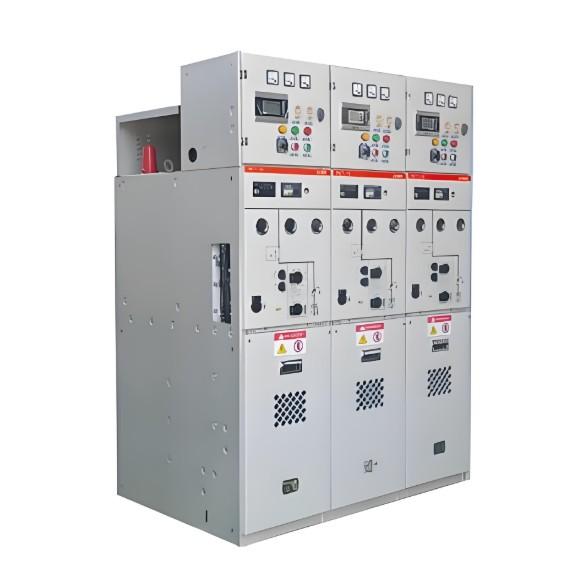
Design with Drawers/Removable (e.g., KYN28): This is currently the mainstream high-reliability design. By mounting key components like circuit breakers on removable "drawers" or "trucks," it enables safe "maintenance under de-energized conditions." The design must precisely consider track and floor levelness to ensure smooth movement of the truck. Vibration damping is achieved by laying insulating rubber mats, reflecting the coordination between structural design and civil construction.
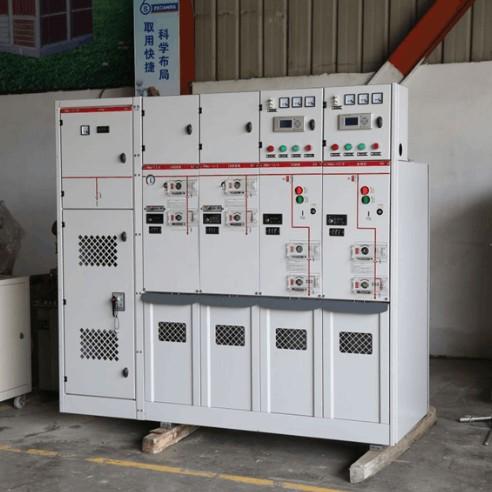
Spatial Layout and Compartmentalization: Cabinets like the KYN28 use metal partitions to divide the cabinet into separate compartments (e.g., cable chamber, truck chamber, busbar chamber, instrument compartment), achieving functional zoning and electrical isolation, which effectively prevents fault propagation. The layout must be precisely designed based on component dimensions, heat dissipation requirements, and electrical safety clearances.
Low-Voltage Drawer-Type Design (e.g., GCS, MNS): These low-voltage cabinets utilize drawer units, significantly improving maintenance efficiency. The design must consider the mechanical interlocking of drawers, the strength of rails, and the reliability of connectors to ensure stable electrical connections despite frequent plugging/unplugging.
Component Selection and Protection Function Design
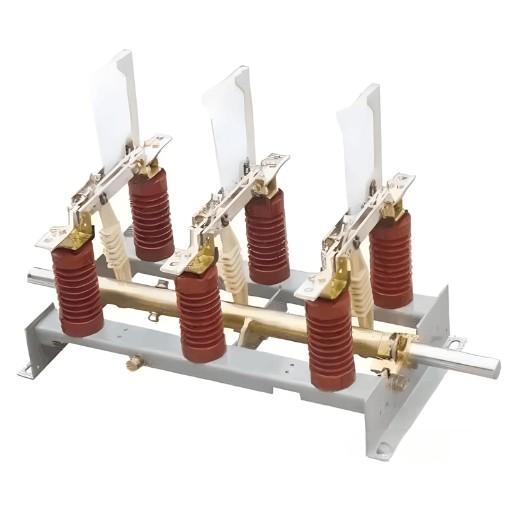
Protection Strategy: The core of the design lies in configuring protection functions. Fuses are low-cost but are only suitable for short-circuit protection and require replacement. Vacuum circuit breakers or SF6 circuit breakers, however, provide comprehensive overload and short-circuit protection and are reusable, making them the preferred choice for complex loads. The selection of protection components should be based on load characteristics (e.g., motors, lighting, electronic equipment).
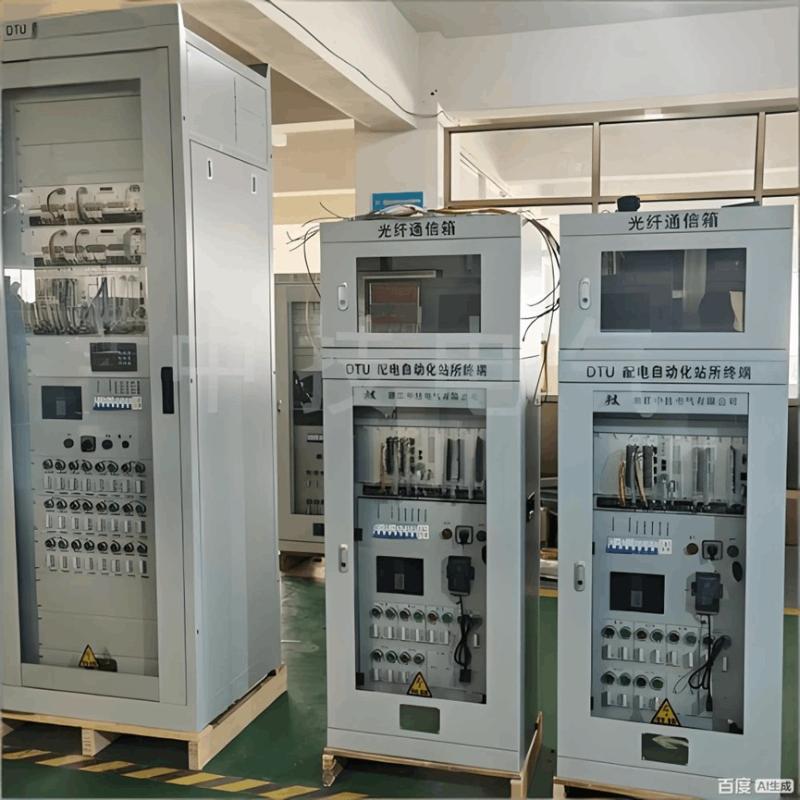
Intelligent Integration: Traditional relay-based protection systems are complex and have high failure rates. The modern design trend is to integrate intelligent multifunctional protection relays. These devices combine measurement, protection, control, and communication functions into one unit, simplifying secondary circuits, improving system reliability, and providing interfaces for future connection to Energy Management Systems (EMS) or Building Automation Systems (BAS).
Economic and Practical Design
Domestic vs. Imported Trade-off: Domestic cabinets (e.g., GCS) offer moderate prices and convenient after-sales service but often have a larger physical footprint. Imported cabinets (e.g., ABB's MNS) feature advanced technology and a compact size but come with higher costs and potentially longer repair cycles. Designers need to make a comprehensive choice based on project budget, distribution room space, and maintenance capabilities.
Parametric Design: Precise calculation of the main busbar's maximum rated current and short-time withstand current is essential. Based on these calculations, appropriate busbar specifications and the cabinet's Ingress Protection (IP) rating must be selected to ensure safe operation even under peak load conditions.
II. Distribution Boxes: Design Focused on Detail and Innovation
Ως τα τελικά σημεία κατανομής, η σχεδίαση των κουτιών διανομής εστιάζει περισσότερο στην ευκολία εγκατάστασης, την προσαρμογή στο περιβάλλον και την εμπειρία του χρήστη.
Installation Method Design
Surface-Mounting vs. Flush-Mounting: Surface-mounted distribution box design (e.g., using angle steel brackets or metal expansion bolts) must consider wall load-bearing capacity and precise positioning of fixing points. Flush-mounted distribution boxes require close coordination with civil construction to ensure accurate dimensions and levels of pre-formed openings, and to prevent contamination of the box during subsequent plastering, demanding highly accurate design drawings.
Structural and Material Innovation Design
Patent Design Example:
Strength and Stability: Adding raised ribs on the inner side of the door and corresponding grooves on the door frame creates a "mortise-and-tenon" like structure when closed, significantly enhancing door stiffness and overall stability, solving the common issue of deformation in traditional sheet metal doors.
Noise Reduction Design: The inner walls incorporate an aluminum foam layer with round holes. Aluminum foam is a lightweight, porous material whose internal micropores convert sound waves into heat, effectively absorbing and eliminating operational noise, creating a quieter environment.
Energy Efficiency and Precise Control: Internal integration of filter compensation circuits (harmonic filtering + power factor correction) not only eliminates grid harmonics but also improves the power factor, directly reducing line losses. Simultaneously, independent current and voltage detection circuits provide precise energy consumption data for the system, facilitating subsequent energy efficiency analysis and optimization.
Safety and Maintenance Design
Insulation and Testing: The design must include an insulation testing procedure. After installation, a 500V megger (insulation resistance tester) must be used to test insulation resistance between phases, phase-to-earth, phase-to-neutral, etc., ensuring it meets standards. This is fundamental for ensuring personnel and equipment safety.
Heat Dissipation Design: Louvers are incorporated into the back panel for heat dissipation, but this must be coordinated with noise reduction design. This patent design effectively utilizes efficient aluminum foam sound absorption, allowing for ventilation openings without causing significant noise leakage, cleverly resolving the conflict between heat dissipation and noise reduction.