• Product
  • Suppliers
  • Manufacturers
  • Solutions
  • Free tools
  • Knowledges
  • Experts
  • Communities
Search


Selection Principles and Considerations for Low-Voltage Electrical Apparatus

James
Field: Electrical Operations
China

How to Select Low-Voltage Electrical Apparatus: Two Key Principles and Four Important Considerations

When selecting low-voltage electrical devices, two fundamental principles must be followed: safety and economy. Additionally, there are several critical factors to consider. Those unfamiliar with the process should refer to the guidelines below.

I. Two Core Principles for Selecting Low-Voltage Electrical Apparatus

  • Safety Principle
    The selected low-voltage devices must operate accurately and reliably, meeting all specified technical requirements to ensure normal operation of electrical equipment. They must also comply with relevant protection standards (e.g., IP ratings) and insulation standards to prevent personal injury or equipment damage.

  • Economy Principle
    Provided that safety and required technical performance are satisfied, choose devices offering the best value—i.e., high performance at a reasonable cost. Also consider the expected service life, maintenance intervals, ease of replacement, and repair convenience when making your selection.
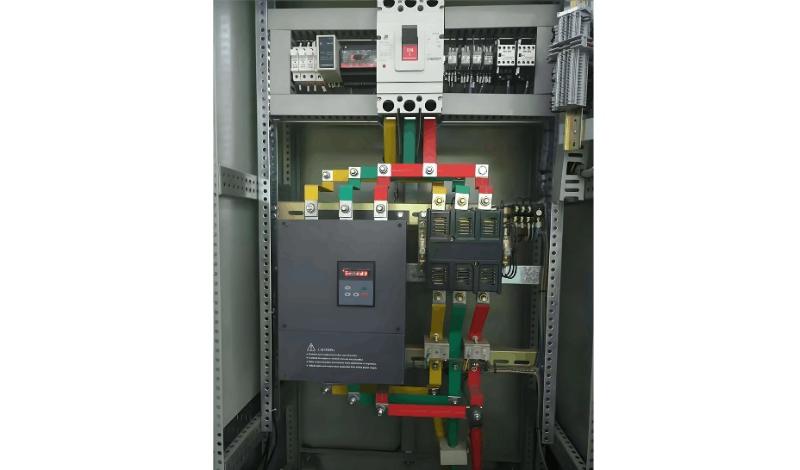
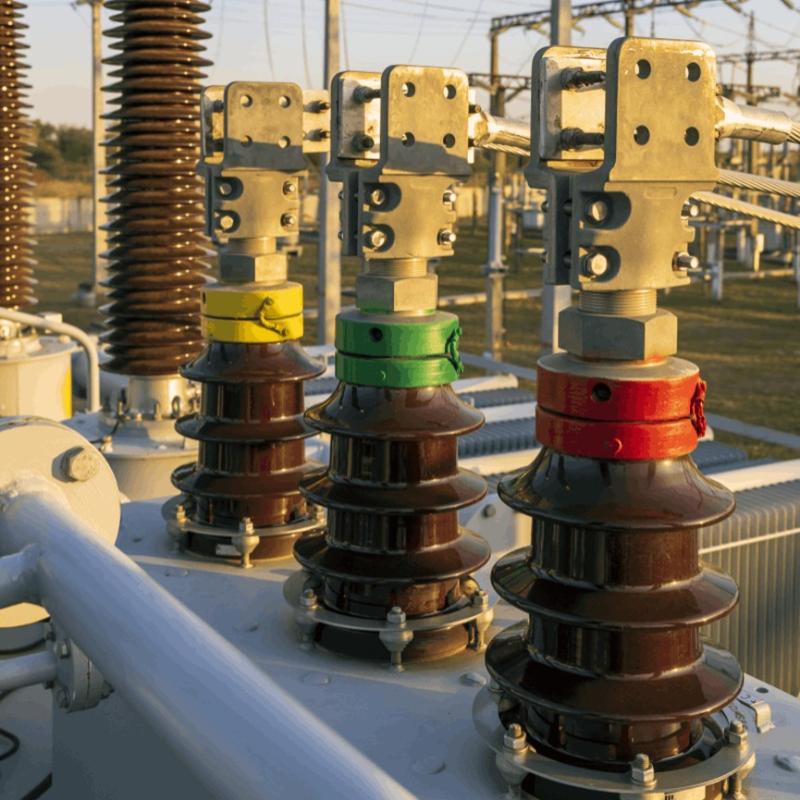
Low-Voltage Electrical Apparatus.jpg

II. Key Considerations When Selecting Low-Voltage Electrical Apparatus

  • Match the Application
    Select devices based on the type of load to be controlled (e.g., motor control, machine tool control, or other electrical systems), specific control requirements, and the operating environment.

  • Evaluate Normal Operating Conditions
    Consider environmental factors such as altitude, ambient relative humidity, presence of corrosive gases or conductive dust, allowable mounting orientation, mechanical shock resistance, and whether the device will be used indoors or outdoors.

  • Determine Technical Specifications
    Define required technical parameters according to the controlled equipment’s needs—such as rated voltage, rated current, operating frequency, duty cycle (e.g., continuous, intermittent), etc.

  • Ensure Adequate Capacity
    The rated capacity of the selected low-voltage device must exceed that of the connected load. For equipment with special control requirements (e.g., speed regulation, pressure control), use specialized low-voltage apparatus designed for those functions.

  • Assess Performance Characteristics
    In addition to compatibility with the load, evaluate the device’s make-and-break (switching) capability, expected service life, and compliance with manufacturing or installation process requirements.

By adhering to these principles and considerations, you can ensure safe, reliable, and cost-effective selection of low-voltage electrical components for any industrial or commercial application.
Give a tip and encourage the author!
Recommended
High Voltage Bushing Selection Standards for Power transformer
1. Structure Forms and Classification of BushingsThe structure forms and classification of bushings are shown in the table below: Serial No. Classification Feature Category 1 Main insulation structure Capacitive Type Resin-impregnated paperOil-impregnated paper Non-capacitive Type Gas insulationLiquid insulationCasting resinComposite insulation 2 External Insulation Material PorcelainSilicone Rubber 3 Filling Material Between Capacitor Core and Exte
12/20/2025
Functions and Selection of Grounding Transformers in Photovoltaic Power Stations
1.Neutral Point Establishment and System StabilityIn photovoltaic power stations, grounding transformers effectively establish a system neutral point. According to relevant power regulations, this neutral point ensures the system maintains certain stability during asymmetric faults, functioning like a "stabilizer" for the entire power system.2.Overvoltage Limitation CapabilityFor photovoltaic power stations, grounding transformers can effectively limit overvoltages. Generally, they can control o
12/17/2025
How to Select H61 Distribution Transformers?
H61 Distribution Transformer Selection includes the selection of transformer capacity, model type, and installation location.1.Selection of H61 Distribution Transformer CapacityThe capacity of H61 distribution transformers should be selected based on the current conditions and development trends of the area. If the capacity is too large, it results in the “large horse pulling a small cart” phenomenon—low transformer utilization and increased no-load losses. If the capacity is too small, the tran
12/06/2025
Brief Discussion on the Selection of Grounding Transformers in Booster Stations
Grounding transformers, commonly referred to as "grounding transformers" or simply "grounding units," operate under no-load conditions during normal grid operation and experience overload during short-circuit faults. Based on the filling medium, they are commonly categorized into oil-immersed and dry-type types; based on phase count, they can be either three-phase or single-phase grounding transformers.A grounding transformer artificially creates a neutral point for connecting a grounding resist
12/04/2025
Send inquiry
+86
Click to upload file

IEE Business will not sell or share your personal information.

Download
Get the IEE Business Application
Use the IEE-Business app to find equipment, obtain solutions, connect with experts, and participate in industry collaboration anytime, anywhere—fully supporting the development of your power projects and business.