
• Product
  • Suppliers
  • Manufacturers
  • Solutions
  • Free tools
  • Knowledges
  • Experts
  • Communities
Search


Emergency Handling Guide for Sticking Disconnectors in Low-Temperature, Freezing and Snow Conditions

Rockwill
Field: Manufacturing
10Year<
China
 
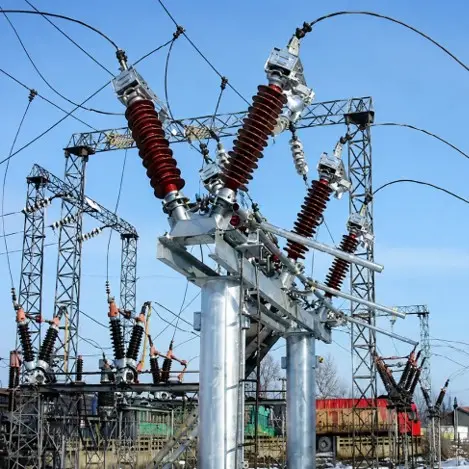
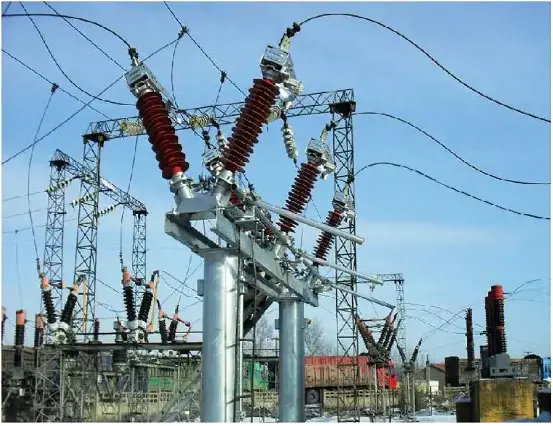
In extreme weather such as low temperature, freezing and snow, disconnectors are highly prone to sticking or becoming inoperable due to increased grease viscosity, corrosion of mechanical components, or icing. When such problems occur, strict safety procedures must be followed, adopting the troubleshooting and resolution measures below.
iee-business

1. Absolute Safety Prohibitions (Three Strict Bans)

  • No forced operation: If a disconnector sticks and will not open or close, operators must never force the disconnector open or closed. Doing so can damage the operating rods and post insulators, and may even cause serious incidents such as earth short circuits.
  • No operation under load: Disconnectors have no arc-quenching capability. They must only be operated after it is confirmed that the circuit breaker has been opened.
  • No unauthorized release of interlock: If the fault lies with the "five anti-misoperation" interlock system, on-duty personnel must not be allowed to freely release the interlock.

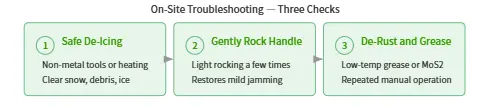
2. On-Site Troubleshooting and Resolution Measures (Three Checks)

  • Safe de-icing and cleaning: Carefully check whether the mechanism is frozen. When de-icing, never use hard objects to strike the insulators violently; use non-metallic tools such as wood or plastic for clearing, or use heating equipment to melt the ice. At the same time, remove accumulated dust, debris or snow around the moving parts to avoid mechanical interference.
  • Gently rock the operating handle: If light sticking of the operating mechanism is suspected, gently rock the operating handle back and forth a few times. Generally, slight sticking recovers its flexibility after rocking and the unit can be closed or opened normally.
  • Rust removal and low-temperature lubrication: Check whether moving parts in the mechanism box — such as pins, connecting rods and crank arms — are corroded. For light corrosion, remove the rust, apply dedicated low-temperature grease (or a molybdenum disulfide lubricant), and manually operate the mechanism several times to restore flexibility.

iee-business

3. Targeted Responses for Different Operating Mechanisms

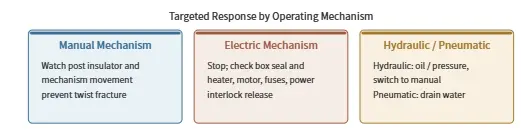
  • Manual operating mechanism: If the disconnector will not open or close, observe the action of the post insulators and the mechanism closely to prevent insulator fracture due to torsional stress.
  • Motor-operated mechanism: Stop the operation immediately. First check whether the mechanism box is properly sealed and whether the internal heater and temperature control device work normally. Next, check whether the motor, connecting rods, and operating/power supply circuits are normal, whether the fuses are loose or blown, and confirm that the electrical interlock condition has been correctly released.
  • Hydraulic/pneumatic operating mechanism: For hydraulic mechanisms, check for insufficient oil or degraded oil quality. If the oil pressure drops and operation is impossible, disconnect the oil pump power supply and switch to manual operation. For pneumatic mechanisms, check whether the compressed air system is blocked due to moisture freezing or gas liquefaction; when necessary, drain the accumulated condensate from the air receiver.

iee-business

4. Escalated Handling and Outage Maintenance

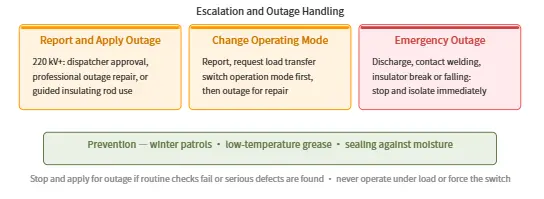
  • No blind assisted operation: If the main contacts still resist movement, never force the closing operation. For disconnectors at 220 kV and above, where necessary report to the dispatch center, apply for an outage and have professional maintenance personnel handle the issue, or — under the guidance of maintenance personnel — use an insulating rod for assisted operation.
  • Change the operating mode: If the fault lies in the contact parts of the disconnector or the operating mechanism fault cannot be cleared, immediately report to the dispatch center, apply to transfer the load (change the equipment operating mode), and then take the equipment out of service for handling.
  • Emergency outage: If during operation there is severe discharge, welded, melted or deformed contacts, damaged insulators, or components that have come loose or fallen off, the operation must be stopped immediately and the equipment immediately de-energized and isolated.

iee-business

Summary

Low-temperature, freezing and snow conditions put disconnector operation to a severe test. When facing sticking faults, on-site handling must always observe "safety first, no forced operation, systematic troubleshooting." Operations under load and forced opening or closing must be strictly prevented. Try to restore equipment flexibility through standardized measures such as safe de-icing, gently rocking the handle, and applying low-temperature grease.

If routine troubleshooting cannot resolve the issue or serious defects are found, stop the operation immediately and apply for an outage for maintenance. Prevention is equally important. Daily O&M should strengthen cold-weather inspections, periodically replace low-temperature grease, and improve sealing and moisture protection, thereby reducing equipment failure rates under extreme weather at the source and safeguarding stable and secure grid operation.

Edited From: Garca

Give a tip and encourage the author!
Topics:

Comments

Share your question or perspective
WhatsApp
Send inquiry
+86
Click to upload file
Download
Get the IEE Business Application
Use the IEE-Business app to find equipment, obtain solutions, connect with experts, and participate in industry collaboration anytime, anywhere—fully supporting the development of your power projects and business.
Login
or continue with
New here?
Register