Photovoltaic Power Generation Process Common Faults Causes and Solutions

1. Brief Introduction to the Photovoltaic Power Generation Process
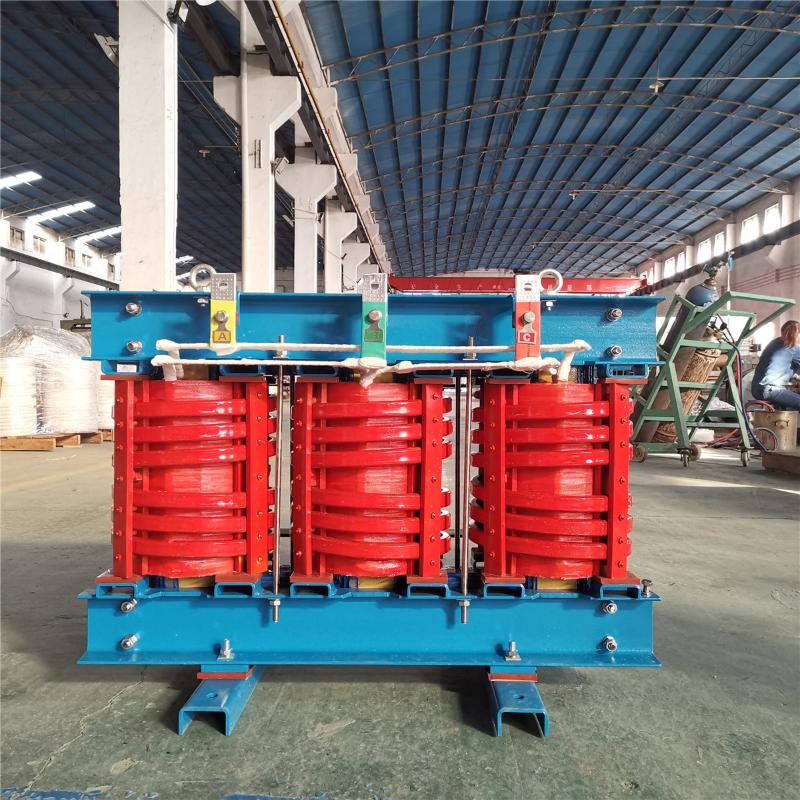
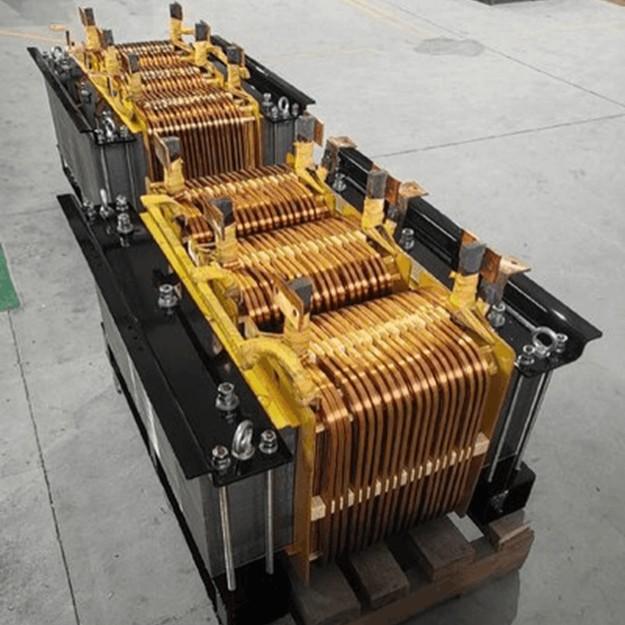
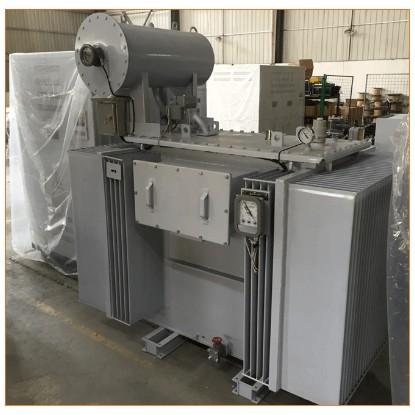
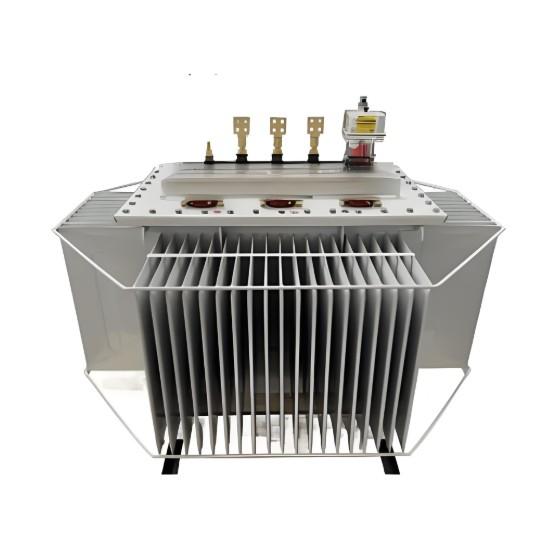
The operation process of photovoltaic power generation is as follows: First, individual solar panels are connected in series to form photovoltaic modules, and the modules are arranged in parallel through combiner boxes to form a photovoltaic array. Solar energy is converted into direct current (DC) by the photovoltaic array, and then converted into three-phase alternating current (AC) through a three-phase inverter (DC - AC). Subsequently, with the help of a step-up transformer, it is converted into AC that meets the requirements of the public power grid and directly connected to the public power grid for use by electrical equipment and remote dispatching.
2. Classification of Common Operation Faults in Photovoltaic Power Generation
2.1 Operation Faults of Step-up Stations
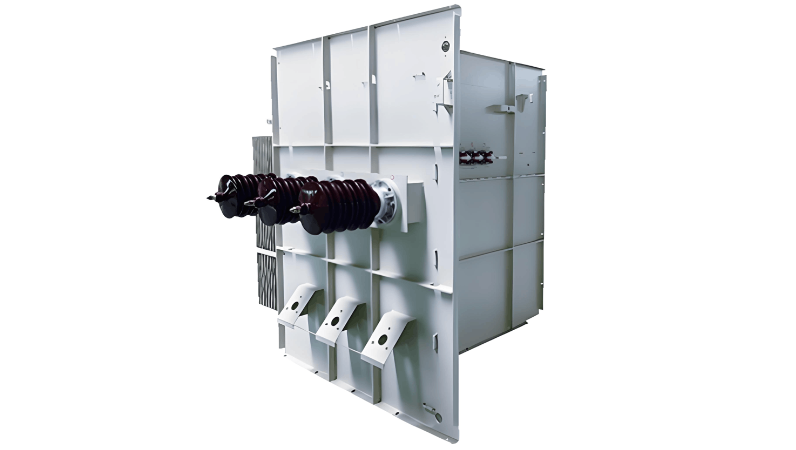
Operation faults of step-up stations mainly include transmission line faults, bus faults, transformer faults, high-voltage switch and auxiliary equipment faults, and relay protection device faults.
2.2 Common Operation Faults in Photovoltaic Areas
Operation faults in photovoltaic areas are most commonly caused by irregular construction and installation, leading to faults of solar panels, strings, and combiner boxes; or faults caused by improper installation and commissioning of inverters, as well as faults of auxiliary equipment of step-up transformers; and faults formed due to negligence in personnel inspection and failure to detect hidden dangers in a timely manner.
2.3 Communication and Automation Faults
Communication and automation faults may not affect the power generation of equipment for the time being, but they will bring disadvantages to operation analysis, the detection and elimination of equipment defects. They may also make the equipment unable to be operated remotely, creating hidden dangers for safe production. If not taken seriously, they are likely to cause the expansion of accidents.
2.4 Faults Caused by Region and Environment
Such faults are mainly manifested as: settlement of soft soil foundations causes deformation of equipment and difficulty in operation, and insufficient safety distance causes electrical grounding and short circuits; salt spray corrodes electrical equipment, and water vapor evaporation causes blockage shedding and insulation degradation of equipment; small animals enter electrical equipment and cause short circuits, etc.
3. Analysis of the Causes of Common Faults
Theoretically, various accidents and major faults can be prevented, but in practice, power production safety accidents still occur from time to time, and equipment faults and defects are common. The reasons are as follows:
4. Solutions
The technical solutions for common operation faults of photovoltaic power plants are as follows:
4.1 Common Faults and Handling of Step-up Stations
Faults of step-up stations belong to general electrical faults, and the handling principles and methods are similar for enterprises of different power generation types. In particular, busbar power failure and line tripping will cause the entire site to lose power for a single-bus single-circuit step-up station; for photovoltaic projects, the inverter needs to start island protection and stop operation. The operation and duty personnel need to:
4.2 Common Faults and Causes in Photovoltaic Areas
The inducements of operation faults in photovoltaic areas are mainly as follows:
4.3 Prevention of Common Faults in Photovoltaic Operation
Faults of step-up stations or equipment in photovoltaic areas all belong to electrical equipment faults. For prevention, it is necessary to:
4.4 Phenomena and Handling of Common Faults in Photovoltaic Operation
After the commissioning and trial operation of equipment in the photovoltaic area are normal, the difficult-to-detect faults often occur in the section from the solar panels to the combiner boxes. There are no obvious phenomena in the initial stage, but the power loss continues. A clamp ammeter can be used to measure the operating current of each string, find out the faulty string, and then check whether it is a fuse problem, a solar panel fault, or a problem such as damage to the connection line of the string, and handle it in a timely manner.
4.4.1 Combiner Box Faults
Common faults of combiner boxes include blockage shedding, communication module faults, and grounding heating and even fire caused by loosening of terminals and screws.
The on-site handling is mainly inspection. During the "spring inspection", the blockage is repaired, and the terminal screws of the combiner box are tightened, which can basically relieve the heating problem in summer.
4.4.2 Inverter Faults
Inverter faults often manifest as shutdown and inability to self-start, mostly occurring in the initial stage of commissioning; after the running-in period, most of them are heat dissipation faults (overtemperature), or accessory damage and software faults.
The key to prevention and handling of inverter faults lies in daily cleaning of the filter screen, ensuring heat dissipation, strengthening the inspection of cooling fans, and timely repairing and replacing when abnormalities are found.
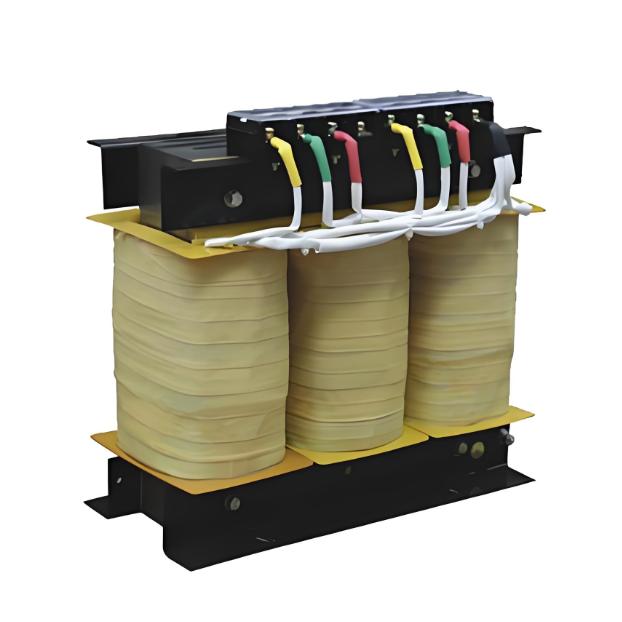
4.4.3 Step-up Transformer Faults
The technology of transformers is mature, and the failure rate of dry-type transformers is extremely low under normal conditions. Common faults include improper blocking leading to the entry of small animals, cooling fan faults, and loosening of the locking of the safety grid door of the main body. In coastal areas and fishery-solar complementary projects, the cable heads, cables, and lightning arresters of the high-voltage switches of step-up transformers are the key inspection items. Once a fault occurs, it will cause the entire collection line to stop operating.
The prevention and handling of step-up transformer faults still rely on daily inspection in place and timely implementation of technical supervision work to prevent problems before they occur.