1. Maobag nga Pagpahayag sa Proseso sa Pagsangol og Kuryente Gikan sa Surya
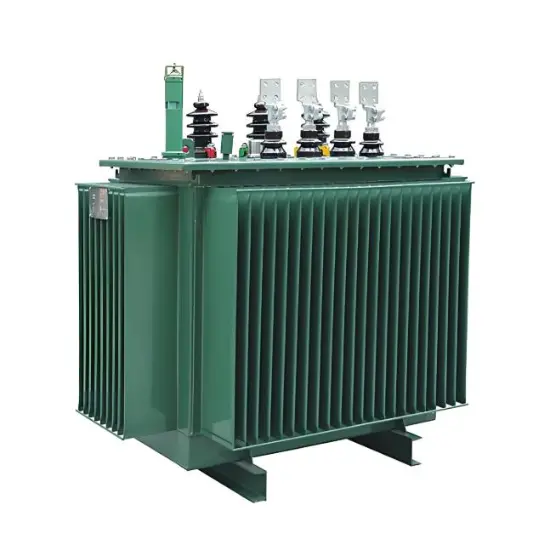
Ang proseso sa pagsangol og kuryente gikan sa surya mao kini: Unsa pa, ang mga indibidwal nga solar panels gitipon sa serye aron makabuo og photovoltaic modules, ug ang mga modules gi-arrange sa parallel pinaagi sa combiner boxes aron makabuo og photovoltaic array. Ang enerhiya sa surya gigikanan og direct current (DC) pinaagi sa photovoltaic array, ug pagkahuman gigikanan og three-phase alternating current (AC) pinaagi sa three-phase inverter (DC - AC). Pagkahuman, pinaagi sa step-up transformer, gigikanan og AC nga naghimo sa kinatibuk-ang mga pangutana sa public power grid ug direkta na gibulag sa public power grid aron gamiton sa mga electrical equipment ug remote dispatching.
2. Klase sa Kasagaran nga Mga Operational Faults sa Pagsangol og Kuryente Gikan sa Surya
2.1 Operational Faults sa Step-up Stations
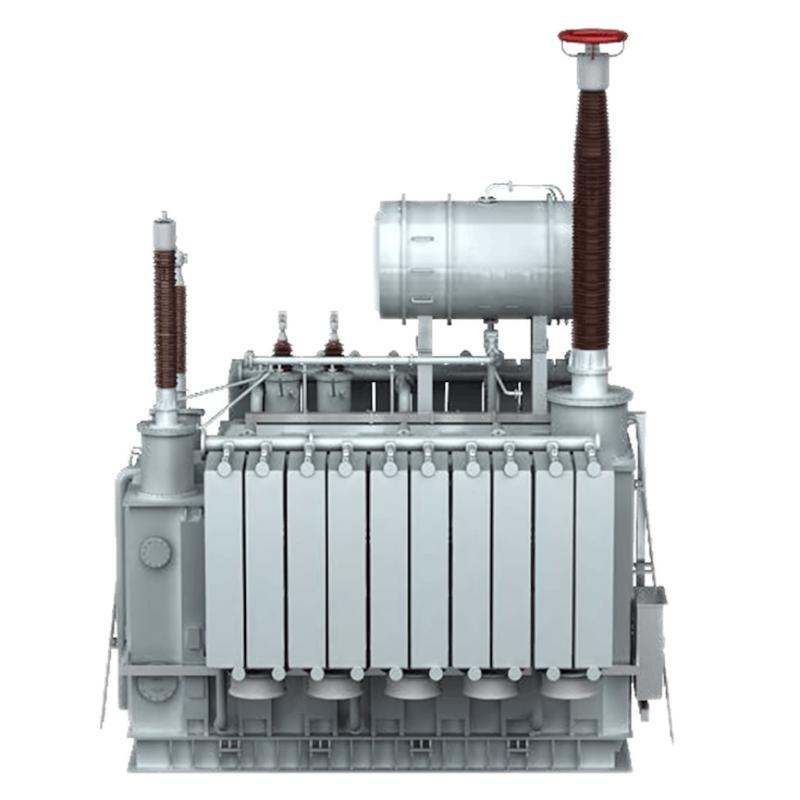
Ang operational faults sa step-up stations kasagaran adunay transmission line faults, bus faults, transformer faults, high-voltage switch ug auxiliary equipment faults, ug relay protection device faults.
2.2 Kasagaran nga Operational Faults sa Photovoltaic Areas
Ang operational faults sa photovoltaic areas kasagaran resulta sa irregular nga konstruksyon ug installation, nagresulta sa faults sa solar panels, strings, ug combiner boxes; o faults gikan sa dili maayo nga installation ug commissioning sa inverters, sama sa faults sa auxiliary equipment sa step-up transformers; ug faults nga nahimo tungod sa pagkakadili sa personnel inspection ug pagkakadili sa pagdetect sa hidden dangers sa dili matagpanahong panahon.
2.3 Communication ug Automation Faults
Ang communication ug automation faults dili mobati sa paggenerate sa kuryente sa equipment sa pagkakaron, apan mobati sa disadvantage sa operational analysis, detection ug pagtangtang sa defects sa equipment. Kini usab mogawas sa capability sa equipment sa pagoperate remotely, nagbuhat og hidden dangers sa safe production. Kon dili gihatagan og importansya, mahimong magpadako ang accidents.
2.4 Faults Gikan sa Region ug Environment
Ang mga faults niining klase kasagaran manifest isip: settlement sa soft soil foundations nagresulta sa deformation sa equipment ug difficulty sa operasyon, ug insuficiente nga safety distance nagresulta sa electrical grounding ug short circuits; salt spray nagcorrode sa electrical equipment, ug water vapor evaporation nagresulta sa blockage shedding ug insulation degradation sa equipment; small animals molihok sa electrical equipment ug nagresulta sa short circuits, etc.
3. Analisis sa Rason sa Kasagaran nga Faults
Teoretikal, ang tanang mga accidents ug major faults mahimo moprevent, apan sa praktikal, ang mga power production safety accidents masiguro ra mobati, ug common ang mga equipment faults ug defects. Ang rason mao kini:
4. Solusyon
Ang teknikal nga solusyon alang sa kasagaran nga operational faults sa photovoltaic power plants mao kini:
4.1 Kasagaran nga Faults ug Handling sa Step-up Stations
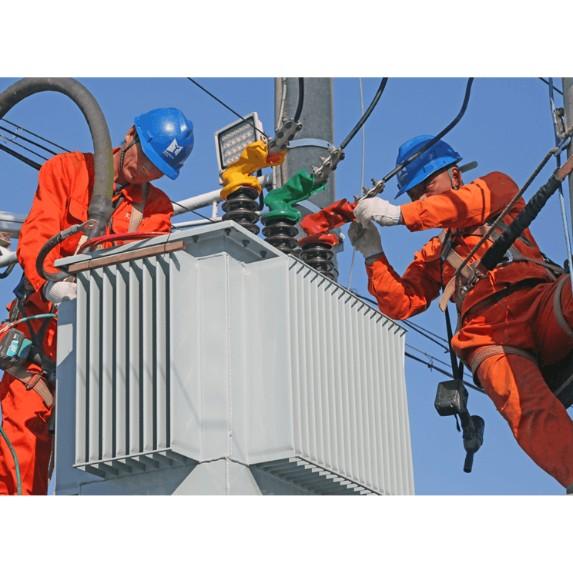
Ang faults sa step-up stations adunay general electrical faults, ug ang handling principles ug methods similar para sa enterprises sa different power generation types. Partikular, ang busbar power failure ug line tripping mogawas sa entire site sa single-bus single-circuit step-up station; para sa photovoltaic projects, ang inverter kinahanglan mogamit og island protection ug stop operation. Ang operational ug duty personnel kinahanglan:
4.2 Kasagaran nga Faults ug Causes sa Photovoltaic Areas
Ang inducements sa operational faults sa photovoltaic areas kasagaran mao kini:
4.3 光伏运行中常见故障的预防
升压站或光伏区设备的故障都属于电气设备故障。为了预防这些故障,需要:
4.4 光伏运行中常见故障的现象及处理
光伏区内设备调试和试运行正常后,从太阳能电池板到汇流箱这一段往往会出现难以察觉的故障。初期没有明显现象,但持续发生功率损失。可以使用钳形电流表测量每串的工作电流,找出故障串,然后检查是否是保险丝问题、太阳能电池板故障还是串连接线损坏等问题,并及时处理。
4.4.1 汇流箱故障
汇流箱的常见故障包括堵塞脱落、通信模块故障以及接线端子和螺丝松动引起的接地发热甚至火灾。
现场处理主要是检查。在“春检”期间修复堵塞并拧紧汇流箱的端子螺丝,基本上可以缓解夏季的发热问题。
4.4.2 逆变器故障
逆变器故障通常表现为停机且无法自启动,多发生在调试初期;磨合期过后,多数为散热故障(过温)或附件损坏和软件故障。
预防和处理逆变器故障的关键在于日常清洁滤网,确保散热,加强冷却风扇的检查,发现异常时及时修理和更换。
4.4.3 升压变压器故障
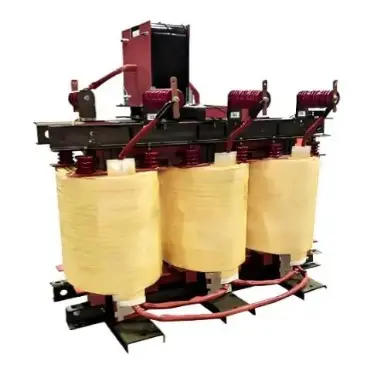
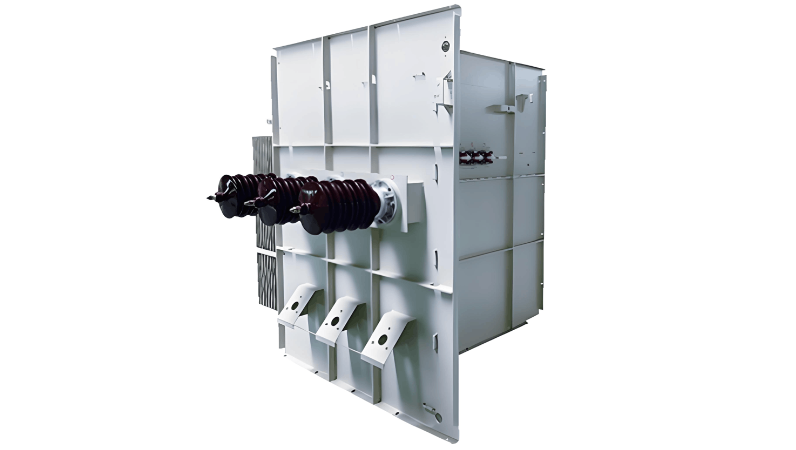
变压器技术成熟,在正常情况下干式变压器的故障率极低。常见的故障包括封堵不当导致小动物进入、冷却风扇故障以及本体安全网门锁紧松动。在沿海地区和渔光互补项目中,升压变压器高压开关的电缆头、电缆和避雷器是重点检查项目。一旦发生故障,将导致整条集电线路停止运行。
升压变压器故障的预防和处理仍然依赖于日常到位的检查和技术监督工作,以防止问题发生。
4.3 Prevention of Common Faults in Photovoltaic Operation
Faults of step-up stations or equipment in photovoltaic areas all belong to electrical equipment faults. For prevention, it is necessary to:
4.4 Phenomena and Handling of Common Faults in Photovoltaic Operation
After the commissioning and trial operation of equipment in the photovoltaic area are normal, the difficult-to-detect faults often occur in the section from the solar panels to the combiner boxes. There are no obvious phenomena in the initial stage, but the power loss continues. A clamp ammeter can be used to measure the operating current of each string, find out the faulty string, and then check whether it is a fuse problem, a solar panel fault, or a problem such as damage to the connection line of the string, and handle it in a timely manner.
4.4.1 Combiner Box Faults
Common faults of combiner boxes include blockage shedding, communication module faults, and grounding heating and even fire caused by loosening of terminals and screws.
The on-site handling is mainly inspection. During the "spring inspection", the blockage is repaired, and the terminal screws of the combiner box are tightened, which can basically relieve the heating problem in summer.
4.4.2 Inverter Faults
Inverter faults often manifest as shutdown and inability to self-start, mostly occurring in the initial stage of commissioning; after the running-in period, most of them are heat dissipation faults (overtemperature), or accessory damage and software faults.
The key to prevention and handling of inverter faults lies in daily cleaning of the filter screen, ensuring heat dissipation, strengthening the inspection of cooling fans, and timely repairing and replacing when abnormalities are found.
4.4.3 Step-up Transformer Faults
The technology of transformers is mature, and the failure rate of dry-type transformers is extremely low under normal conditions. Common faults include improper blocking leading to the entry of small animals, cooling fan faults, and loosening of the locking of the safety grid door of the main body. In coastal areas and fishery-solar complementary projects, the cable heads, cables, and lightning arresters of the high-voltage switches of step-up transformers are the key inspection items. Once a fault occurs, it will cause the entire collection line to stop operating.
The prevention and handling of step-up transformer faults still rely on daily inspection in place and timely implementation of technical supervision work to prevent problems before they occur.