Voltage Compliance Rate and Distribution Transformer Tap Changer Adjustment
The voltage compliance rate is one of the main indicators for measuring power quality. However, due to various reasons, electricity consumption during peak and off-peak periods often differs significantly, causing the output voltage of distribution transformers to fluctuate. These voltage fluctuations adversely affect the performance, production efficiency, and product quality of various electrical equipment to varying degrees. Therefore, to ensure voltage compliance, timely adjustment of the distribution transformer tap changer position is one of the effective solutions.
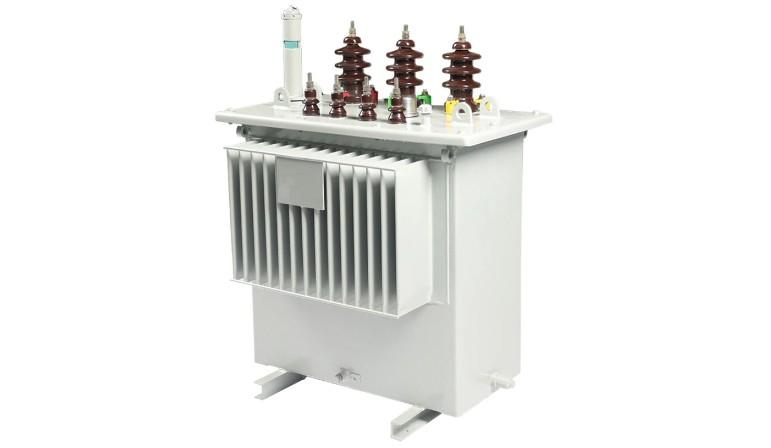
Most distribution transformers feature off-load tap changing capability with three adjustable positions. By changing the position of the tap changer's moving contact, the number of turns in the transformer winding is altered, thereby changing the output voltage. Common distribution transformers have a primary voltage of 10 kV and a secondary output voltage of 0.4 kV. The tap positions are configured as follows: Position I at 10.5 kV, Position II at 10 kV, and Position III at 9.5 kV, with Position II typically being the standard operating position.
The specific steps for adjusting the tap changer are:
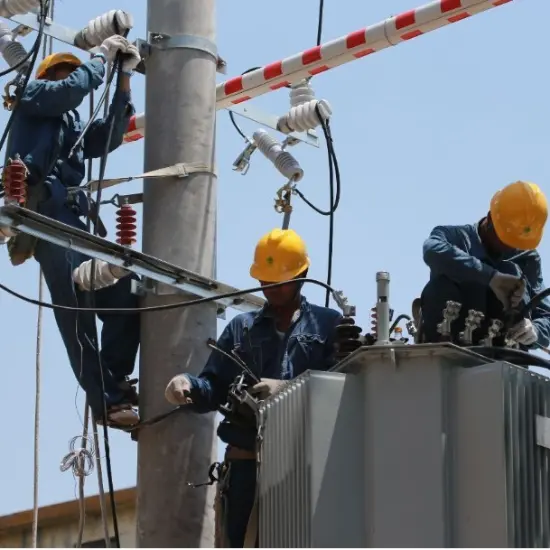
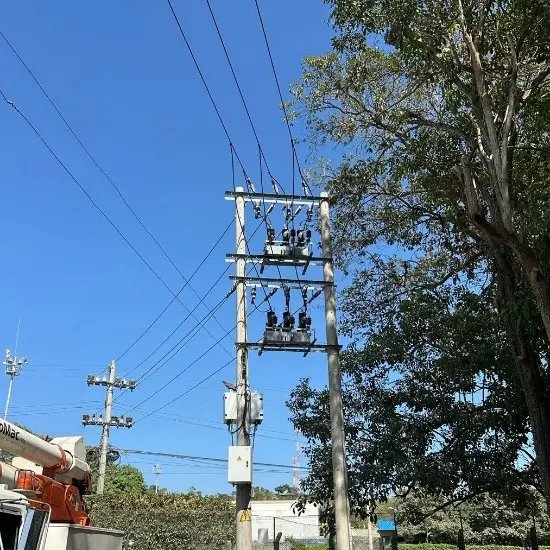
Power down first. Disconnect the low-voltage side load of the distribution transformer, then use an insulated rod to open the high-voltage side drop-out fuses. Implement all necessary safety measures. Unscrew the protective cover of the tap changer on the transformer and place the positioning pin in the neutral position.
Adjust the tap position based on output voltage measurements, following these fundamental principles:
When transformer output voltage is below the allowable value, move the tap changer from Position I to Position II, or from Position II to Position III.
When transformer output voltage is above the allowable value, move the tap changer from Position III to Position II, or from Position II to Position I.
Verify resistance balance after adjustment. Use a DC bridge to measure the DC resistance values of each phase winding to check for balance between phases. If the resistance values between phases differ by more than 2%, readjustment is mandatory. Otherwise, during operation, the moving and stationary contacts may overheat or even discharge due to poor contact, potentially damaging the transformer.