• Product
  • Suppliers
  • Manufacturers
  • Solutions
  • Free tools
  • Knowledges
  • Experts
  • Communities
Search


Free Expert Guides on Power Systems, Circuit Design & Electrical Troubleshooting

Access free engineering resources from IEE Business—covering power design, circuit layout, equipment selection, and troubleshooting. Expert-developed guides help engineers, procurement, and project teams make better decisions. Stay ahead on smart grids, renewables, efficiency, and AI tools. Improve reliability, reduce downtime, and enhance outcomes with real-world solutions. Explore our knowledge hub today.
What is the Radiator of Transformer?
What is the Radiator of Transformer?Radiator in Transformer DefinitionA radiator in a transformer is defined as a component that helps cool the transformer by dissipating heat from the transformer oil.Importance of CoolingControlling the temperature of the oil is crucial to extend the transformer’s capacity and prevent overheating.Working PrincipleThe radiator increases the surface area to dissipate heat, aiding in efficient cooling of the transformer oil.Type of radiatorNatural air cooled radia
08/09/2024
Consult
Tip
Consult
Tip
What is Conservator Tank of Transformer?
What is Conservator Tank of Transformer?Conservator Tank DefinitionA conservator tank is a cylindrical container on a transformer, providing space for the oil to expand and contract.FunctionThe conservator tank allows transformer oil to expand when hot and contract when cool, preventing overflow and ensuring efficient operation.ConstructionThe conservator tank is a cylindrical oil container closed at both ends. It has a large inspection cover on each side for easy maintenance and cleaning.Conser
08/09/2024
Consult
Tip
Consult
Tip
What is Silica Gel Breather of Transformer?
What is Silica Gel Breather of Transformer?Silica Gel Breather DefinitionA silica gel breather is a device used to filter moisture from the air entering a transformer, protecting its insulation.Air Flow MechanismTransformer oil expansion and contraction cause air to move in and out of the conservator tank, necessitating filtration.Construction of Silica Gel BreatherThe silica gel breather for transformers is simple in design. It is a container filled with silica gel that air passes through. Sili
08/09/2024
Consult
Tip
Consult
Tip
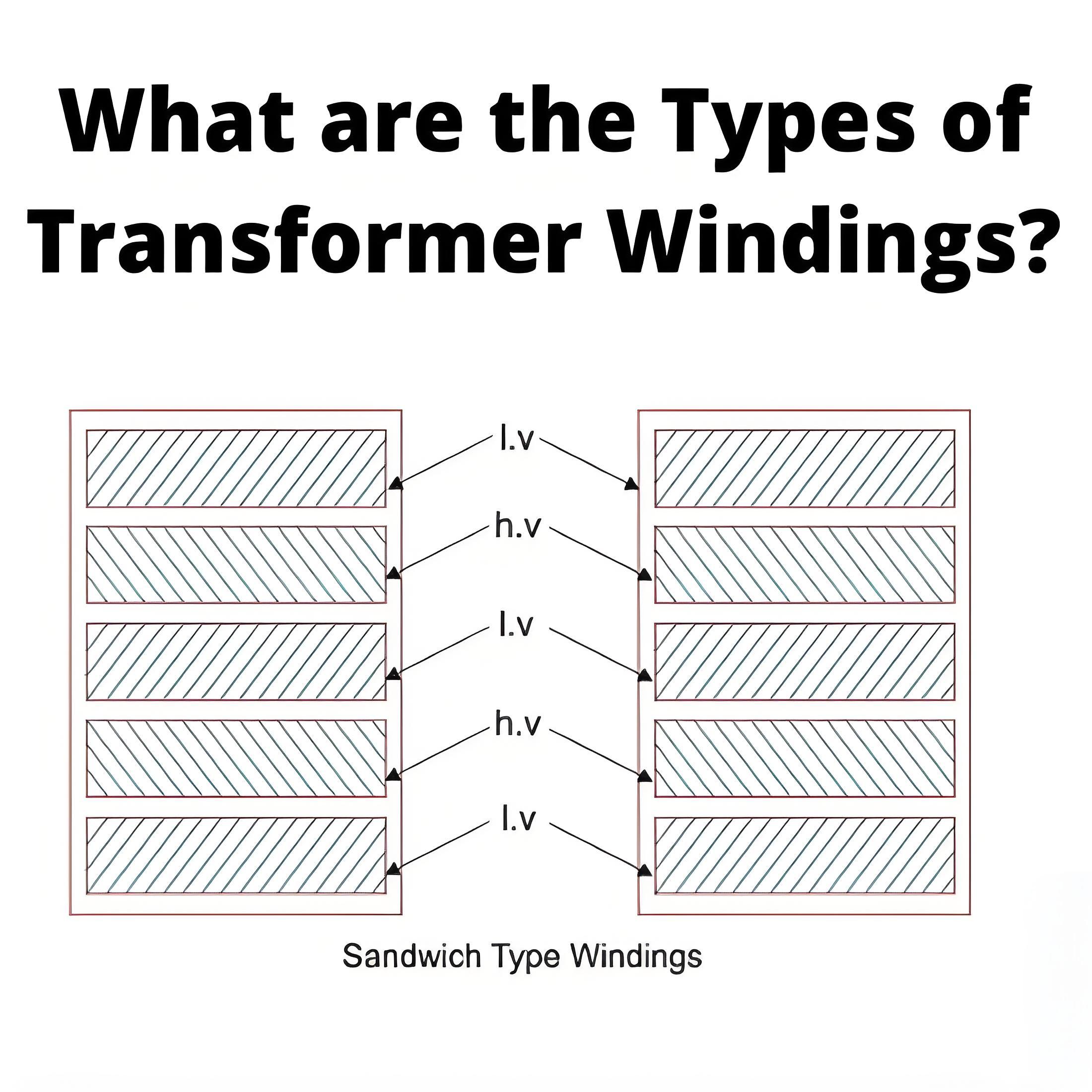
What are the Types of Transformers Windings?
What are the Types of Transformers Windings?Types of Transformers Core type transformers have windings on outer limbs Shell type transformers have windings on inner limbsMainly there are two types of transformer Core type transformer Shell type transformerTypes of Winding used for Core Type TransformerCylindrical WindingsThese windings are layered type and uses a rectangular or round conductor shown in Fig.(a) and (b). The conductors are wound on flat sides shown in Fig.(c) and wound on the rib
08/09/2024
Consult
Tip
Consult
Tip
What is Sweep Frequency Response Analysis Test ?
What is Sweep Frequency Response Analysis Test ?SFRA Test DefinitionSFRA test of transformer is a method used to assess the condition of transformer windings by analyzing their frequency response to electrical inputs.Purpose of SFRA testing Assessing the mechanical integrity of windings: Detecting whether the windings are displacements, deforms or short circuits. Monitoring the health of the transformer:Changes in the condition of the transformer windings can be tracked by comparing historical d
08/09/2024
Consult
Tip
Consult
Tip
What is tha  Impulse Test of Transformer?
The purpose of the pulse testDetection of partial dischargePartial discharge refers to the discharge phenomenon that occurs at the air gap or impurity in the insulation material under the action of high voltage electric field, which may gradually destroy the insulation system.Evaluate the degree of insulation agingBy analyzing the characteristics of partial discharge, you can evaluate the degree of aging of the insulation material.Identify potential insulation failuresProblems such as moisture,
08/09/2024
Consult
Tip
Consult
Tip
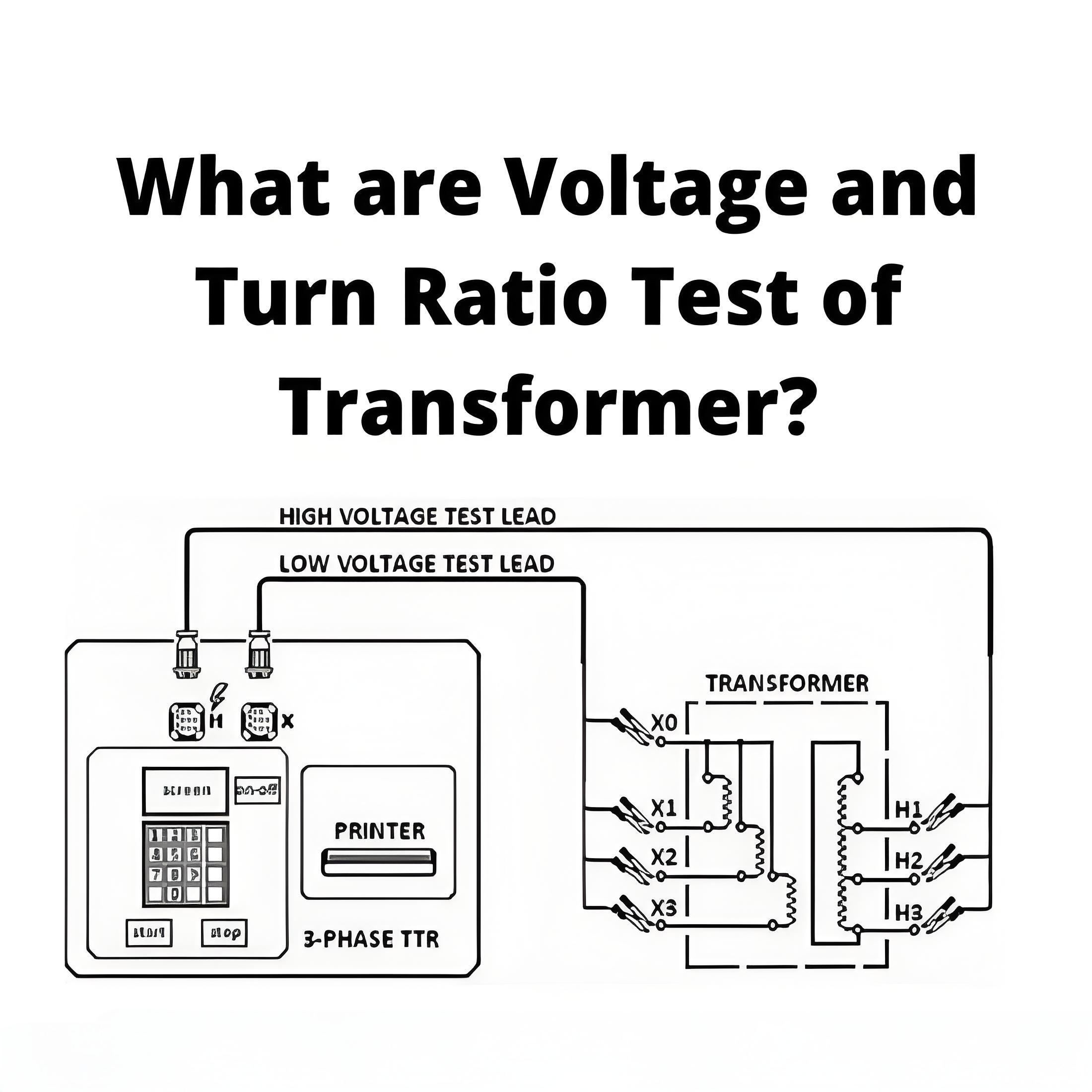
What are Voltage and Turn Ratio Test of Transformer?
What are Voltage and Turn Ratio Test of Transformer?Transformer Turn Ratio DefinitionThe transformer turn ratio is defined as the ratio of the number of turns in the HV winding to the number of turns in the LV winding.Voltage Ratio Test of TransformerThis test checks if the voltage ratio matches the expected turn ratio by applying voltage to the HV winding and measuring the induced voltage in the LV winding.Testing Procedure First, the tap changer of transformer is kept in the lowest position an
08/09/2024
Consult
Tip
Consult
Tip
Transformer Winding Resistance Testing
Winding Resistance Test DefinitionThe winding resistance test of a transformer checks the health of transformer windings and connections by measuring resistance.Purpose of Winding Resistance TestThis test helps in calculating I2R losses, winding temperature, and identifying potential damage or abnormalities.Measurement MethodsFor star connected winding, the resistance shall be measured between the line and neutral terminal.For star connected autotransformers the resistance of the HV side is meas
08/09/2024
Consult
Tip
Consult
Tip
What is Polarity Test of Transformer ?
What is Polarity Test of Transformer ?Polarity Test DefinitionA polarity test of transformer is a method to ensure correct polarity alignment when connecting transformers in parallel.Dot ConventionThe dot convention identifies the polarity of windings in a transformer, showing how voltage is induced. If a current enters the dotted terminal of one winding, then the voltage induced on the other winding will be positive at the dotted terminal of the second winding. If a current leaves the dotted te
08/09/2024
Consult
Tip
Consult
Tip
Open & Short Circuit Transformer Tests
Open and short circuit tests are performed on a transformer to determine the: Equivalent circuit of transformer Voltage regulation of transformer Efficiency of transformerOpen Circuit Test DefinitionThe open circuit test of a transformer checks the core losses and parameters of the shunt branch by connecting instruments to the LV side and keeping the HV side open.Open-circuit Test (No-load Test) Steps: Ensure that the transformer is disconnected from the power supply to ensure safety. Open the l
08/09/2024
Consult
Tip
Consult
Tip
Send inquiry
+86
Click to upload file
Download
Get the IEE Business Application
Use the IEE-Business app to find equipment, obtain solutions, connect with experts, and participate in industry collaboration anytime, anywhere—fully supporting the development of your power projects and business.