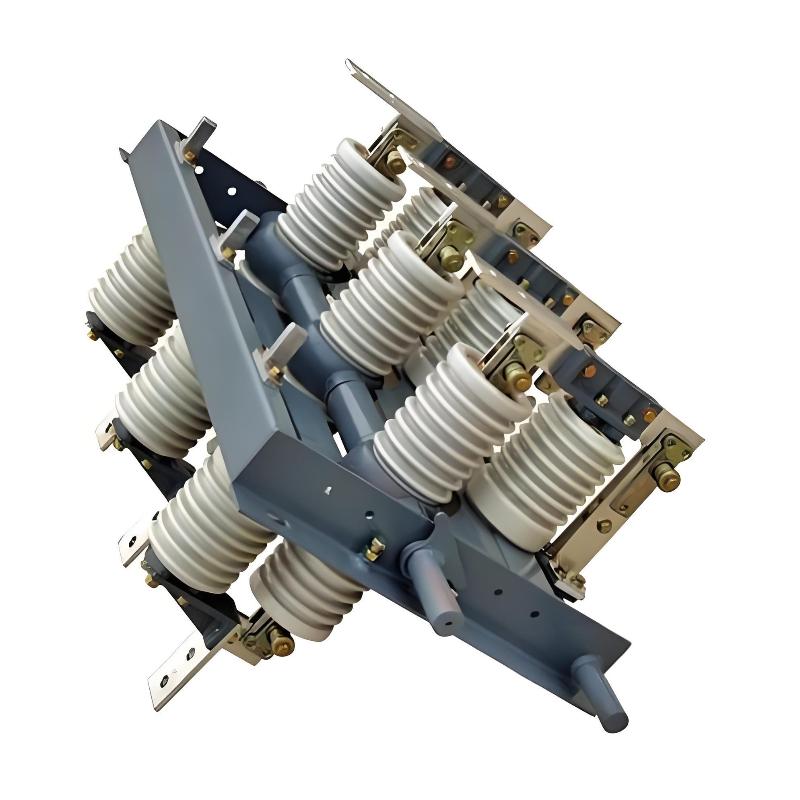
First, the installation of 10 kV high-voltage disconnect switches must meet the following requirements. The first step is to select an appropriate installation location, typically near the switchgear power supply in the power system to facilitate operation and maintenance. At the same time, sufficient space must be ensured at the installation site to accommodate equipment placement and wiring.Secondly, equipment safety must be fully considered—for example, lightning protection and explosion-proo
11/20/2025
Consult
Tip
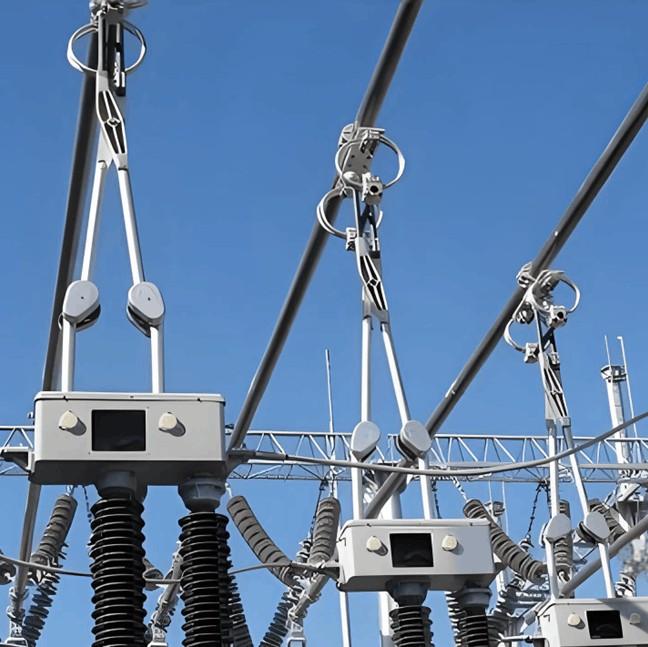
The 145 kV disconnector is a critical switching device in substation electrical systems. It is used in conjunction with high-voltage circuit breakers and plays an important role in power grid operation:First, it isolates the power source, separating equipment under maintenance from the power system to ensure personnel and equipment safety;Second, it enables switching operations to change the system operating mode;Third, it is used to interrupt small-current circuits and bypass (loop) currents.Re
11/20/2025
Consult
Tip
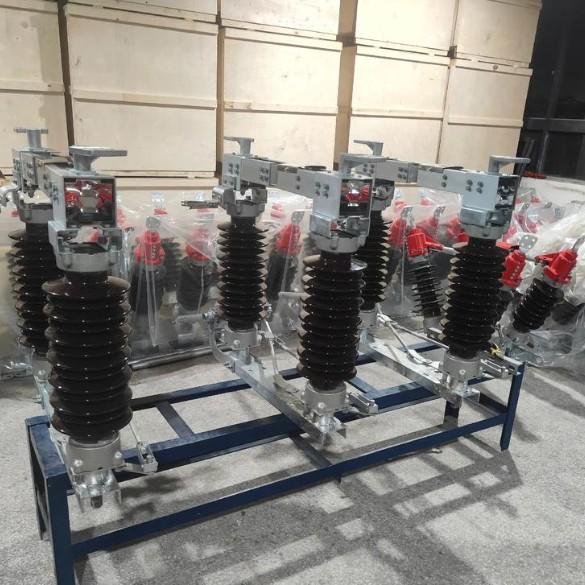
1. Operating Principle of the DisconnectorThe operating mechanism of the disconnector is connected to the active pole of the disconnector via a connecting tube. When the main shaft of the mechanism rotates 90°, it drives the insulating pillar of the active pole to rotate 90°. The bevel gears inside the base drive the insulating pillar on the other side to rotate in the opposite direction, thereby achieving opening and closing operations. The active pole, through inter-pole linkage tubes, drives
11/19/2025
Consult
Tip
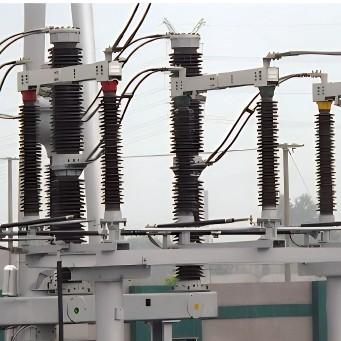
Selection Guidelines for 36 kV Disconnect SwitchesWhen selecting the rated voltage, ensure that the disconnect switch’s rated voltage is equal to or higher than the nominal voltage of the power system at the installation point. For example, in a typical 36 kV power network, the disconnect switch must have a rated voltage of at least 36 kV.For rated current, selection should be based on the actual long-term load current. Generally, the switch’s rated current must be no less than the maximum conti
11/19/2025
Consult
Tip
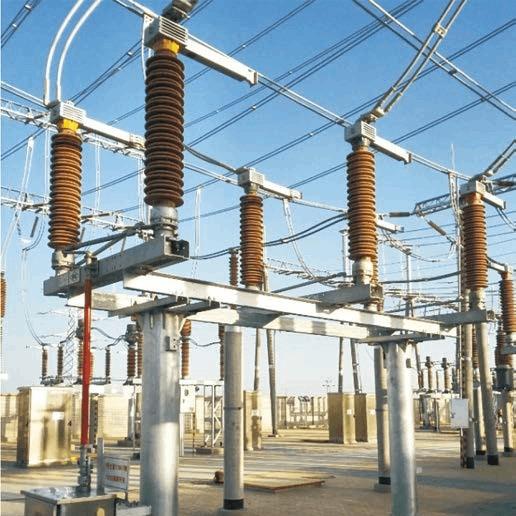
The relationship between the temperature-rise current of a 145 kV disconnector and copper conductor size lies in balancing current-carrying capacity and heat dissipation efficiency. The temperature-rise current refers to the maximum continuous current a conductor can carry without exceeding its specified temperature rise limit, and the copper conductor size directly influences this parameter.Understanding this relationship begins with the physical properties of the conductor material. Copper’s c
11/19/2025
Consult
Tip
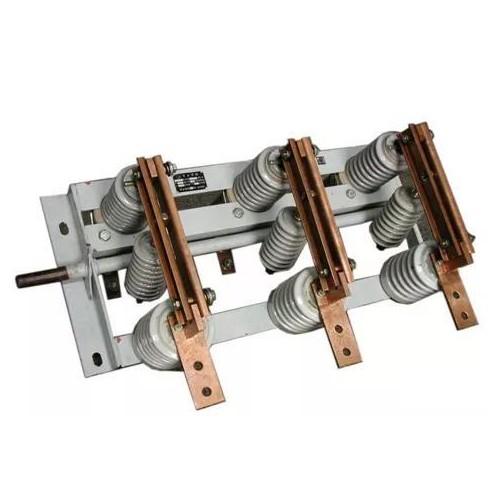
Intelligentization has become an important development direction for power systems. As a critical component of the power system, the stability and safety of 10 kV distribution network lines are vital to the overall operation of the power grid. The fully enclosed disconnector, as one of the key devices in distribution networks, plays a significant role; thus, achieving its intelligent control and optimized design is of great importance for enhancing the performance of distribution lines.This pape
11/17/2025
Consult
Tip
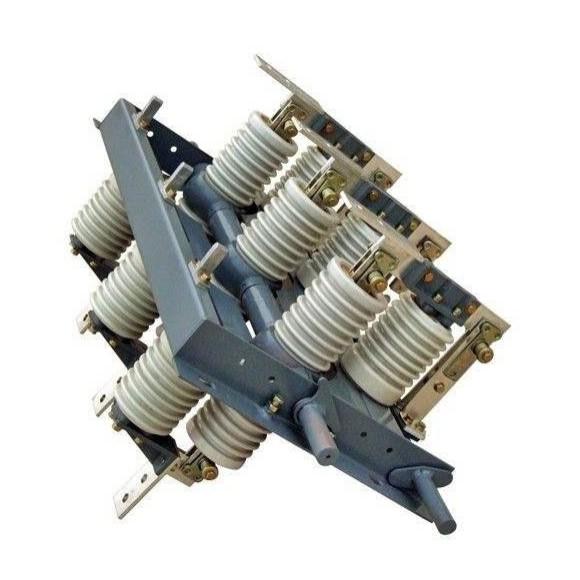
1.Analysis of the Structure and Working Principle of GN30 DisconnectorThe GN30 disconnector is a high-voltage switching device primarily used in indoor power systems to open and close circuits under voltage but no-load conditions. It is suitable for power systems with a rated voltage of 12 kV and AC frequency of 50 Hz or lower. The GN30 disconnector can be used either in conjunction with high-voltage switchgear or as a standalone unit. Featuring a compact structure, simple operation, and high re
11/17/2025
Consult
Tip
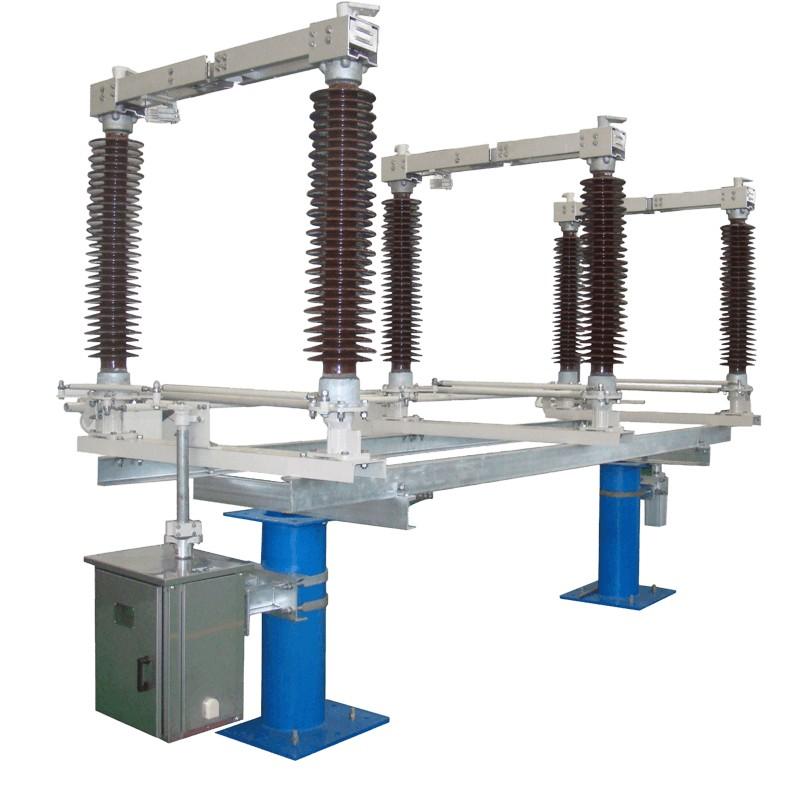
1.Working Principle and Structural Features of GW4-126 DisconnectorThe GW4-126 disconnector is suitable for AC 50/60 Hz power lines with a rated voltage of 110 kV. It is used to disconnect or connect high-voltage circuits under no-load conditions, enabling circuit switching, operational mode changes, and safe electrical isolation of busbars, circuit breakers, and other high-voltage equipment during maintenance. Disconnectors typically feature a clearly visible open point to ensure safe current i
11/17/2025
Consult
Tip
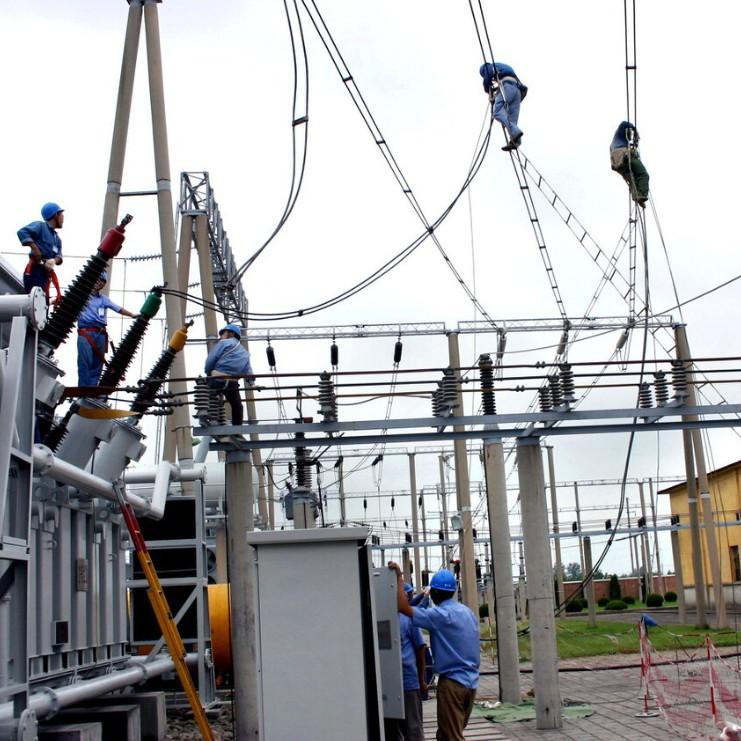
1.Description of the Fault PhenomenonThe disconnector fault in a 550 kV GIS equipment occurred at 13:25 on August 15, 2024, while the equipment was operating under full load with a load current of 2500 A. At the moment of failure, the associated protection devices acted promptly, tripping the corresponding circuit breaker and isolating the faulty line. System operating parameters changed significantly: the line current dropped abruptly from 2500 A to 0 A, and the bus voltage instantly decreased
11/17/2025
Consult
Tip
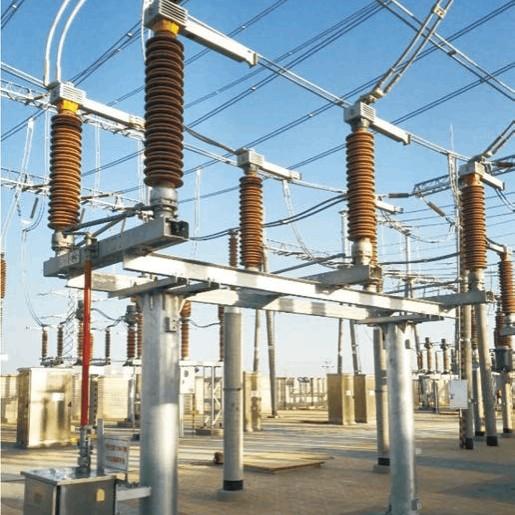
Impact of GIS Disconnector Operations on Secondary Equipment and Mitigation Measures1.Impacts of GIS Disconnector Operations on Secondary Equipment 1.1Transient Overvoltage Effects During opening/closing operations of Gas-Insulated Switchgear (GIS) disconnectors, repeated arc reignition and extinction between contacts cause energy exchange between system inductance and capacitance, generating switching overvoltages with magnitudes 2–4 times the rated phase voltage and durations ranging from tens
11/15/2025
Consult
Tip






